Grains: Cooking Farro to a Chewy Bite
Farro is an ancient grain that offers a nutty flavor and a satisfying chewy texture when cooked just right. Achieving the perfect chewy bite requires attention to water ratios and cooking times. Unlike modern wheat, farro has a tougher bran layer that needs to be coaxed into submission without turning the grain into a mushy mess. This technique focuses on harnessing controlled heat and precise timing to unlock farro's full potential. First, we'll discuss the importance of selecting the right type of farro—pearled for quicker cooking or semi-pearled for a more robust bite. Then, we'll dive into the method: a gentle simmer allows the grains to absorb water slowly, ensuring they remain intact while becoming tender inside. We'll explore how to season the cooking water to infuse flavor directly into the grain, and how resting off the heat can further enhance texture. Whether you're cooking for a hearty salad, a comforting soup, or a stand-alone side dish, mastering this technique will elevate your culinary repertoire.
Notes
The science behind cooking farro to a chewy bite lies in gelatinization, where starch granules absorb water and swell, softening the grain while maintaining structure. Common mistakes include using too much water, resulting in a mushy texture, or not covering the pot properly, leading to uneven cooking. To troubleshoot, always start with the correct water-to-grain ratio and adjust based on your specific farro type. For safety, ensure farro reaches an internal temperature of 165°F to eliminate any risk of foodborne illness. Farro can be made ahead and stored in an airtight container in the refrigerator for up to 5 days or frozen for up to 3 months.
Steps
- 1 Rinse 1 cup of farro under cold water until the water runs clear.
- 2 In a medium saucepan, combine the farro with 2 ¾ cups of water.
- 3 Add 1 teaspoon of salt to the water for seasoning.
- 4 Bring the mixture to a gentle boil over medium heat.
- 5 Once boiling, reduce the heat to low and maintain a simmer.
- 6 Cover the saucepan with a tight-fitting lid and cook for 25 to 30 minutes for pearled farro, or 45 to 50 minutes for semi-pearled farro.
- 7 Check the farro occasionally; the grains should be tender but still have a chewy bite.
- 8 Turn off the heat and let the farro rest, covered, for 10 minutes.
- 9 Fluff the farro gently with a fork to separate the grains.
- 10 Drain any excess water if necessary and transfer to a serving dish.
Ingredients to explore
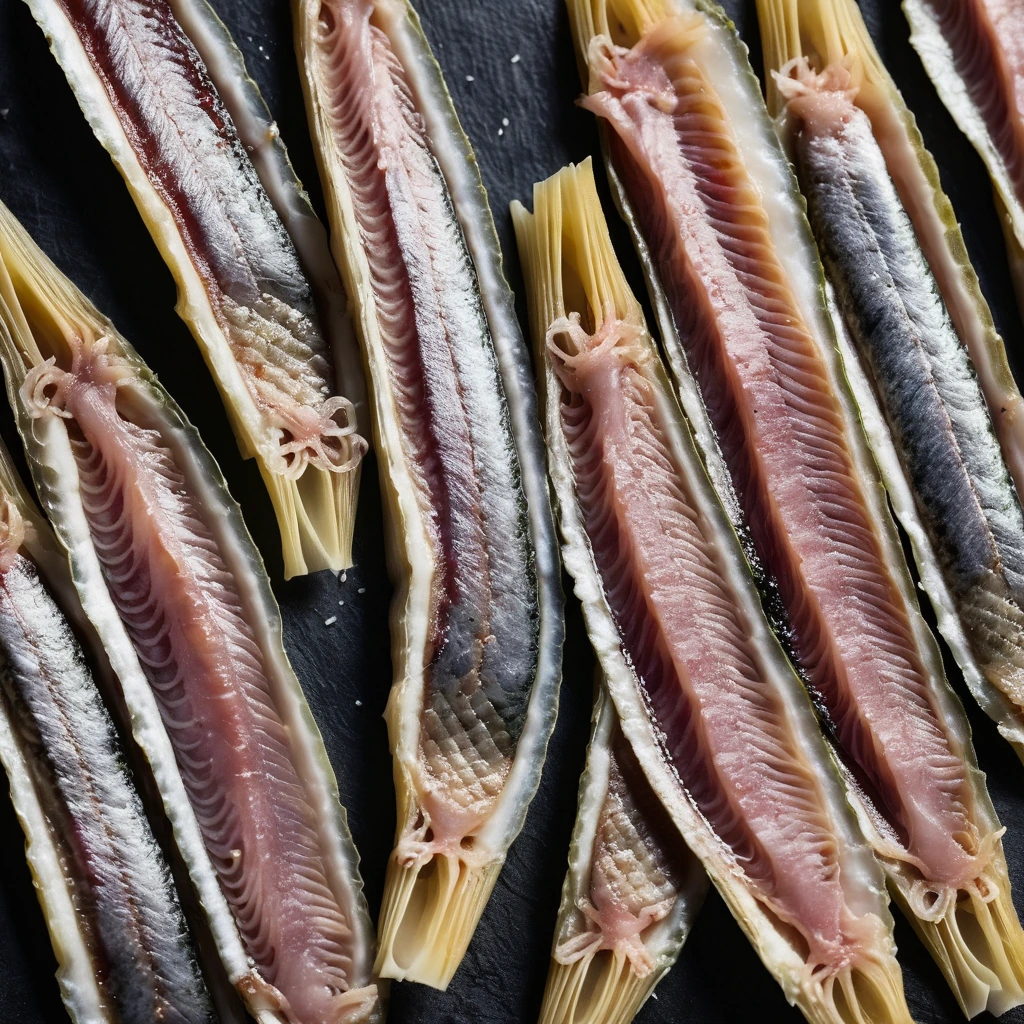
Anchovy Fillets
Silvery and succulent, anchovy fillets are a briny treasure from the sea. Their rich, umami flavor adds depth to dishes, making them a beloved ingredient in kitchens worldwide.

Andouille Sausage
Andouille sausage is a coarse-grained, smoked pork sausage with a rich history rooted in French cuisine, particularly from the Alsace region. It was adapted in Louisiana, where it became a staple in Cajun and Creole cooking. The sausage is known for its robust, smoky flavor with hints of garlic, pepper, and other spices, creating a spicy and savory profile. Its texture is firm yet slightly chewy, making it a hearty addition to dishes. When cooked, andouille sausage maintains its shape well and infuses dishes with its distinctive smoky essence, enhancing stews, soups, and rice dishes.
Recipes to try
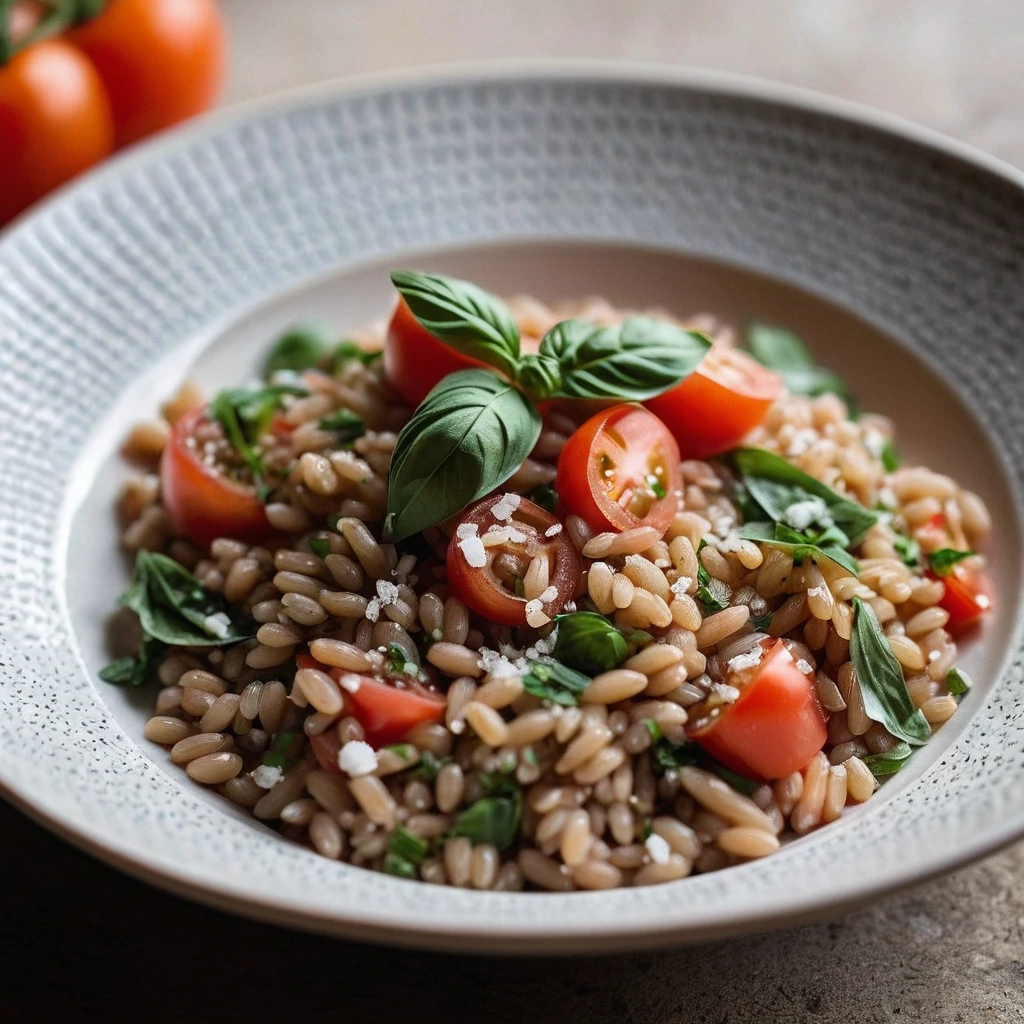
Tomato Basil Parmesan Farro Risotto
Creamy farro risotto kissed with fresh basil and sun-ripened tomatoes, topped with a generous sprinkle of Parmesan.
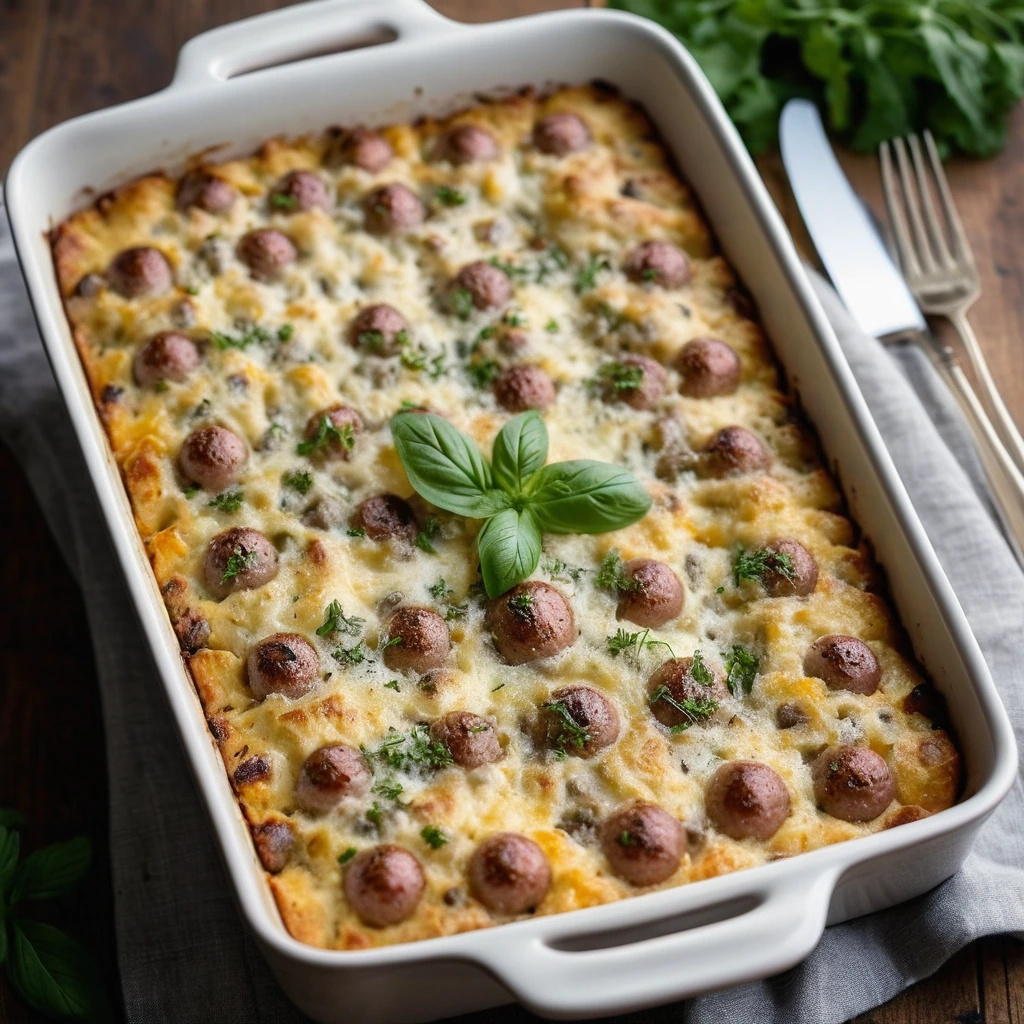
Sausage and Potato Breakfast Casserole
This hearty casserole combines savory sausage, crispy potatoes, and melty cheese into a golden, bubbly brunch masterpiece.