Grain Technique: Folding Cooked Grains into Cold Salads Without Clumping
Creating a cold grain salad that's both flavorful and texturally delightful can be a challenge, especially when dealing with the clumping issue that often plagues these dishes. The key to success lies in the method of folding the grains into the salad. This technique ensures that each grain maintains its integrity, providing a pleasant mouthfeel and preventing your salad from turning into a mushy mess. Start by selecting the right grains; varieties like quinoa, farro, or couscous work beautifully. Once cooked, it's crucial to cool the grains quickly to halt the cooking process and prevent them from sticking together. Spread them out on a baking sheet and let them come to room temperature or chill them in the fridge for a bit. Meanwhile, prepare your dressing and other salad components—fresh vegetables, herbs, and proteins. When it's time to combine everything, the folding technique is your secret weapon. It involves gently tossing the cooled grains with the dressing and other ingredients in a way that coats each piece without smashing or compacting them. This method also allows for even distribution of flavors throughout the salad. Achieving the perfect fold requires patience and a gentle hand. Avoid the temptation to rush the process or use too much force. The end result will be a salad that's as pleasing to the eye as it is to the palate, with each forkful offering a delightful mix of textures and tastes. Understanding the science behind this technique can elevate your salad game. Properly cooled grains are less sticky, making them easier to separate and coat. The dressing acts as a lubricant, helping to prevent clumps from forming. Troubleshooting common mistakes includes ensuring grains are fully cooled before mixing and using just enough dressing to coat rather than drown the ingredients. Safety is straightforward with this technique, but proper storage is key to maintaining freshness—keep your salad refrigerated and consume it within a few days for the best quality.
Notes
The science behind this technique is simple: rapid cooling of the grains stops the cooking process and reduces stickiness, making them easier to separate. Troubleshooting often involves ensuring that grains are completely cooled before folding to prevent clumps. Using a light hand and just enough dressing is crucial to maintain texture and prevent sogginess. For storage, always keep the salad refrigerated in an airtight container to preserve freshness and prevent bacterial growth. Consume within 3 to 4 days for optimal taste and texture.
Steps
- 1 Cook your grains according to package instructions.
- 2 Spread the cooked grains on a baking sheet to cool to room temperature.
- 3 Refrigerate the grains for 30 minutes if they are still warm.
- 4 Prepare your dressing and other salad ingredients while the grains cool.
- 5 In a large bowl, add the cooled grains and drizzle with a portion of the dressing.
- 6 Gently fold the grains with a spatula or large spoon, turning them over carefully.
- 7 Add vegetables, herbs, and proteins to the bowl with the grains.
- 8 Continue folding gently until everything is evenly coated with dressing.
- 9 Adjust seasoning with salt and pepper to taste.
- 10 Taste and add more dressing if necessary, remembering a little goes a long way.
- 11 Transfer the salad to a serving dish or individual plates.
- 12 Serve immediately or refrigerate until ready to serve.
Ingredients to explore
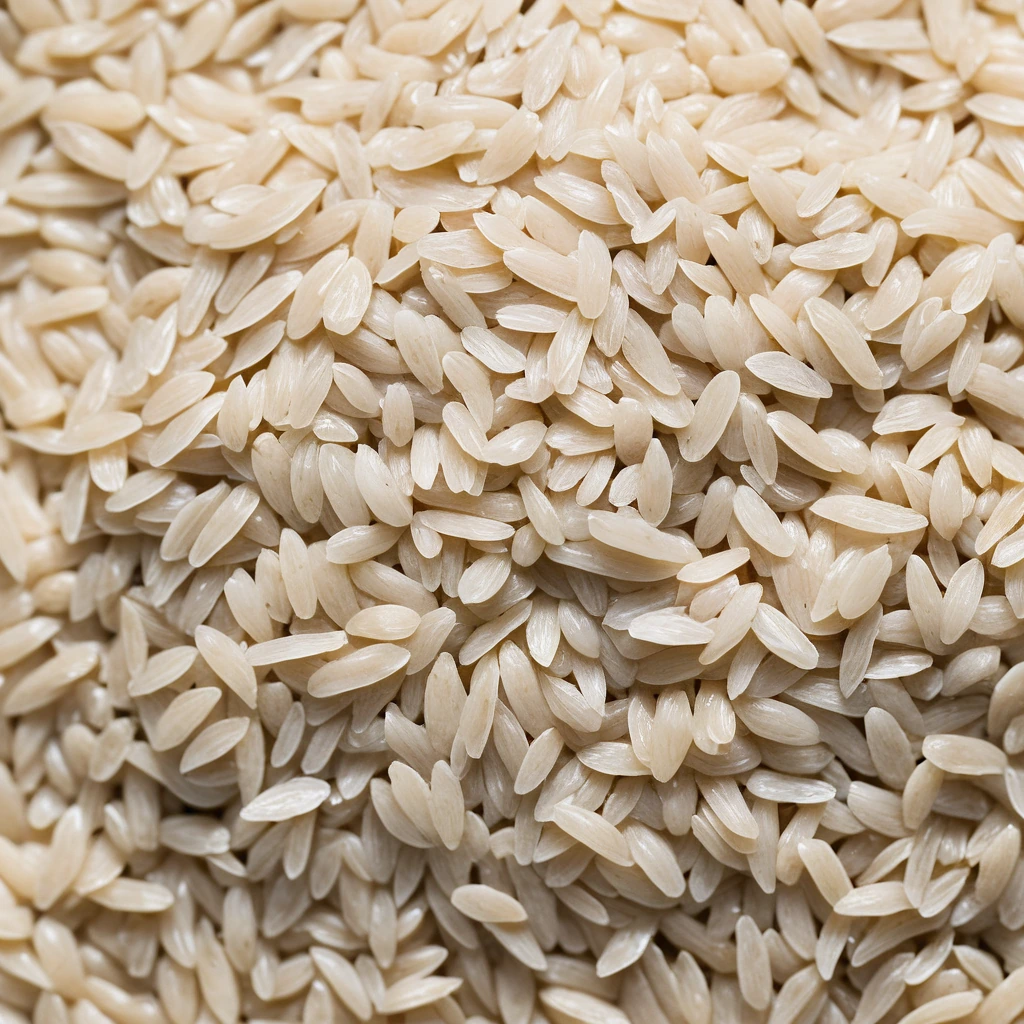
Arborio Rice
Arborio rice is a short-grain Italian rice variety renowned for its use in risotto. Originating from the Po Valley in Northern Italy, it is a staple in Italian cuisine. Its flavor is mild and nutty, with a pleasant creamy texture when cooked due to its high amylopectin content, which releases starch and creates a velvety consistency. The grains remain plump and firm to the bite, offering a satisfying chewiness. In cooking, Arborio rice excels at absorbing flavors from broths and seasonings while maintaining its shape, making it ideal for dishes that require both creaminess and structure.
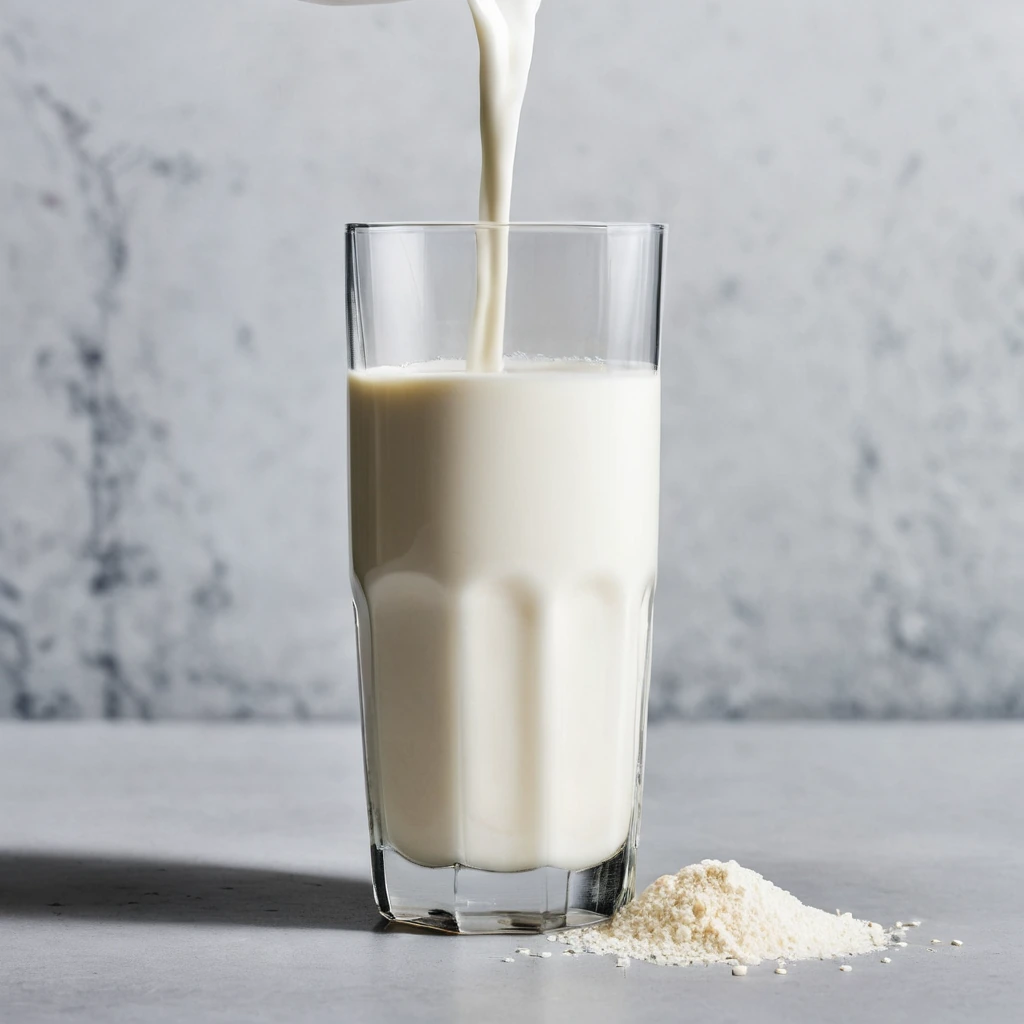
2% Milk
Creamy and just a touch lighter than whole milk, 2% milk offers a perfect balance of richness and reduced fat. Its smooth texture and subtle sweetness make it a delightful choice for sipping or cooking.
Recipes to try
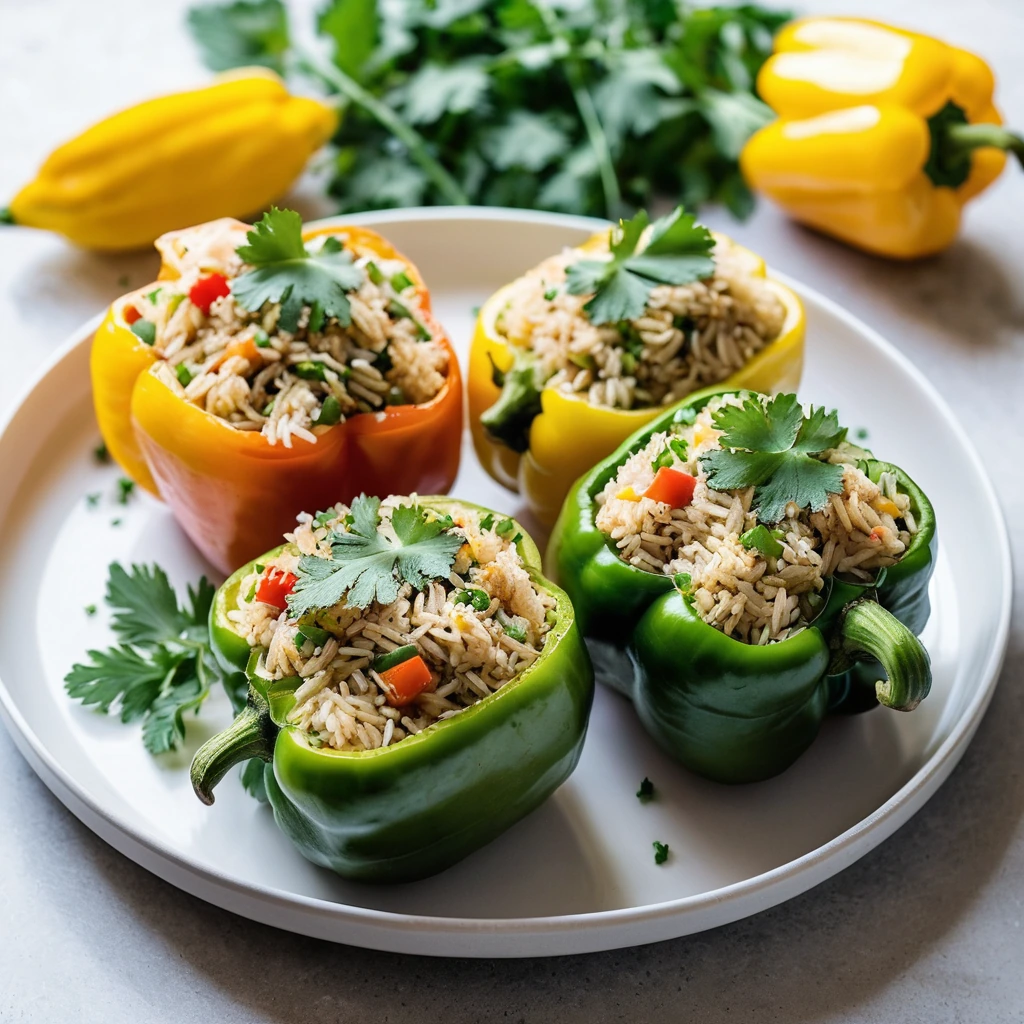
Lemon Garlic Chicken and Rice Stuffed Peppers
Bright and tangy lemon garlic chicken nestled in fluffy rice, all wrapped up in juicy bell peppers for a zesty comfort meal.
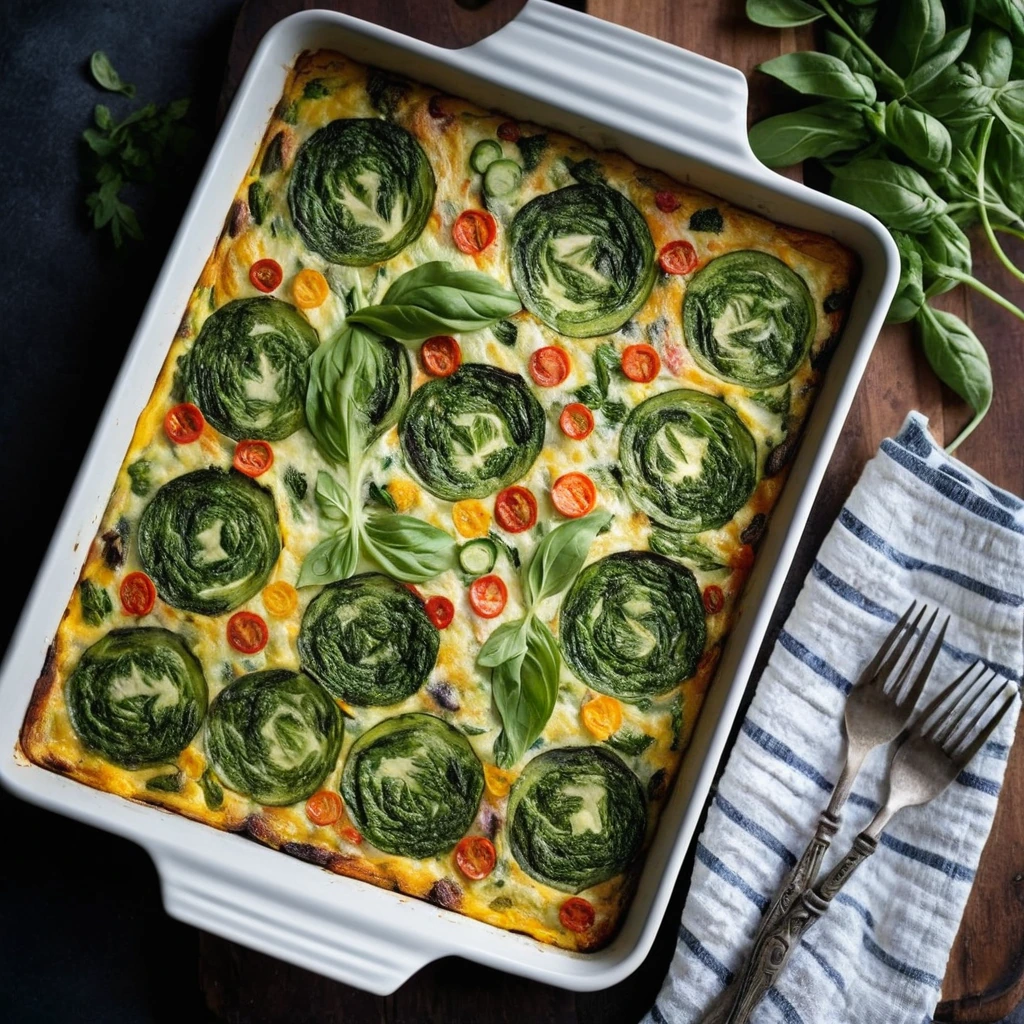
Veggie and Cheese Sheet Pan Frittata
Imagine a golden, bubbly frittata loaded with colorful veggies and melty cheese, all baked to perfection on a single sheet pan.