Grain Technique: Folding Cheese into Hot Grains Without Clumping
Achieving the perfect blend of cheese into hot grains can elevate a simple dish into a gourmet experience. Clumping, however, can turn your creamy risotto or cheesy polenta into a gooey mess. Fear not, for this technique will guide you through the art of incorporating cheese into hot grains seamlessly. The key lies in understanding the behavior of cheese proteins when exposed to heat and moisture. By carefully controlling the temperature and using the right cheese preparation methods, you can ensure a smooth, velvety finish. This technique is not just about adding flavor; it's about texture. Properly folded cheese will melt evenly, creating a luxurious mouthfeel without those pesky clumps. We'll delve into the science behind cheese proteins, the importance of gradual incorporation, and how to choose the right cheese for optimal results. Whether you're making a classic risotto, creamy grits, or indulgent macaroni and cheese, mastering this method will transform your dishes. Let's explore how to fold cheese into hot grains like a pro, ensuring each bite is as creamy and delightful as the last.
Notes
The science behind this technique is rooted in protein behavior. When cheese is heated, its proteins unwind and bond with each other, potentially forming clumps. By gradually incorporating cheese into hot grains, you allow proteins to spread evenly without over-bonding. Common mistakes include adding cheese too quickly or stirring too vigorously, both of which can lead to clumps. To avoid this, ensure your grains are not too hot when adding cheese, as excessively high temperatures can cause proteins to seize up. For storage, let the dish cool completely before refrigerating in an airtight container for up to 3 days. Reheat gently to preserve texture. Safety-wise, ensure cheese is fully melted to avoid any risk of foodborne illness associated with under-melted cheese.
Steps
- 1 Cook your grains according to package instructions until tender.
- 2 Remove the grains from heat immediately after cooking to prevent overcooking.
- 3 Shred your cheese into small, uniform pieces for even melting.
- 4 Cover and let the grains rest for 2 minutes to stabilize their temperature.
- 5 Create a small well in the center of the grains to start incorporating the cheese.
- 6 Add one-third of the cheese to the well and gently fold it in with a spatula.
- 7 Continue adding cheese in portions, folding gently after each addition.
- 8 Return the pan to low heat if necessary to encourage melting without clumping.
- 9 Stir gently and continuously until the cheese is fully incorporated and melted.
- 10 Taste and adjust seasoning with salt and pepper, as cheese can affect perceived saltiness.
- 11 Serve immediately to enjoy the optimal texture and flavor.
- 12 Optional: Garnish with fresh herbs or a sprinkle of reserved cheese for visual appeal.
Ingredients to explore
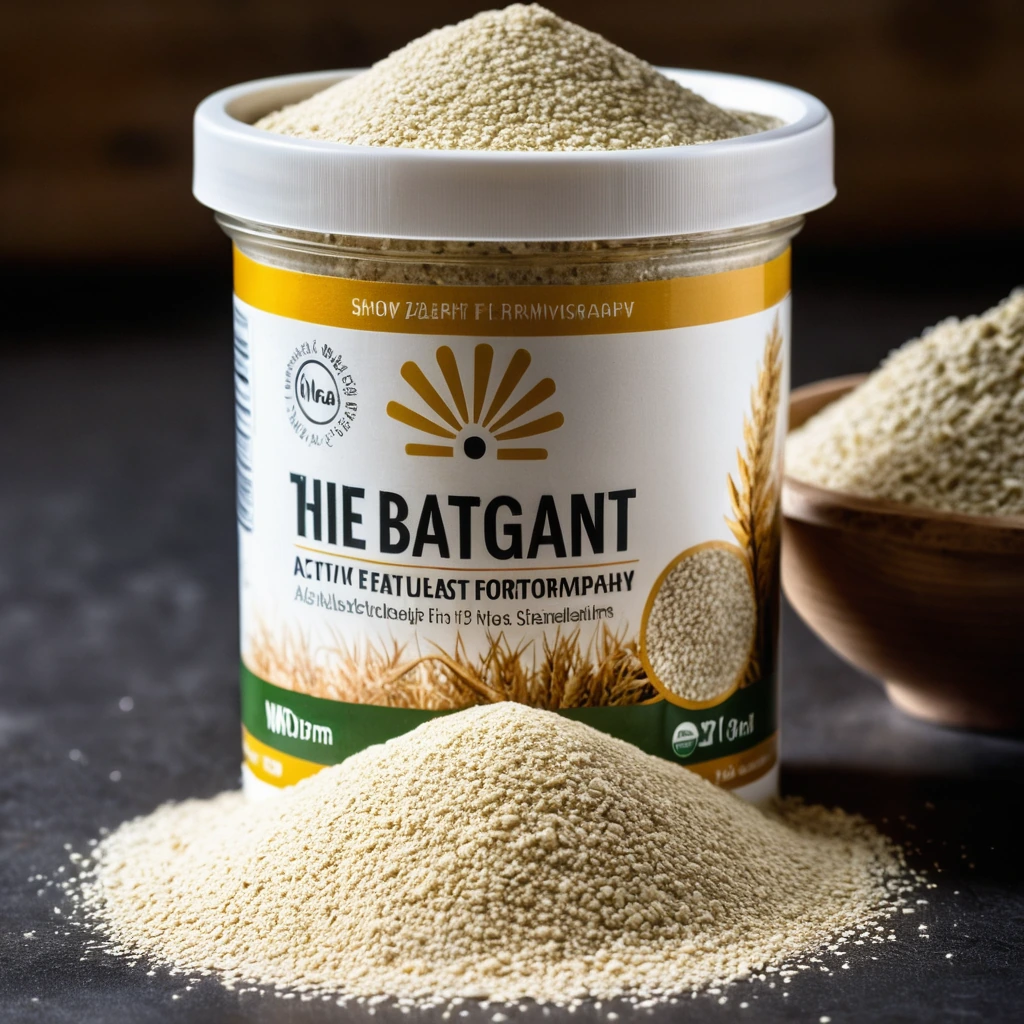
Active Dry Yeast
A fine, granulated leavening agent that brings baked goods to life with its gentle fermentation magic.
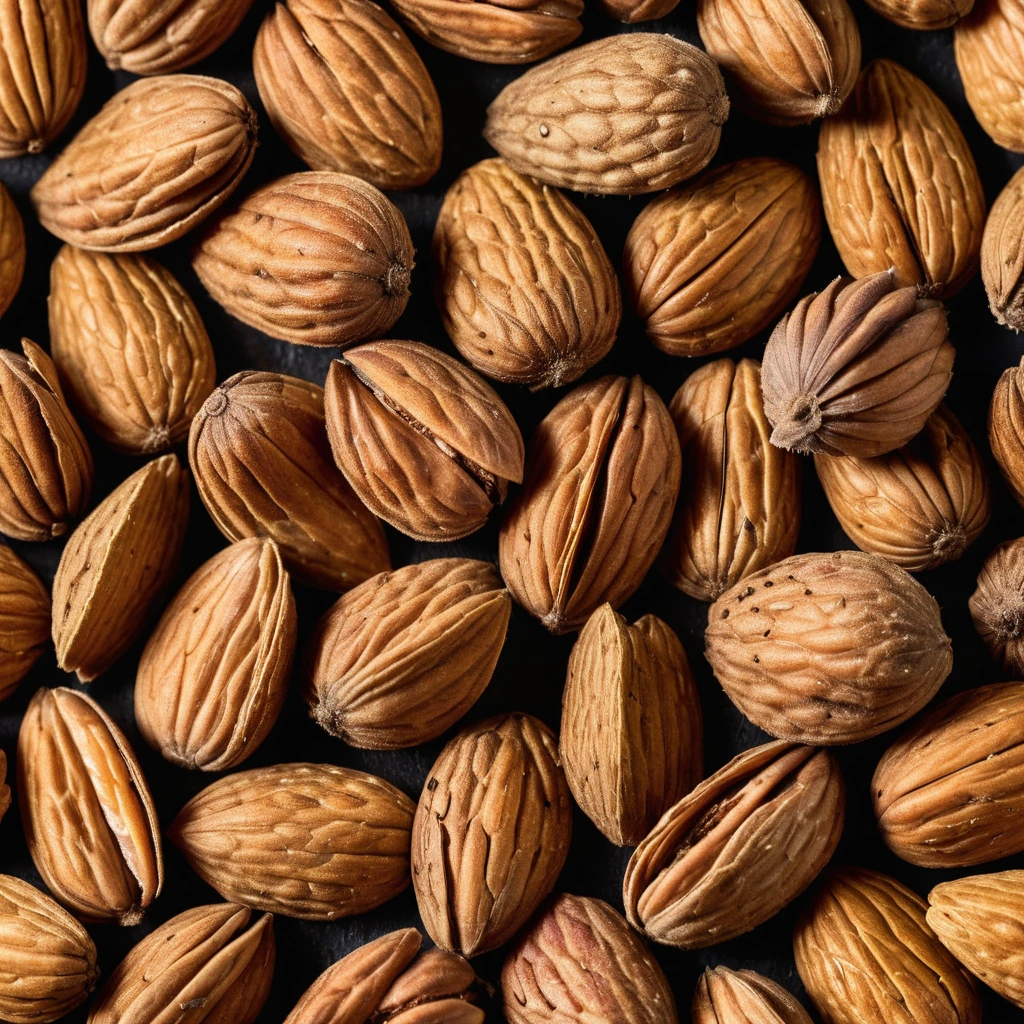
Almonds
With their golden-brown hue and delicate, edible skin, almonds are a crunchy delight. These versatile nuts boast a rich, buttery flavor that adds depth to both sweet and savory dishes.
Recipes to try
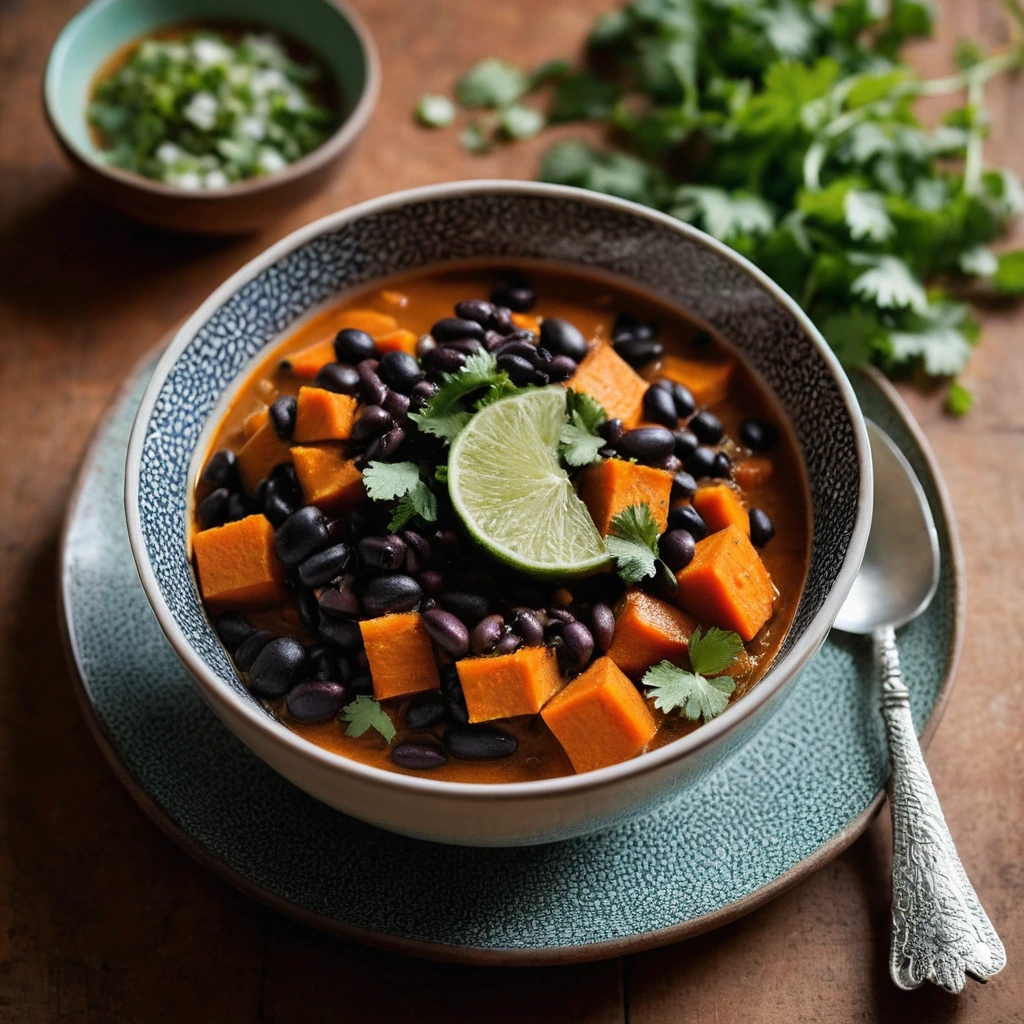
Smoky Sweet Potato and Black Bean Stew
Hearty and deeply flavorful, this stew is a comforting hug in a bowl with smoky spices and tender sweet potatoes.

Shrimp Alfredo Stuffed Pasta Shells
Creamy, cheesy alfredo sauce stuffed into plump pasta shells and topped with succulent shrimp—comfort food at its finest.