Flavor & Seasoning: Finishing with Fresh Herbs and Citrus
Enhancing the flavor of your dishes with fresh herbs and citrus is a simple yet transformative technique that can elevate even the most basic meal into something extraordinary. Fresh herbs and citrus add brightness, complexity, and a burst of freshness that can make all the difference. This technique is ideal for dishes that are almost ready to serve, allowing you to layer flavors with precision. Herbs like parsley, cilantro, basil, and dill, along with citrus like lemon, lime, and orange, each bring their unique aromatic profiles to the table. Knowing when and how to use them can turn your cooking into a culinary masterpiece. The key is to add these vibrant ingredients at the very end of the cooking process to preserve their delicate flavors and oils. This guide will walk you through selecting the best herbs and citrus, understanding their flavor profiles, and mastering the timing to ensure your dishes are as flavorful as they are fragrant. Whether you're finishing a soup, a grilled fish, or a simple pasta, this technique will leave your guests wondering what secret ingredient makes your cooking so special.
Notes
The science behind finishing with fresh herbs and citrus lies in their volatile oils and compounds that are easily lost with heat. Adding them at the end preserves these delicate flavors. A common mistake is adding herbs too early, which can result in a loss of aroma and color. To troubleshoot, always wait until the dish is off the heat before adding fresh components. Safety-wise, ensure all citrus is washed thoroughly to remove any wax or residue from the peel. For storage, herbs can be kept fresh longer by storing them in a jar with water like flowers, and citrus should be kept in a cool, dry place. This technique is perfect for last-minute enhancements, making it ideal for dishes prepared ahead of time that need a final touch before serving.
Steps
- 1 Select fresh, vibrant herbs and citrus that are free from blemishes or wilting.
- 2 Wash herbs gently under cold water and pat them dry with a clean towel.
- 3 Roll herbs like basil or cilantro into a tight cylinder and slice thinly across for a chiffonade.
- 4 Cut citrus fruits into wedges or supremes, removing any seeds.
- 5 Taste your dish to determine the balance of salt and acidity before adding herbs and citrus.
- 6 Sprinkle chopped herbs over your dish just before serving to preserve their color and flavor.
- 7 Garnish with citrus wedges or supremes for a pop of color and a burst of freshness.
- 8 For an extra zing, squeeze fresh citrus juice over the dish right before plating.
- 9 Adjust seasoning with a pinch of salt if needed to enhance the brightness of the herbs and citrus.
Ingredients to explore
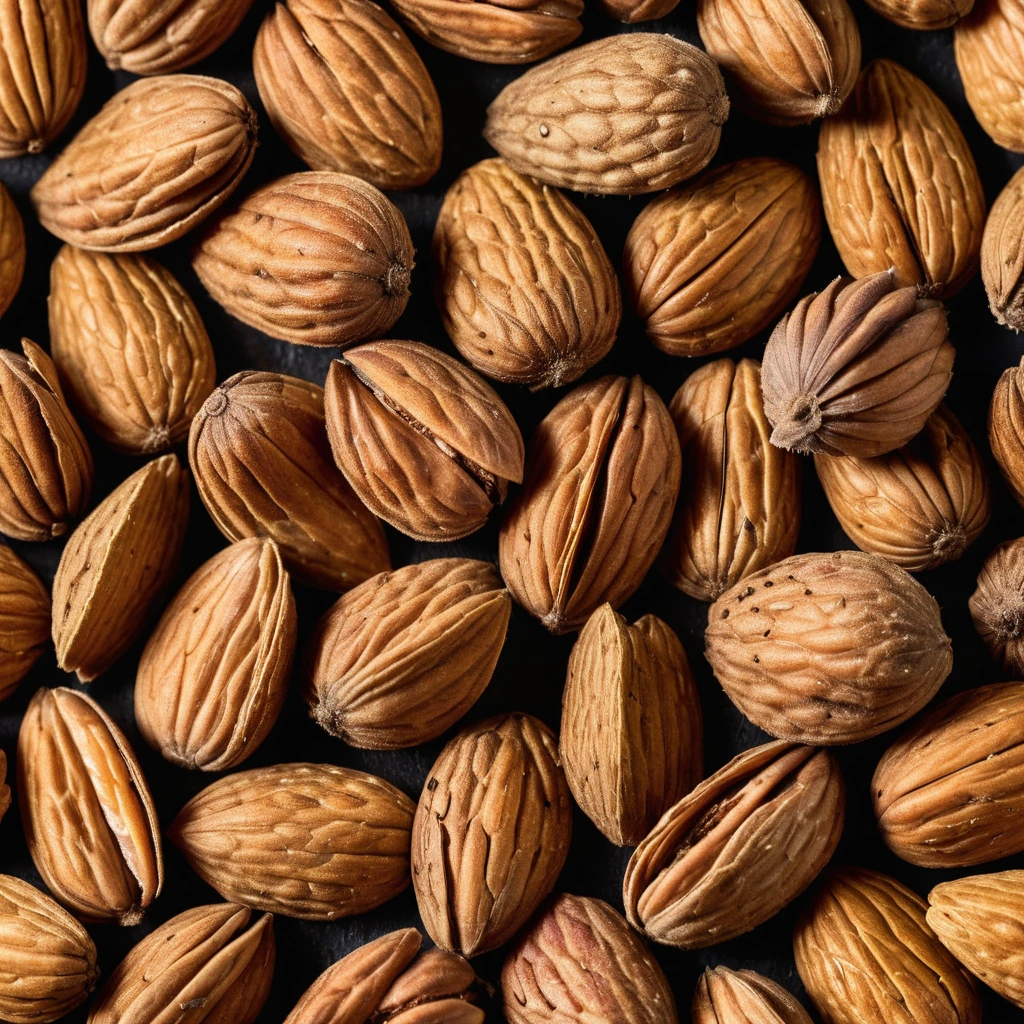
Almonds
With their golden-brown hue and delicate, edible skin, almonds are a crunchy delight. These versatile nuts boast a rich, buttery flavor that adds depth to both sweet and savory dishes.
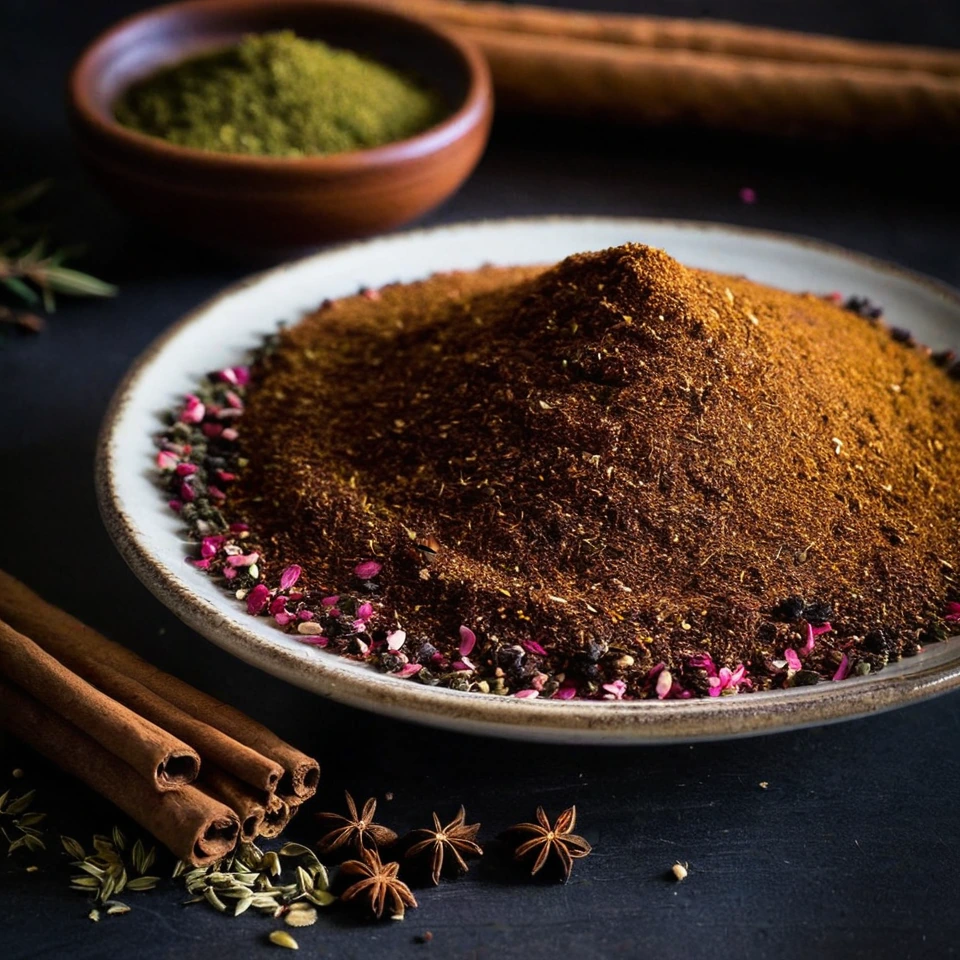
Advieh (Persian Spice Blend)
Advieh is a fragrant Persian spice blend that boasts a complex aroma of warm cinnamon, earthy cumin, and floral hints of rose and saffron. Its texture is finely ground, making it easy to incorporate into dishes. Originating from the rich culinary traditions of Iran, advieh adds depth and sophistication to both savory and sweet recipes. Its unique combination of spices reflects the historical spice trade routes that influenced Persian cuisine.
Recipes to try
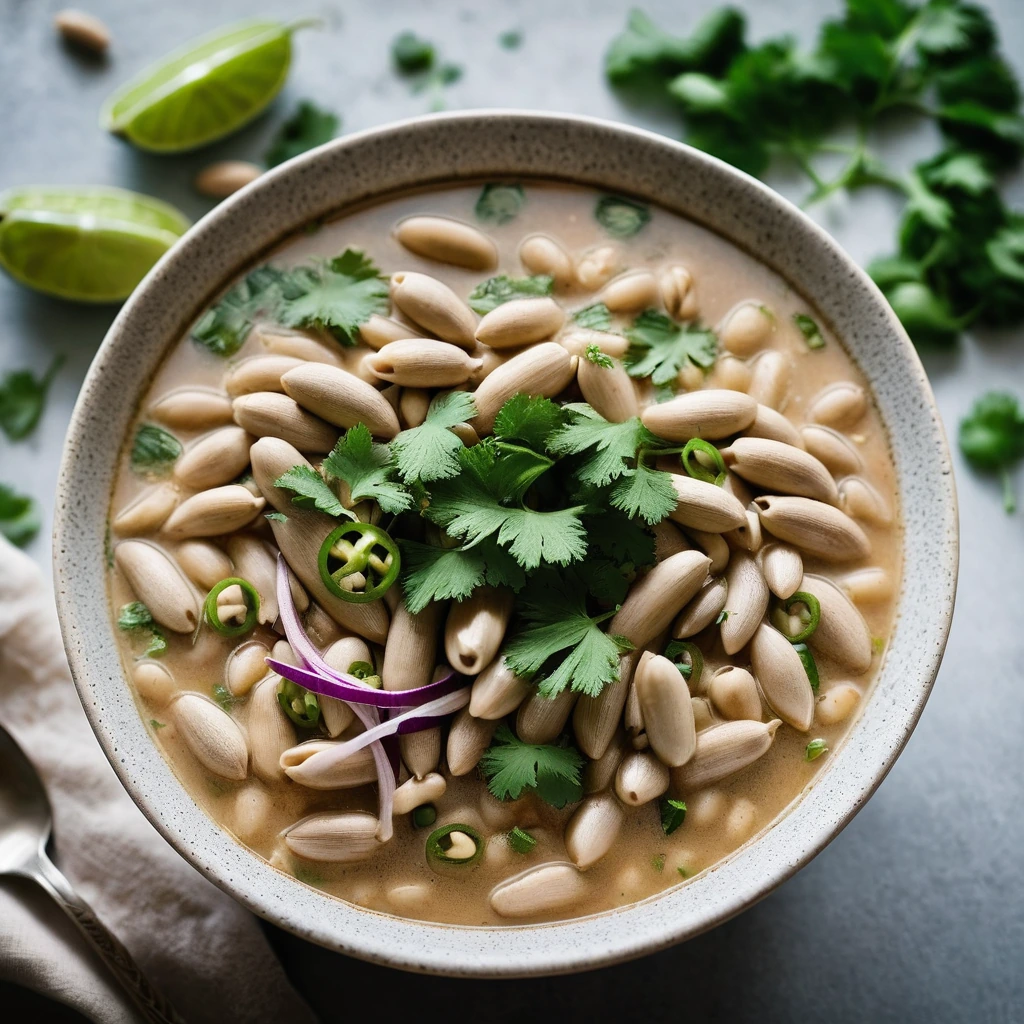
White Bean Chicken Chili with Green Chiles
A hearty, creamy chili brimming with tender chicken, buttery white beans, and a kick of smoky green chiles.
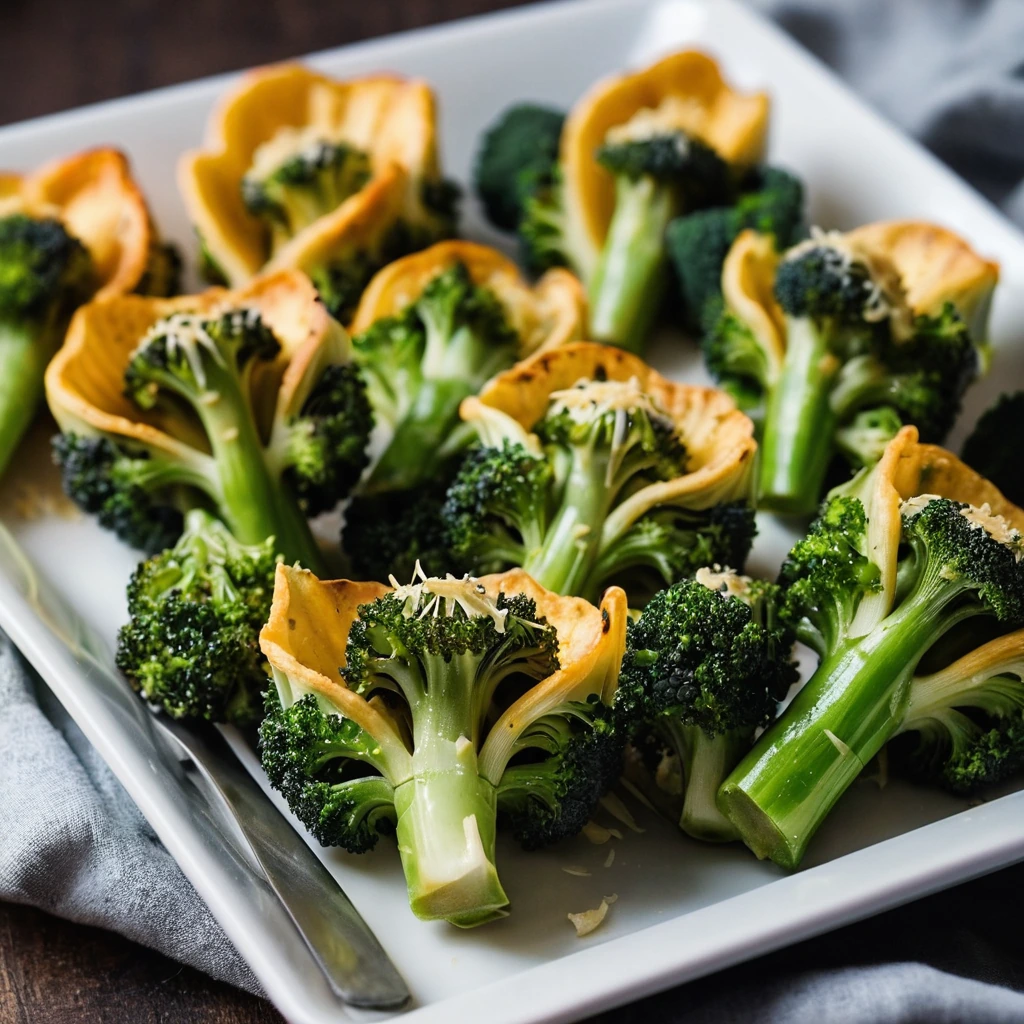
Roasted Broccoli and Cheddar Stuffed Shells
Creamy cheddar cheese and roasted broccoli unite in tender pasta shells for a veggie-packed, cheesy masterpiece.