Flavor: Managing Bitterness with Salt and Sweet
Bitterness can be a tricky flavor to navigate in cooking, often perceived as an undesirable taste. However, when managed correctly, bitterness can add depth and complexity to dishes. This technique focuses on balancing bitterness with salt and sweetness, two powerful tools in a home cook's arsenal. Salt, with its ability to enhance and suppress flavors simultaneously, can tone down bitterness without overpowering it. Meanwhile, sweetness can counteract bitterness directly, offering a harmonious balance. This guide will walk you through the science behind these flavor dynamics and provide practical steps to master the art of balancing bitterness in your cooking. Whether you're dealing with bitter greens, chocolate, or coffee, understanding how to manage bitterness can elevate your dishes to new heights. Let's dive into the chemistry and culinary techniques that will help you achieve perfect flavor balance every time.
Notes
The science behind balancing bitterness lies in how our taste buds perceive flavor. Salt can suppress bitterness by stimulating our salt receptors, effectively masking some of the bitter compounds. Sweetness works by directly counteracting bitterness, creating a more rounded flavor experience. When managing bitterness, it's crucial to add salt and sweetness incrementally to avoid overwhelming the dish. A common mistake is adding too much sweetness too quickly, which can lead to a cloying result. Safety isn't a major concern here, but always taste as you go to ensure balance. For make-ahead dishes, consider that bitterness can intensify upon refrigeration, so you may need to rebalance flavors before serving. Store balanced dishes in airtight containers for up to 3-4 days in the fridge.
Steps
- 1 Identify the bitter ingredient in your dish.
- 2 Taste a small portion to gauge the level of bitterness.
- 3 Start by adding a pinch of salt to the dish and taste again.
- 4 Gradually add more salt in small increments until bitterness is reduced.
- 5 Incorporate a touch of sweetness with sugar, honey, or maple syrup.
- 6 Balance the sweetness carefully to avoid overpowering the dish.
- 7 Consider adding acidic elements like lemon juice or vinegar for additional balance.
- 8 Reassess the flavor balance and adjust as needed.
- 9 Finish with fresh herbs or spices to enhance the overall flavor profile.
Ingredients to explore
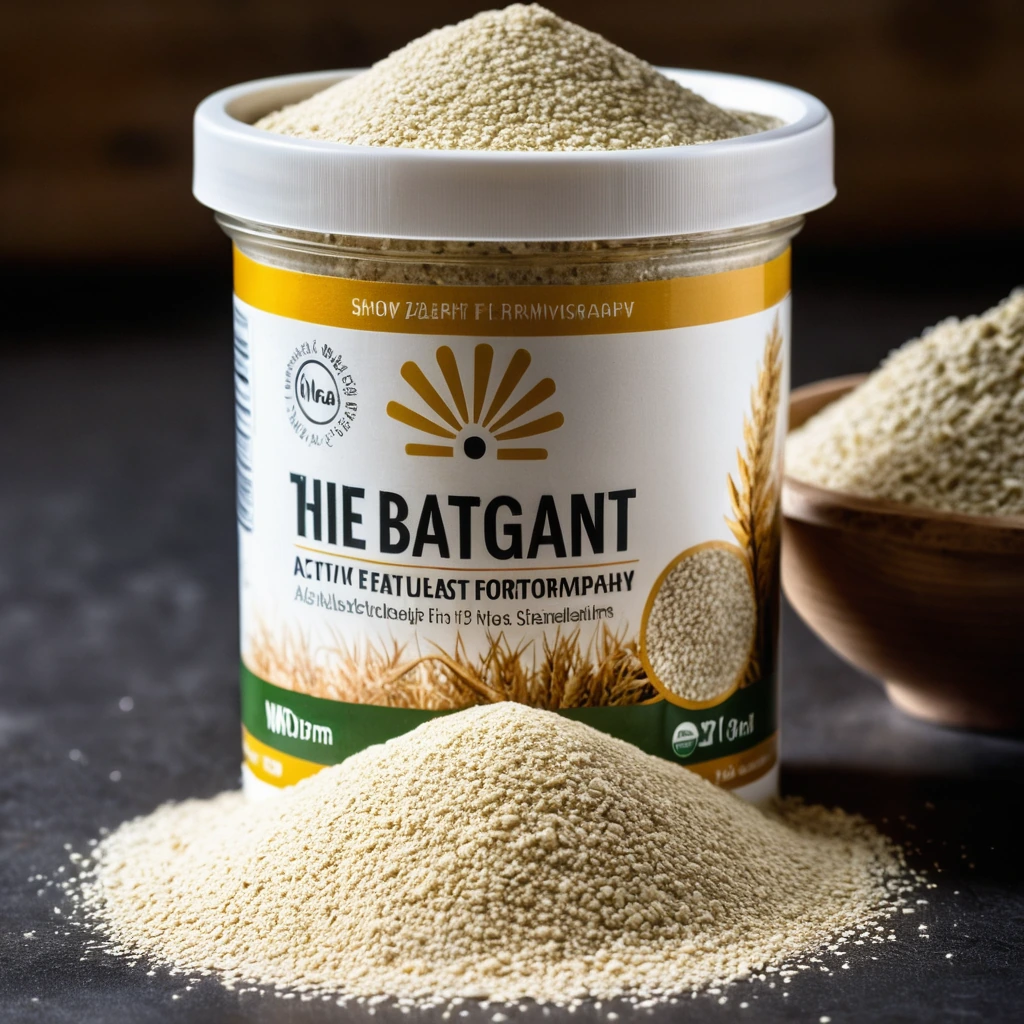
Active Dry Yeast
A fine, granulated leavening agent that brings baked goods to life with its gentle fermentation magic.
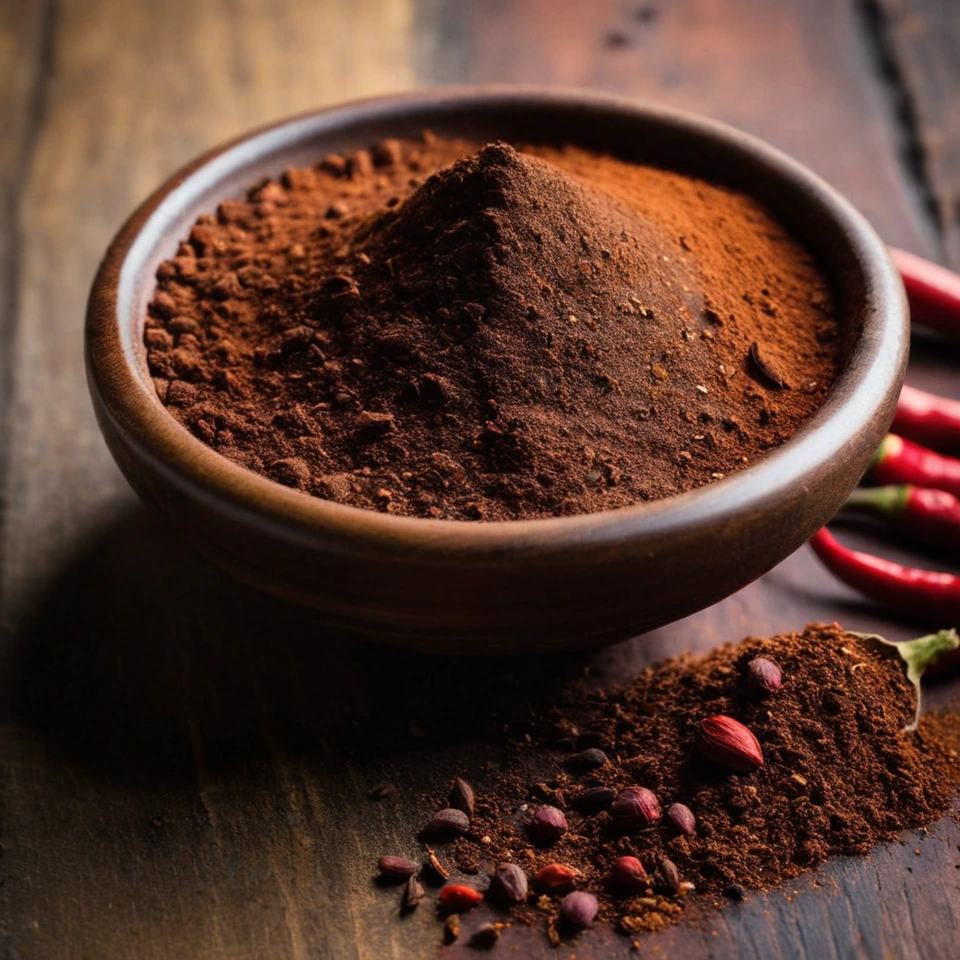
Ancho Chili Powder
Ancho chili powder offers a deep, smoky sweetness with hints of dried fruit and cocoa, reminiscent of its origin as dried poblano peppers from Mexico. Its aroma is warm and inviting, with a mild heat that lingers gently. The texture is fine and velvety, making it easy to incorporate into a variety of dishes. This powder is prized for its ability to add complexity without overwhelming spice, ideal for enriching both traditional Mexican moles and contemporary global cuisines.
Recipes to try

Maple Pecan Bread Pudding with Vanilla Sauce
Warm, spiced bread pudding drizzled with maple syrup and crunchy pecans, served with a silky vanilla sauce.
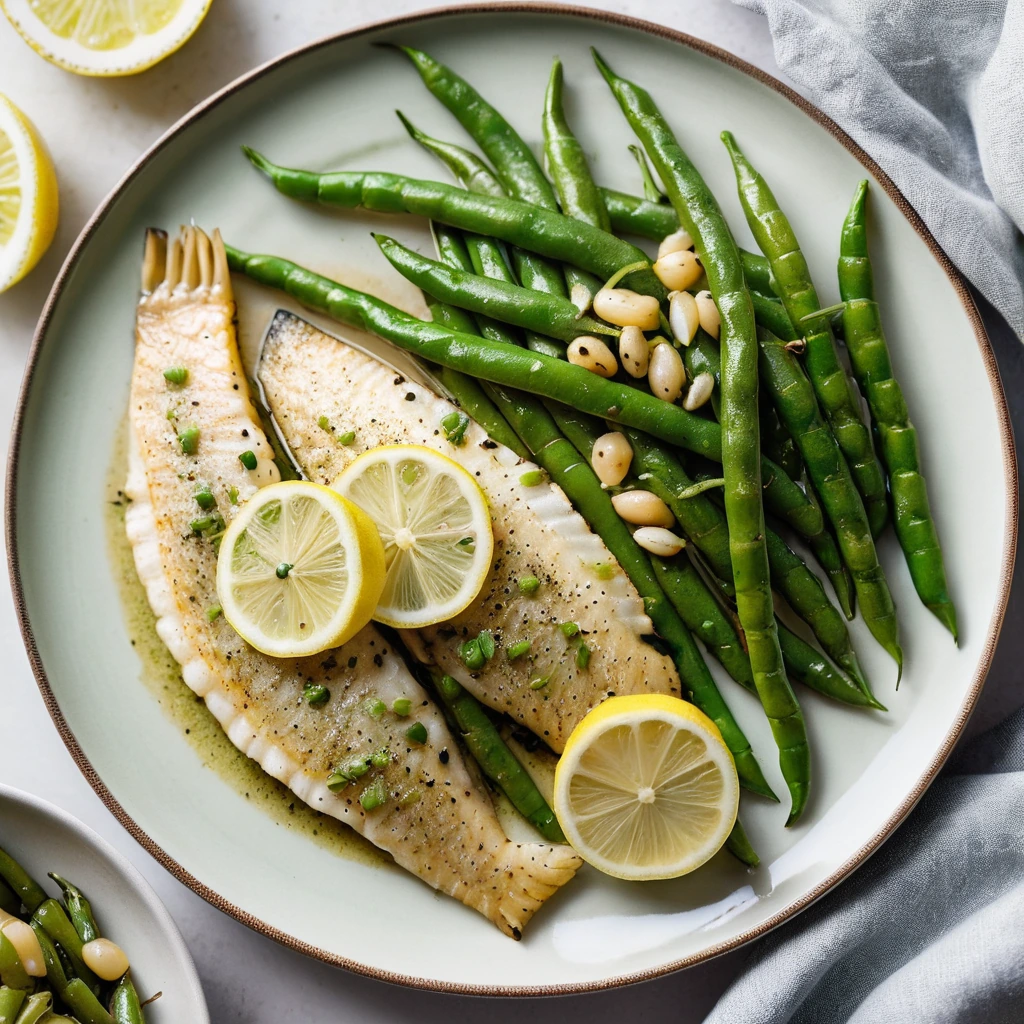
Lemon Pepper Tilapia with Garlic Green Beans
Zesty lemon pepper tilapia fillets served with garlicky, tender-crisp green beans make for a bright and satisfying weeknight meal.