Flavor: Layering Heat with Fresh and Dried Chiles
Unlocking the full potential of chiles in your cooking requires understanding the nuanced differences between fresh and dried varieties. Fresh chiles offer a vibrant, immediate heat with a crisp, vegetal quality, while dried chiles bring a deeper, smokier flavor profile that intensifies with rehydration. By combining both, you can create layers of heat and complexity in your dishes. This technique is ideal for salsas, stews, and rubs, offering a balanced interplay of fresh and dried chile characteristics. Fresh chiles like jalapeños or serranos can brighten a dish with their moisture and green notes, while dried chiles such as ancho or guajillo add richness and depth. Learning to layer these flavors can elevate your cooking, giving you control over the intensity and type of heat you desire. Understanding the unique qualities of each type of chile and how they interact is key to mastering this technique. Whether you're aiming for a gentle warmth or a fiery kick, the art of layering fresh and dried chiles is a versatile tool in any home cook's arsenal.
Notes
The science behind layering fresh and dried chiles lies in their capsaicin content and how it's released. Fresh chiles deliver a quick capsaicin hit due to their higher moisture content, while dried chiles offer a slower, more sustained release. Troubleshooting common mistakes includes being cautious of seed and membrane removal to control heat levels and ensuring dried chiles are fully rehydrated to avoid a gritty texture. Safety is paramount when handling chiles; always wear gloves to protect your skin and avoid touching your face. For make-ahead and storage, consider incorporating chiles into pastes or sauces and store them in airtight containers in the fridge for up to a week or freeze for longer storage.
Steps
- 1 Select fresh chiles based on desired heat level and flavor profile.
- 2 Wash fresh chiles thoroughly under cool running water.
- 3 Stem fresh chiles and slice, seed if less heat is desired.
- 4 Choose dried chiles that complement the fresh ones in flavor and heat.
- 5 Rehydrate dried chiles by soaking in warm water for 20-30 minutes.
- 6 Drain and pat dry the rehydrated chiles, removing stems and seeds as needed.
- 7 Toast rehydrated chiles in a dry skillet over medium heat for 1-2 minutes per side to enhance flavor.
- 8 Combine fresh and dried chiles in your recipe, adjusting quantities to balance heat levels.
- 9 Taste and adjust seasoning, adding more fresh or dried chiles as necessary for desired heat.
- 10 Allow dishes to rest to let the chile flavors meld and mature.
Ingredients to explore
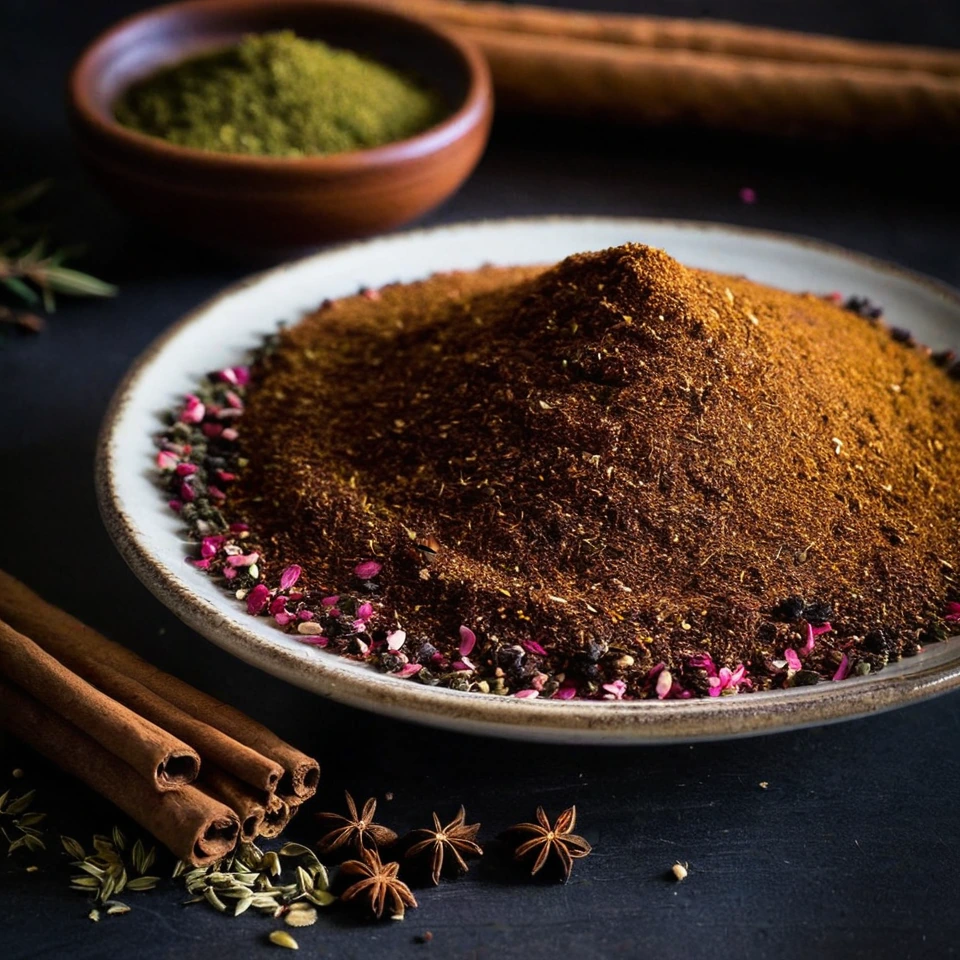
Advieh (Persian Spice Blend)
Advieh is a fragrant Persian spice blend that boasts a complex aroma of warm cinnamon, earthy cumin, and floral hints of rose and saffron. Its texture is finely ground, making it easy to incorporate into dishes. Originating from the rich culinary traditions of Iran, advieh adds depth and sophistication to both savory and sweet recipes. Its unique combination of spices reflects the historical spice trade routes that influenced Persian cuisine.
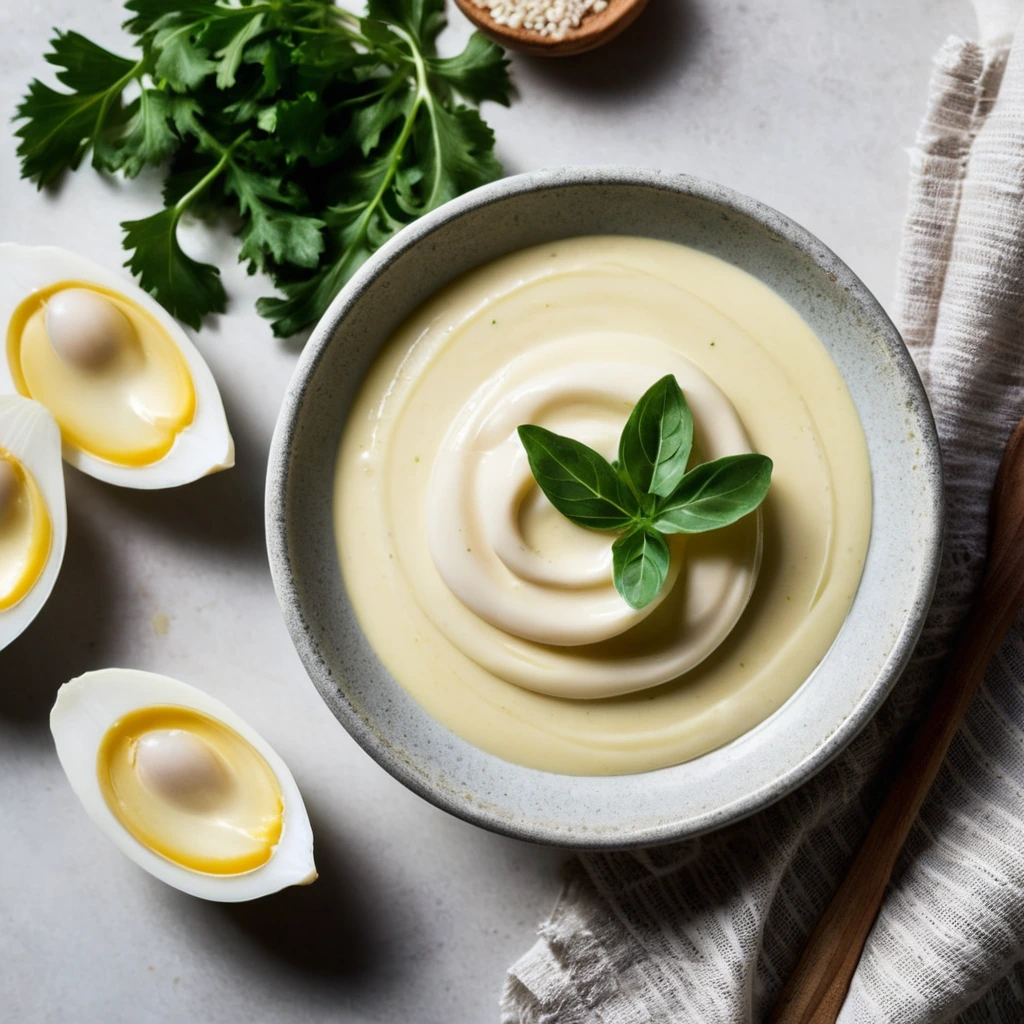
Aioli
A luscious, velvety emulsion of garlic and olive oil, aioli is a rich and aromatic sauce that dances on the palate with its creamy texture and bold, pungent flavor.
Recipes to try
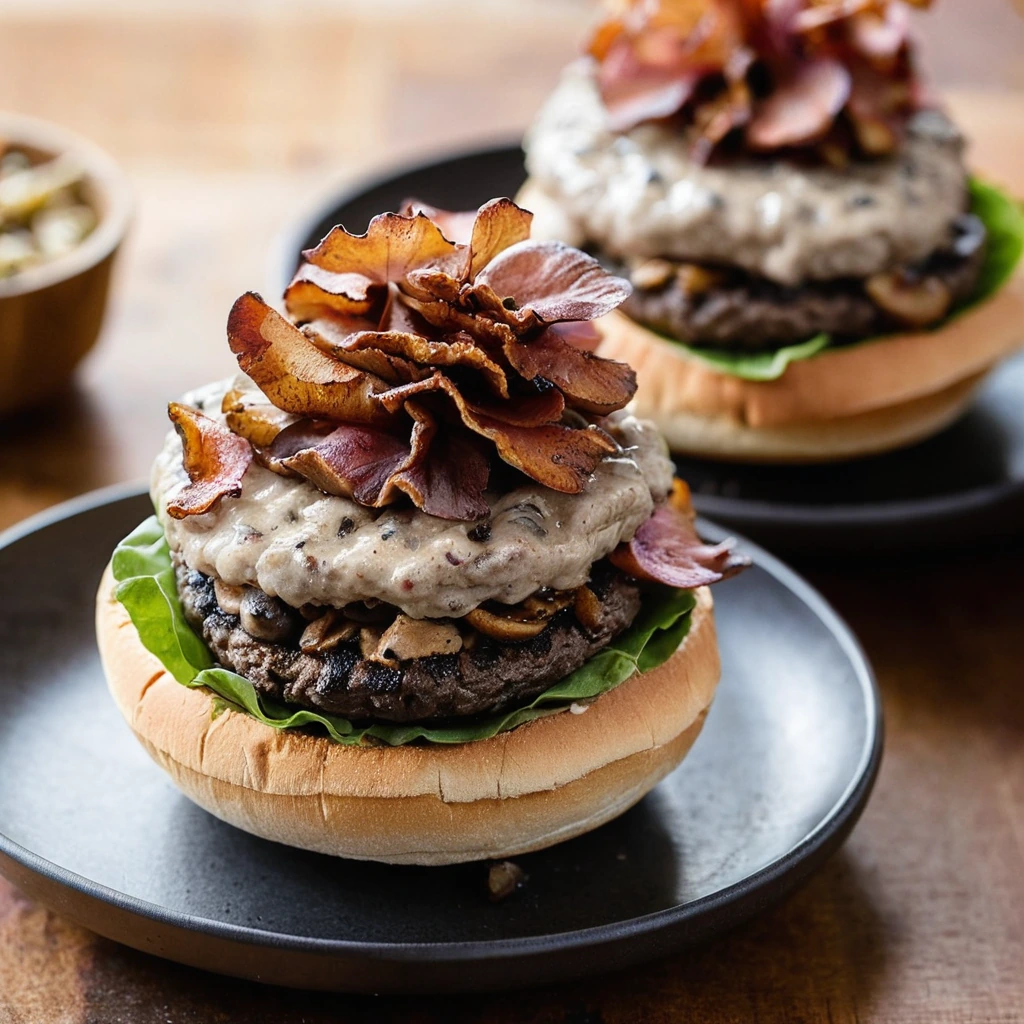
Maple Bacon Mushroom Burger Bowls
Sweet, smoky, and savory come together in these hearty bowls, where juicy burger patties meet crispy bacon and earthy mushrooms.
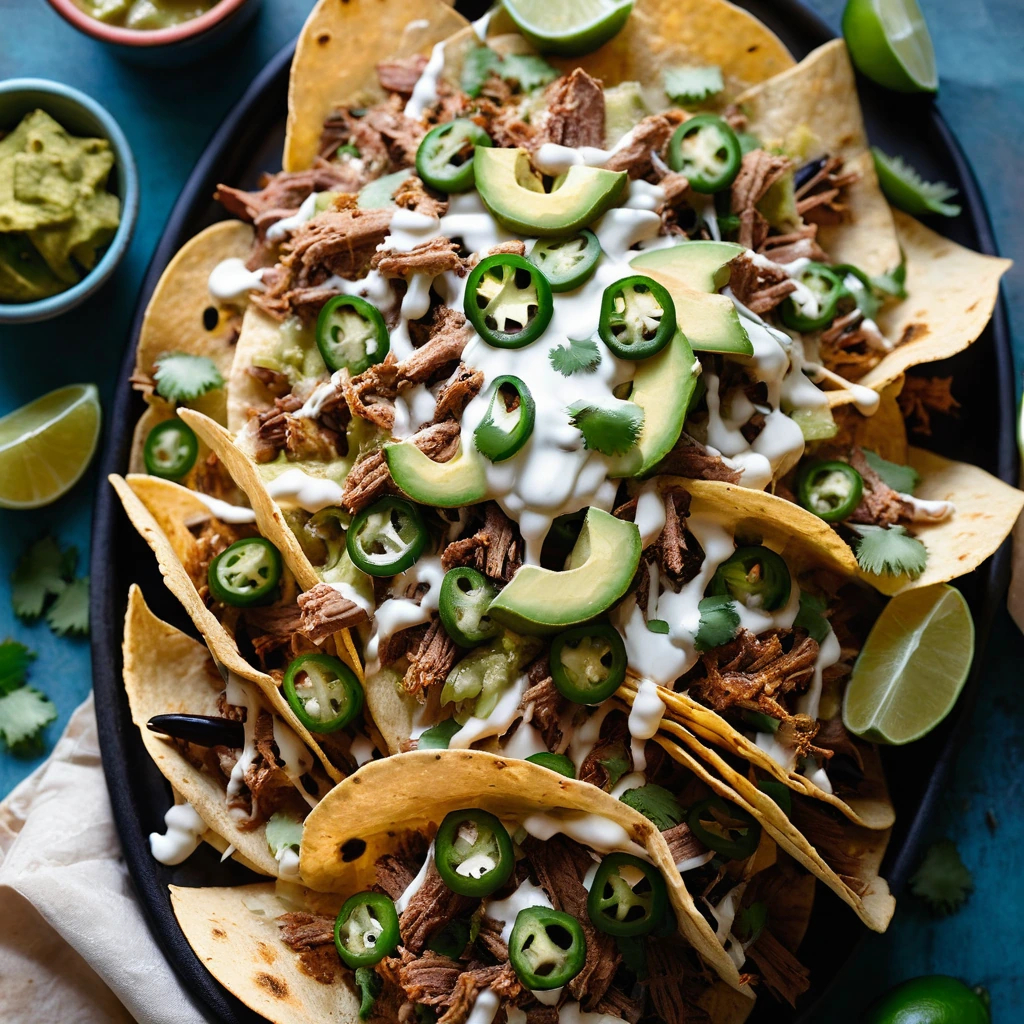
Pork Carnitas Nachos with Queso and Jalapeños
Crispy tortilla chips smothered in tender pork carnitas, melty queso, and zesty jalapeños for a fiesta in your mouth.