Flavor: Finishing with Acid - Vinegars and Citrus
Finishing a dish with an acid is a classic technique used to brighten and balance flavors. Acidic ingredients like vinegars and citrus fruits add a zesty kick that can elevate even the most ordinary meals. The sharp tang of lemon juice or the complex notes of a balsamic reduction can transform a dish from mundane to magnificent. Acids cut through richness, refresh the palate, and enhance the perception of other flavors. This technique is particularly effective for proteins, vegetables, and even desserts. Understanding how to use acid effectively can turn home cooking into an art form. The key is to add the acid at the very end of cooking, after the dish has been seasoned and plated, to preserve its vibrant character. Timing is crucial because prolonged heat can degrade the volatile compounds that give acids their distinctive taste. Furthermore, the choice of acid can greatly influence the final flavor profile of the dish. From the mild tartness of a lime to the robust depth of red wine vinegar, each acid brings its unique personality to the table. Experiment with different acids to discover their effects and how they complement your culinary creations. Remember, a little goes a long way, and subtlety is often more effective than overwhelming acidity.
Notes
The science behind finishing with acid lies in its ability to stimulate taste receptors and enhance the perception of other flavors. Common mistakes include adding too much acid or incorporating it too early in the cooking process, which can lead to a loss of its vibrant qualities. To avoid overpowering your dish, always start with small amounts and taste as you go. Keep in mind that different acids have varying intensities; for instance, lemon juice is milder than lime, and apple cider vinegar is less assertive than balsamic. Safety is generally not a concern with this technique, but ensure any homemade reductions reach a rolling boil to destroy potential bacteria. For make-ahead dishes, wait to add the acid until just before serving to maintain its potency. Store leftover acids in airtight containers in a cool, dark place to preserve their quality.
Steps
- 1 Taste your dish to assess its current flavor balance.
- 2 Select an appropriate acid based on the dish's flavor profile.
- 3 Choose fresh citrus or high-quality vinegar for the best results.
- 4 Cut the citrus into wedges or squeeze to extract fresh juice.
- 5 If using vinegar, consider a reduction for a more intense flavor.
- 6 Add the acid sparingly, starting with just a teaspoon or a small squeeze.
- 7 Taste again after each addition to monitor the flavor balance.
- 8 Adjust seasoning if necessary, as acid can accentuate saltiness.
- 9 Drizzle or sprinkle the acid over the finished dish just before serving.
- 10 Observe how the acid interacts with the dish's textures and flavors.
Ingredients to explore
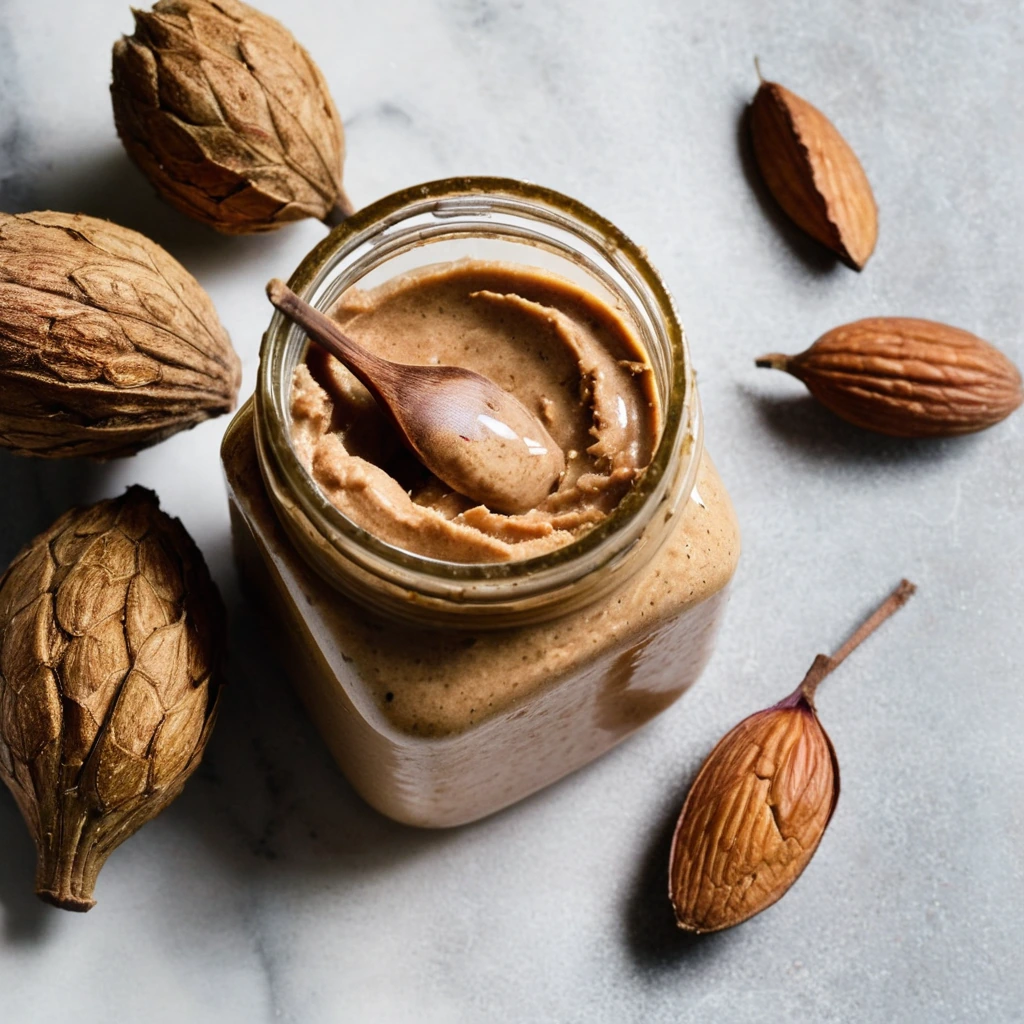
Almond Butter
A velvety, nutty spread crafted from finely ground almonds, offering a rich and satisfying flavor that's both comforting and indulgent.
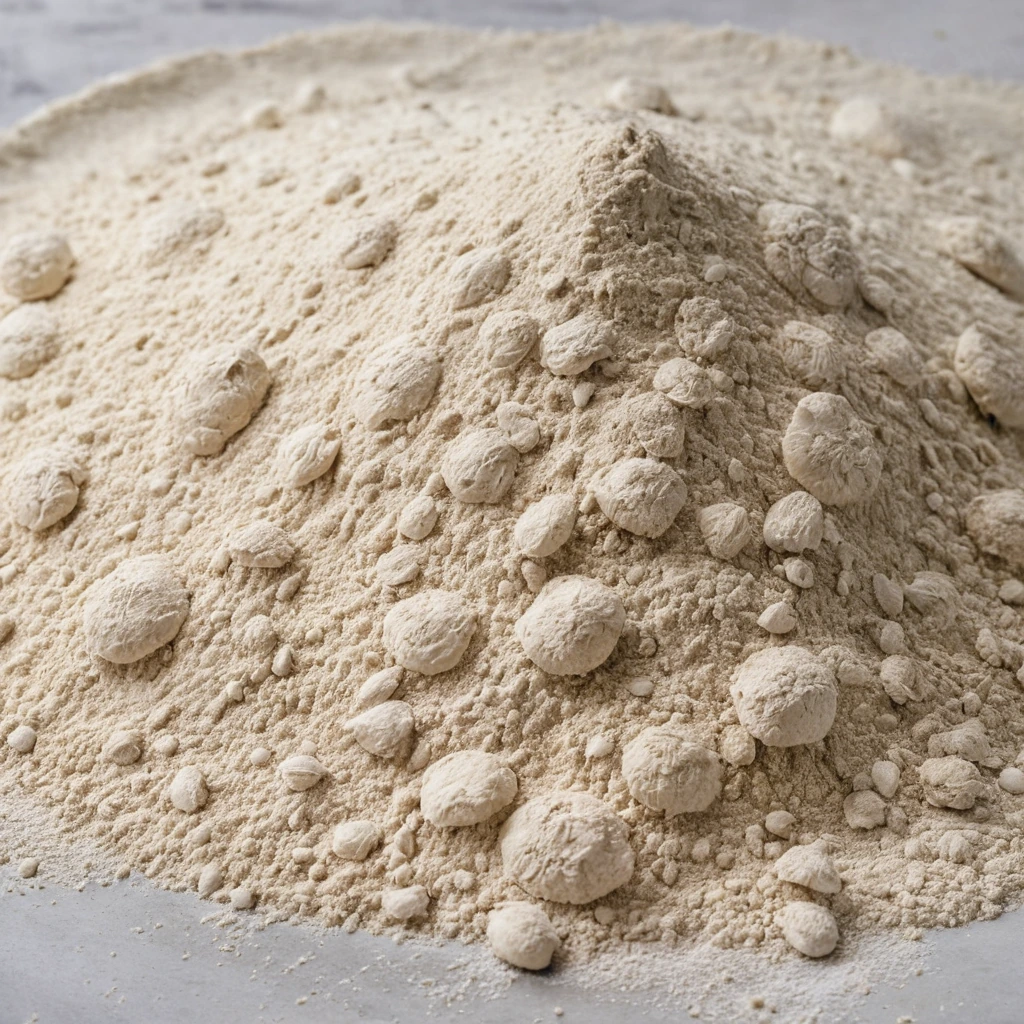
00 Pizza Flour
00 pizza flour is a finely milled Italian flour prized for its versatility in creating authentic Neapolitan-style pizza crusts. Originating from Italy, it is milled to a very fine consistency, which is reflected in its name, 'doppio zero,' indicating its fine grind. This flour has a balanced flavor profile, offering a mild, slightly sweet taste with a subtle nuttiness. Its texture is silky and smooth, contributing to a tender yet chewy crust when used in pizza making. In cooking, 00 pizza flour is known for its ability to hydrate quickly and develop a desirable gluten structure, resulting in a light and airy crust that can withstand high-heat cooking without becoming overly crispy or hard.
Recipes to try

Peanut Butter Chocolate Chip Baked Oat Cups
These oat cups are a cozy hug in every bite, with gooey chocolate chips and a rich peanut butter swirl that makes mornings worth waking up for.
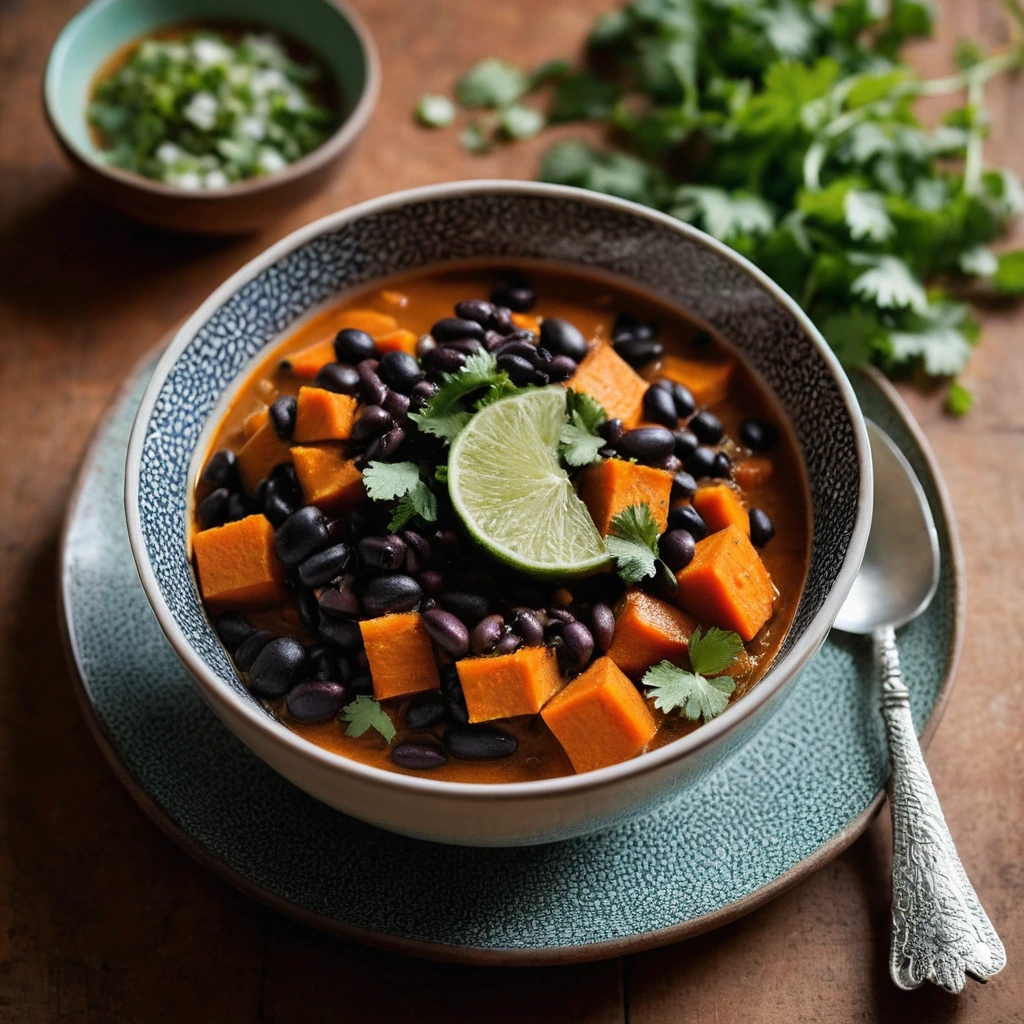
Smoky Sweet Potato and Black Bean Stew
Hearty and deeply flavorful, this stew is a comforting hug in a bowl with smoky spices and tender sweet potatoes.