Everyday Baking: Refreshing Day-Old Bread in the Oven
Reviving day-old bread might sound like culinary alchemy, but it's actually a simple technique that can breathe new life into yesterday's loaf. Whether you've got crusty baguettes, ciabatta, or your favorite artisanal sourdough, the oven is your secret weapon for restoring that fresh-from-the-baker texture and aroma. The process is straightforward yet transformative, employing a bit of heat and moisture to work wonders. As bread ages, it loses moisture and stales due to the retrogradation of starch, leading to that undesirable firmness. By reintroducing a small amount of water and applying heat, you can reverse this process, coaxing the starches to reabsorb moisture and the crust to regain its crispness. This technique is not just about making your bread palatable again; it's about recapturing that delightful experience of biting into a warm, just-baked loaf. Here, we'll delve into the specifics of how to achieve this rejuvenation with ease and precision. From understanding the science behind staling to the practical steps needed to restore your bread, this guide will ensure you get the most out of your loaf, minimizing waste and maximizing enjoyment.
Notes
The science behind this technique is simple yet fascinating. As bread stales, the starch molecules crystallize, making the bread hard and dry. The moisture from the spray helps break these bonds, while the oven's heat evaporates excess water and crisps the crust. To troubleshoot, if your bread seems overly dry, consider increasing the misting or extending the baking time slightly. However, avoid over-baking, which can lead to a tough texture. For safety, ensure your oven mitts are oven-safe and always use caution with hot surfaces. This technique is ideal for immediate consumption, but if you have leftovers, store them in an airtight bag to maintain freshness. Making this a routine can drastically reduce bread waste in your household.
Steps
- 1 Preheat your oven to 350°F.
- 2 Place the day-old bread on a wire rack set over a baking sheet.
- 3 Lightly mist the bread with water using a spray bottle; aim for a slight sheen, not a puddle.
- 4 If desired, brush the surface with water for extra moisture.
- 5 Bake the bread for 8-10 minutes.
- 6 Check the bread for warmth and a slightly crisp crust; adjust baking time if necessary.
- 7 Remove the bread from the oven and let it rest for 2-3 minutes on the wire rack.
- 8 Slice and serve immediately for the best texture and flavor.
Ingredients to explore
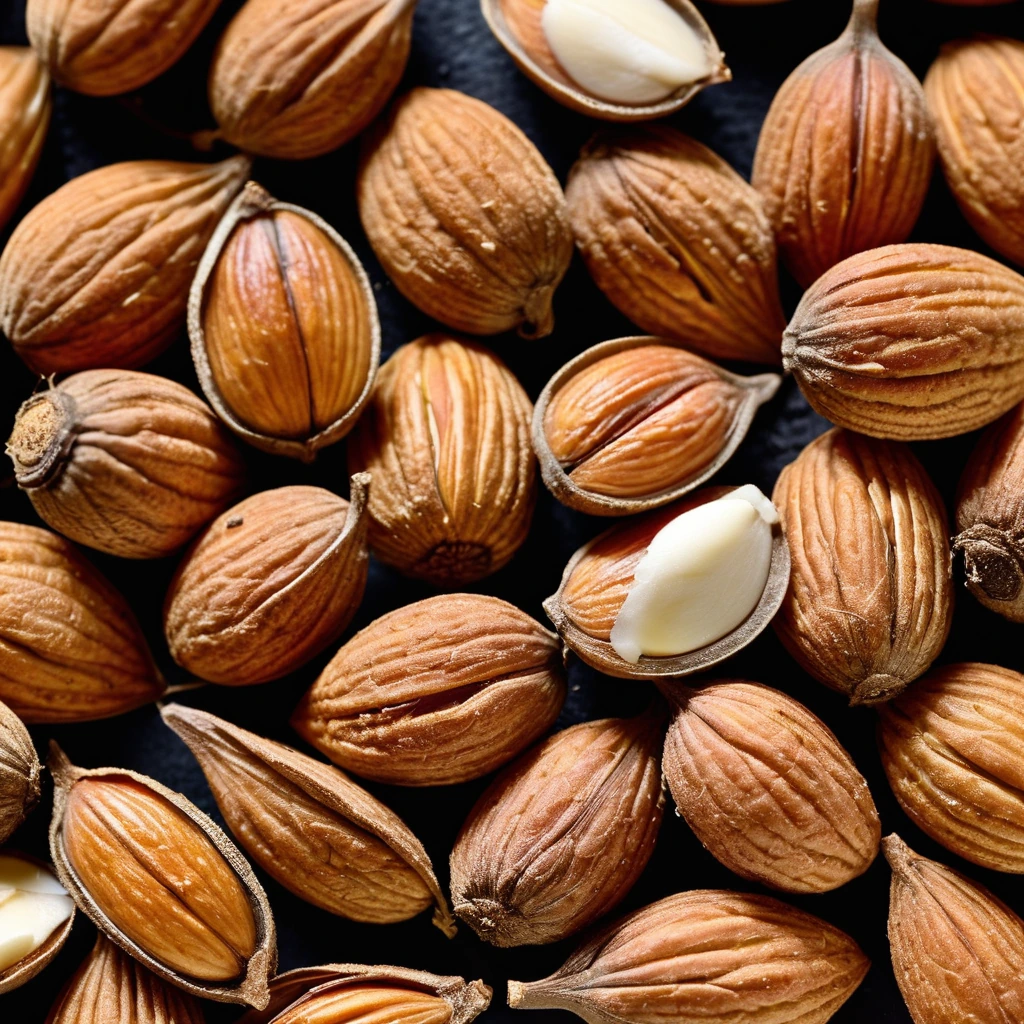
Almond Extract
A fragrant, golden elixir that captures the essence of freshly ground almonds, almond extract is a pantry staple that brings a rich, nutty aroma to your culinary creations.
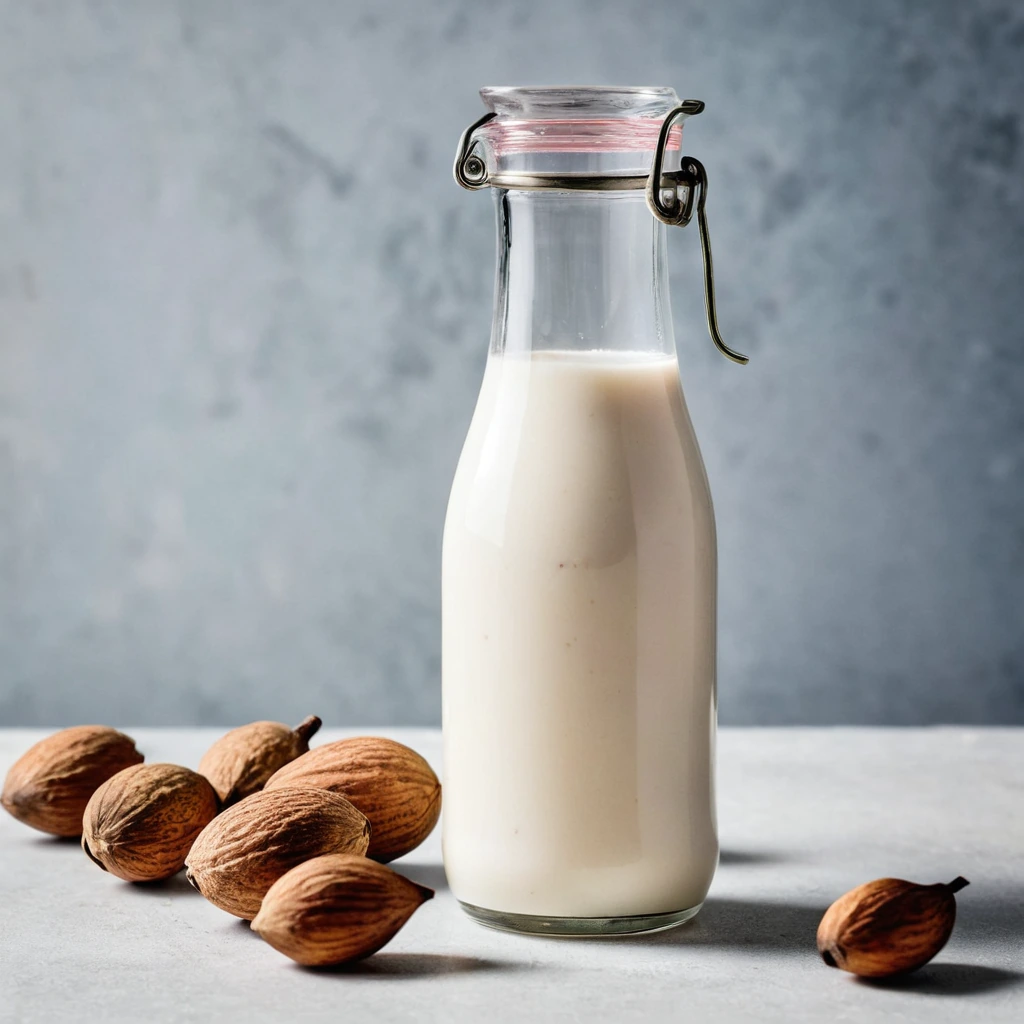
Almond Milk
Almond milk is a plant-based milk alternative made from ground almonds and water. Originating from traditional recipes in medieval Europe and the Middle East, it has gained widespread popularity in modern times as a dairy-free option. Almond milk has a subtly nutty flavor with a mild sweetness, and its aroma is reminiscent of fresh almonds. Its texture is smooth and creamy, though typically lighter than dairy milk. In cooking, almond milk behaves well in both savory and sweet applications, though it does not brown or caramelize like dairy milk. It is often used in cereals, smoothies, and baking, where its delicate flavor complements rather than overpowers other ingredients.
Recipes to try

Maple Sausage and Cheddar Breakfast Biscuits
Golden, flaky biscuits stuffed with savory maple sausage and melted sharp cheddar—it's a hearty breakfast hug in every bite.
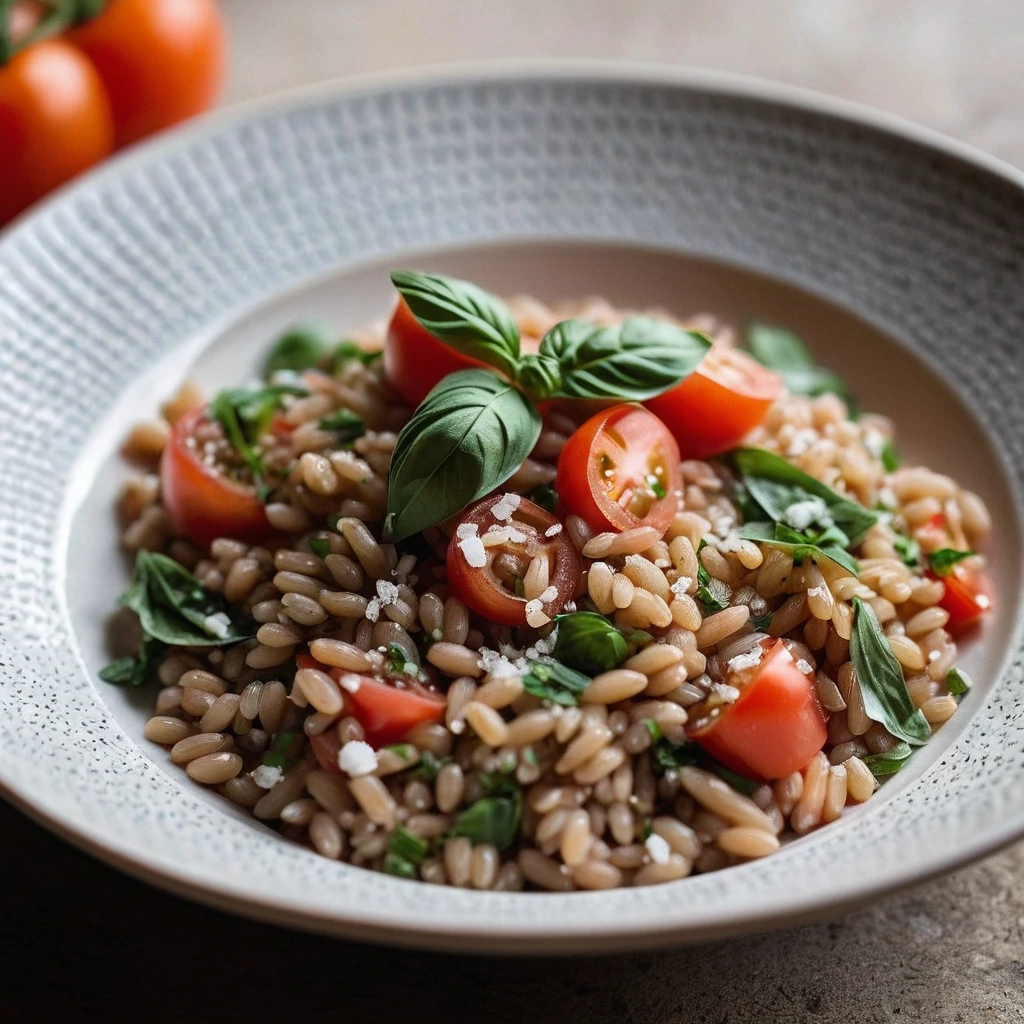
Tomato Basil Parmesan Farro Risotto
Creamy farro risotto kissed with fresh basil and sun-ripened tomatoes, topped with a generous sprinkle of Parmesan.