Everyday Baking: Adjusting Baking Time for Different Pan Sizes
When you dive into the world of baking, you'll often encounter recipes designed for specific pan sizes. But what happens when you don't have the exact pan called for? Fear not, home bakers! Adjusting baking time for different pan sizes is a skill that ensures your treats turn out perfectly, whether you're using a smaller loaf tin or a wider cake pan. The key lies in understanding how pan size impacts heat distribution and cooking time. Smaller pans generally require less time as they allow for quicker heat penetration, while larger pans may need more time to cook through. Factors like oven temperature, batter depth, and even the material of the pan play crucial roles. By mastering these adjustments, you can confidently experiment with your bakeware and still achieve mouthwatering results. Let’s dive into the science and practical tips to tweak your baking times, ensuring your cakes rise just right and your cookies bake to golden perfection.
Notes
Understanding how pan sizes affect baking is rooted in the science of heat transfer. Smaller pans expose more surface area to oven heat, leading to quicker cooking times. Conversely, larger pans hold more batter, requiring additional time for heat to penetrate fully. A common mistake is not adjusting oven temperature; sometimes lowering the temperature by 25°F for larger pans can prevent over-browning while ensuring the inside cooks thoroughly. Always consider the material of your pan, as metal conducts heat differently than glass or ceramic. For make-ahead planning, most baked goods can be stored in airtight containers for up to three days. For longer storage, wrap tightly and freeze for up to three months.
Steps
- 1 Preheat your oven to the temperature specified in the original recipe.
- 2 Measure the depth of your batter in the new pan using a ruler.
- 3 Compare the depth to the original recipe’s pan depth.
- 4 If using a smaller pan, reduce the baking time by 10-15%.
- 5 If using a larger pan, increase the baking time by 10-15%.
- 6 Set a timer for 75% of the adjusted baking time.
- 7 Check for doneness by inserting a toothpick into the center; it should come out clean.
- 8 If needed, continue baking in increments of 5 minutes, checking each time.
- 9 Rotate the pan halfway through baking to ensure even browning.
- 10 Adjust oven rack position if baking multiple pans to maintain consistent heat distribution.
- 11 Keep an eye on your bake to prevent over-browning; tent with foil if necessary.
- 12 Once done, let your creation rest in the pan for 5-10 minutes before transferring to a wire rack to cool completely.
Ingredients to explore
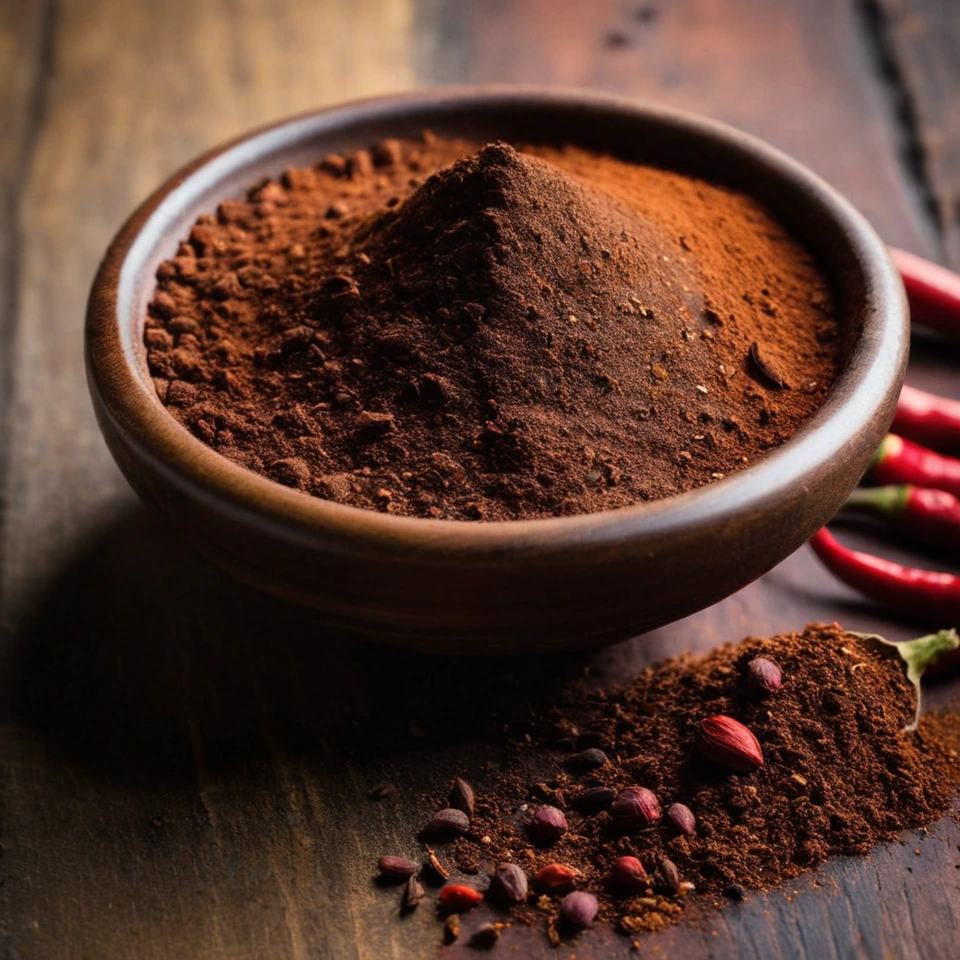
Ancho Chili Powder
Ancho chili powder offers a deep, smoky sweetness with hints of dried fruit and cocoa, reminiscent of its origin as dried poblano peppers from Mexico. Its aroma is warm and inviting, with a mild heat that lingers gently. The texture is fine and velvety, making it easy to incorporate into a variety of dishes. This powder is prized for its ability to add complexity without overwhelming spice, ideal for enriching both traditional Mexican moles and contemporary global cuisines.
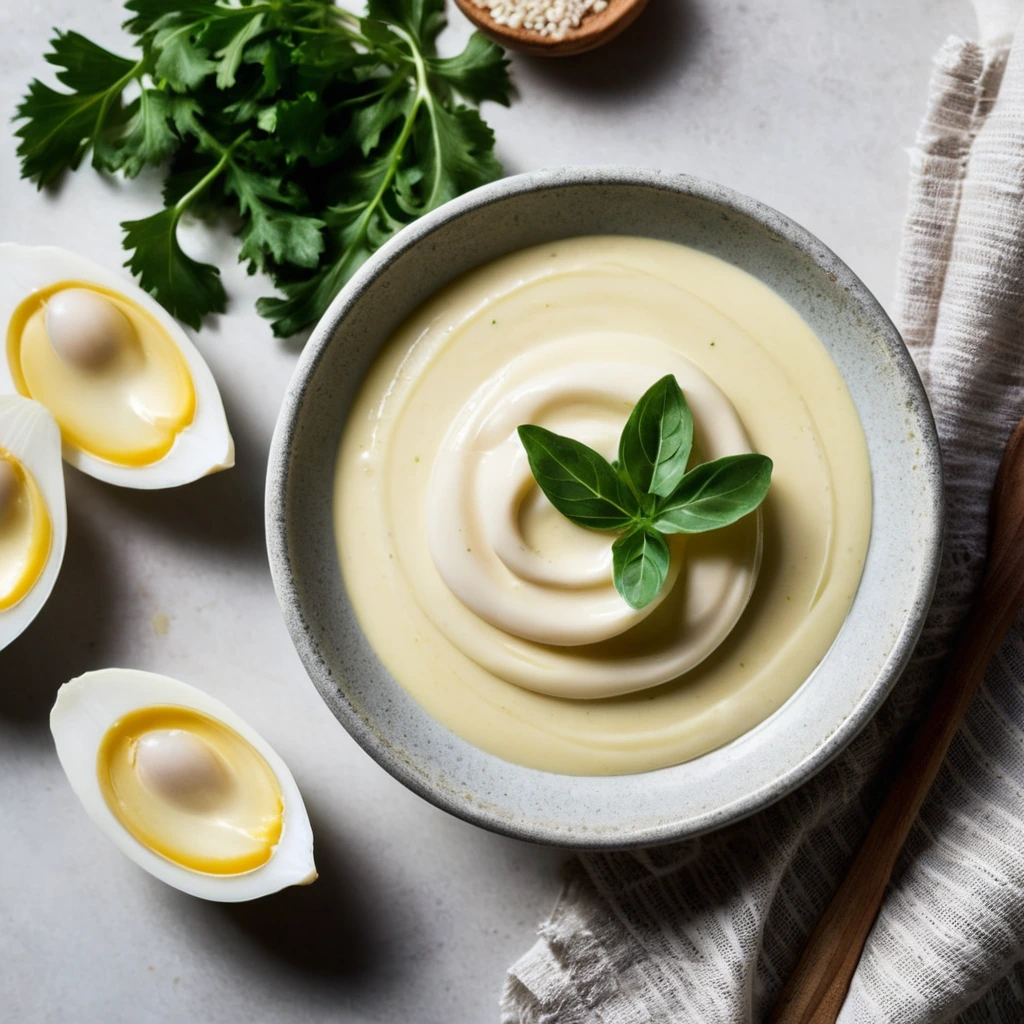
Aioli
A luscious, velvety emulsion of garlic and olive oil, aioli is a rich and aromatic sauce that dances on the palate with its creamy texture and bold, pungent flavor.
Recipes to try
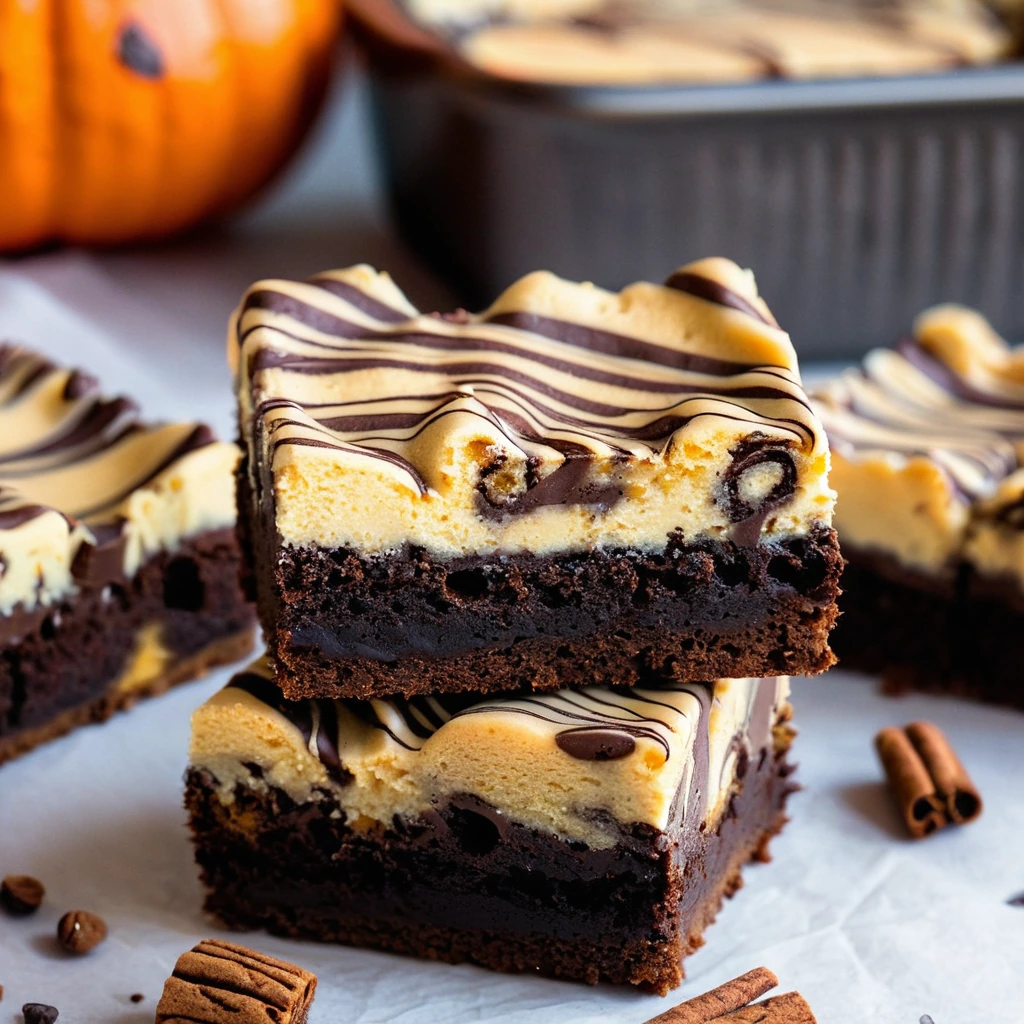
Pumpkin Spice Cheesecake Swirl Brownies
Indulge in the cozy combo of fudgy brownies with a creamy pumpkin cheesecake swirl - autumn's dream dessert come to life.
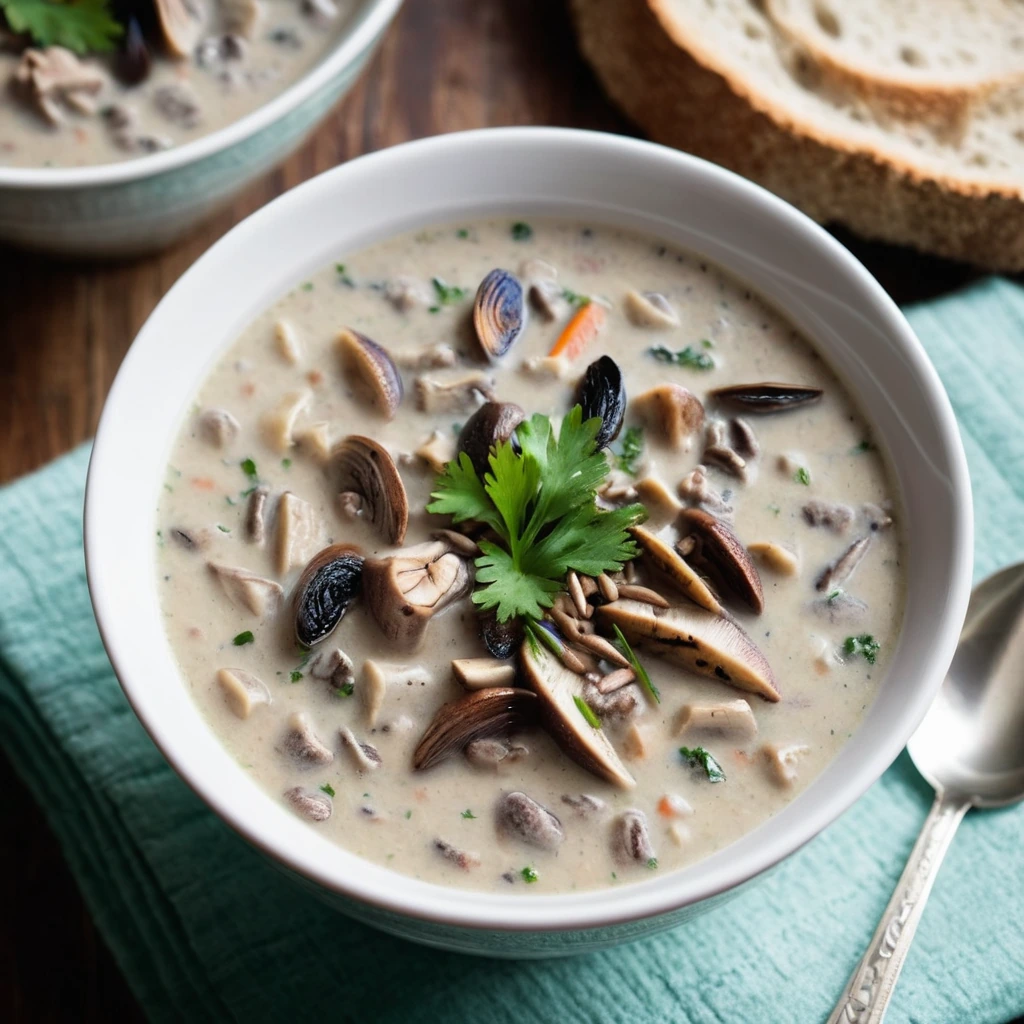
Turkey and Wild Rice Mushroom Soup
Warm up with this hearty soup, brimming with tender turkey, earthy wild rice, and a medley of savory mushrooms in a rich, comforting broth.