Eggs: Boiling Eggs to Exact Doneness
Boiling eggs to exact doneness is an art that transforms the humble egg into a perfectly cooked delight. Whether you prefer your yolks runny, set but soft, or fully firm, mastering this technique ensures consistent results every time. The secret lies in precise timing and temperature control. First, understanding the anatomy of an egg is crucial. The egg white, or albumen, solidifies at a lower temperature than the yolk, which remains creamy until heated further. Achieving the desired texture requires balancing these two elements. Start by selecting eggs that are fresh but not brand new; eggs a week or two old are ideal as they're easier to peel. Next, prepare an ice bath to halt the cooking process immediately after boiling. The size of the egg also affects cooking time, so use eggs of similar size for uniform results. Temperature control is key; starting with eggs in cold water and bringing them to a gentle boil prevents cracking and uneven cooking. Once the water reaches a rolling boil, timing begins, and this is where precision matters. Soft-boiled eggs typically take about 6 to 7 minutes, medium-boiled around 9 minutes, and hard-boiled eggs around 12 minutes. After boiling, plunge the eggs into the ice bath to stop the cooking process and make peeling easier. Finally, mastering the peel is an art in itself; tap the egg gently, roll it to crack the shell, and peel under running water for a smooth finish. With practice, you’ll be able to produce eggs with yolks that are just the right consistency to suit your taste.
Notes
This technique works because gradual heating minimizes the risk of cracking and ensures even cooking. The ice bath halts the cooking process, preventing overcooking and making peeling easier. Common mistakes include starting with hot eggs or using high heat, which can lead to cracked shells and rubbery whites. To avoid a greenish-gray ring around hard-boiled yolks, avoid overcooking and ensure rapid cooling. For safety, always use fresh eggs and consume them within a week. For make-ahead convenience, store peeled eggs in their shells in the refrigerator for up to a week. Remember, older eggs peel more easily due to a slightly loosened bond between the egg white and shell.
Steps
- 1 Place eggs in a single layer in a saucepan.
- 2 Add enough cold water to cover the eggs by 1 inch.
- 3 Place the saucepan over medium heat.
- 4 Bring the water to a gentle boil.
- 5 Once boiling, remove the saucepan from heat.
- 6 Cover the saucepan with a lid and let sit for 6 minutes for soft-boiled, 9 minutes for medium, or 12 minutes for hard-boiled eggs.
- 7 Prepare an ice bath while the eggs are cooking.
- 8 Transfer the eggs to the ice bath using a slotted spoon.
- 9 Let the eggs sit in the ice bath for at least 5 minutes.
- 10 Gently tap the egg on a hard surface to crack the shell.
- 11 Roll the egg between your hands to loosen the shell.
- 12 Peel the egg under cold running water, starting from the wider end.
- 13 Pat the peeled egg dry with a clean towel.
- 14 Serve immediately or store in the refrigerator.
Ingredients to explore
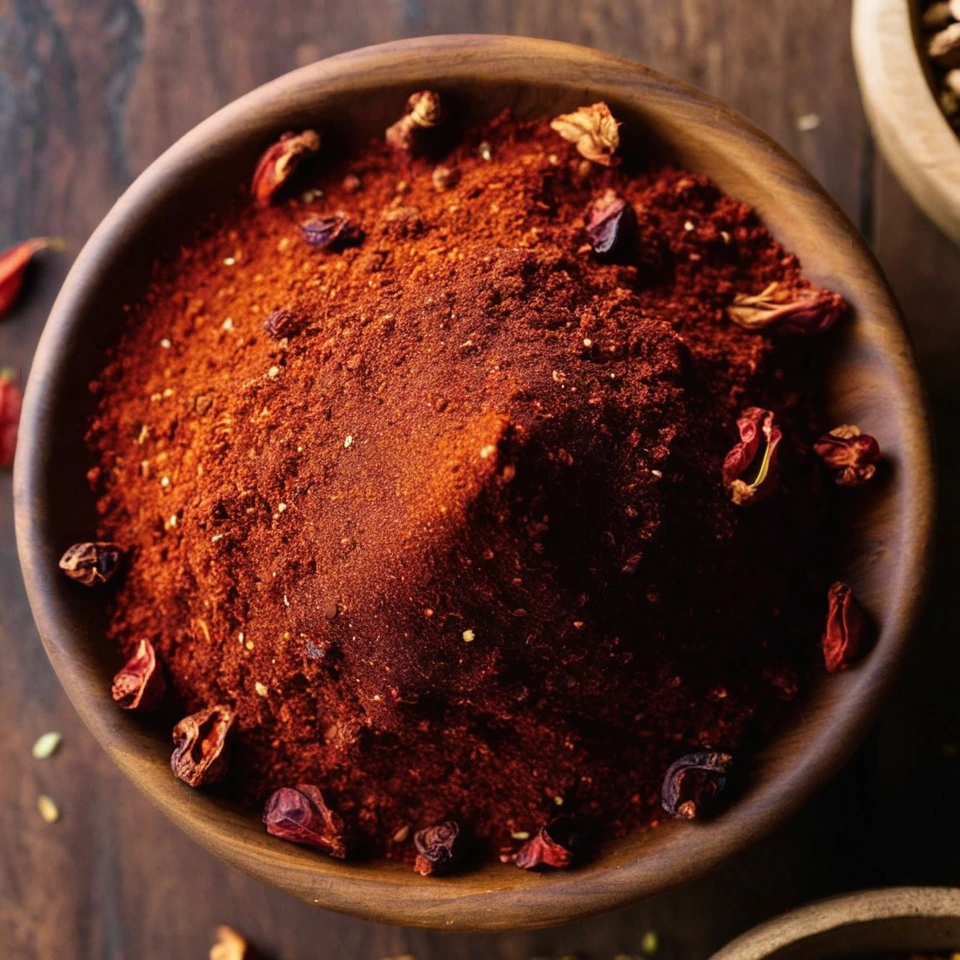
Aleppo Pepper
Aleppo pepper offers a harmonious balance of heat and sweetness, with a subtle fruity aroma reminiscent of sun-dried tomatoes and currants. Originating from the region around Aleppo, Syria, it has a fine, slightly coarse texture that shatters easily between fingers. Its mild yet complex flavor profile makes it a prized seasoning for enhancing dishes without overwhelming them. Valued for its versatility, it bridges the gap between spice and seasoning, bringing a touch of warmth and depth to a variety of cuisines.
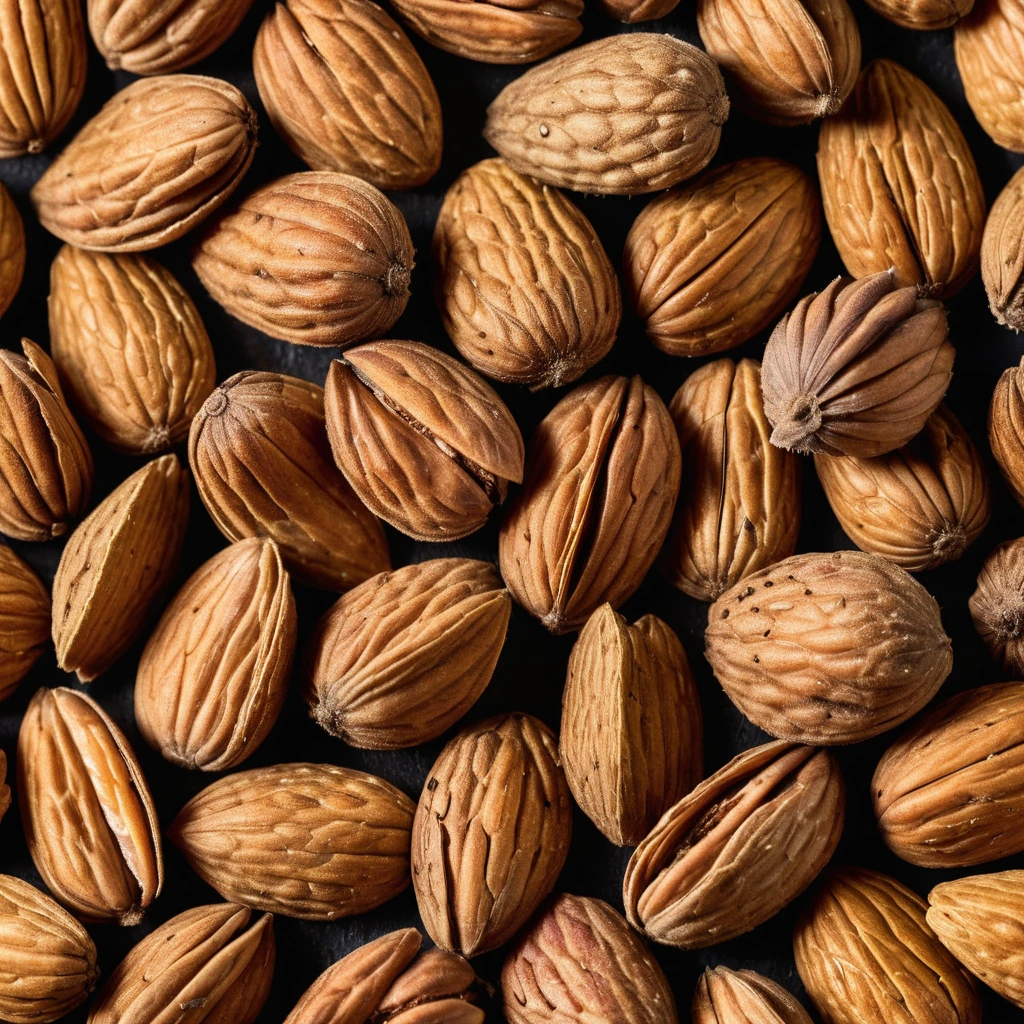
Almonds
With their golden-brown hue and delicate, edible skin, almonds are a crunchy delight. These versatile nuts boast a rich, buttery flavor that adds depth to both sweet and savory dishes.
Recipes to try
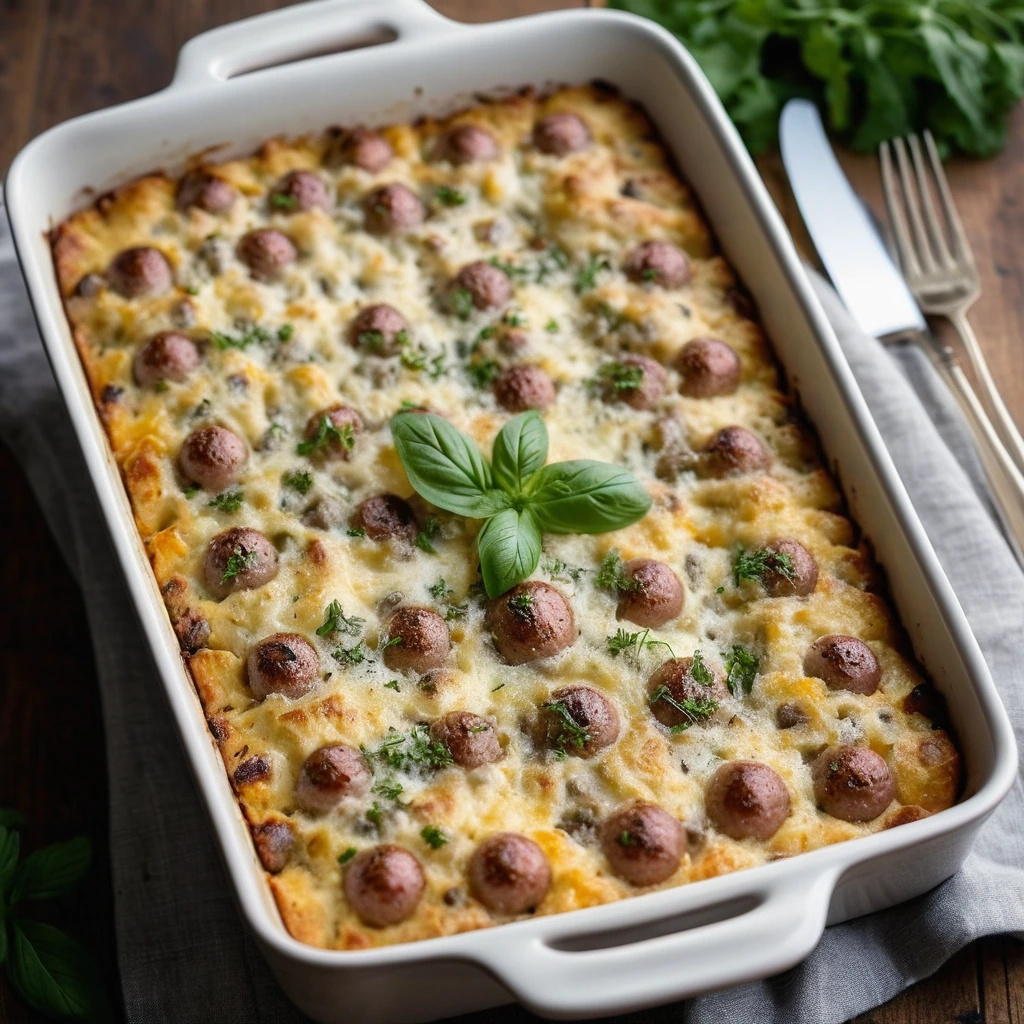
Sausage and Potato Breakfast Casserole
This hearty casserole combines savory sausage, crispy potatoes, and melty cheese into a golden, bubbly brunch masterpiece.
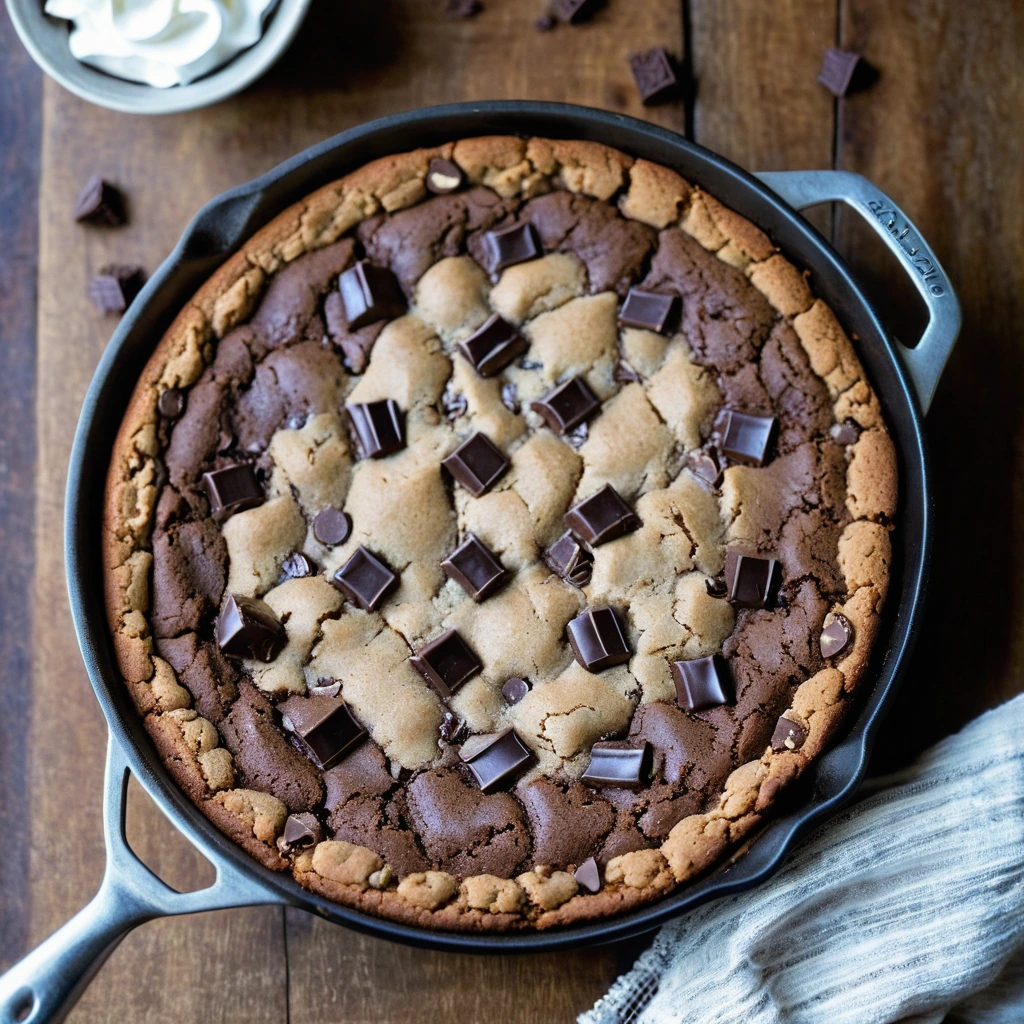
Triple Chocolate Chunk Skillet Cookie
This skillet cookie is a gooey, decadent delight with chunks of dark, milk, and white chocolate that will make you swoon.