Egg Technique: Whipping Egg Whites to Stiff Peaks
Whipping egg whites to stiff peaks is an essential technique that can transform your desserts from ordinary to extraordinary. Achieving stiff peaks requires precision, patience, and a touch of finesse. Let's dive into the science and art of whipping egg whites to perfection. Firstly, egg whites are primarily composed of water and proteins. When whipped, these proteins unravel and bond together to form a foam structure that traps air bubbles. The key to success is ensuring that your egg whites are at room temperature, as this allows for easier incorporation of air. Secondly, cleanliness is crucial; even a tiny speck of fat or yolk can hinder the formation of peaks. Thirdly, the addition of cream of tartar or a pinch of salt can stabilize the egg whites, helping them maintain their structure. Lastly, the speed at which you whip the egg whites can affect the texture and volume. Start slow to gently incorporate air, then increase speed as the whites begin to thicken. Understanding these principles will help you master this technique, leading to voluminous meringues, airy soufflés, and light chiffon cakes. Patience is vital—rushing the process can lead to deflated results. With the right approach, you'll be able to create the perfect base for a variety of beloved recipes. Remember, practice makes perfect, and soon you'll be whipping up peaks with confidence and ease.
Notes
The science behind whipping egg whites lies in the denaturation of proteins. As you whisk, proteins unravel and bond around air bubbles, creating a stable foam. To troubleshoot, if your whites aren’t forming peaks, check for any fat contamination and ensure your bowl is perfectly clean. If your peaks are grainy, you might have overwhisked; reduce speed and gently fold in a bit of sugar to smooth them out. For safety, always use fresh eggs or pasteurized egg whites to avoid risk of foodborne illness. When making ahead, whipped egg whites can be stored in an airtight container in the refrigerator for up to 24 hours, though they work best when used immediately.
Steps
- 1 Separate egg whites from yolks carefully, ensuring no yolk transfers.
- 2 Let egg whites rest at room temperature for 30 minutes.
- 3 Ensure your mixing bowl and beaters are impeccably clean and free of any fat.
- 4 Add egg whites to the bowl and begin whisking on low speed.
- 5 Once egg whites become frothy, increase speed to medium.
- 6 Gradually add a pinch of cream of tartar or salt.
- 7 Continue whisking until soft peaks form.
- 8 Increase speed to high and whisk until stiff peaks form, where the peaks stand straight.
- 9 Check for doneness by lifting the beaters; the peaks should hold their shape without collapsing.
- 10 Avoid overwhisking to prevent deflation or graininess.
- 11 Immediately use whipped egg whites in your recipe for best results.
- 12 If not using immediately, cover with plastic wrap pressed against the surface to prevent drying out.
Ingredients to explore
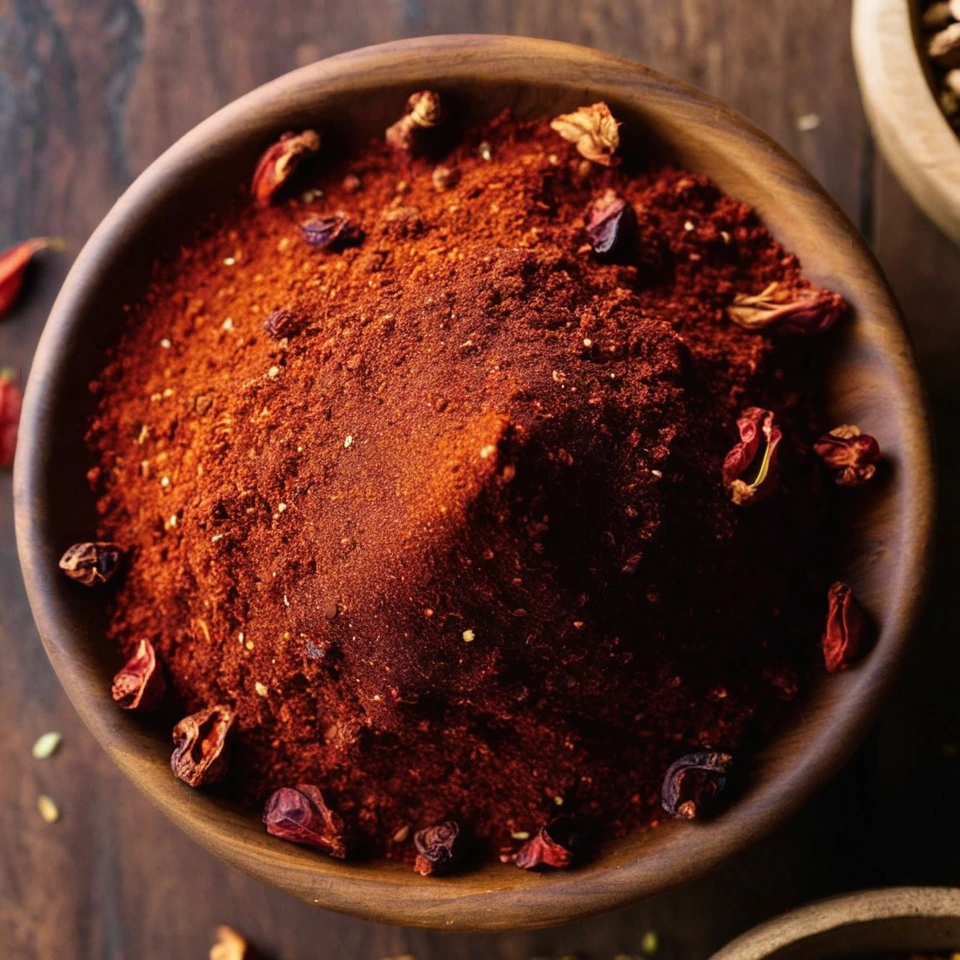
Aleppo Pepper
Aleppo pepper offers a harmonious balance of heat and sweetness, with a subtle fruity aroma reminiscent of sun-dried tomatoes and currants. Originating from the region around Aleppo, Syria, it has a fine, slightly coarse texture that shatters easily between fingers. Its mild yet complex flavor profile makes it a prized seasoning for enhancing dishes without overwhelming them. Valued for its versatility, it bridges the gap between spice and seasoning, bringing a touch of warmth and depth to a variety of cuisines.
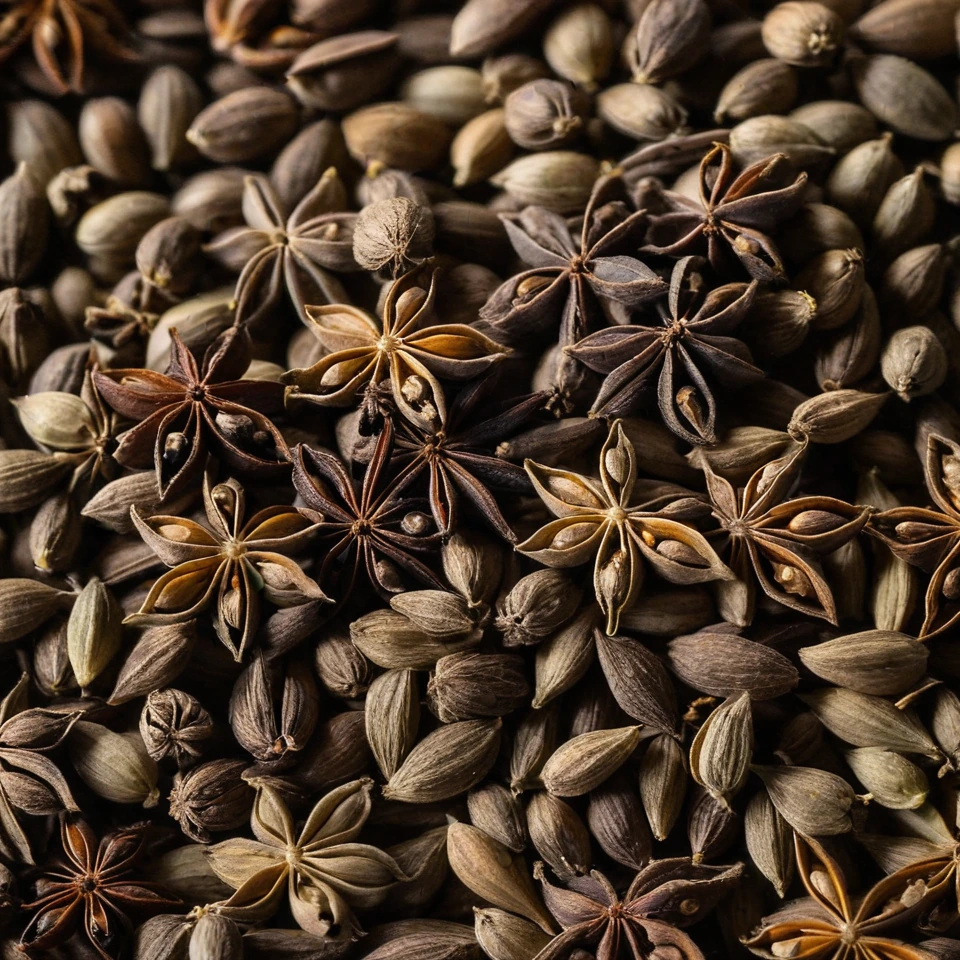
Anise Seeds
Anise seeds are small, oval seeds with a sweet, licorice-like flavor. They are commonly used in both sweet and savory dishes, offering a warm, aromatic taste.
Recipes to try
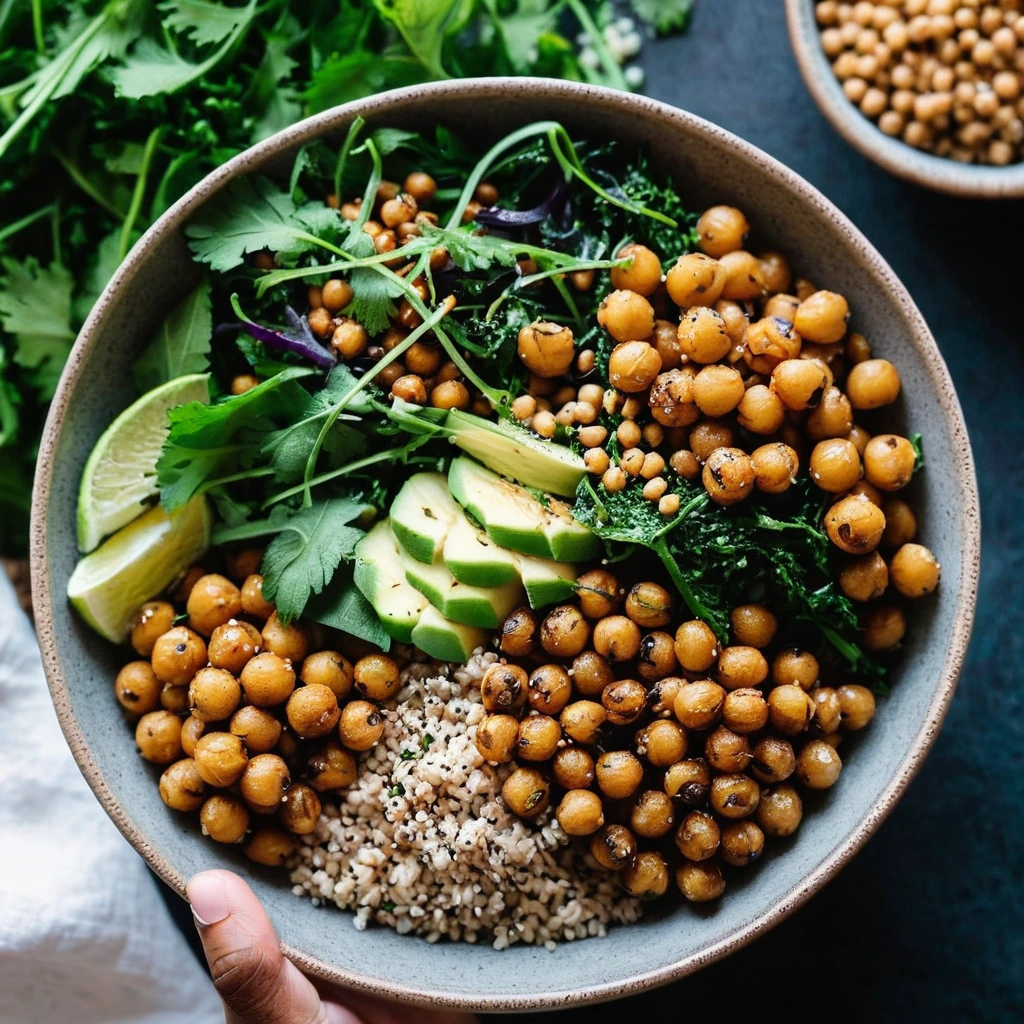
Spicy Sesame Roasted Chickpea Grain Bowls
Crispy, spicy chickpeas meet fluffy grains in a vibrant bowl that'll have your taste buds cheering for more.
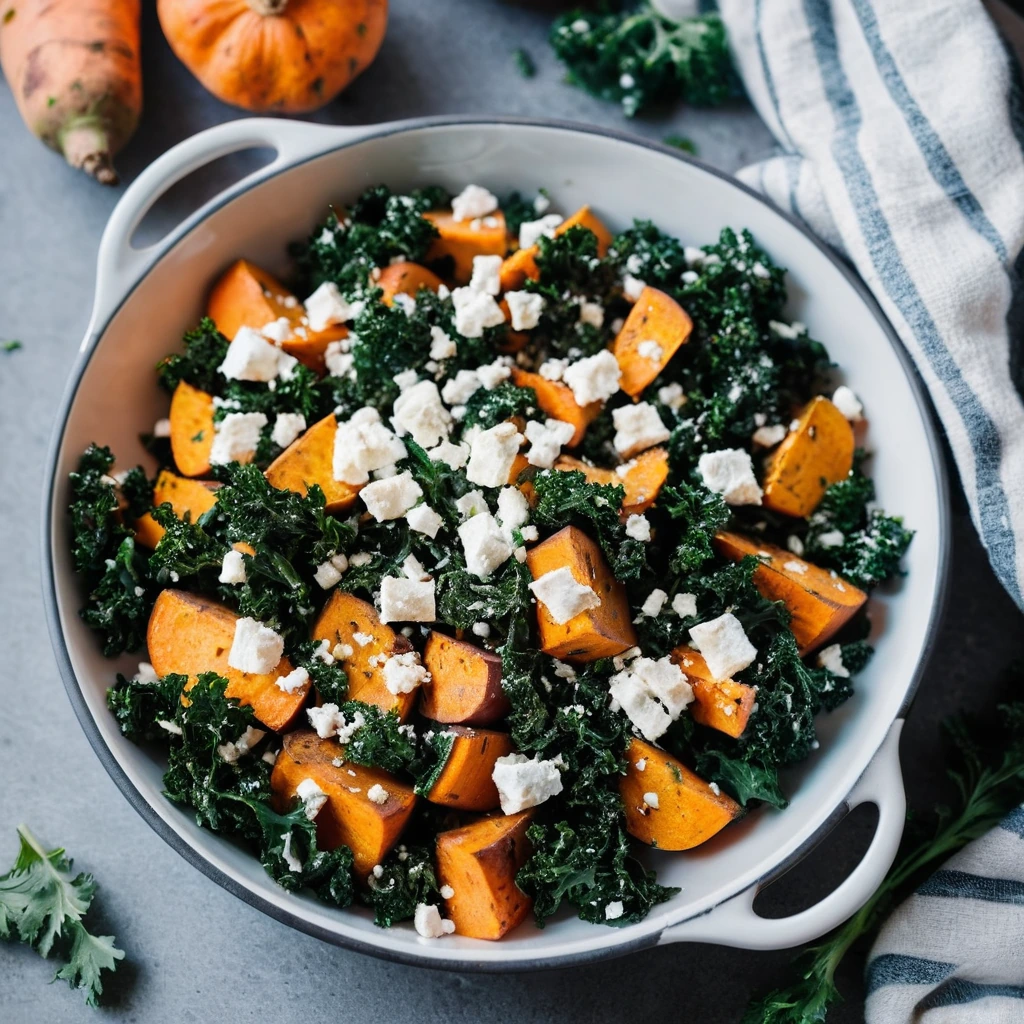
Sweet Potato and Kale Skillet with Feta
Golden roasted sweet potatoes and tender kale come together in a skillet, kissed by tangy feta and a whisper of garlic.