Egg Technique: Using Yolks to Enrich Sauces and Doughs
Egg yolks are a kitchen treasure, prized for their ability to enrich sauces and doughs with a velvety texture and a rich, golden hue. Packed with fat and emulsifiers, yolks act as a bridge between water and oil, creating smooth, stable mixtures that elevate dishes from ordinary to extraordinary. Whether you're whisking up a silky hollandaise, binding a delicate quiche, or enriching pasta dough, understanding how to harness the power of yolks is essential. The lecithin in egg yolks helps to stabilize emulsions, preventing separation and creating a luscious mouthfeel. When yolks are gently heated, they thicken mixtures without curdling, provided you maintain the right temperature. This technique is all about patience and precision, ensuring that the yolks are incorporated correctly to avoid scrambling and to maximize their enriching potential. From classic French cuisine to modern baking techniques, mastering the use of egg yolks can transform your cooking, offering depth and richness that's hard to achieve with any other ingredient.
Notes
The science behind using egg yolks lies in their emulsifying properties, primarily due to lecithin. This compound helps bind water and fat molecules, creating a stable mixture. When enriching sauces, maintaining a temperature below 160°F is crucial to prevent scrambling. If your sauce breaks, you can often salvage it by whisking in a small amount of cold water or additional yolk. For doughs, yolks add richness and tenderness but can make the dough more fragile, so handle gently. Store yolks in an airtight container in the fridge for up to two days or freeze for longer storage. Always use pasteurized eggs if concerned about foodborne illness, especially when raw yolks are consumed.
Steps
- 1 Separate egg yolks from whites carefully to avoid contamination.
- 2 For sauces, whisk yolks gently in a heatproof bowl until smooth.
- 3 Gradually add a small amount of warm liquid to the yolks to temper them, preventing curdling.
- 4 Slowly pour the tempered yolk mixture back into the sauce, whisking constantly.
- 5 Heat the sauce gently over low heat, stirring continuously until thickened.
- 6 For doughs, mix yolks with other wet ingredients before combining with dry ingredients.
- 7 Knead dough gently to incorporate yolks without overworking the gluten.
- 8 Chill enriched dough for at least 30 minutes to allow the yolks to distribute evenly.
Ingredients to explore
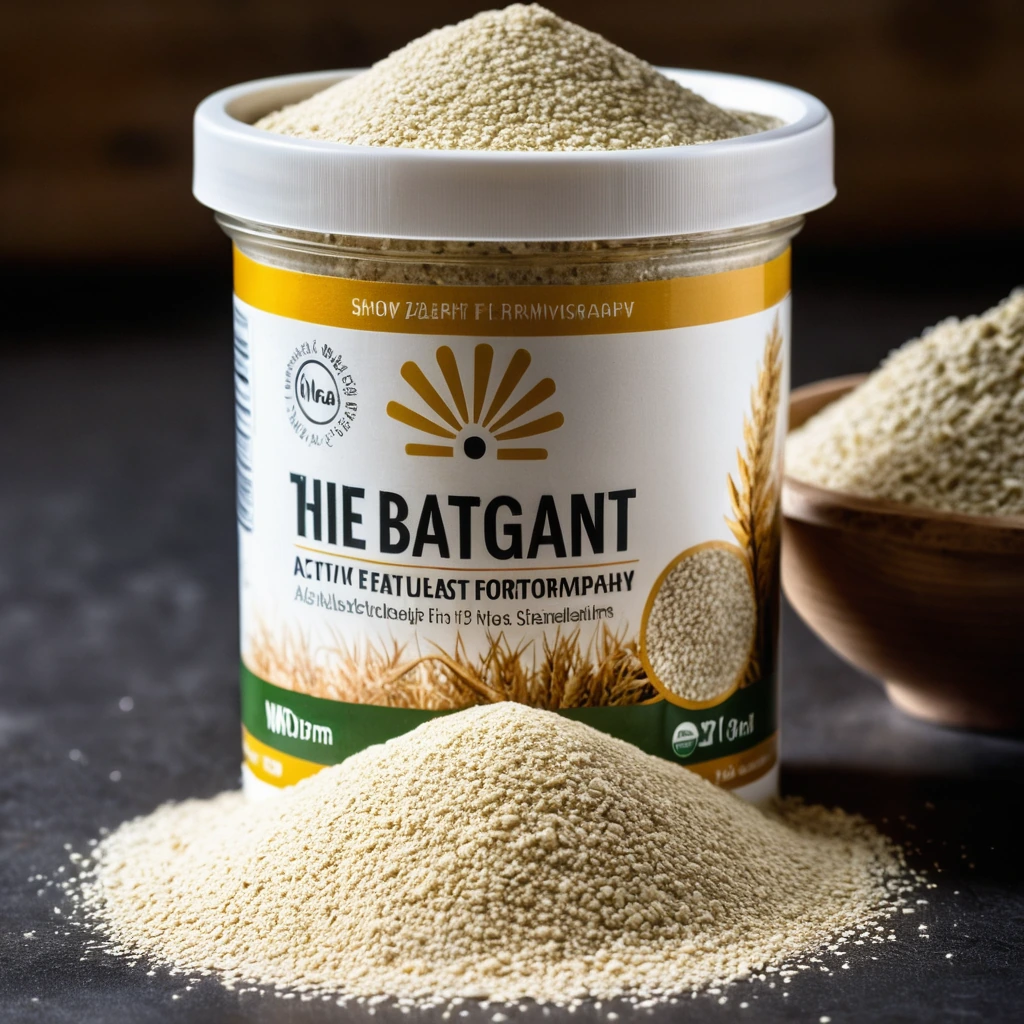
Active Dry Yeast
A fine, granulated leavening agent that brings baked goods to life with its gentle fermentation magic.
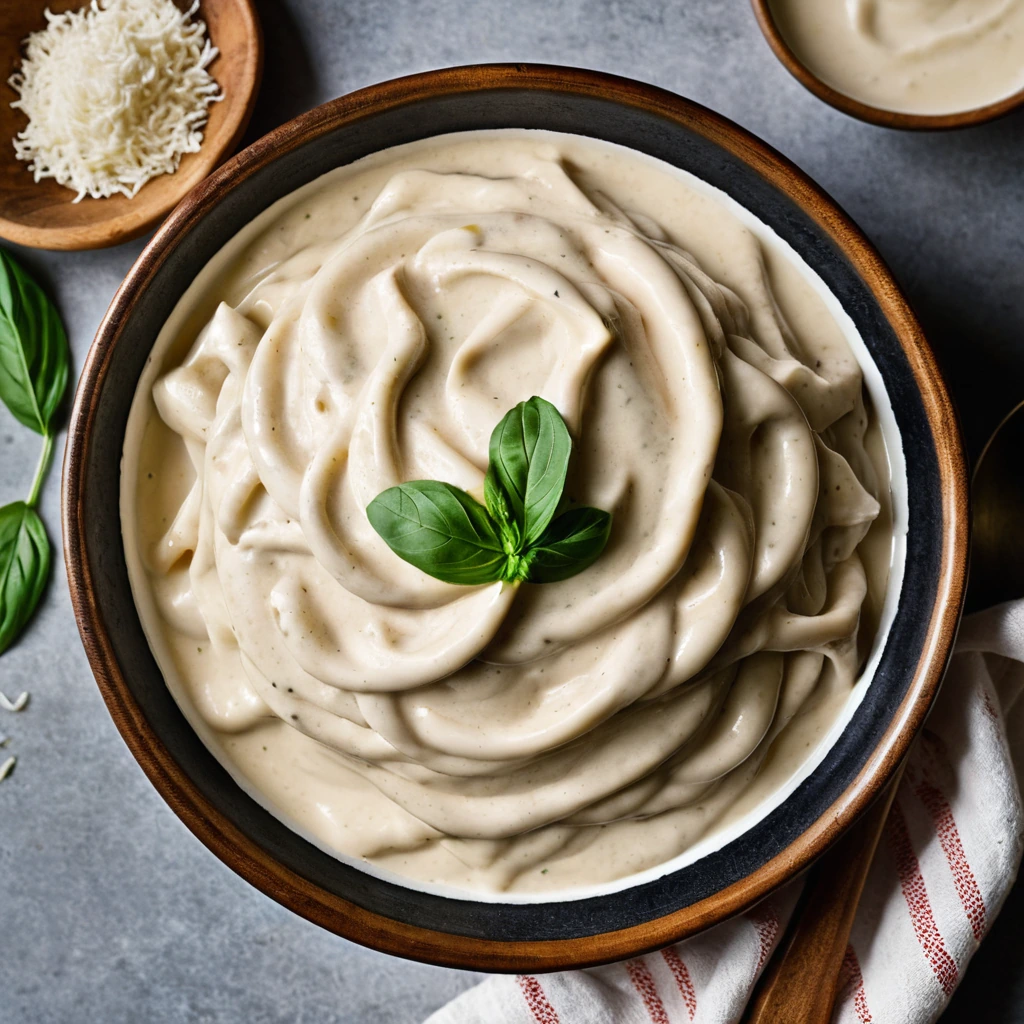
Alfredo Sauce
Creamy, rich, and utterly indulgent, Alfredo sauce is a dreamy blend of butter, heavy cream, and Parmesan cheese. Its velvety texture and savory depth make it a beloved staple in Italian-American cuisine.
Recipes to try
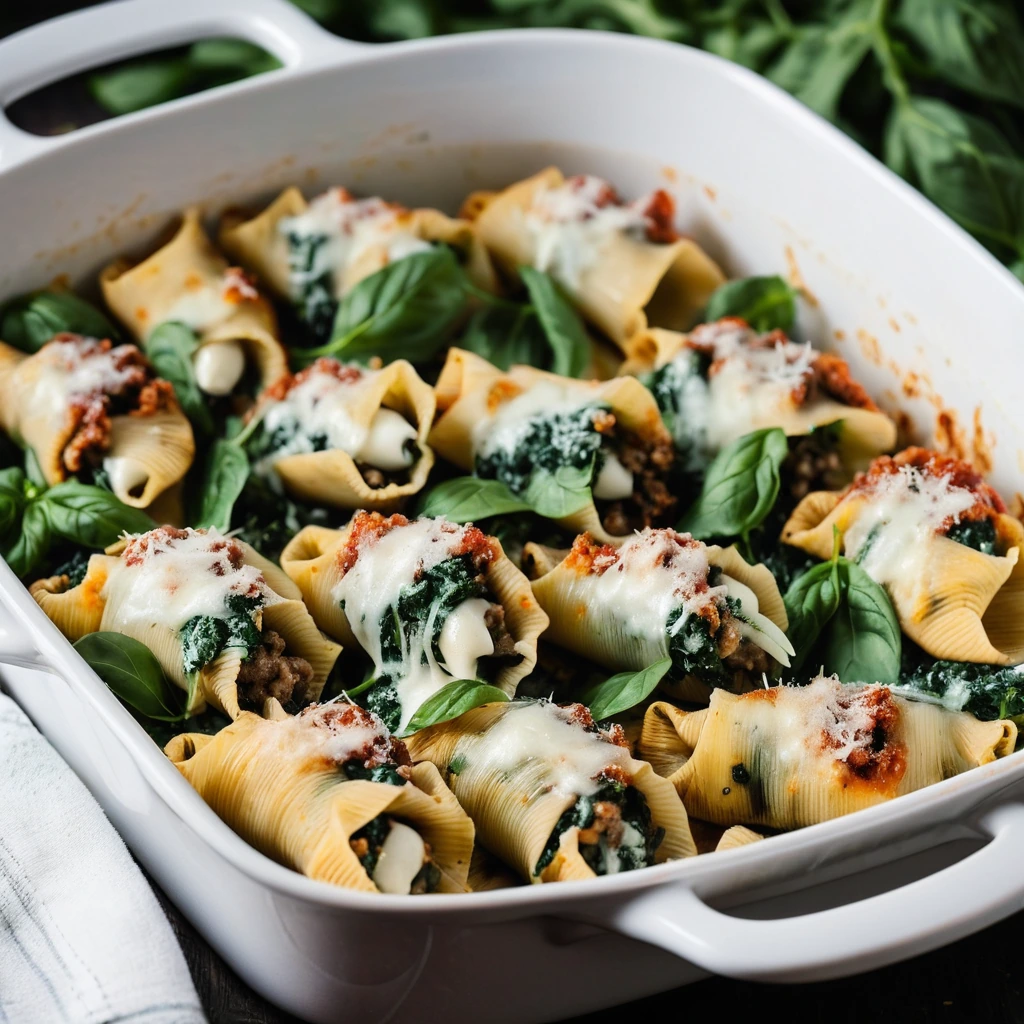
Sausage and Spinach Stuffed Shells Bake
Creamy ricotta and hearty sausage nestled in pasta shells, crowned with a blanket of melted mozzarella and fresh spinach.
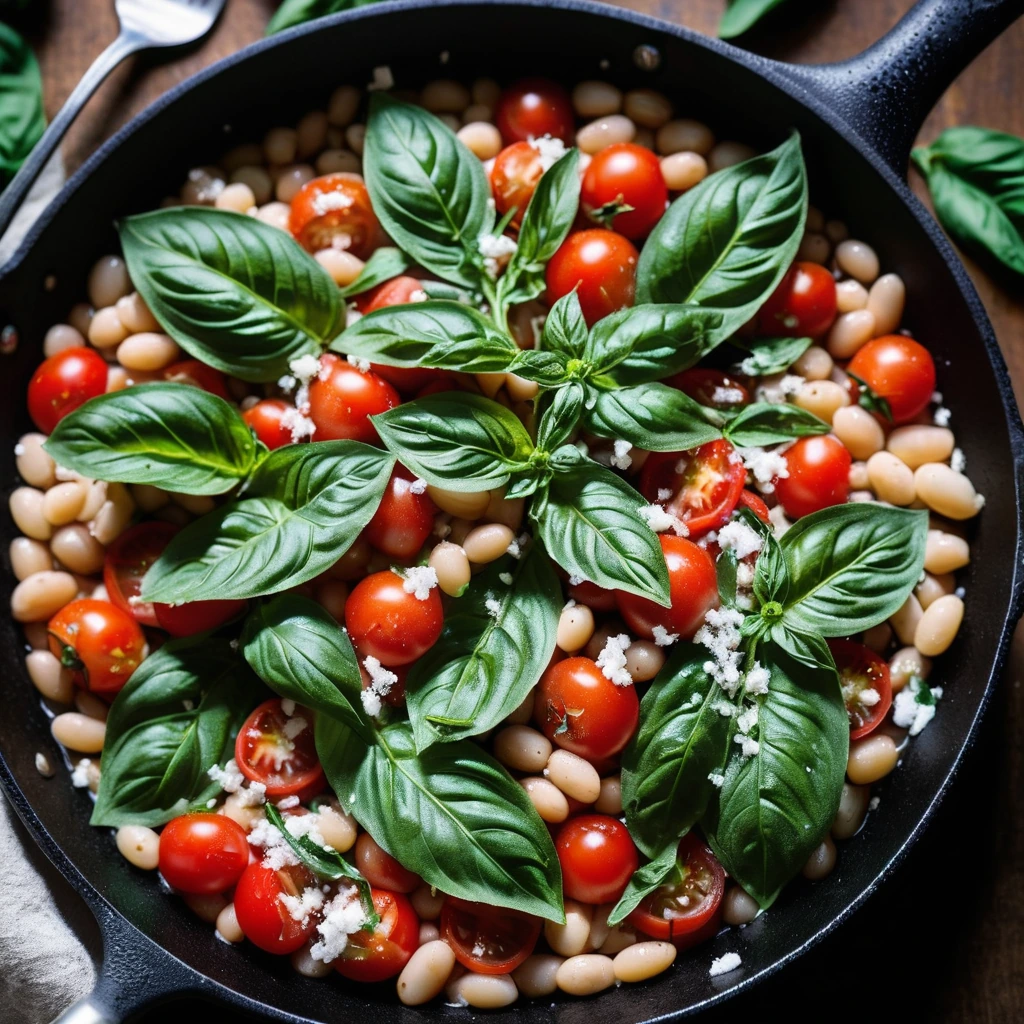
Tomato Basil White Bean Skillet with Parmesan
A comforting skillet packed with creamy white beans, ripe tomatoes, and fragrant basil, all topped with a generous sprinkle of Parmesan.