Egg Technique: Tempering Eggs into Hot Liquids Safely
Tempering eggs is a crucial technique that prevents them from curdling when added to hot liquids. This method is essential in making custards, sauces, and soups with eggs, ensuring a smooth and velvety texture. The process involves gradually introducing small amounts of the hot liquid to the eggs, raising their temperature slowly. This gentle approach allows the egg proteins to denature and coagulate without scrambling, which can happen if eggs are exposed to high heat too quickly. Understanding the science behind tempering helps home cooks achieve professional results in their kitchens. It's all about patience and precision. By tempering eggs correctly, you not only avoid an unsightly and unappetizing scramble but also create a luxurious consistency that elevates your dishes. Whether you're making a silky béarnaise sauce, a rich crème anglaise, or a comforting soup with a creamy egg base, mastering this technique is key. Let's dive into the steps to ensure you temper eggs like a pro, every single time.
Notes
Tempering works by slowly acclimating egg proteins to higher temperatures, preventing them from seizing and curdling. A common mistake is adding too much hot liquid too quickly, which can scramble the eggs. To avoid this, ensure your initial additions are small and gradual. Safety is also crucial; always check that your hot liquid is below boiling to prevent sudden cooking of the eggs. For make-ahead meals, tempering can be done in advance, but store the mixture in the refrigerator for up to 2 days. Reheat gently before serving to maintain texture.
Steps
- 1 Crack eggs into a medium-sized bowl.
- 2 Whisk eggs gently until yolks and whites are combined.
- 3 Set the bowl aside.
- 4 Heat your liquid (like milk, cream, or broth) in a saucepan until it's hot but not boiling, about 160°F.
- 5 Slowly pour a small amount of the hot liquid into the eggs, whisking constantly.
- 6 Continue adding the hot liquid gradually, about a quarter of the total amount.
- 7 Whisk continuously to ensure even heating and to break up any egg proteins starting to coagulate.
- 8 Once the egg mixture has warmed and is steamy to the touch, pour it back into the saucepan with the remaining hot liquid.
- 9 Stir gently and continuously over low heat.
- 10 Heat the mixture until it thickens enough to coat the back of a spoon, about 170°F to 180°F.
- 11 Avoid letting the mixture boil or simmer too vigorously.
- 12 Remove from heat immediately once desired thickness is reached.
- 13 Strain through a fine-mesh sieve if a perfectly smooth texture is desired.
- 14 Serve immediately or proceed with recipe instructions.
Ingredients to explore
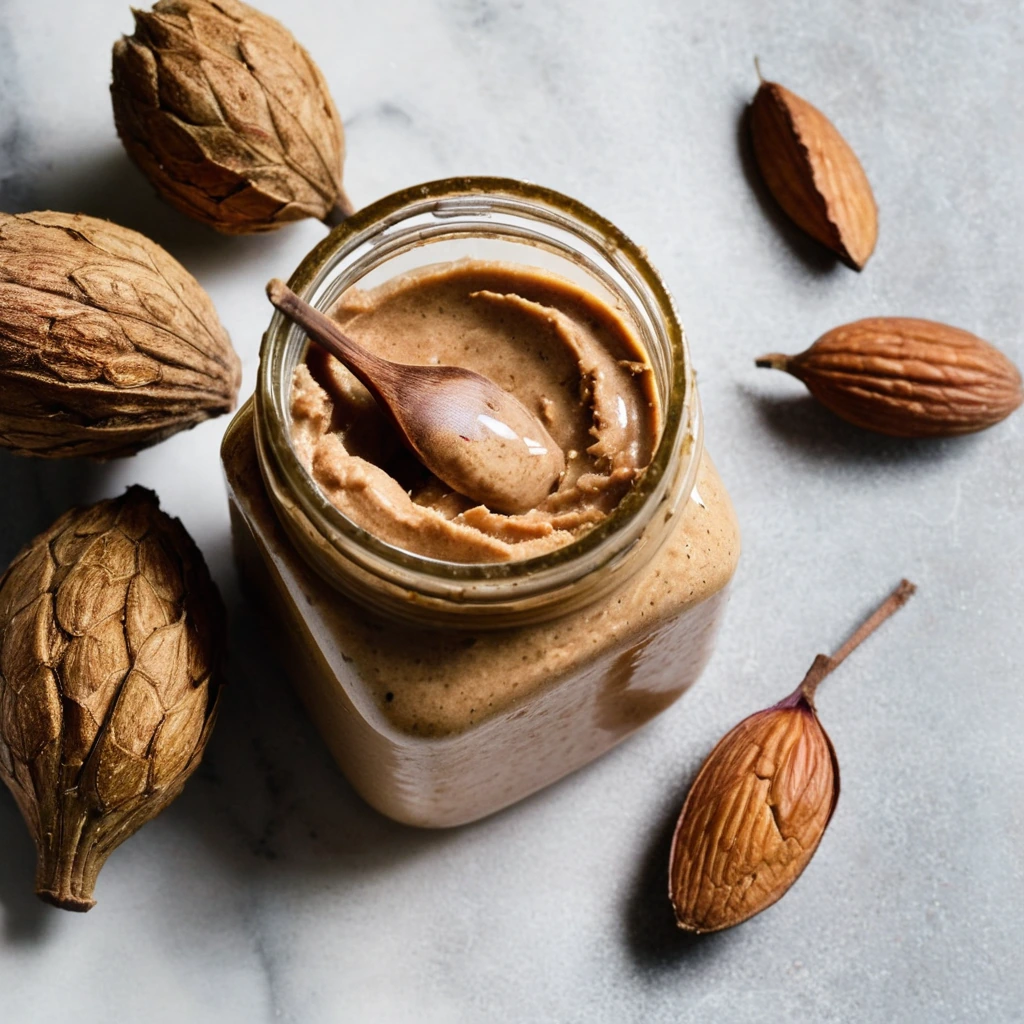
Almond Butter
A velvety, nutty spread crafted from finely ground almonds, offering a rich and satisfying flavor that's both comforting and indulgent.
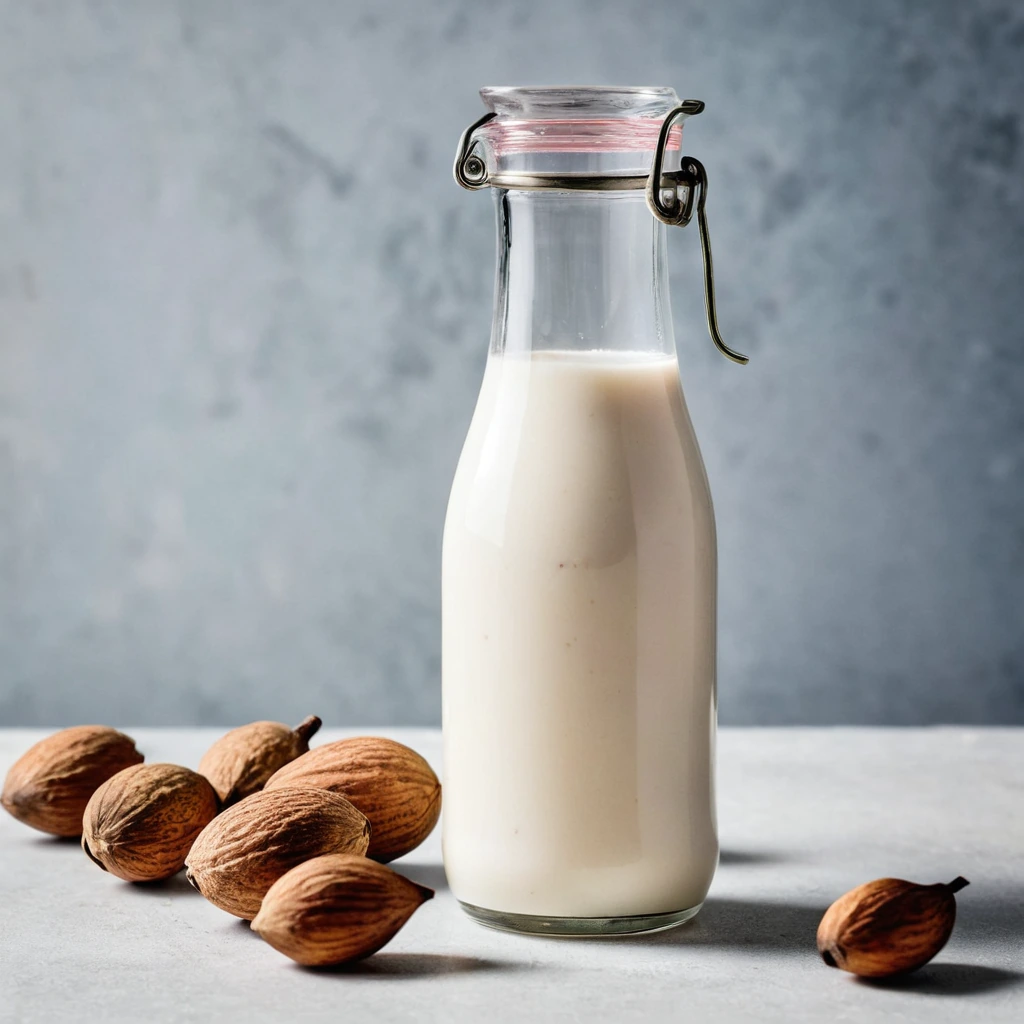
Almond Milk
Almond milk is a plant-based milk alternative made from ground almonds and water. Originating from traditional recipes in medieval Europe and the Middle East, it has gained widespread popularity in modern times as a dairy-free option. Almond milk has a subtly nutty flavor with a mild sweetness, and its aroma is reminiscent of fresh almonds. Its texture is smooth and creamy, though typically lighter than dairy milk. In cooking, almond milk behaves well in both savory and sweet applications, though it does not brown or caramelize like dairy milk. It is often used in cereals, smoothies, and baking, where its delicate flavor complements rather than overpowers other ingredients.
Recipes to try
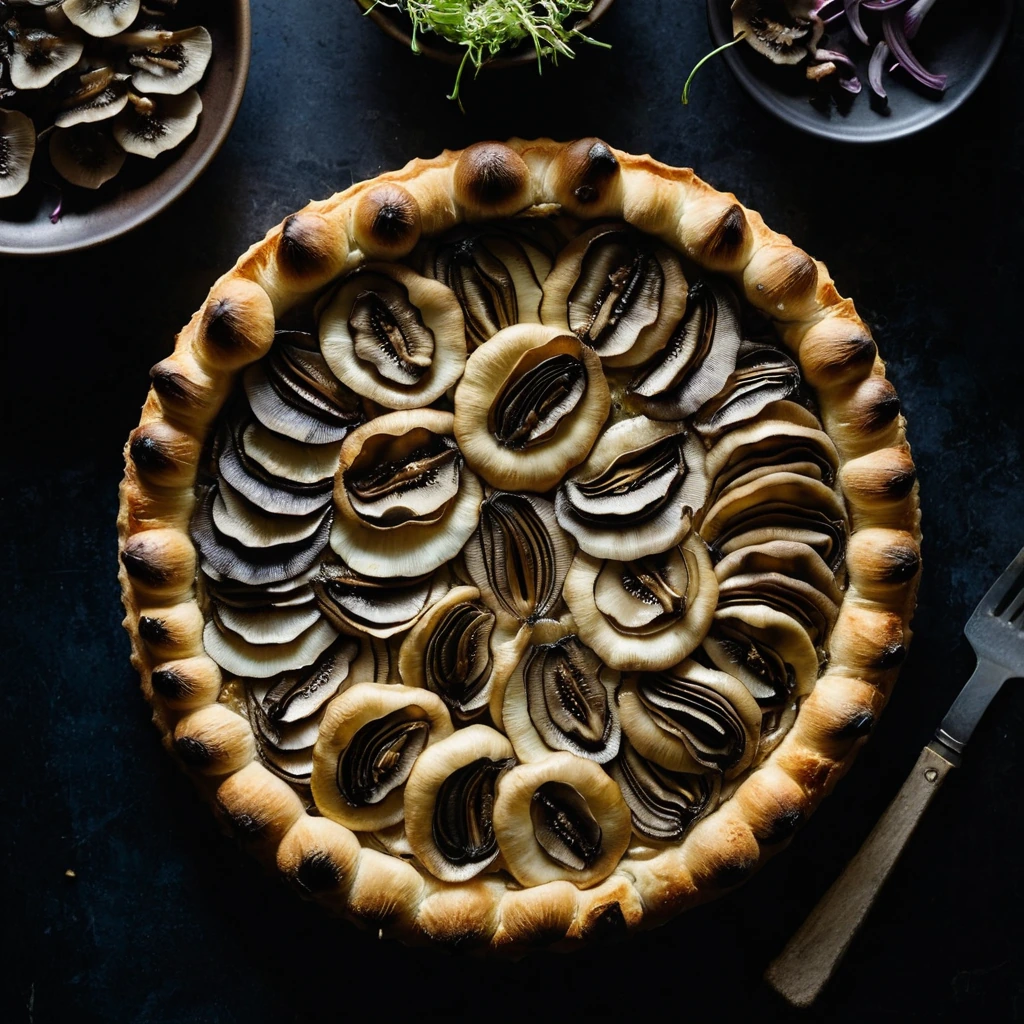
Mushroom, Onion, and Gruyère Tart
Golden, flaky pastry cradles a rich, earthy filling of sautéed mushrooms and onions, crowned with melty Gruyère.

Smoky BBQ Ground Beef and Cornbread Skillet
Imagine the rich smokiness of BBQ sauce mingling with tender ground beef atop golden, crumbly cornbread in a skillet.