Egg Technique: Steaming Eggs for Jammy Yolks
Steaming eggs is a gentle cooking method that yields perfectly jammy yolks encased in tender whites, offering a luxurious texture that's ideal for breakfast or brunch. Unlike boiling, steaming avoids overcooking and ensures even heat distribution, preserving the delicate flavor and structure of the eggs. This technique is simple yet sophisticated, delivering consistent results that elevate your egg dishes to gourmet status. Achieving jammy yolks requires precision in timing and temperature, allowing the eggs to cook gently without the risk of rubbery whites or greenish yolks. Steaming is an ancient culinary method embraced by many cultures, and with a little guidance, you'll master it effortlessly. Whether you're serving eggs atop avocado toast or incorporating them into a decadent charcuterie board, this technique is a must-know for any home cook aiming for chef-level excellence. The key is to maintain a consistent steam, ensuring the eggs are enveloped in gentle heat just long enough to set the whites while leaving the yolks gloriously runny.
Notes
Steaming eggs works because it provides a gentle, even heat source that cooks the eggs slowly, allowing the proteins to coagulate gradually and produce a tender texture. Common mistakes include using too high of heat, which can lead to overcooking, and overcrowding the steamer, which disrupts even cooking. To avoid these, ensure you maintain a gentle simmer and leave enough space between eggs. Safety is crucial when handling hot water and steam; use oven mitts and be cautious of burns. For make-ahead options, steamed eggs can be peeled and stored in an airtight container in the refrigerator for up to 24 hours. However, note that the yolks may thicken upon reheating, so they are best enjoyed fresh.
Steps
- 1 Bring a pot of water to a gentle simmer over medium heat.
- 2 Place a heatproof bowl or steamer basket in the pot, ensuring the bottom doesn't touch the water.
- 3 Crack each egg into individual ramekins or small cups for easy transfer.
- 4 Gently slide the eggs into the steamer, taking care not to overcrowd.
- 5 Cover the pot with a lid to trap the steam inside.
- 6 Steam the eggs for exactly 6 minutes for jammy yolks.
- 7 Using a slotted spoon, carefully remove the eggs from the steamer.
- 8 Transfer the eggs to a bowl of ice water to stop the cooking process immediately.
- 9 Let the eggs sit in the ice water for 2 minutes to cool.
- 10 Gently dry the eggs with a clean kitchen towel.
- 11 Crack and peel the eggs carefully under cold running water to ease removal of the shell.
- 12 Pat the peeled eggs dry with a fresh towel.
- 13 Serve immediately for the best texture and flavor.
- 14 Enjoy your perfectly jammy-yolked eggs!
Ingredients to explore
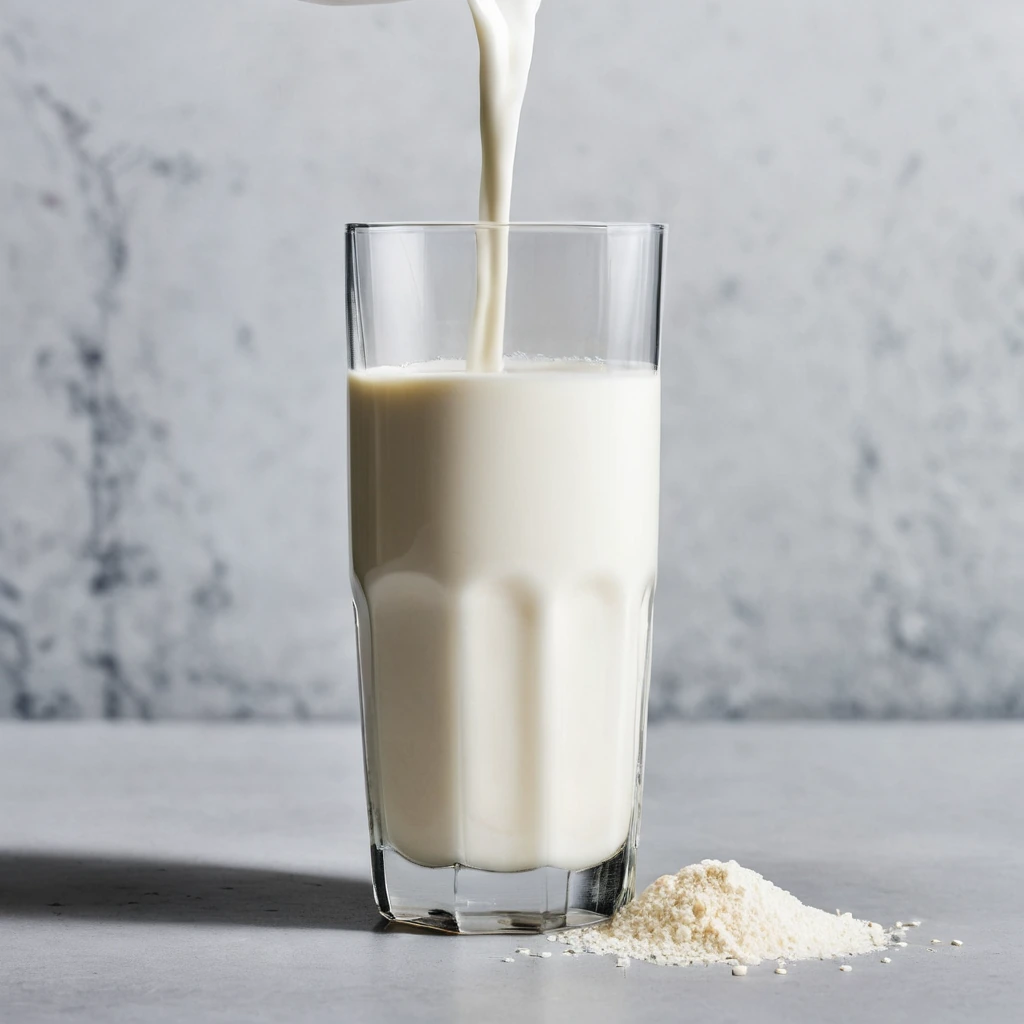
2% Milk
Creamy and just a touch lighter than whole milk, 2% milk offers a perfect balance of richness and reduced fat. Its smooth texture and subtle sweetness make it a delightful choice for sipping or cooking.
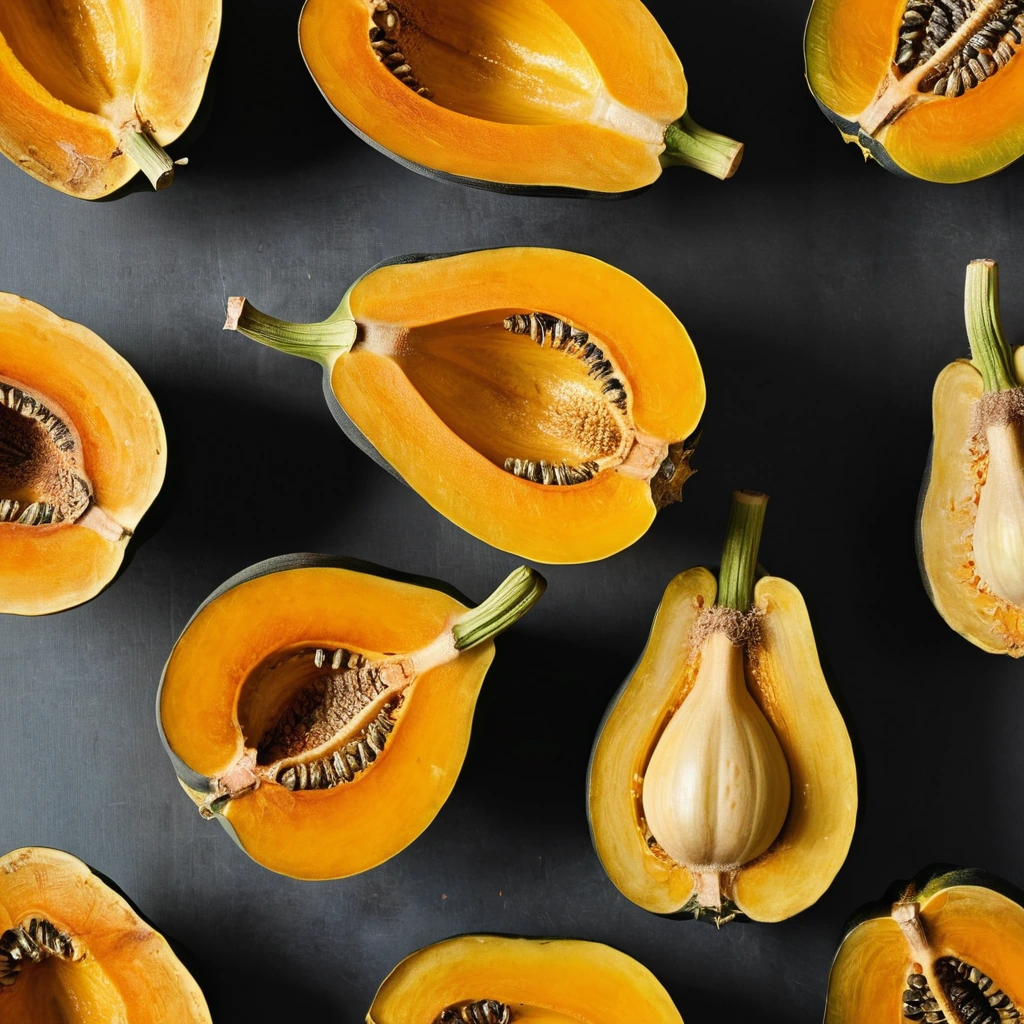
Acorn Squash
Acorn squash is a winter squash variety known for its distinctive teardrop shape and deep ridges resembling the texture of an acorn shell. Originating in the Americas, it has been cultivated for centuries and is a staple in autumn cuisine. The flesh is sweet and nutty with a hint of earthiness, offering a delightful contrast to savory dishes. Its texture is dense yet tender when cooked, making it ideal for roasting or pureeing. In cooking, acorn squash holds its shape well and absorbs flavors from herbs and spices, enhancing both its taste and versatility in recipes.
Recipes to try
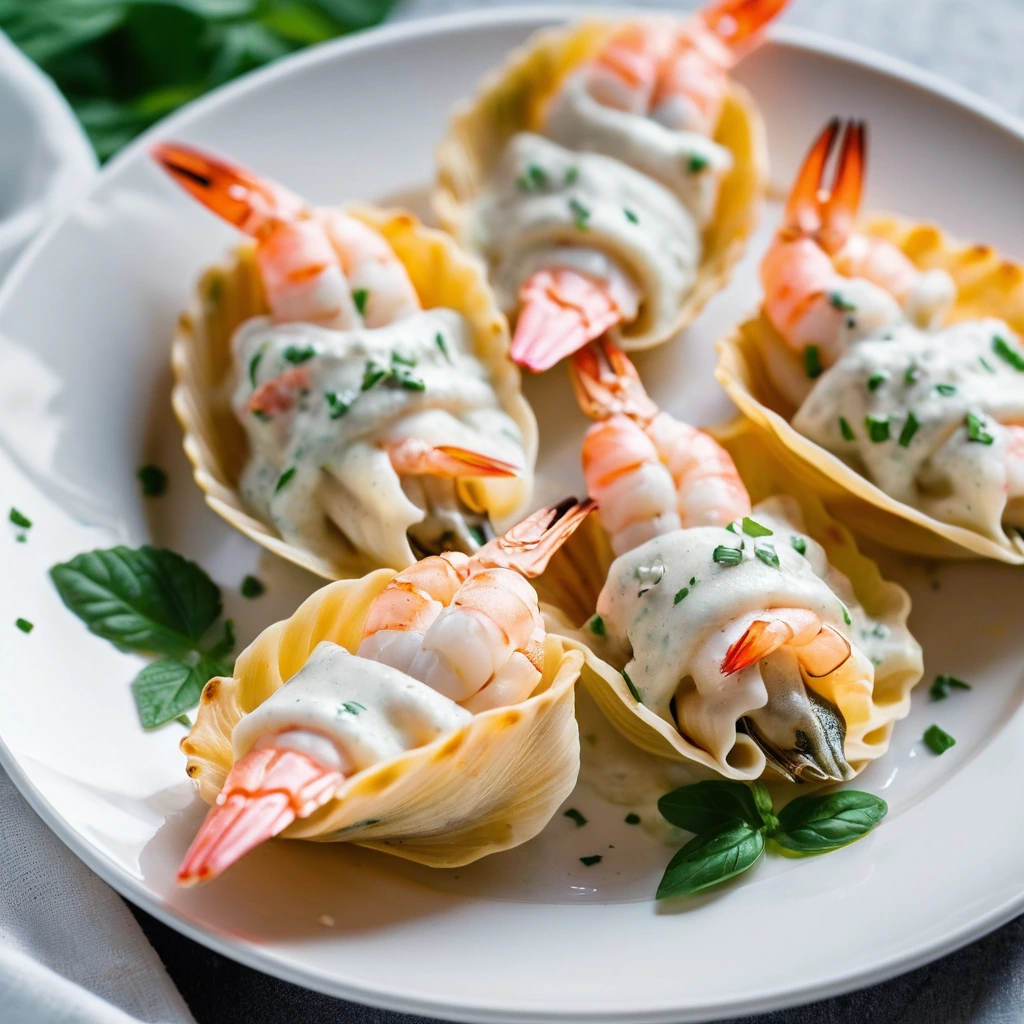
Shrimp Alfredo Stuffed Pasta Shells
Creamy, cheesy alfredo sauce stuffed into plump pasta shells and topped with succulent shrimp—comfort food at its finest.
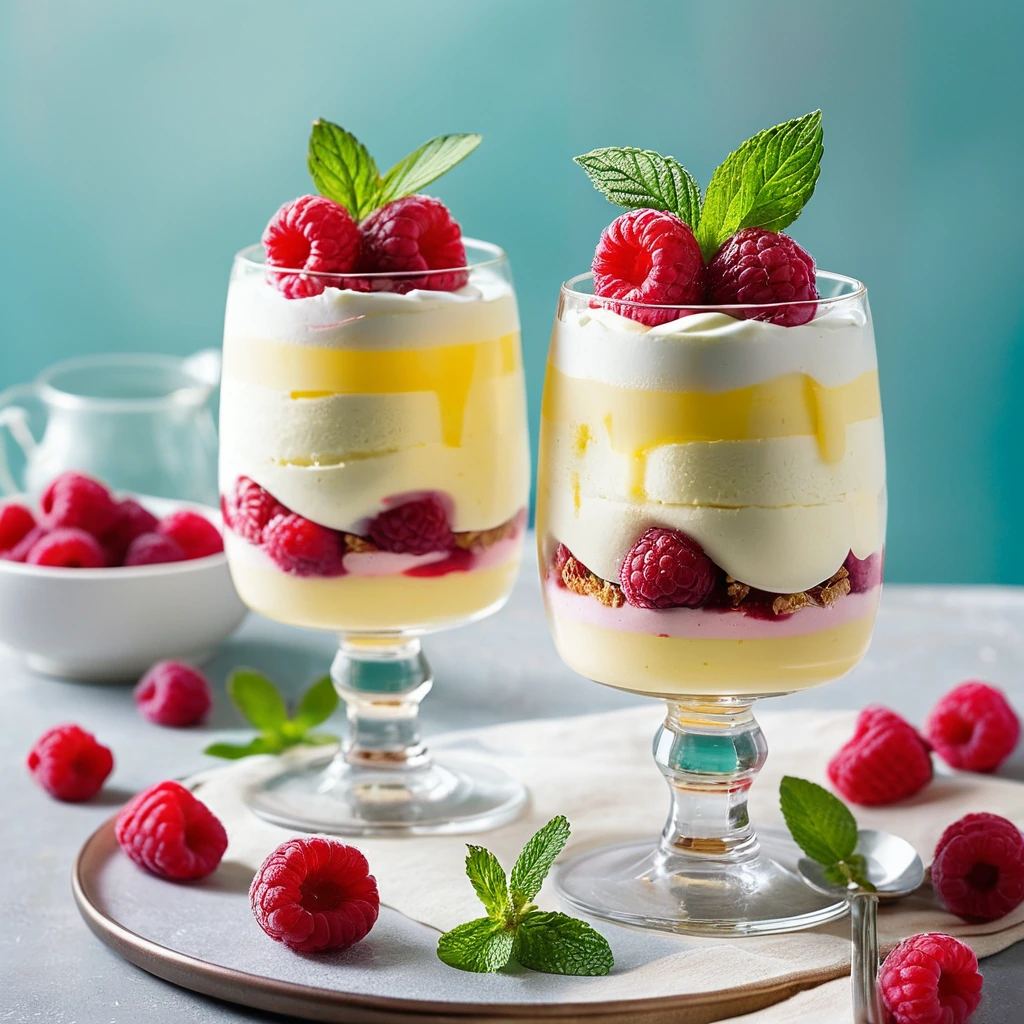
Lemon Raspberry Cheesecake Parfaits
Creamy layers of lemon cheesecake meet tangy raspberry swirls in a delightful parfait that's as pretty as it is delicious.