Egg Technique: Stabilizing Meringue with Acid
Creating a stable meringue is a delicate dance of science and skill. At its core, meringue is a mixture of whipped egg whites and sugar, but adding an acid can transform it from a mere froth into a glossy, stable structure perfect for piping or baking. The acid helps to denature the egg proteins, allowing them to bond more effectively and create a stronger foam. Common acids used include cream of tartar, lemon juice, or vinegar. Each plays a crucial role in stabilizing the meringue by lowering the pH of the egg whites, which helps prevent over-beating and weeping. This technique is essential for achieving flawless pavlovas, macarons, and lemon meringue pies. Understanding how to stabilize meringue with acid not only ensures success in these recipes but also empowers you to experiment with confidence in the kitchen.
Notes
The science behind stabilizing meringue with acid is fascinating. Acid helps to unwind protein strands, allowing them to link together more effectively. This creates a stronger, more resilient foam that holds its shape. A common mistake is over-beating the meringue, which can cause it to weep or deflate. To avoid this, always monitor your meringue closely as it reaches stiff peaks. Safety is key; ensure all equipment is clean and dry to prevent contamination. Meringue can be made ahead and stored in an airtight container at room temperature for up to a day or frozen for up to a month. Proper storage maintains its texture and prevents absorption of moisture.
Steps
- 1 Preheat oven to 200°F if you plan to bake the meringue immediately.
- 2 Separate egg whites from yolks, ensuring no yolk contaminates the whites.
- 3 Chill the egg whites in the refrigerator for 30 minutes to ensure they are cold.
- 4 Add 1/8 teaspoon of cream of tartar per egg white into a clean, dry mixing bowl.
- 5 Begin whisking the egg whites on medium speed with an electric mixer.
- 6 Once soft peaks form, gradually add granulated sugar, 1 tablespoon at a time.
- 7 Continue whisking until stiff, glossy peaks form that hold their shape.
- 8 Check for stability by lifting the beaters; the meringue should form peaks that curl over.
- 9 If desired, gently fold in additional flavorings like vanilla extract.
- 10 Pipe or spoon the meringue onto a parchment-lined baking sheet.
- 11 Bake for 1 to 1.5 hours until the meringue is dry to the touch and lifts easily from the parchment.
- 12 Turn off the oven and let the meringue cool completely inside before removing.
- 13 For immediate use, prepare meringue layers or toppings and use within a few hours.
Ingredients to explore
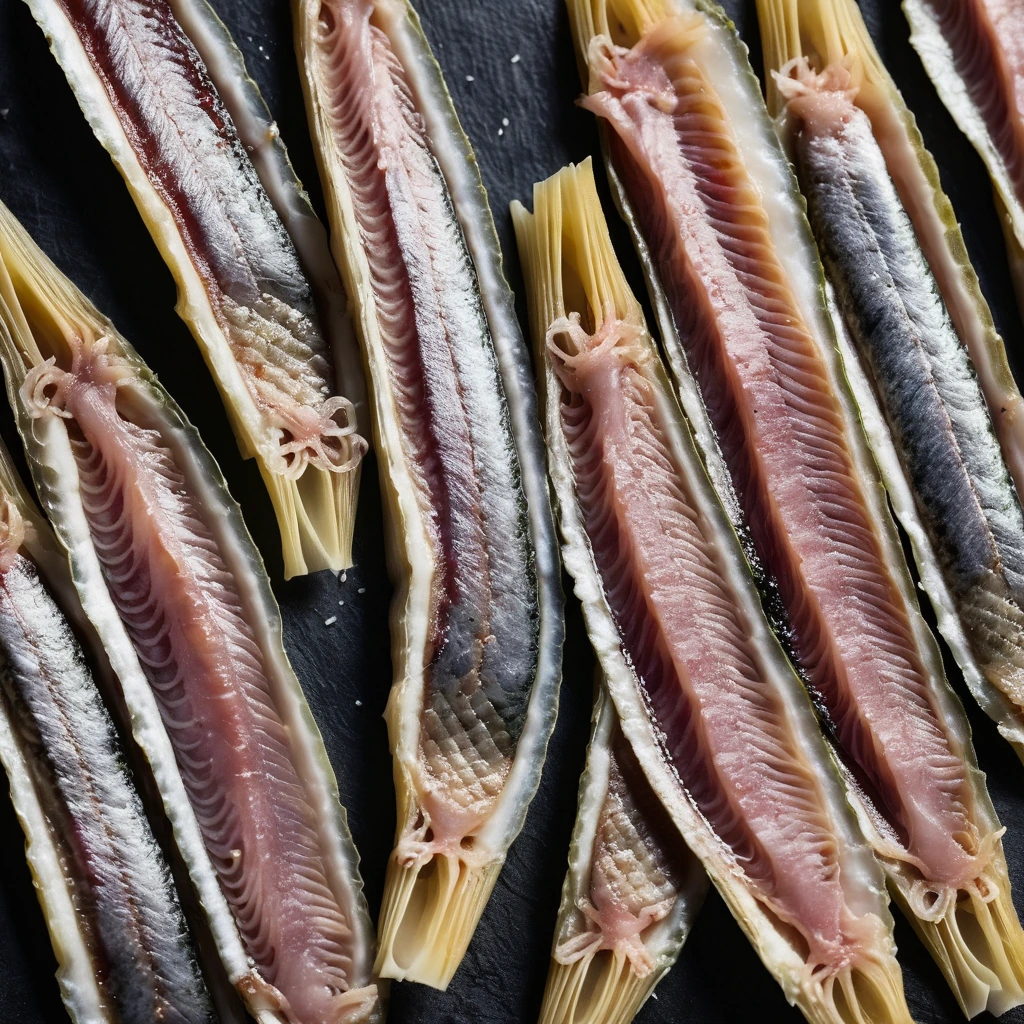
Anchovy Fillets
Silvery and succulent, anchovy fillets are a briny treasure from the sea. Their rich, umami flavor adds depth to dishes, making them a beloved ingredient in kitchens worldwide.
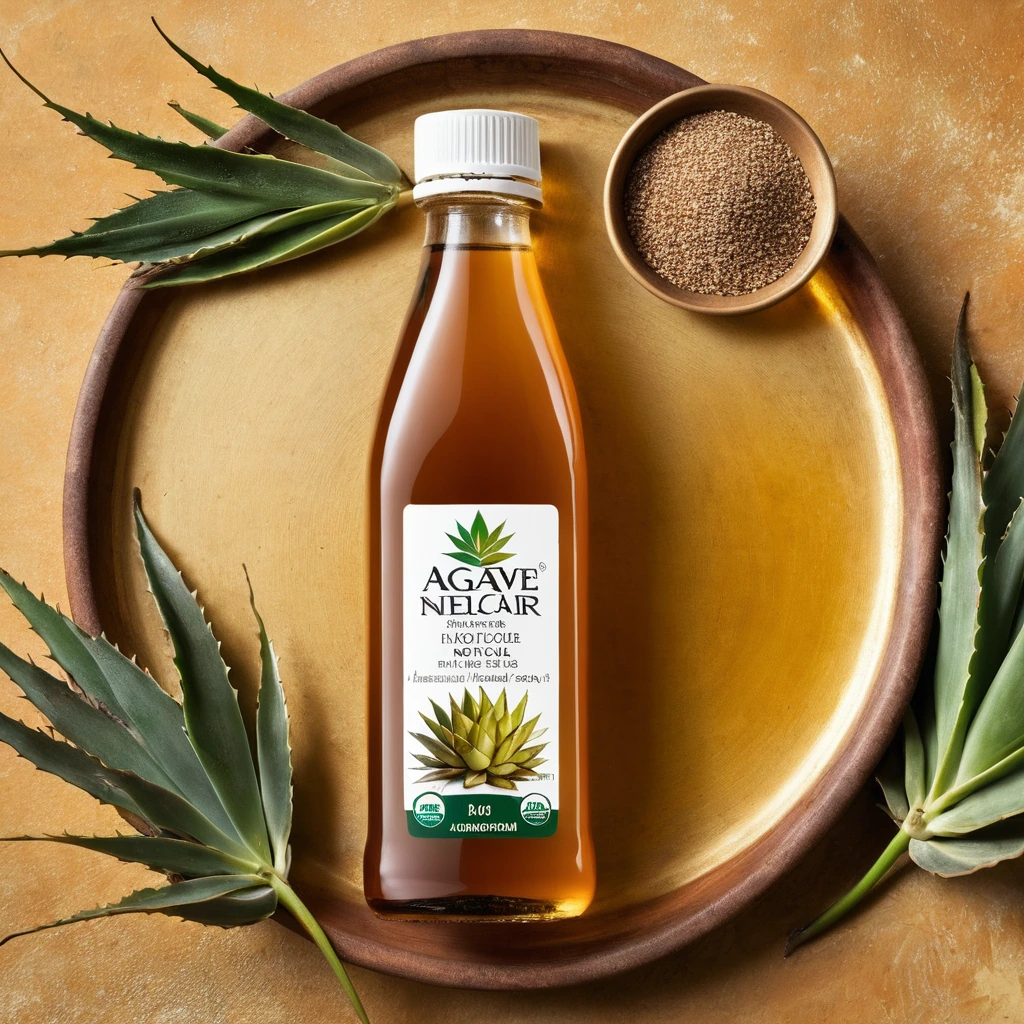
Agave Nectar
A golden, velvety sweetener derived from the agave plant, offering a subtly sweet flavor with a smooth, syrup-like texture.
Recipes to try
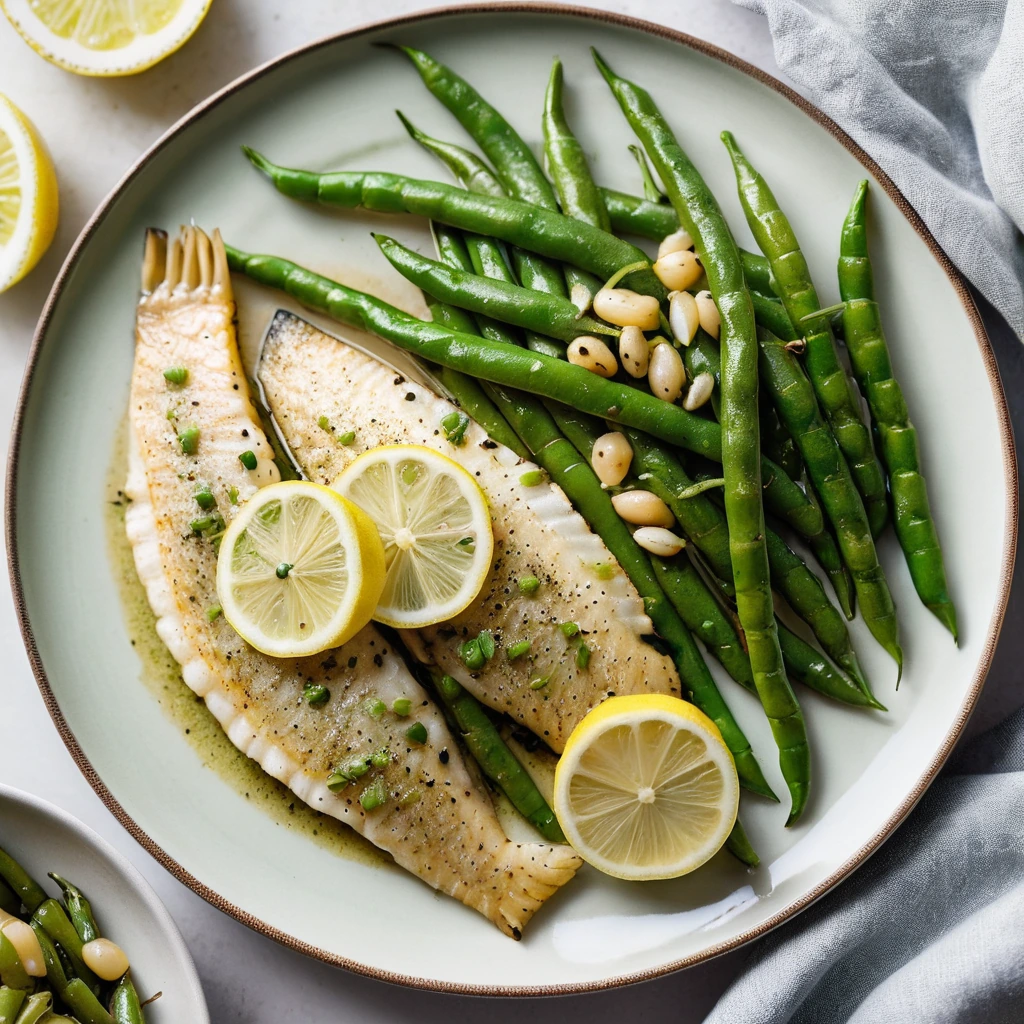
Lemon Pepper Tilapia with Garlic Green Beans
Zesty lemon pepper tilapia fillets served with garlicky, tender-crisp green beans make for a bright and satisfying weeknight meal.

Sweet Potato and Black Bean Loaded Nachos
Crispy tortilla chips piled high with roasted sweet potatoes, black beans, and melty cheese, all topped with fresh cilantro and a zesty lime kick.