Egg Technique: Separating Yolks and Whites Cleanly
Separating egg yolks from whites can seem daunting, but with the right technique, it's a breeze. This method ensures that your yolks remain intact and your whites stay free of any pesky yolk fragments. Whether you're making delicate meringues, rich custards, or fluffy soufflés, mastering this skill is essential. First, let’s talk about the importance of clean separation. Even a tiny speck of yolk can prevent egg whites from reaching their full volume when whipped. Achieving perfection requires patience and a steady hand. The secret lies in having the right tools and understanding the properties of eggs. Eggs are marvels of nature, with their yolks suspended in a cushion of white, designed to protect the potential life within. When separating, we aim to mimic this natural barrier gently. Using a clean, dry bowl is crucial because any moisture or grease can hinder the whites from whipping properly. The best tools for the job are a small bowl to catch the yolks and either an eggshell or a silicone separator. This guide will walk you through each step with precision, ensuring your egg whites are pure and your yolks are flawless. Let’s dive into the steps to make this technique second nature in your kitchen.
Notes
The science behind egg separation is fascinating. Egg whites are mostly water and protein, while yolks contain fat and emulsifiers. This difference is why yolks and whites behave so differently when cooked or whipped. To troubleshoot, if a yolk breaks, use a clean eggshell half to scoop out any stray yolk pieces. A common mistake is using a wet or greasy bowl for whites, which can prevent them from whipping properly. Always ensure your tools are dry and free from residue. For safety, discard any cracked or dirty eggs before starting. For storage, yolks can be kept in the fridge for up to two days, while whites can last up to four days. If planning ahead, you can freeze them in airtight containers, adding a pinch of salt to yolks and cream of tartar to whites for stability.
Steps
- 1 Start with eggs at room temperature for easier handling.
- 2 Crack an egg gently into a small bowl or clean eggshell half.
- 3 Allow the white to slip through your fingers into a larger bowl.
- 4 Keep the yolk in the shell or transfer it to another small bowl.
- 5 Check the larger bowl for any yolk fragments and remove with a shell half if necessary.
- 6 Repeat the process for each egg, ensuring no yolk contamination.
- 7 Use a dry, grease-free bowl for collecting egg whites.
- 8 Once separated, cover the yolks and whites to prevent drying out.
- 9 For best results, separate eggs one at a time to catch any shell fragments early.
- 10 Discard any eggs with blood spots or irregularities.
- 11 If using a silicone separator, gently squeeze to release the yolk into a bowl.
- 12 Avoid letting the yolk touch the edge of the bowl to prevent breaking.
- 13 Keep your hands and tools clean throughout the process.
- 14 Store separated yolks and whites in airtight containers if not used immediately.
Ingredients to explore
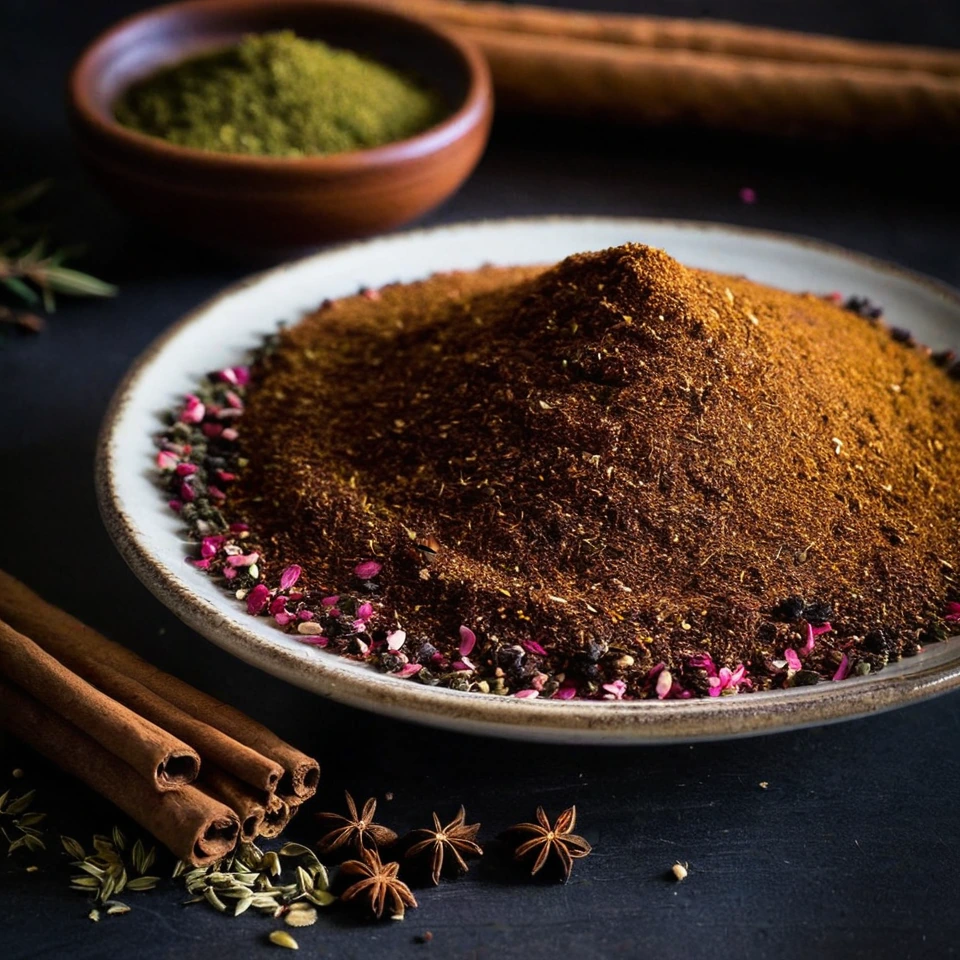
Advieh (Persian Spice Blend)
Advieh is a fragrant Persian spice blend that boasts a complex aroma of warm cinnamon, earthy cumin, and floral hints of rose and saffron. Its texture is finely ground, making it easy to incorporate into dishes. Originating from the rich culinary traditions of Iran, advieh adds depth and sophistication to both savory and sweet recipes. Its unique combination of spices reflects the historical spice trade routes that influenced Persian cuisine.
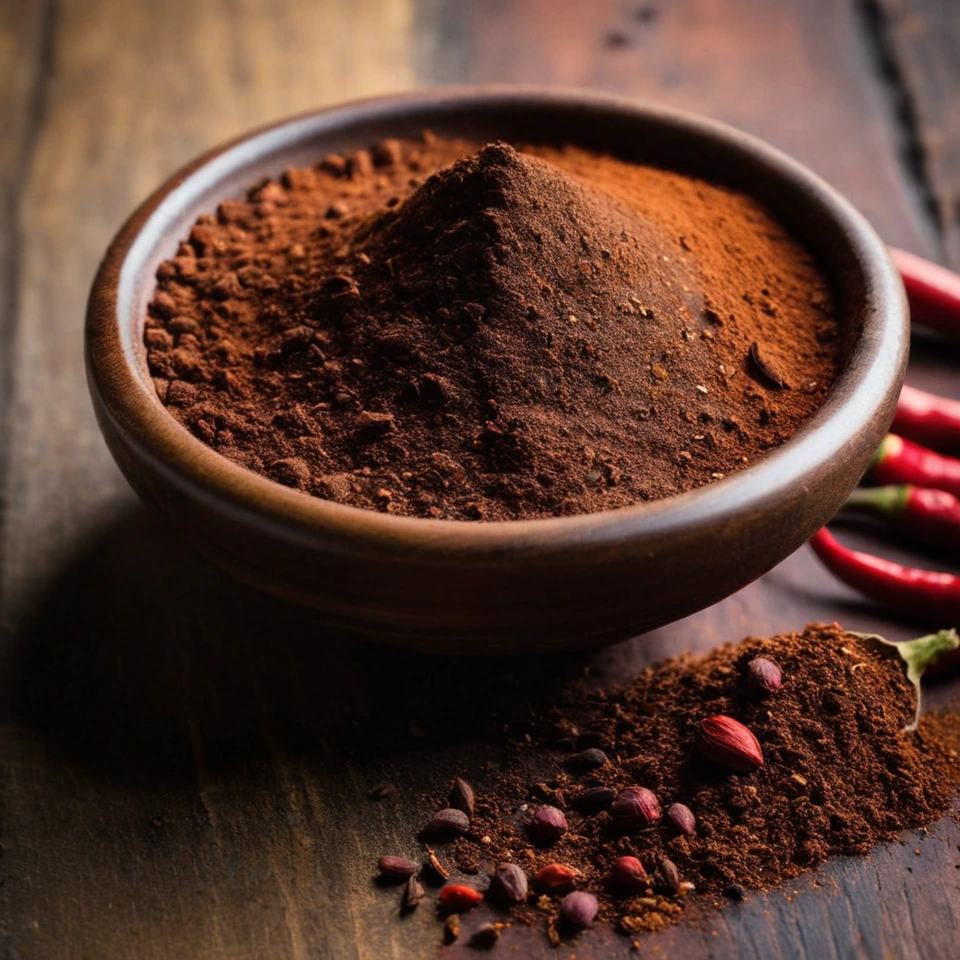
Ancho Chili Powder
Ancho chili powder offers a deep, smoky sweetness with hints of dried fruit and cocoa, reminiscent of its origin as dried poblano peppers from Mexico. Its aroma is warm and inviting, with a mild heat that lingers gently. The texture is fine and velvety, making it easy to incorporate into a variety of dishes. This powder is prized for its ability to add complexity without overwhelming spice, ideal for enriching both traditional Mexican moles and contemporary global cuisines.
Recipes to try
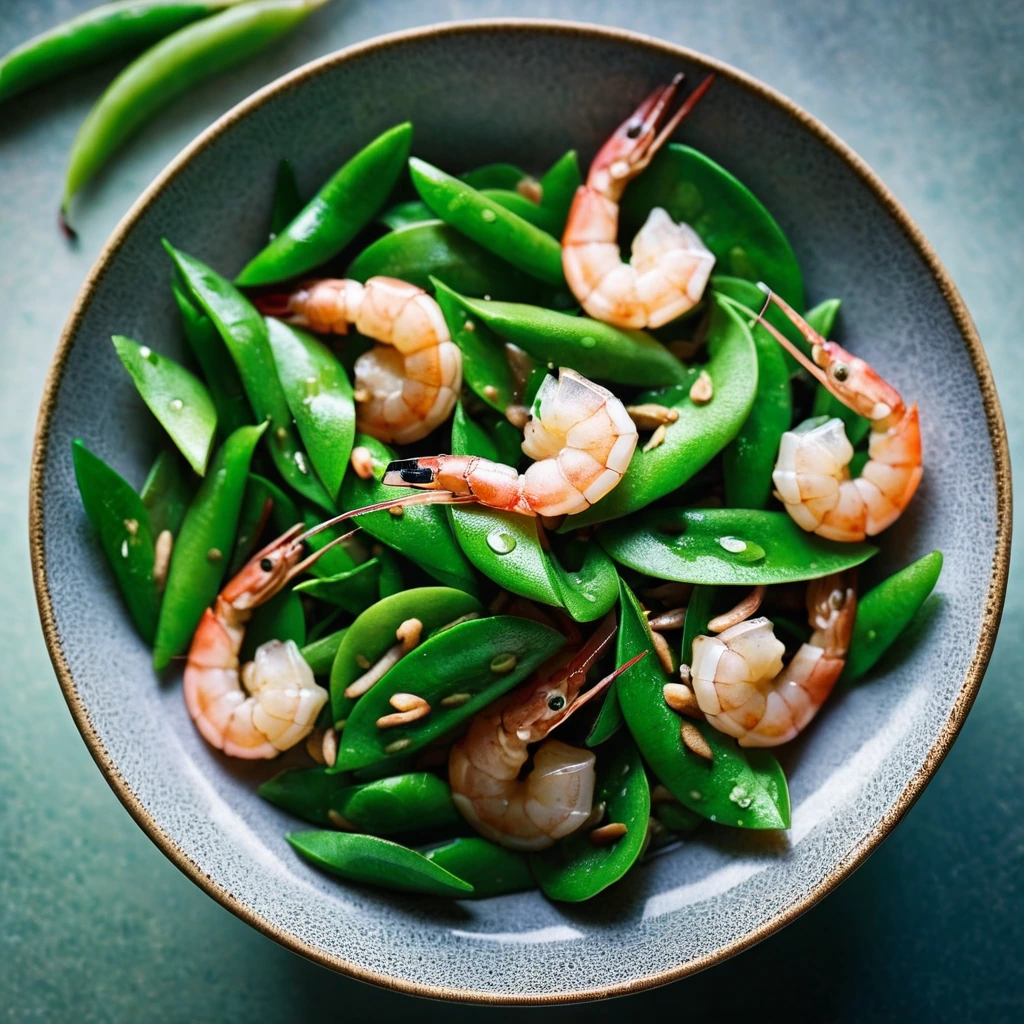
Shrimp and Snow Pea Stir Fry with Ginger
Succulent shrimp and crisp snow peas dance together in a fragrant, ginger-infused stir fry that's quick, zesty, and utterly satisfying.
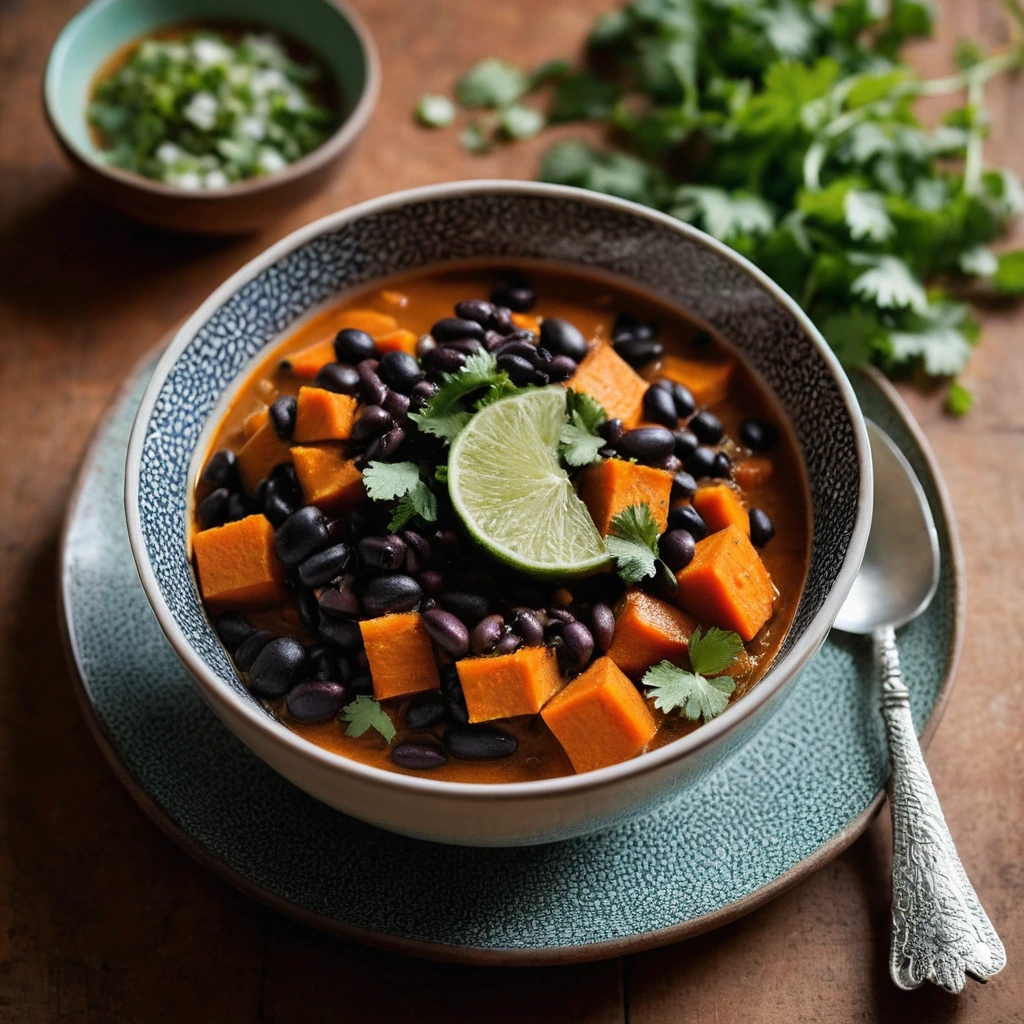
Smoky Sweet Potato and Black Bean Stew
Hearty and deeply flavorful, this stew is a comforting hug in a bowl with smoky spices and tender sweet potatoes.