Egg Technique: Poaching Eggs with Neat Whites
Poaching eggs can seem like a culinary enigma, but with the right technique, you can achieve perfectly poached eggs with neat whites every time. The key is to control the egg white's dispersal in the water, ensuring a clean, round shape that encapsulates the yolk. This technique starts by preparing your ingredients and tools properly. Crack your eggs into individual ramekins to ensure easy transfer into the water. Adding a splash of vinegar to the water helps the egg whites coagulate faster, maintaining their structure. Fresh eggs are preferable because their whites have a higher protein content and are less likely to spread. Bringing the water to a gentle simmer, rather than a rolling boil, is crucial to prevent the eggs from breaking apart. Using a slotted spoon to swirl the water creates a vortex that encourages the egg whites to wrap around the yolk. With patience and precision, you can master this technique and elevate your breakfast game with restaurant-quality poached eggs.
Notes
The science behind neat egg whites lies in protein coagulation. At around 140°F, egg proteins begin to coagulate, forming a solid structure. Vinegar helps lower the pH of the water, aiding in this process. A common mistake is using water that's too hot; a gentle simmer is key to prevent whites from dispersing. For safety, ensure your eggs are fresh and your water is clean. Poached eggs can be made ahead and gently reheated in simmering water, but they are best enjoyed fresh. Store unused eggs in their shells in the refrigerator for up to a week.
Steps
- 1 Fill a medium saucepan with 2-3 inches of water and add 1 tablespoon of white vinegar.
- 2 Heat the water over medium heat until it reaches a gentle simmer (around 160°F).
- 3 Crack each egg into a separate ramekin or small bowl.
- 4 Use a spoon to stir the water in a circular motion to create a gentle vortex.
- 5 Gently slide one egg from its ramekin into the center of the vortex.
- 6 Allow the egg to cook undisturbed for 3-4 minutes, depending on desired yolk runniness.
- 7 Use a slotted spoon to carefully remove the egg from the water.
- 8 Transfer the egg to a paper towel-lined plate to drain excess water.
- 9 Repeat with remaining eggs, ensuring the water returns to a simmer between each egg.
- 10 Serve immediately with your favorite breakfast dishes.
Ingredients to explore
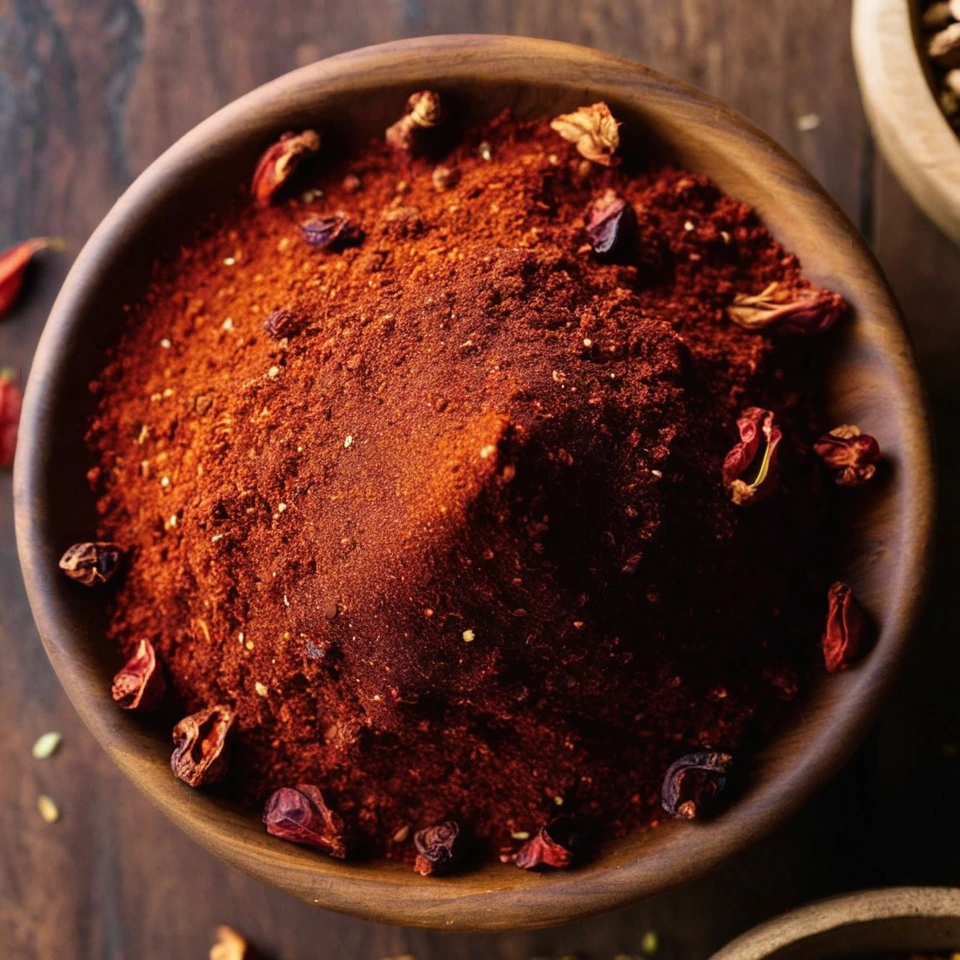
Aleppo Pepper
Aleppo pepper offers a harmonious balance of heat and sweetness, with a subtle fruity aroma reminiscent of sun-dried tomatoes and currants. Originating from the region around Aleppo, Syria, it has a fine, slightly coarse texture that shatters easily between fingers. Its mild yet complex flavor profile makes it a prized seasoning for enhancing dishes without overwhelming them. Valued for its versatility, it bridges the gap between spice and seasoning, bringing a touch of warmth and depth to a variety of cuisines.
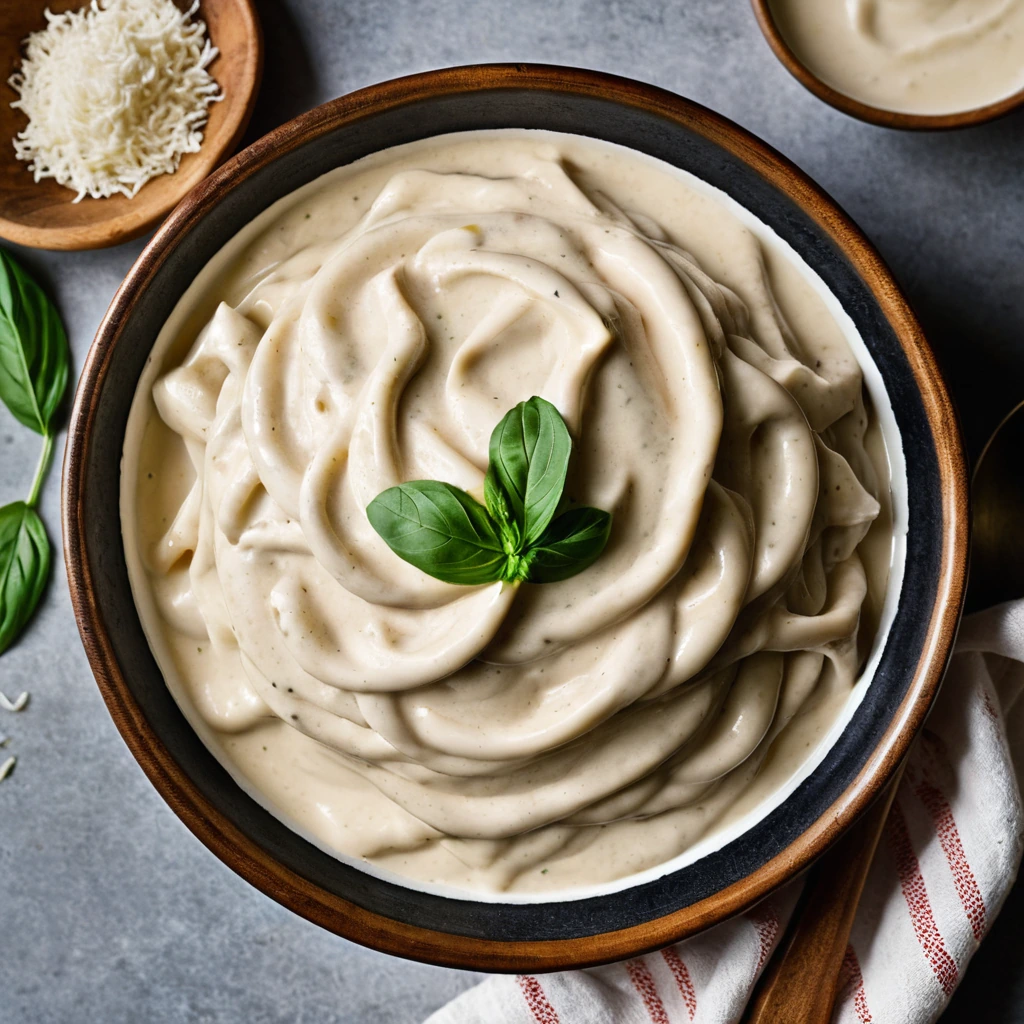
Alfredo Sauce
Creamy, rich, and utterly indulgent, Alfredo sauce is a dreamy blend of butter, heavy cream, and Parmesan cheese. Its velvety texture and savory depth make it a beloved staple in Italian-American cuisine.
Recipes to try
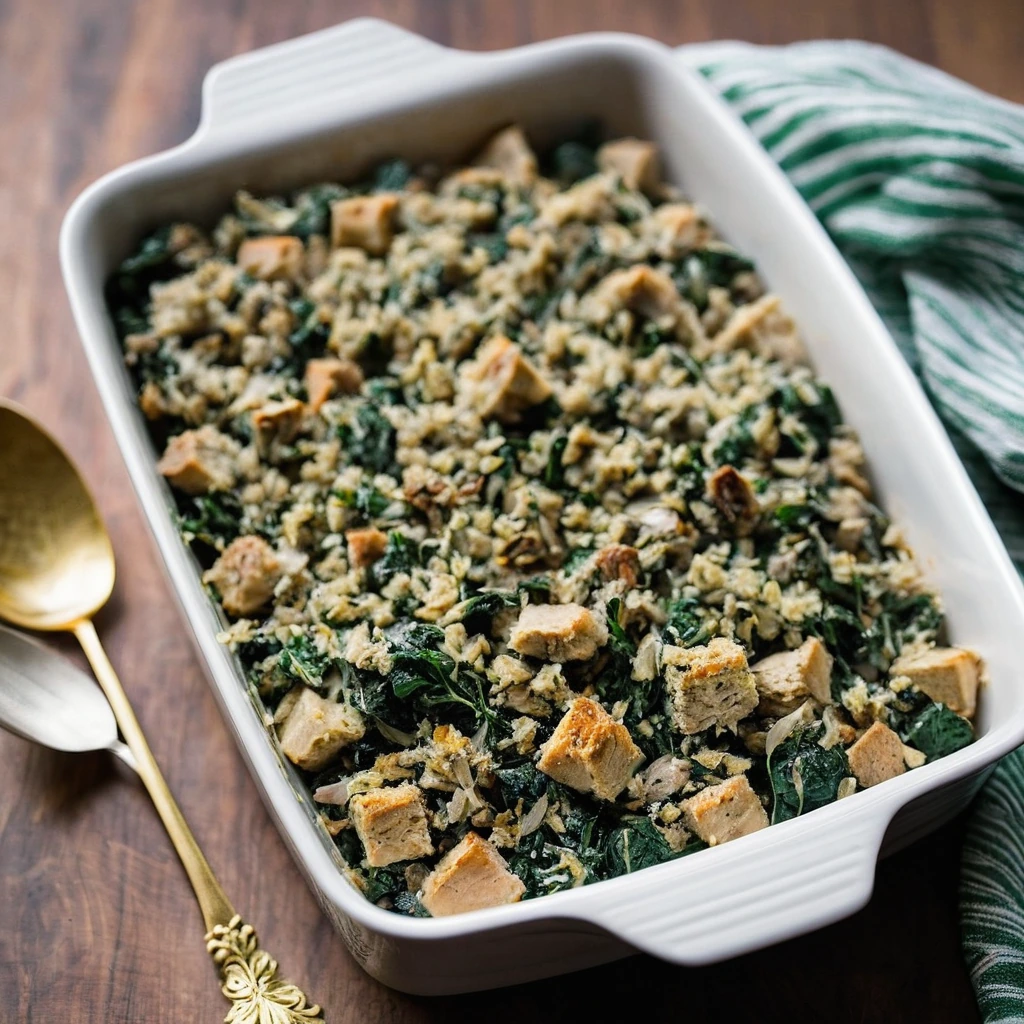
Turkey, Spinach, and Stuffing Casserole
A cozy, golden casserole brimming with tender turkey, vibrant spinach, and savory stuffing.
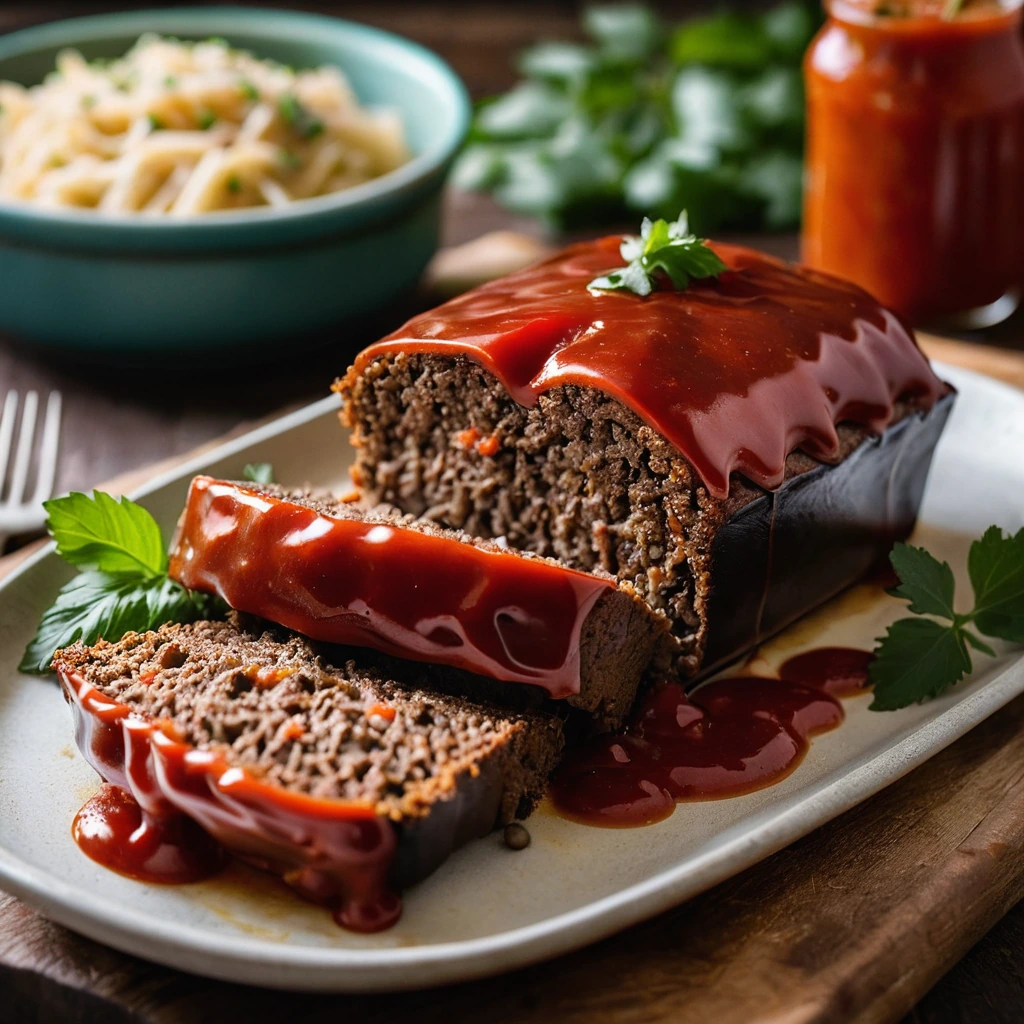
Pepper Jack Stuffed Meatloaf with Salsa Glaze
A savory meatloaf stuffed with gooey pepper jack cheese and topped with a tangy, zesty salsa glaze that'll have your taste buds doing a happy dance.