Egg & Dairy Technique: Whisking Eggs into Soups Without Scrambling
Whisking eggs into soups is a classic technique that adds richness and body without turning your soup into scrambled egg chunks. This method is particularly useful for creamy soups like bisque or chowder. The key is to temper the eggs gently, ensuring they cook evenly and blend seamlessly into the soup. This technique requires patience and attention to detail to achieve a smooth, velvety texture without any lumps or curds. Understanding the science behind the process is crucial—eggs scramble when proteins coagulate too quickly due to high heat. By gradually raising the egg temperature, you prevent this abrupt protein bonding. Achieving this requires a delicate balance of whisking and timing. First, always use fresh eggs for the best results. Second, never pour raw eggs directly into hot soup; instead, create a slurry by whisking eggs with a small amount of warm soup before reintroducing them to the pot. This gradual incorporation is the secret to maintaining the eggs' integrity while enriching the soup. The technique is versatile and can be adapted for dairy additions like cream or milk, ensuring they integrate smoothly without separating. Finally, remember to monitor the heat closely; low and steady is the mantra here. With practice, this technique will elevate your soups from ordinary to extraordinary, offering a luxurious mouthfeel that delights diners.
Notes
The science behind this technique lies in the gradual denaturation of egg proteins. By slowly raising their temperature, you prevent the proteins from seizing up and forming curds. Common mistakes include adding eggs too quickly or at too high a heat, both of which lead to scrambling. To troubleshoot, always use a gentle simmer and ensure your egg mixture is well-tempered before adding it back to the soup. For safety, ensure your eggs are fresh and consider using pasteurized eggs if you have concerns. This soup can be made ahead and reheated gently, but adding eggs at the last minute is best for texture. Store leftovers in an airtight container in the refrigerator for up to 3 days.
Steps
- 1 Bring your soup to a gentle simmer over medium-low heat.
- 2 In a separate bowl, crack 2-3 eggs and whisk them until just combined.
- 3 Ladle out about 1/2 cup of the hot soup into the eggs, whisking constantly to create a slurry.
- 4 Repeat the previous step with another 1/2 cup of soup to further temper the eggs.
- 5 Slowly pour the tempered egg mixture back into the soup, whisking continuously.
- 6 Continue to cook over low heat, stirring gently with a wooden spoon or spatula.
- 7 Cook until the eggs thicken the soup slightly, about 2-3 minutes, but do not let it boil.
- 8 Remove the soup from heat just before the eggs fully set to avoid scrambling.
Ingredients to explore
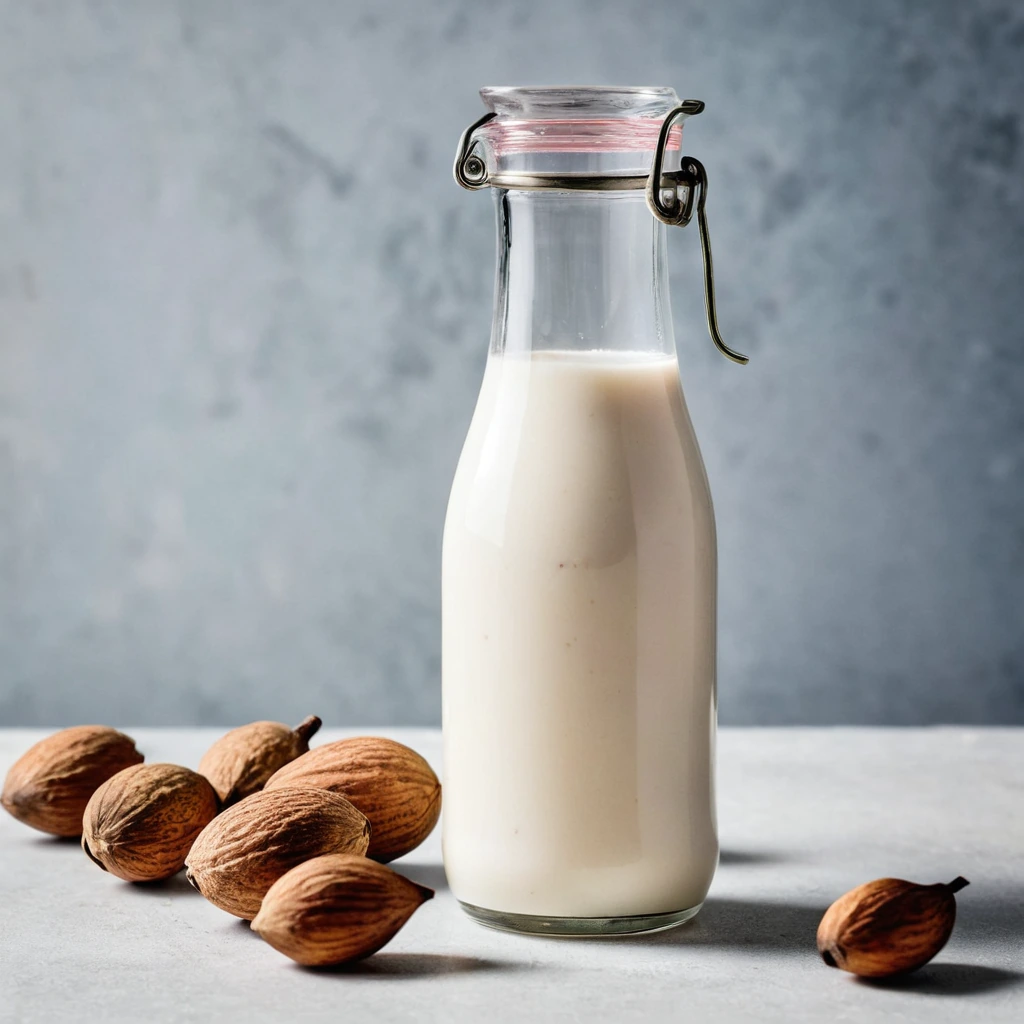
Almond Milk
Almond milk is a plant-based milk alternative made from ground almonds and water. Originating from traditional recipes in medieval Europe and the Middle East, it has gained widespread popularity in modern times as a dairy-free option. Almond milk has a subtly nutty flavor with a mild sweetness, and its aroma is reminiscent of fresh almonds. Its texture is smooth and creamy, though typically lighter than dairy milk. In cooking, almond milk behaves well in both savory and sweet applications, though it does not brown or caramelize like dairy milk. It is often used in cereals, smoothies, and baking, where its delicate flavor complements rather than overpowers other ingredients.
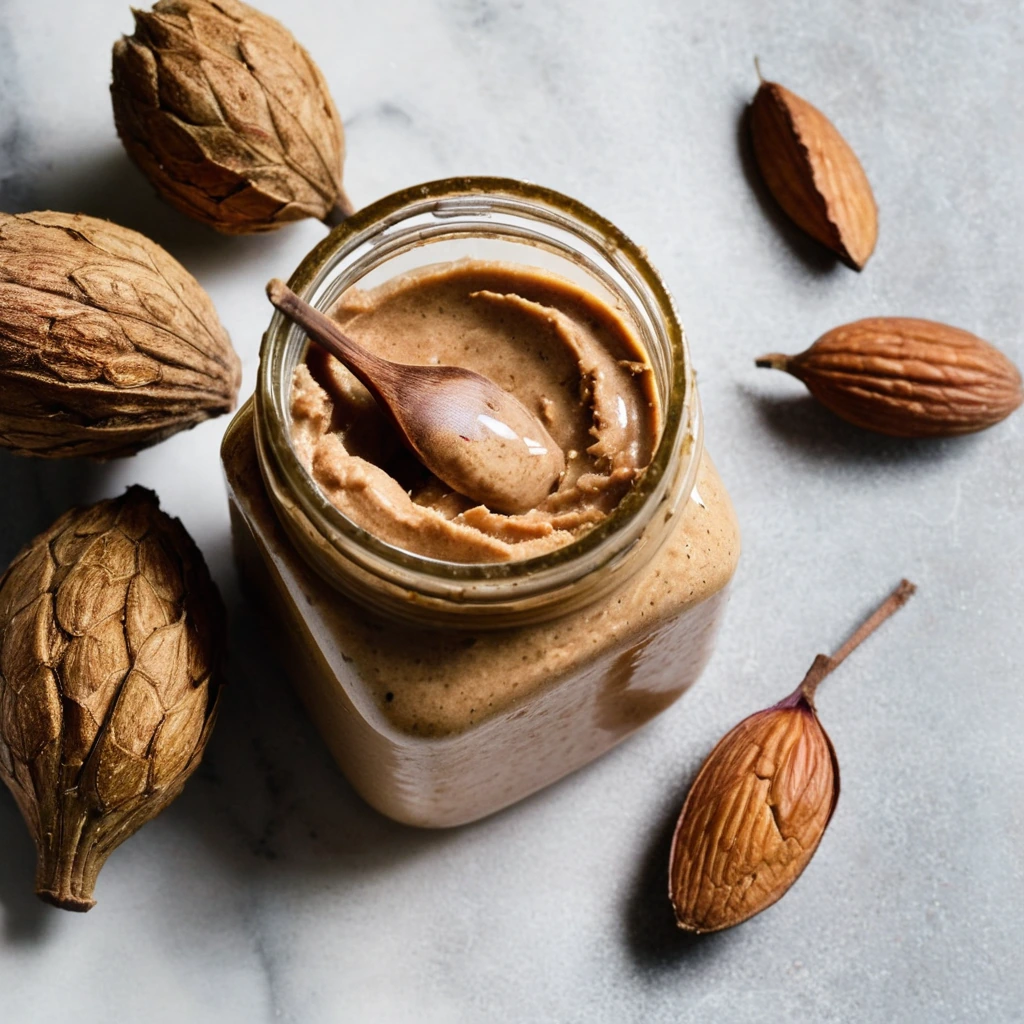
Almond Butter
A velvety, nutty spread crafted from finely ground almonds, offering a rich and satisfying flavor that's both comforting and indulgent.