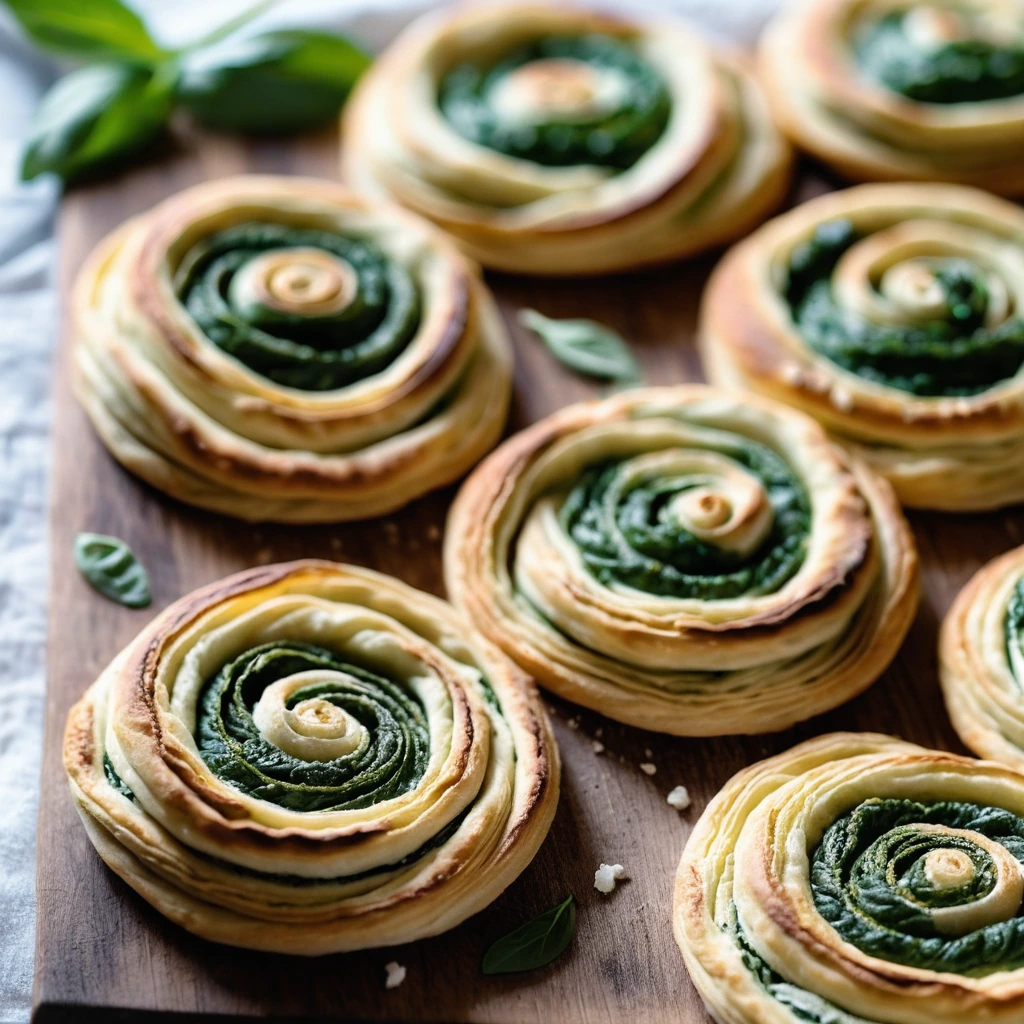
Egg & Dairy Technique: Making Quick Ricotta from Milk and Acid
Creating quick ricotta at home is a delightful way to transform simple ingredients into a luscious, creamy cheese. This technique harnesses the power of acid to curdle milk, producing a fresh, tangy ricotta that's perfect for both sweet and savory dishes. Unlike traditional ricotta made with rennet, quick ricotta relies on an acidic agent like lemon juice or vinegar to separate the curds from the whey. This method is not only faster but also allows for flexibility and creativity in the kitchen. By understanding the science behind this process, home cooks can tailor their ricotta to their taste preferences and culinary needs. The key is to control the acidity and temperature to ensure a smooth and consistent texture. Whether you're spooning it onto a dish of pasta or spreading it onto warm toast, homemade ricotta is a testament to the magic that happens when you cook with intention and curiosity. This technique is perfect for anyone looking to elevate their cooking with minimal effort and maximum flavor.
Notes
The science behind making quick ricotta is fascinating. When milk is heated with an acid, the proteins in the milk coagulate and form curds. This process is similar to what happens in yogurt making but is quicker due to the direct acidification. The ideal temperature for curdling is around 190°F, which is hot enough to cause the proteins to bond but not so high that the curds become tough. Common mistakes include overheating the milk, which can result in grainy ricotta, or using too much acid, leading to an overly tangy flavor. For safety, always ensure your equipment is clean to prevent bacterial growth. To make ahead, store your ricotta in an airtight container in the refrigerator for up to 5 days. Remember, ricotta is best used fresh for optimal flavor and texture.
Steps
- 1 Pour 4 cups of whole milk into a medium saucepan.
- 2 Add 1/2 cup of plain white vinegar or the juice of 2 lemons to the milk.
- 3 Heat the mixture over medium heat, stirring occasionally, until it reaches 190°F.
- 4 Look for the milk to separate into curds and whey.
- 5 Once curds form, remove the saucepan from the heat immediately.
- 6 Cover the saucepan and let it sit for 10 minutes to allow the curds to fully separate.
- 7 Line a colander with a clean kitchen towel or cheesecloth and place it over a bowl.
- 8 Carefully pour the curds into the colander, allowing the whey to drain.
- 9 Gather the edges of the cloth and gently squeeze out excess whey.
- 10 Transfer the ricotta to a container and season with salt to taste.
- 11 Chill the ricotta in the refrigerator for at least 1 hour before using.
- 12 Use within 5 days for the best flavor and texture.
Ingredients to explore
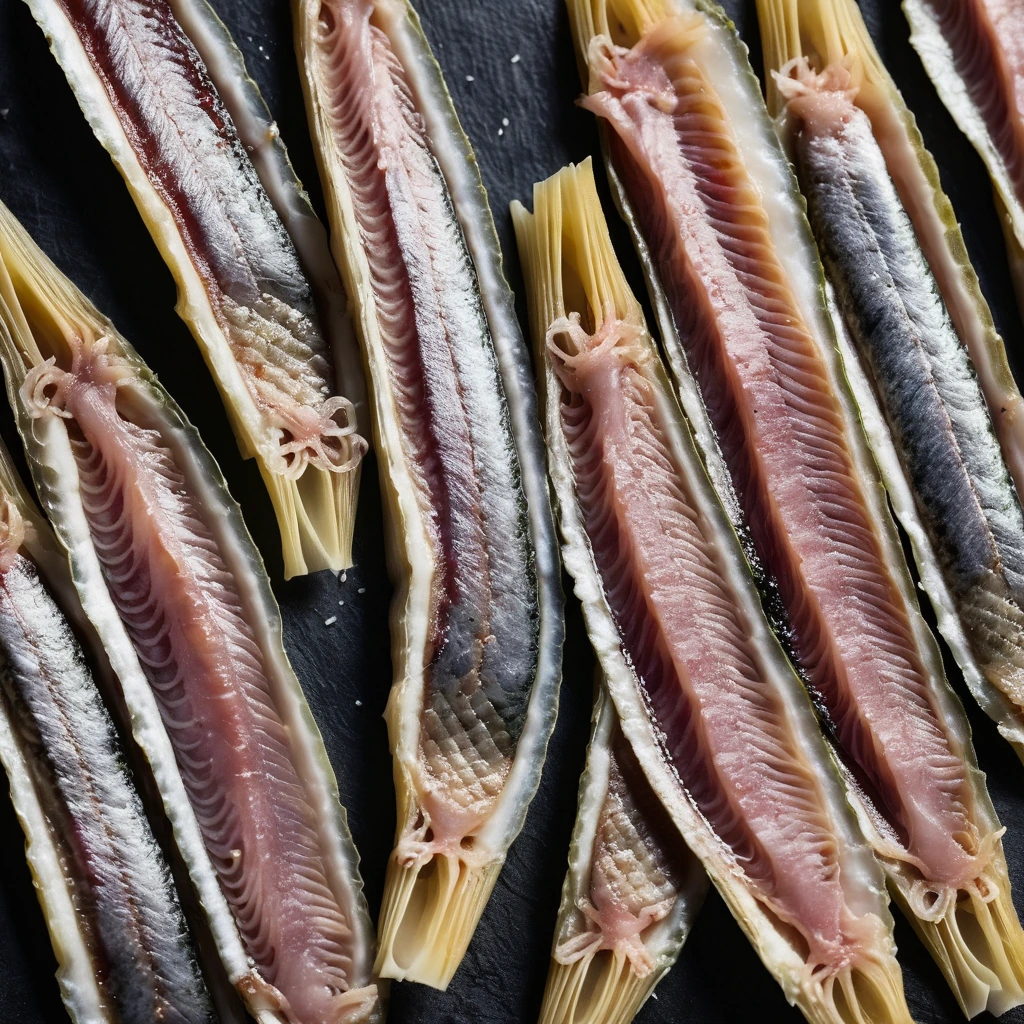
Anchovy Fillets
Silvery and succulent, anchovy fillets are a briny treasure from the sea. Their rich, umami flavor adds depth to dishes, making them a beloved ingredient in kitchens worldwide.
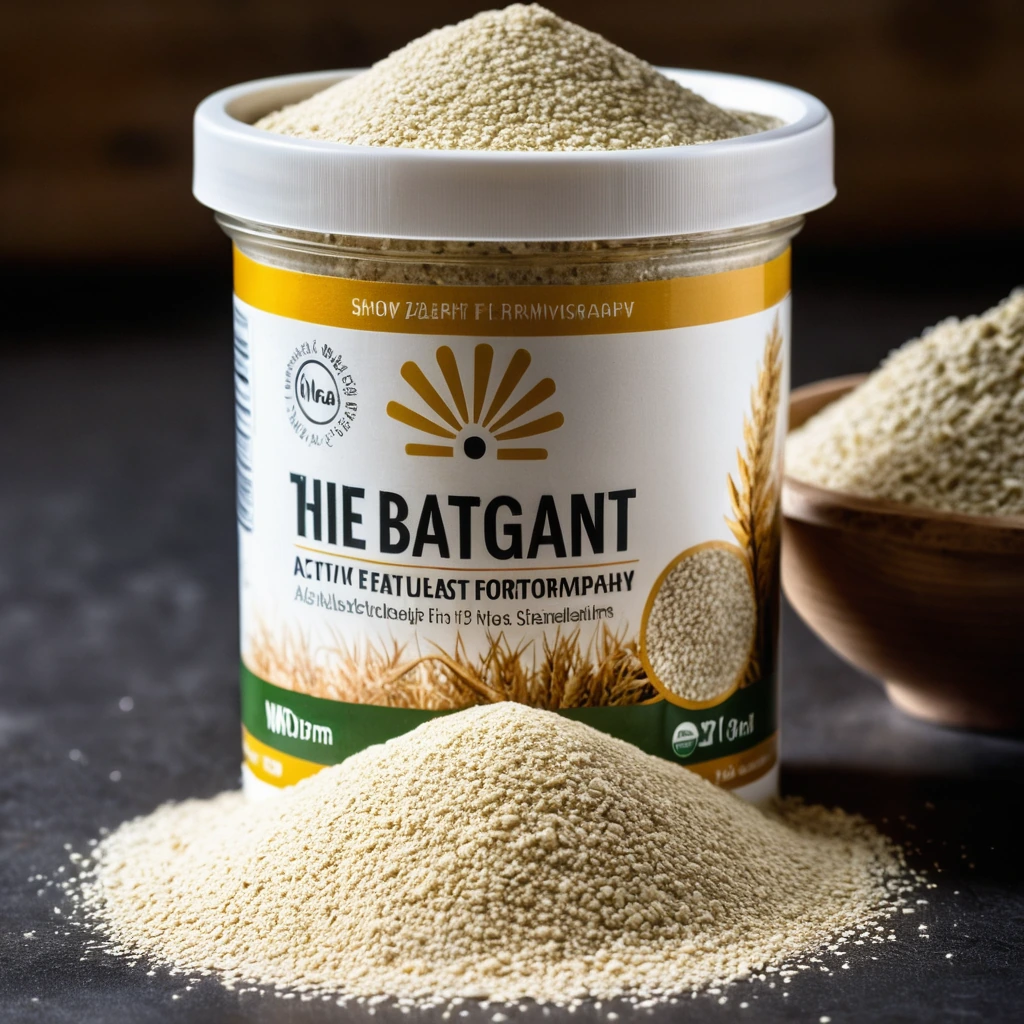
Active Dry Yeast
A fine, granulated leavening agent that brings baked goods to life with its gentle fermentation magic.