Dry Heat: High-Heat Roasting for Deep Caramelization
High-heat roasting is a dry heat cooking technique that transforms ordinary vegetables and meats into deeply caramelized, richly flavored dishes. The key to this method is the intense heat, which quickly sears the surface of the food, creating a flavorful crust through the Maillard reaction. This browning process not only enhances the taste but also adds a delightful texture. Achieving deep caramelization requires careful attention to temperature and timing, ensuring the food cooks evenly without burning. Ideal for hearty root vegetables like carrots and parsnips, as well as proteins like chicken thighs, high-heat roasting brings out natural sugars and creates layers of complexity in flavor. Understanding how heat interacts with food is crucial; too low and you risk steaming instead of roasting, too high and you might char before the interior is cooked. This technique is perfect for busy home cooks looking to elevate their dishes with minimal effort. By following a few simple steps, you can unlock the full potential of your ingredients, resulting in dishes that are both impressive and delicious.
Notes
The science behind high-heat roasting lies in the Maillard reaction, where amino acids and reducing sugars react to form new flavor compounds. Keep an eye on your roast to avoid burning, especially if using a convection oven, which can cook faster. A common mistake is overcrowding the pan, which leads to steaming instead of roasting. Ensure proper airflow around each piece for even cooking. For safety, always use oven mitts when handling hot baking sheets. To make ahead, roast your ingredients and store them in an airtight container in the fridge for up to 3 days. Reheat in a 350°F oven to restore crispness.
Steps
- 1 Preheat oven to 425°F.
- 2 Pat your ingredients dry with a paper towel.
- 3 Toss ingredients with 2 tablespoons of olive oil.
- 4 Season generously with salt and pepper.
- 5 Spread ingredients in a single layer on a rimmed baking sheet.
- 6 Roast for 20 minutes.
- 7 Flip the ingredients with a spatula.
- 8 Roast for another 15-20 minutes, checking for color.
- 9 Remove from oven when edges are caramelized and crispy.
- 10 Let rest for 5 minutes before serving.
Ingredients to explore
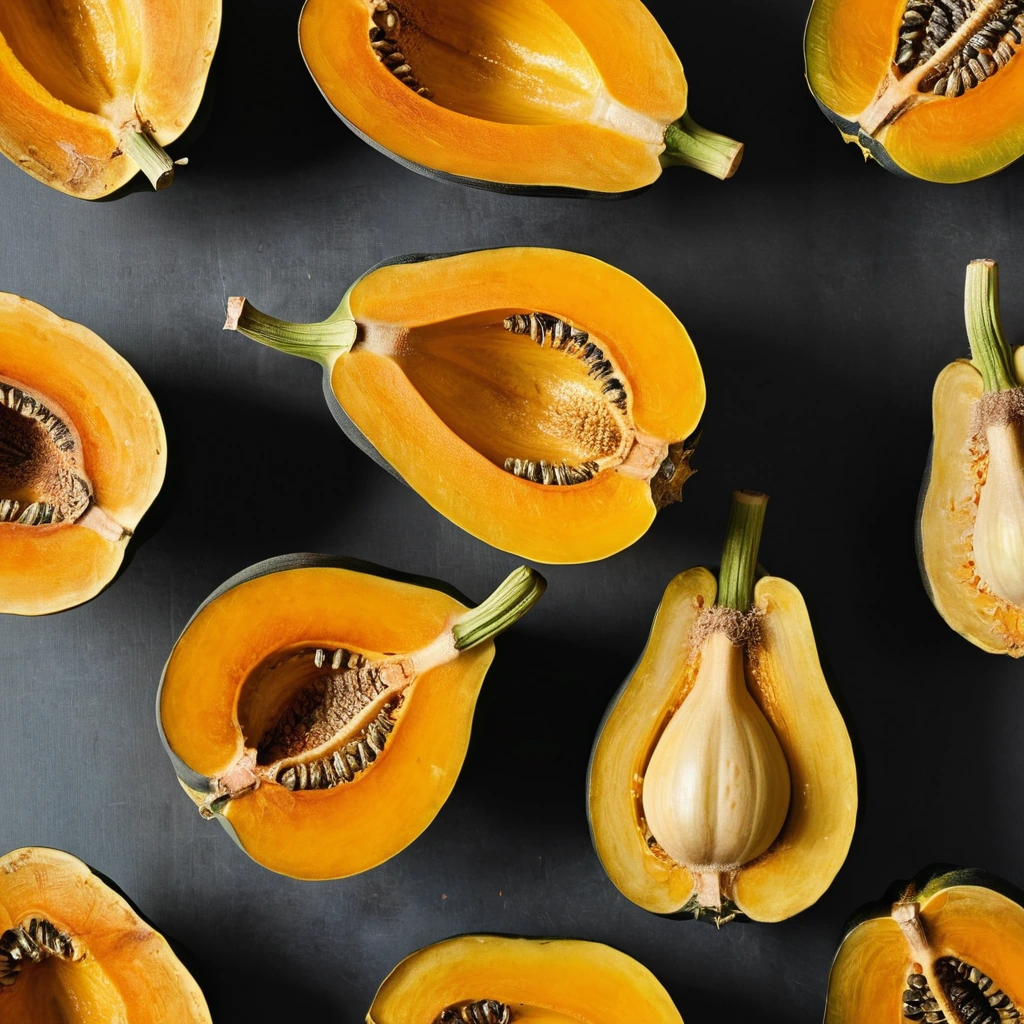
Acorn Squash
Acorn squash is a winter squash variety known for its distinctive teardrop shape and deep ridges resembling the texture of an acorn shell. Originating in the Americas, it has been cultivated for centuries and is a staple in autumn cuisine. The flesh is sweet and nutty with a hint of earthiness, offering a delightful contrast to savory dishes. Its texture is dense yet tender when cooked, making it ideal for roasting or pureeing. In cooking, acorn squash holds its shape well and absorbs flavors from herbs and spices, enhancing both its taste and versatility in recipes.
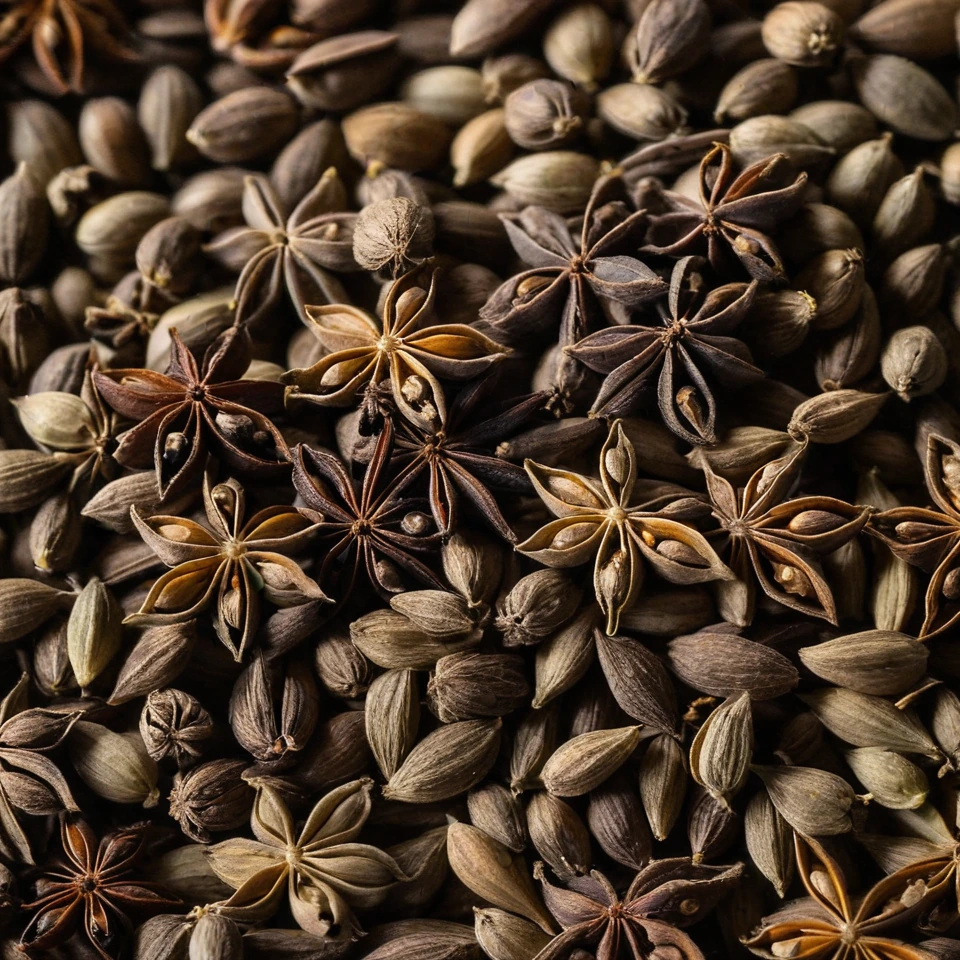
Anise Seeds
Anise seeds are small, oval seeds with a sweet, licorice-like flavor. They are commonly used in both sweet and savory dishes, offering a warm, aromatic taste.
Recipes to try
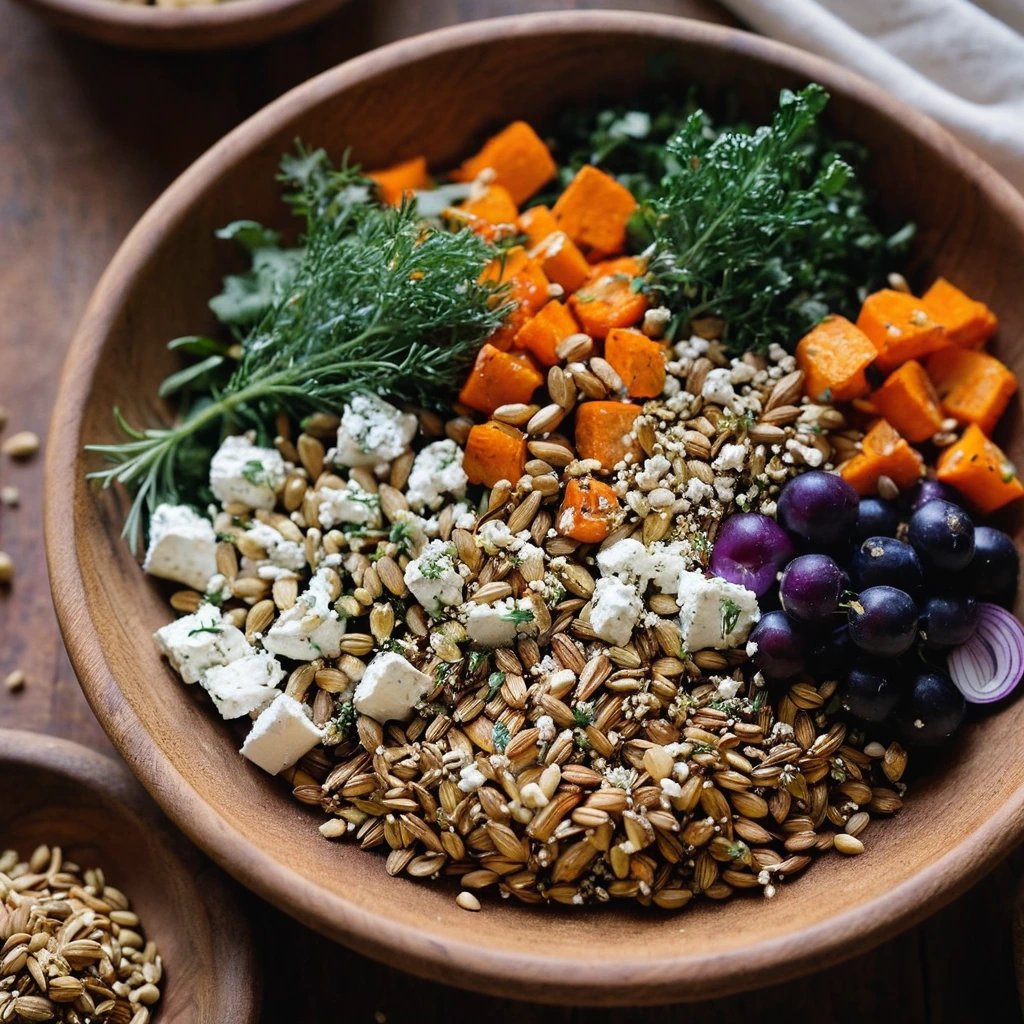
Roasted Vegetable and Goat Cheese Grain Bowls
Warm, roasted veggies mingle with creamy goat cheese over a bed of nutty grains for a comforting yet vibrant meal.
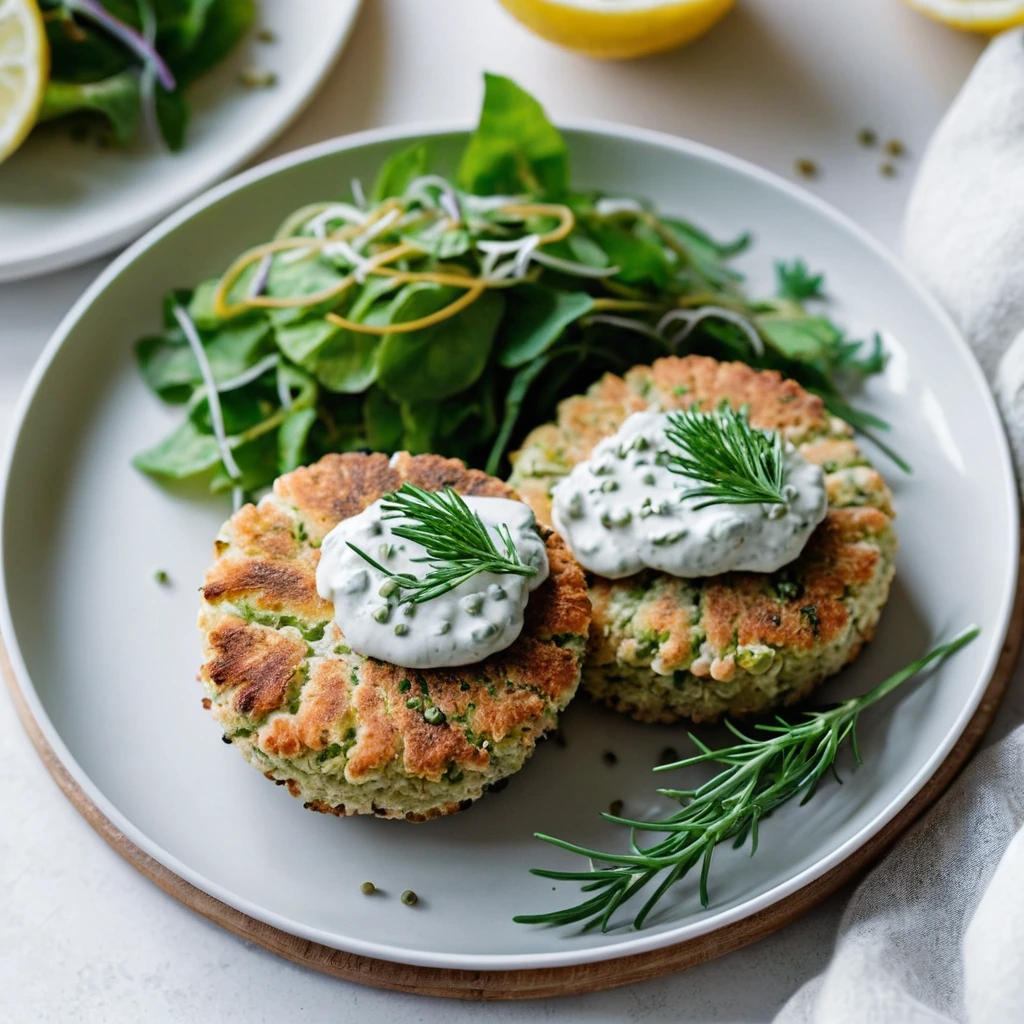
Lemon Dill Salmon Cakes with Caper Mayo
Golden, crispy salmon cakes bursting with fresh dill and zesty lemon, served with a tangy caper mayo that'll have you hooked.