Condiment Technique: Using Citrus Zest Salts as a Finishing Touch
Elevate your dishes with the bright, punchy flavor of citrus zest salts. This technique transforms ordinary salt into a gourmet condiment that adds a burst of freshness to any meal. Perfect for finishing grilled meats, roasted vegetables, or even sprinkling over popcorn, citrus zest salts are a simple yet impactful way to impress your guests. The process involves zesting citrus fruits, drying the zest, and combining it with high-quality salt. The result is a vibrant, aromatic seasoning that can turn the mundane into the extraordinary. Not only does this technique enhance flavor, but it also introduces a visually appealing element to your culinary creations. The key to success lies in selecting the freshest citrus and ensuring the zest is completely dry before mixing. Dive into this guide to learn how to create your own citrus zest salts and discover why they are a must-have in your cooking repertoire.
Notes
The science behind citrus zest salts lies in the aromatic oils found in the zest, which infuse the salt with bright, fresh flavors. Ensuring the zest is thoroughly dry is crucial; any moisture can lead to clumping and spoilage. A common mistake is incorporating the pith, which adds bitterness rather than enhancing flavor. To avoid this, use a sharp zester and only scrape the colorful part of the peel. Safety is minimal, but always wash your citrus before zesting. For make-ahead convenience, store your zest salts in an airtight container away from light and heat. They make excellent gifts and are sure to impress with their professional touch.
Steps
- 1 Select fresh, unwaxed citrus fruits like lemons, limes, or oranges.
- 2 Using a fine grater or zester, remove only the colorful outer layer of the citrus peel, avoiding the bitter white pith.
- 3 Spread the zest in a single layer on a parchment-lined baking sheet.
- 4 Dry the zest in a low oven at 200°F for about 30 minutes, or until completely dry and crisp.
- 5 Allow the zest to cool completely before handling.
- 6 In a clean, dry bowl, combine the dried zest with fine sea salt in a 1:4 ratio (1 part zest to 4 parts salt).
- 7 Mix thoroughly to ensure even distribution of zest throughout the salt.
- 8 Transfer the mixture to an airtight container for storage.
- 9 Use your citrus zest salt as a finishing touch on dishes just before serving.
- 10 Experiment with different citrus combinations to create unique flavor profiles.
- 11 Store your zest salt in a cool, dark place for up to 3 months.
- 12 Taste a small amount before using to adjust salt levels if needed.
- 13 Label your container with the citrus type and date for easy identification.
Ingredients to explore
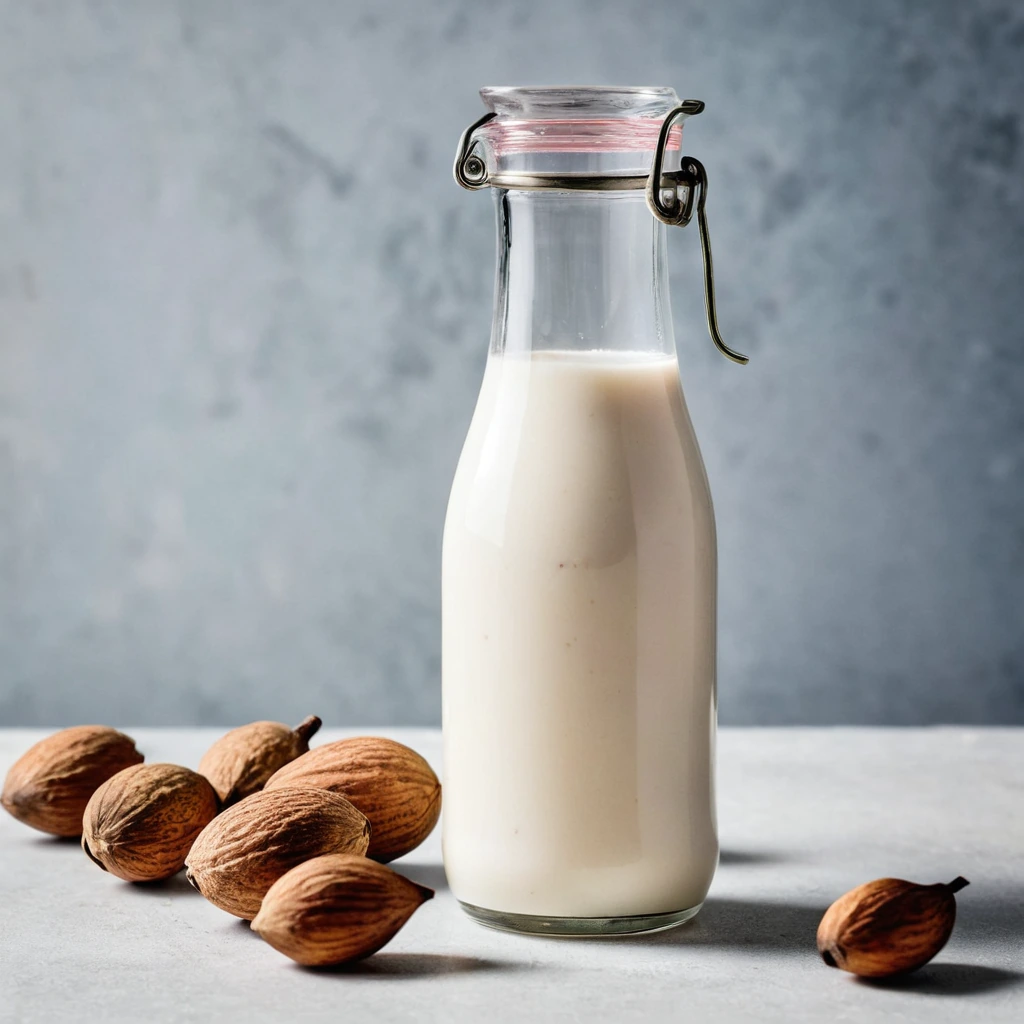
Almond Milk
Almond milk is a plant-based milk alternative made from ground almonds and water. Originating from traditional recipes in medieval Europe and the Middle East, it has gained widespread popularity in modern times as a dairy-free option. Almond milk has a subtly nutty flavor with a mild sweetness, and its aroma is reminiscent of fresh almonds. Its texture is smooth and creamy, though typically lighter than dairy milk. In cooking, almond milk behaves well in both savory and sweet applications, though it does not brown or caramelize like dairy milk. It is often used in cereals, smoothies, and baking, where its delicate flavor complements rather than overpowers other ingredients.
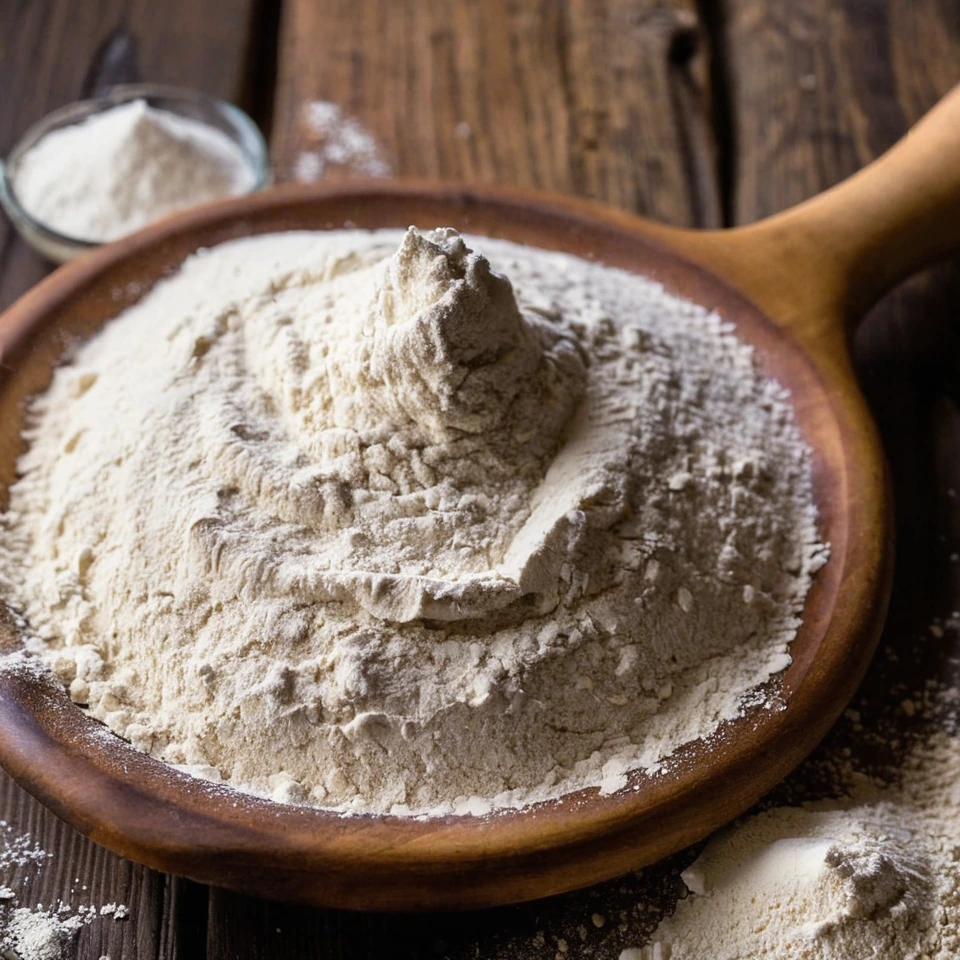
All-Purpose Flour
All-purpose flour is a versatile wheat flour that contains a moderate level of protein and gluten, making it suitable for a wide range of baking and cooking needs.
Recipes to try

Maple Pecan Bread Pudding with Vanilla Sauce
Warm, spiced bread pudding drizzled with maple syrup and crunchy pecans, served with a silky vanilla sauce.
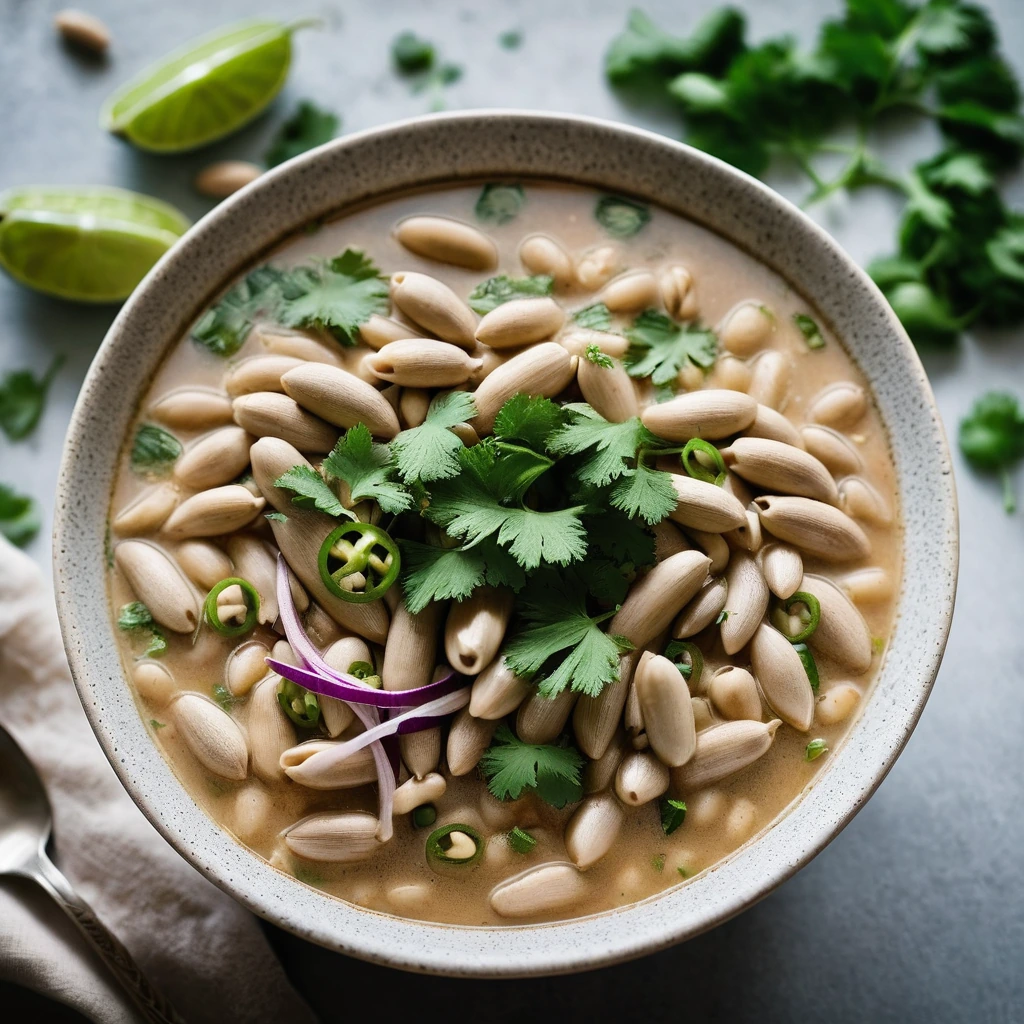
White Bean Chicken Chili with Green Chiles
A hearty, creamy chili brimming with tender chicken, buttery white beans, and a kick of smoky green chiles.