Condiment Technique: Quick-Pickling Any Vegetable from Pantry Staples
Quick-pickling is a delightful technique that transforms ordinary vegetables into tangy, crunchy condiments in just a few hours. Unlike traditional pickling, which requires canning and long fermentation times, quick-pickling is a speedy process that relies on the acidity of vinegar to preserve and flavor vegetables. This method is perfect for home cooks looking to elevate sandwiches, salads, or charcuterie boards with minimal effort. The key to successful quick-pickling lies in selecting fresh, crisp vegetables and a simple brine made from pantry staples like vinegar, sugar, and salt. This technique allows you to customize the flavor profile by experimenting with spices and herbs. Whether you're pickling cucumbers, carrots, radishes, or peppers, quick-pickling offers a versatile and convenient way to enjoy pickled goodness whenever you desire. The process is straightforward and yields vibrant, flavorful results that can enhance any meal. Additionally, quick-pickled vegetables make for thoughtful gifts or a unique addition to your homemade pantry. With this guide, you'll learn how to create quick pickles that are crisp, tangy, and full of flavor, making your dishes stand out with minimal effort and time.
Notes
Quick-pickling works because the acidity of the vinegar inhibits the growth of harmful bacteria, effectively preserving the vegetables while infusing them with flavor. For best results, always use fresh vegetables as they maintain their texture better during the process. Common mistakes include not slicing vegetables uniformly, which can lead to uneven pickling, or not ensuring vegetables are fully submerged in brine, leading to spoilage. When storing, always keep your quick pickles refrigerated to maintain safety and quality. This technique is ideal for make-ahead meal prep; just remember to check for any signs of spoilage before consuming. Lastly, ensure your jars are clean and dry to avoid contamination.
Steps
- 1 Select fresh, firm vegetables and wash thoroughly.
- 2 Trim vegetables and slice into uniform pieces for even pickling.
- 3 In a small saucepan, combine 1 cup white vinegar, 1 cup water, 2 tablespoons sugar, and 1 tablespoon salt.
- 4 Heat the mixture over medium heat until sugar and salt dissolve completely.
- 5 Remove the brine from heat and let it cool for about 5 minutes.
- 6 Pack the prepared vegetables into a clean jar or container.
- 7 Pour the warm brine over the vegetables, ensuring they are fully submerged.
- 8 Add spices like mustard seeds, peppercorns, or dill for extra flavor if desired.
- 9 Allow the vegetables to cool to room temperature before sealing the jar.
- 10 Refrigerate the jar for at least 1 hour, but ideally 2-24 hours for best flavor.
- 11 Before serving, drain the vegetables and pat dry if necessary.
- 12 Store quick-pickled vegetables in the refrigerator for up to 2 weeks.
- 13 Experiment with different vinegars like apple cider or rice vinegar for unique flavors.
Ingredients to explore
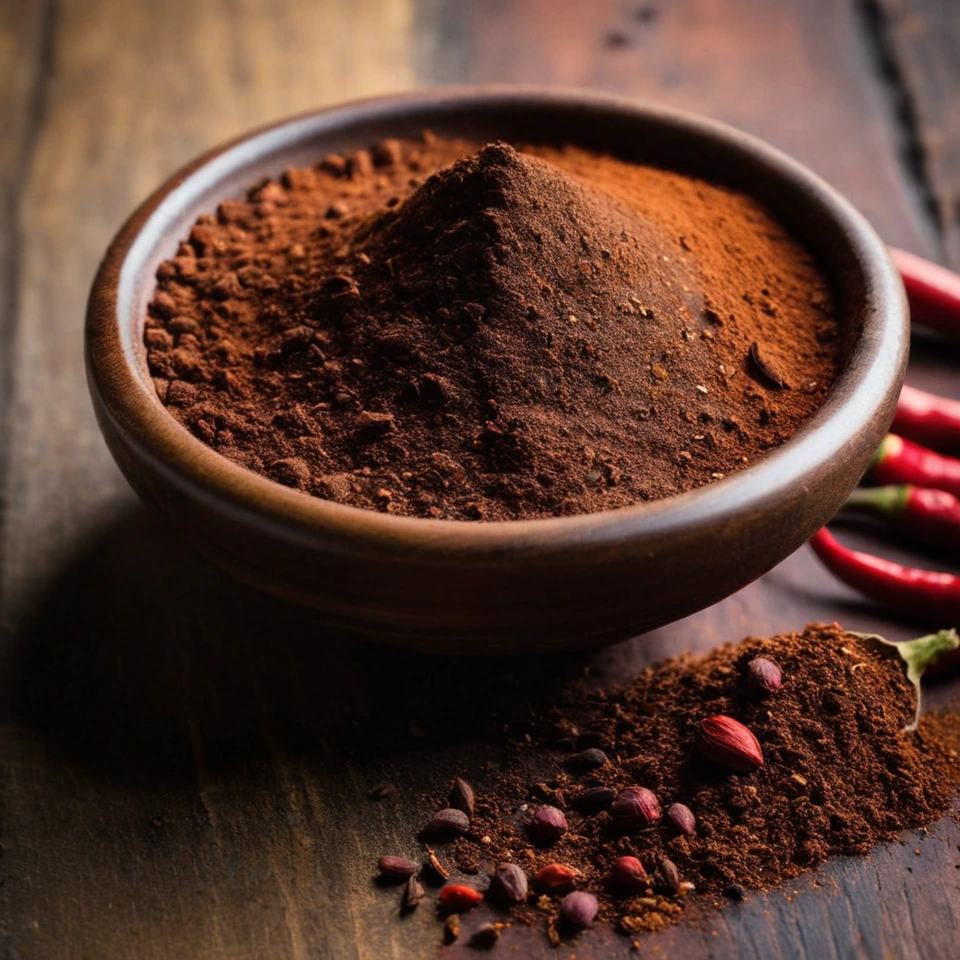
Ancho Chili Powder
Ancho chili powder offers a deep, smoky sweetness with hints of dried fruit and cocoa, reminiscent of its origin as dried poblano peppers from Mexico. Its aroma is warm and inviting, with a mild heat that lingers gently. The texture is fine and velvety, making it easy to incorporate into a variety of dishes. This powder is prized for its ability to add complexity without overwhelming spice, ideal for enriching both traditional Mexican moles and contemporary global cuisines.
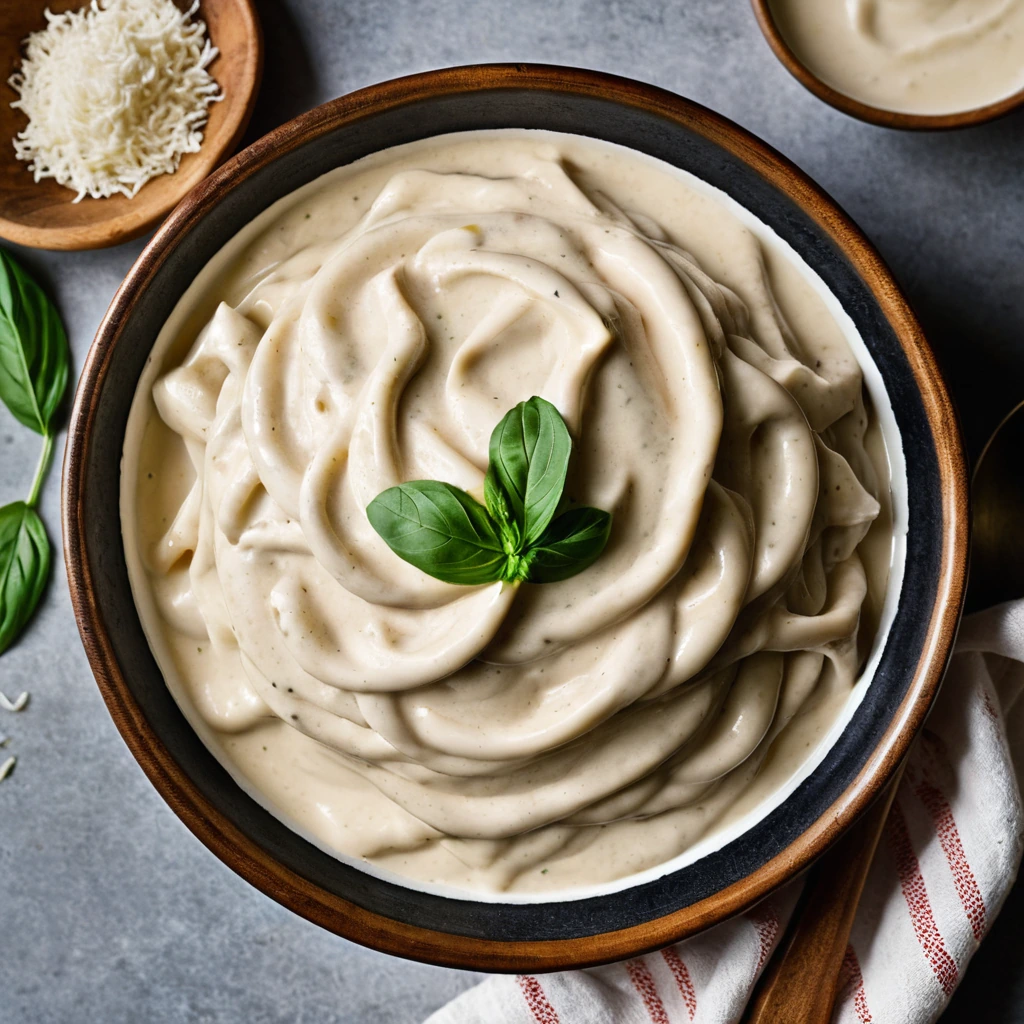
Alfredo Sauce
Creamy, rich, and utterly indulgent, Alfredo sauce is a dreamy blend of butter, heavy cream, and Parmesan cheese. Its velvety texture and savory depth make it a beloved staple in Italian-American cuisine.
Recipes to try
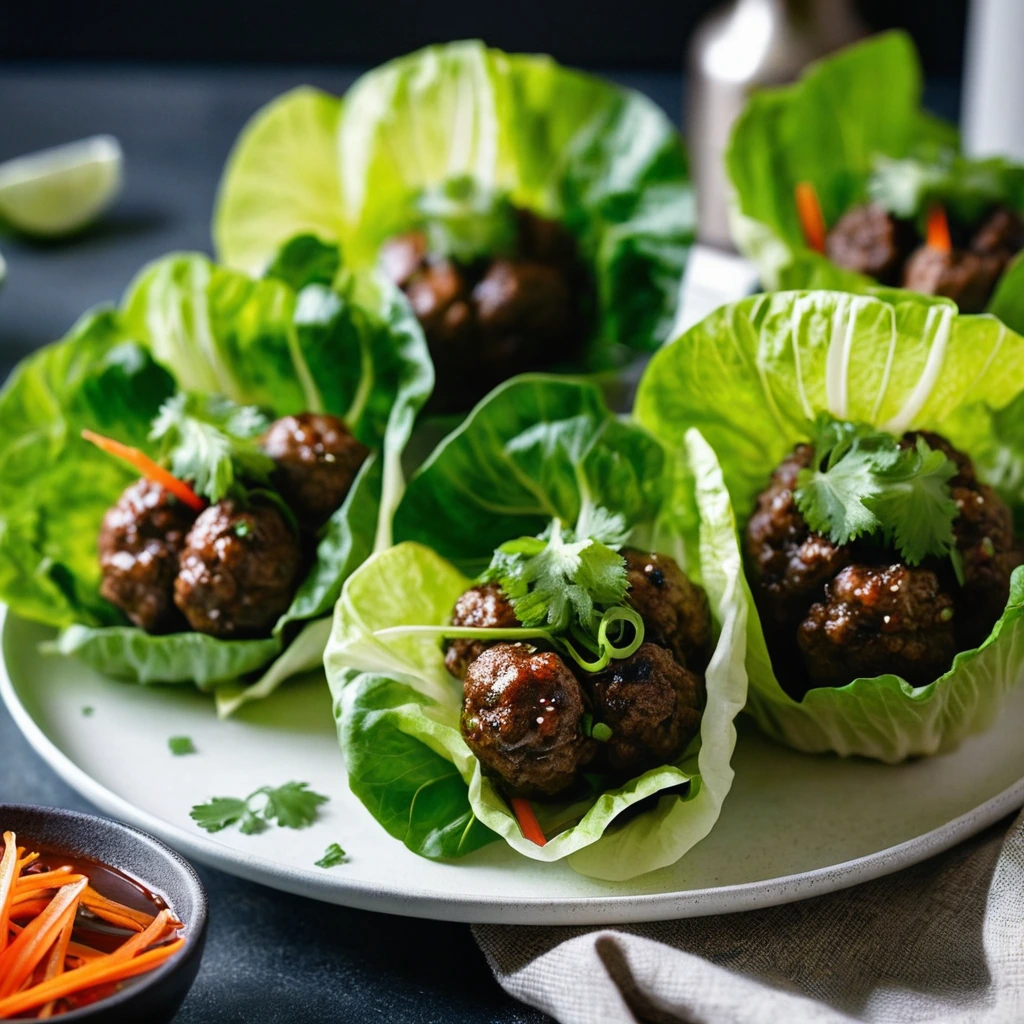
Sweet Chili Glazed Meatball Lettuce Wraps
Juicy meatballs cloaked in a sticky-sweet chili glaze, nestled in crisp lettuce cups for a flavor explosion with every bite.
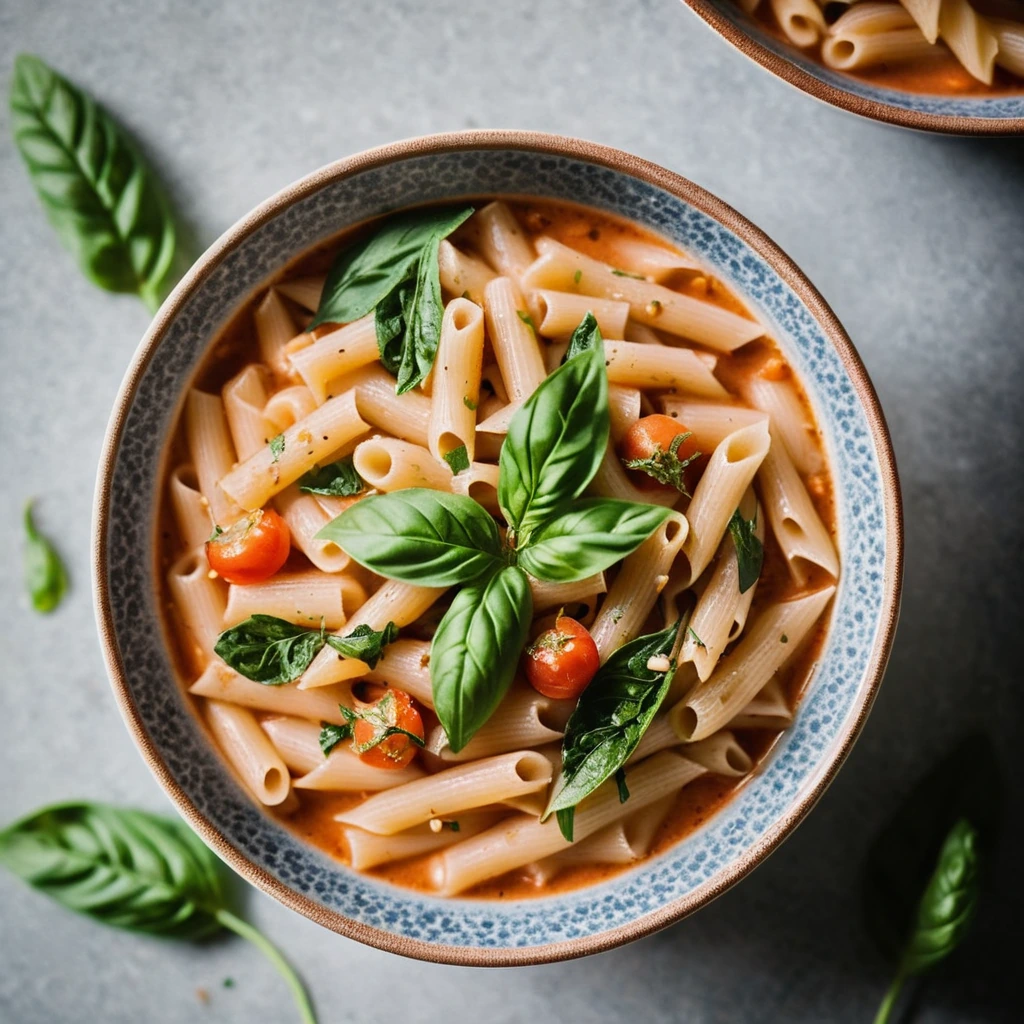
One-Pot Tuscan White Bean and Pasta Stew
Warm up with this hearty stew where tender pasta mingles with creamy cannellini beans in a rich, garlicky tomato broth.