Bread Technique: Using Dutch Ovens to Mimic Professional Steam
Achieving that perfect crust on homemade bread is an art, and professional bakers often rely on steam to create it. But you don't need a fancy bakery setup to get professional results. Using a Dutch oven is a fantastic way to mimic the steamy environment of a professional oven right in your home kitchen. This technique traps steam inside the pot, creating a humid environment that allows the bread to expand fully and develop a crisp, shiny crust. The Dutch oven's thick walls also provide even heat distribution, ensuring your loaf bakes uniformly. We'll dive into why this works, how to do it, and tips to troubleshoot any hiccups along the way.
Notes
The science behind using a Dutch oven lies in its ability to create convection currents of steam, which helps the bread's crust to expand and become crisp. The tight-fitting lid traps moisture, emulating a professional baking stone with steam injection. Common mistakes include not preheating the Dutch oven, which can lead to a less crisp crust, and opening the oven door too often, causing heat and steam loss. Always ensure the Dutch oven is preheated with the lid on to maximize steam retention. For safety, use thick oven mitts to handle the hot pot. To make ahead, bake the bread and allow it to cool completely before storing in a paper bag or bread box for up to 2 days. Avoid plastic bags to prevent moisture buildup.
Steps
- 1 Preheat your oven to 475°F with the Dutch oven inside.
- 2 Place the lid on the Dutch oven while preheating.
- 3 Prepare your dough according to your recipe’s instructions.
- 4 Shape your dough and let it rest for 20-30 minutes while the oven preheats.
- 5 Carefully remove the preheated Dutch oven from the oven using oven mitts.
- 6 Transfer the shaped dough into a parchment-lined sling or directly onto parchment paper.
- 7 Gently lower the dough into the Dutch oven, peel off the parchment paper.
- 8 Cover with the lid and bake for 30 minutes.
- 9 After 30 minutes, remove the lid and bake for an additional 15-20 minutes until golden brown.
- 10 Check for doneness by tapping the bottom of the loaf; it should sound hollow.
- 11 Let the bread cool on a wire rack for at least 30 minutes before slicing.
- 12 Ensure your oven is fully preheated before inserting the dough.
- 13 Avoid opening the oven door during baking to maintain consistent heat.
- 14 Use oven mitts to protect hands from the hot Dutch oven.
Ingredients to explore
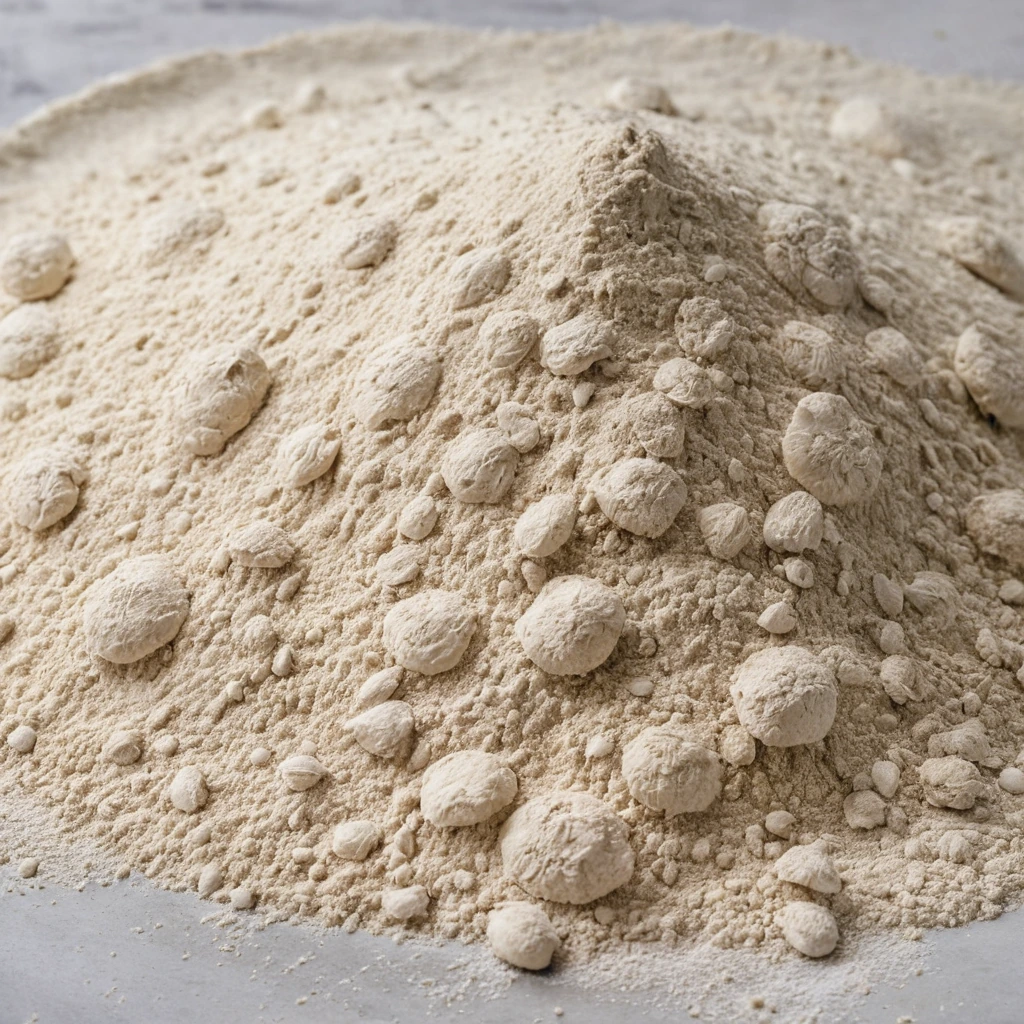
00 Pizza Flour
00 pizza flour is a finely milled Italian flour prized for its versatility in creating authentic Neapolitan-style pizza crusts. Originating from Italy, it is milled to a very fine consistency, which is reflected in its name, 'doppio zero,' indicating its fine grind. This flour has a balanced flavor profile, offering a mild, slightly sweet taste with a subtle nuttiness. Its texture is silky and smooth, contributing to a tender yet chewy crust when used in pizza making. In cooking, 00 pizza flour is known for its ability to hydrate quickly and develop a desirable gluten structure, resulting in a light and airy crust that can withstand high-heat cooking without becoming overly crispy or hard.

Agave Nectar
A golden, velvety sweetener derived from the agave plant, offering a subtly sweet flavor with a smooth, syrup-like texture.
Recipes to try

Smoky Sweet Potato and Black Bean Stew
Hearty and deeply flavorful, this stew is a comforting hug in a bowl with smoky spices and tender sweet potatoes.

Roasted Garlic and Tomato Basil Soup with Croutons
Creamy, fragrant, and bursting with roasted garlic sweetness, this soup is comfort in a bowl, crowned with golden, crunchy croutons.