Bread Technique: Scoring Decorative Patterns Without Deflating Loaves
Scoring bread is an art that can elevate your loaves from simple to spectacular. It’s not just about making a pretty pattern; it’s about controlling the oven spring and ensuring even baking. The key is to create decorative slashes without deflating the precious air you’ve nurtured in your dough. Achieving this requires a sharp blade, a confident hand, and an understanding of the dough’s structure. The surface tension of the dough's skin, known as the 'pellicle', must be intact to hold its shape. When you score the dough, you are creating a weak point where the bread can expand predictably. This technique will guide you through creating intricate designs that enhance your bread's appearance and improve its bake. From baguettes to boules, mastering scoring patterns is a skill that will make your homemade bread stand out like it was crafted by a professional baker.
Notes
The science behind scoring lies in the surface tension of the dough's skin. When properly executed, scoring allows the bread to expand in a controlled manner during the oven spring, rather than bursting unpredictably. A common mistake is using a dull blade, which can crush the dough rather than slice it. Always check your blade's sharpness before scoring. Additionally, avoid handling the dough excessively post-scoring to prevent degassing. For storage, scored loaves should be baked immediately, though if necessary, cover loosely with plastic wrap and refrigerate for up to 24 hours, remembering to return to room temperature before baking.
Steps
- 1 Preheat your oven to 475°F to ensure it's ready for baking.
- 2 Prepare a lame or a sharp serrated knife for scoring.
- 3 Place your proofed loaf on parchment paper on a sturdy surface.
- 4 Lightly mist the surface of the dough with water to create a slight grip.
- 5 Hold your blade at a 30-degree angle to the dough’s surface.
- 6 Use a quick, decisive motion to cut into the dough about ¼ inch deep.
- 7 For intricate designs, plan your cuts and work from the center outwards.
- 8 Apply even pressure to avoid tearing the dough unevenly.
- 9 Clean your blade between cuts to maintain precision.
- 10 Create your desired pattern with consistent spacing and depth.
- 11 Handle the dough as little as possible after scoring.
- 12 Load your loaf into the oven immediately to bake.
- 13 Bake according to your recipe’s instructions, watching for oven spring.
Ingredients to explore
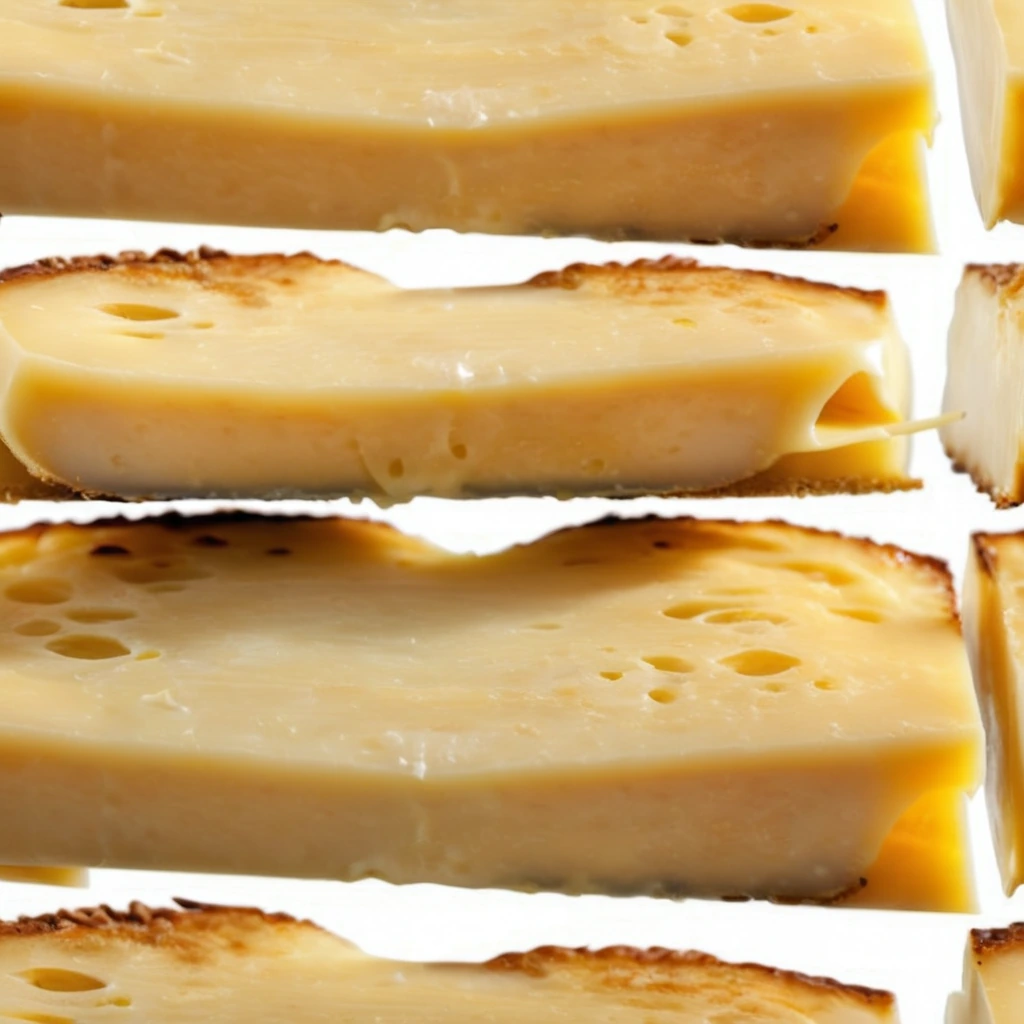
American Cheese Slices
Those iconic, perfectly pliable slices of creamy, mild American cheese. Each slice boasts a smooth, melt-in-your-mouth texture that brings comfort to any dish.
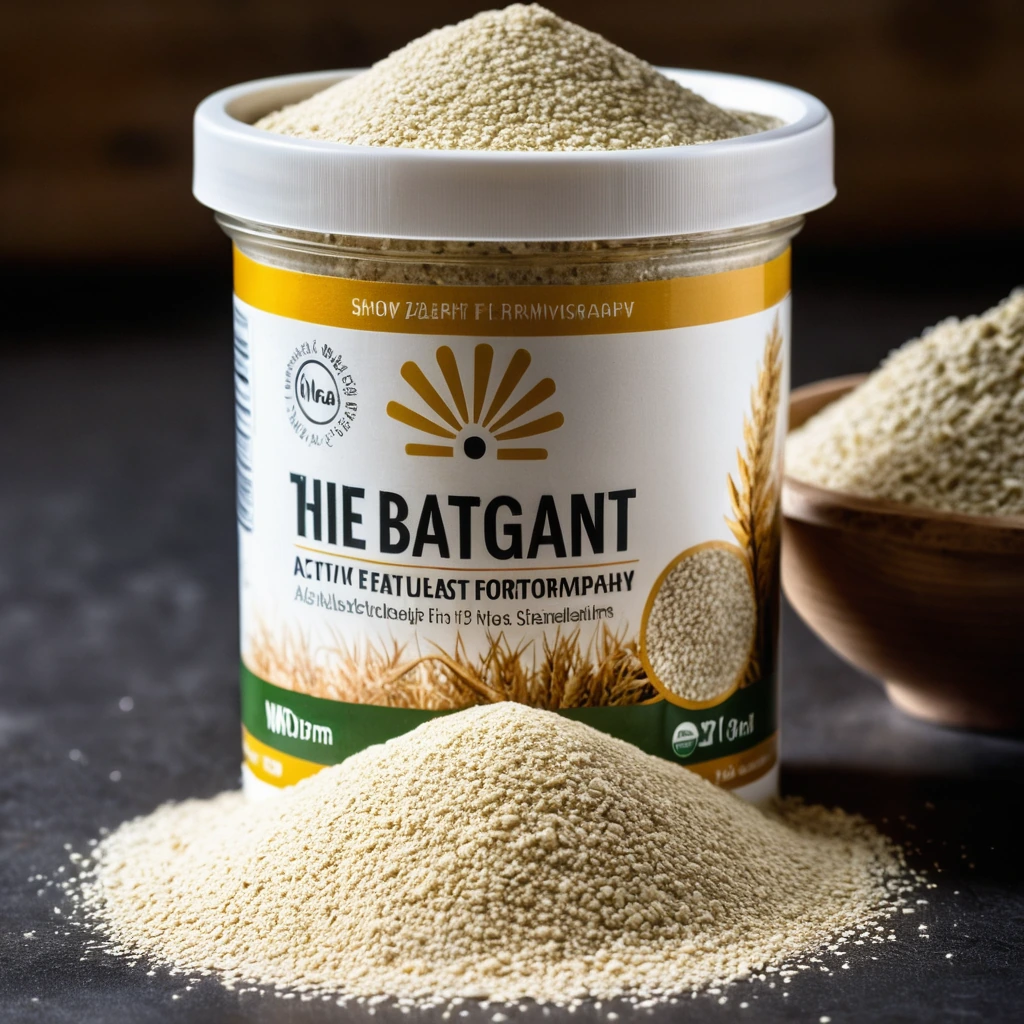
Active Dry Yeast
A fine, granulated leavening agent that brings baked goods to life with its gentle fermentation magic.
Recipes to try

Lemon Garlic Chicken and Rice Stuffed Peppers
Bright and tangy lemon garlic chicken nestled in fluffy rice, all wrapped up in juicy bell peppers for a zesty comfort meal.
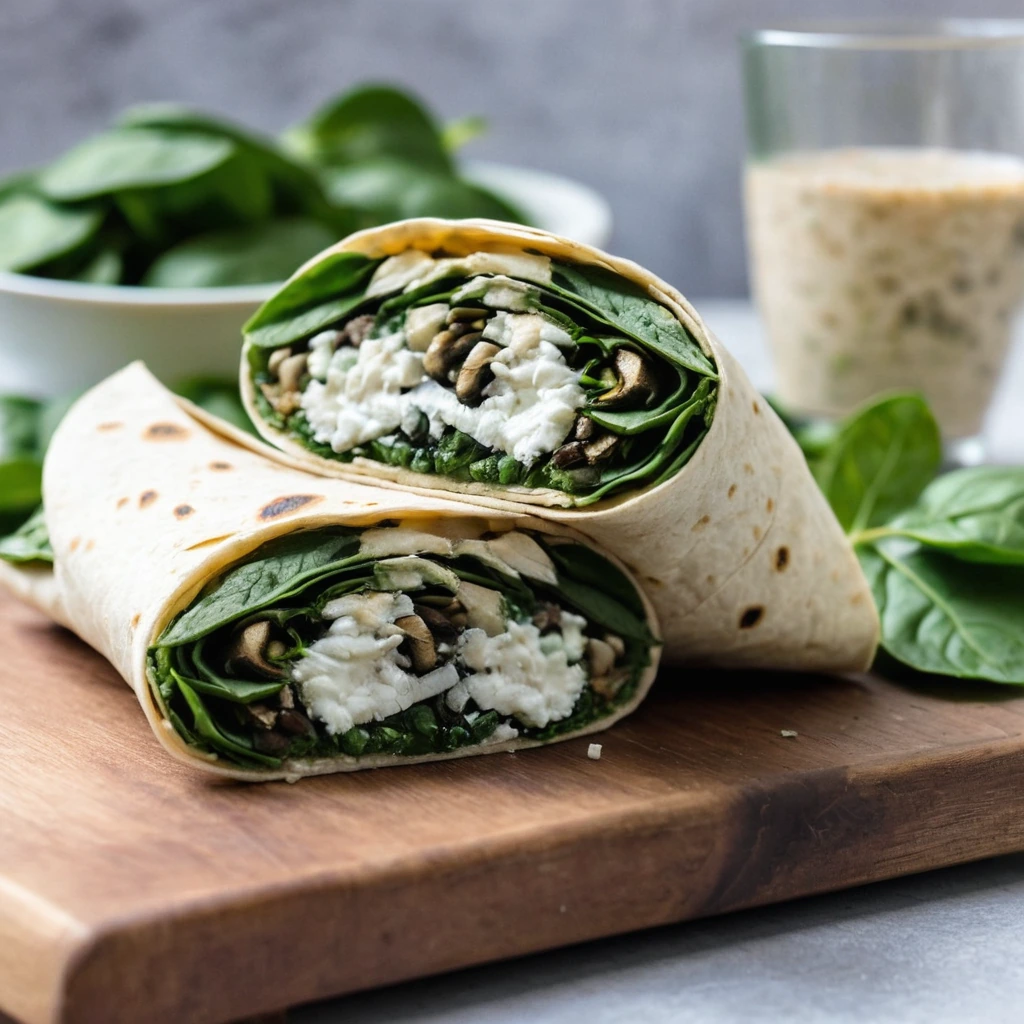
Spinach, Mushroom, and Feta Breakfast Wraps
These wraps are a cozy morning hug in a tortilla—creamy feta, earthy mushrooms, and vibrant spinach meld into a hearty breakfast.