Bread Technique: Enriching Dough with Eggs and Butter
Enriching bread dough with eggs and butter is a classic technique that transforms ordinary loaves into something extraordinary. By incorporating these ingredients, you create a bread that is tender, rich, and has a golden, lustrous crust. Eggs act as a natural emulsifier, binding the fat and water in the dough, while contributing to structure and color. Butter, with its rich flavor and tenderizing properties, adds layers of complexity to the bread. Together, they create a dough that is both forgiving and rewarding. This technique is ideal for brioche, challah, or any bread where decadence is desired. Understanding how to properly incorporate eggs and butter will ensure your bread rises well, bakes evenly, and achieves that sought-after texture. Follow along as we delve into the nuances of enriching your dough, from selecting the right ingredients to mastering the mixing process.
Notes
The science behind enriching dough lies in the proteins and fats. Eggs contribute lecithin, which emulsifies fats, leading to a softer texture. Butter's high fat content coats gluten strands, inhibiting their ability to form a tight network, resulting in a tender crumb. Common mistakes include using cold butter, which can lead to uneven mixing, and overworking the dough after shaping. To avoid these, ensure your butter is softened and handle the dough gently during shaping. For safety, use pasteurized eggs if you're concerned about raw egg consumption. This bread is best enjoyed fresh, but leftovers can be stored in an airtight container for up to 2 days or frozen for longer storage.
Steps
- 1 Gather 3 cups of bread flour, 2 tablespoons of sugar, 1 teaspoon of salt, 1 packet of active dry yeast, 1 1/4 cups of warm milk (about 110°F), 3 large eggs, 1/2 cup of unsalted butter (softened), and 1 teaspoon of vanilla extract (optional).
- 2 In a small bowl, dissolve the yeast in the warm milk and let it sit for 5 minutes until frothy.
- 3 In a large mixing bowl, whisk together the flour, sugar, and salt.
- 4 Make a well in the center of the dry ingredients and pour in the yeast mixture, eggs, and vanilla extract.
- 5 Using a wooden spoon or stand mixer with a dough hook, mix on low speed until a shaggy dough forms.
- 6 Increase the mixer speed to medium and gradually add the softened butter, a tablespoon at a time, ensuring each addition is incorporated before adding the next.
- 7 Knead the dough in the mixer for about 8-10 minutes, until it becomes smooth and elastic.
- 8 Transfer the dough to a lightly greased bowl, cover with a clean kitchen towel, and let it rise in a warm place for about 1 to 1.5 hours, or until doubled in size.
- 9 Gently punch down the dough to release air bubbles.
- 10 Shape the dough into your desired loaf or rolls.
- 11 Place the shaped dough on a parchment-lined baking sheet, cover, and let it rise again for 30-45 minutes.
- 12 Preheat your oven to 375°F.
- 13 Optionally, brush the risen dough with an egg wash (1 egg beaten with 1 tablespoon of water) for a glossy finish.
- 14 Bake for 25-30 minutes, or until the internal temperature reaches 190°F and the crust is golden brown.
Ingredients to explore
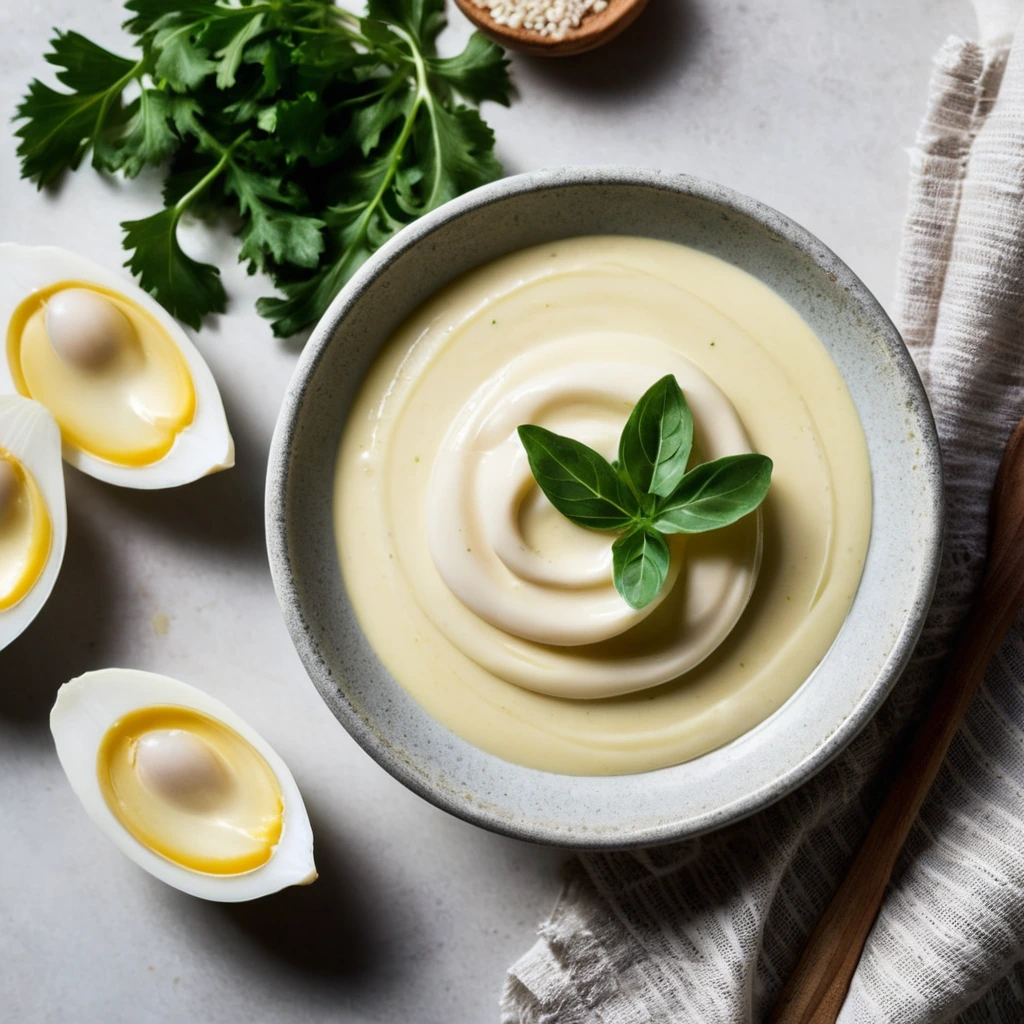
Aioli
A luscious, velvety emulsion of garlic and olive oil, aioli is a rich and aromatic sauce that dances on the palate with its creamy texture and bold, pungent flavor.
American Cheese Slices
Those iconic, perfectly pliable slices of creamy, mild American cheese. Each slice boasts a smooth, melt-in-your-mouth texture that brings comfort to any dish.
Recipes to try
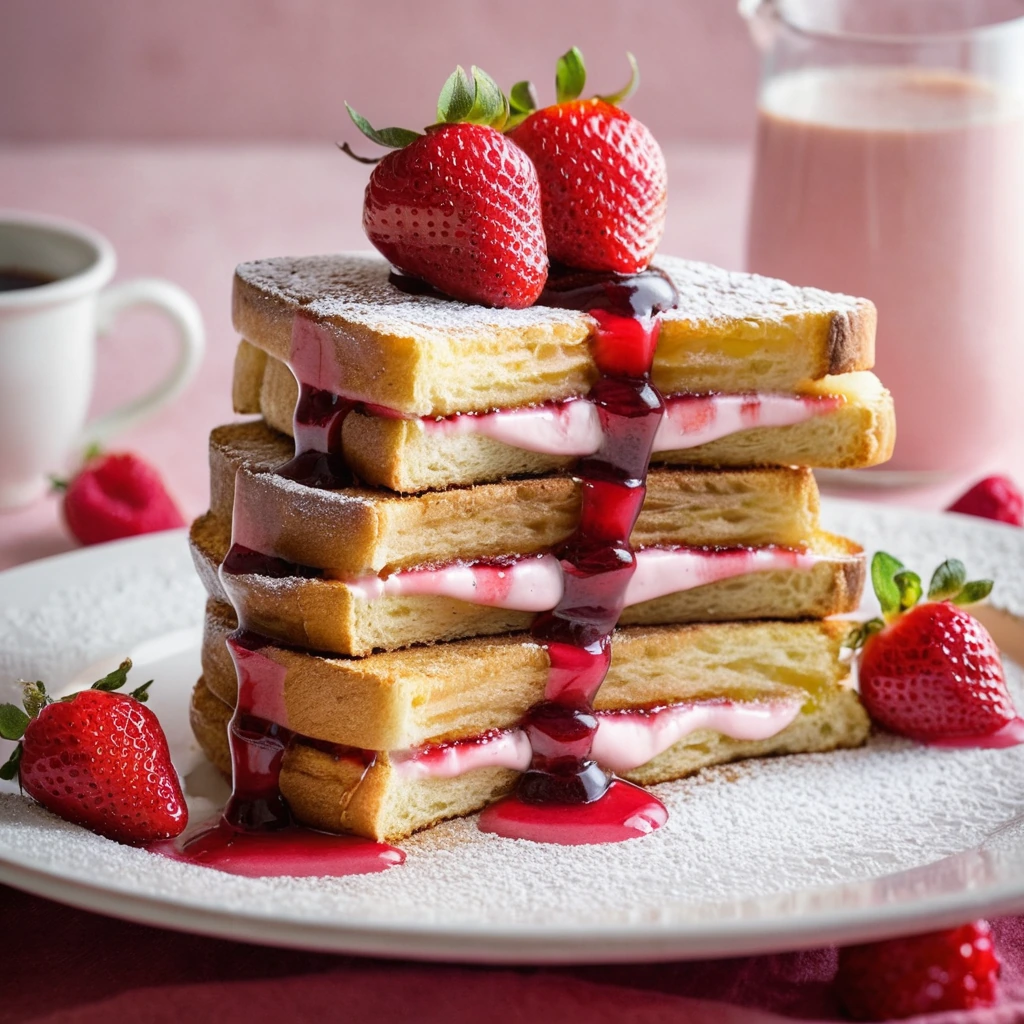
Strawberry Cream Cheese Stuffed French Toast
Imagine warm, golden French toast stuffed with a tangy cream cheese and sweet strawberry surprise – breakfast just got a gourmet upgrade.

Pork and Pineapple BBQ Sheet Pan Supper
Sweet, tangy, and smoky flavors mingle in this fuss-free sheet pan supper that'll have you licking your plate clean.