Batch Cooking: Holding Food Warm Without Drying
Batch cooking is a time-saver for busy home cooks, but keeping food warm without drying it out can be tricky. The key to success lies in understanding how heat and moisture interact. When holding food warm, the enemy is evaporation—it zaps moisture and leaves your dishes lackluster. To combat this, you need a controlled environment that maintains temperature without excessive air circulation. Ideal holding temperatures for most cooked foods range from 140°F to 160°F, which keeps bacteria at bay while preserving texture and moisture. This guide will walk you through the nuances of maintaining food warmth without compromising quality. From choosing the right containers to utilizing specialized equipment, you'll learn how to keep your batch-cooked meals as fresh and inviting as when they first came off the stove.
Notes
The science behind holding food warm without drying is simple: you want to minimize the surface area exposed to air while maintaining a consistent temperature. Common mistakes include using too high of a heat setting, which can cook food further and dry it out, or failing to cover food properly, leading to moisture loss. Always prioritize food safety by keeping temperatures above 140°F to inhibit bacterial growth. For make-ahead meals, consider cooking in smaller batches to ensure even warming. Store leftovers promptly in the refrigerator or freezer, and reheat thoroughly before consuming.
Steps
- 1 Cook your dishes to their final serving temperature.
- 2 Transfer food into shallow, airtight containers.
- 3 Cover containers tightly with lids or foil to trap moisture.
- 4 Place containers in a preheated warming oven set to 200°F.
- 5 Alternatively, use a slow cooker on the 'warm' setting for moist heat.
- 6 For shorter periods, wrap dishes in clean towels and place them in insulated bags.
- 7 Check food temperature regularly with a food thermometer to ensure it remains above 140°F.
- 8 If using a chafing dish, maintain the water level and use sterno fuel for gentle heat.
- 9 Avoid stirring or uncovering food unnecessarily to prevent moisture loss.
- 10 For delicate items like fish or custards, use a sous vide setup to hold at precise temperatures.
- 11 Reheat food gently before serving to ensure it is piping hot.
- 12 If food cools below 140°F, reheat it promptly to serving temperature.
Ingredients to explore
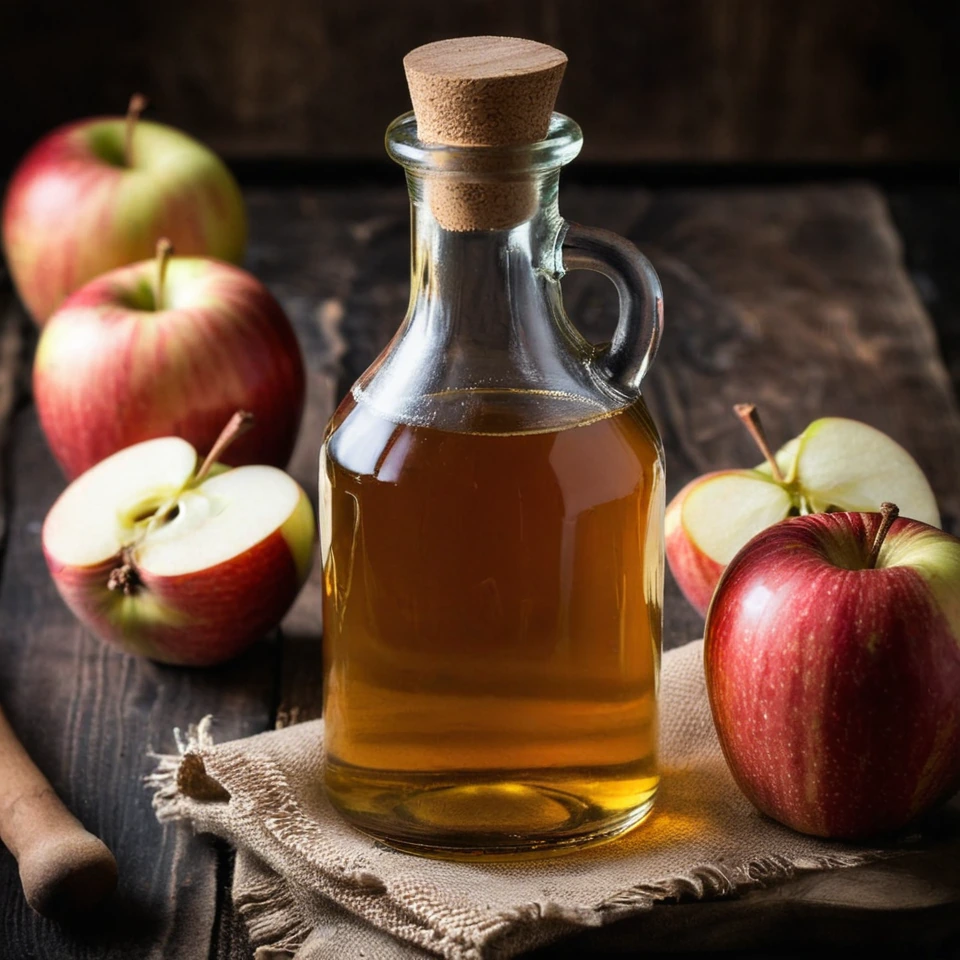
Apple Cider Vinegar
Apple cider vinegar is a type of vinegar made through the fermentation of apple cider, resulting in a tangy, slightly sweet liquid with a pale to medium amber color.
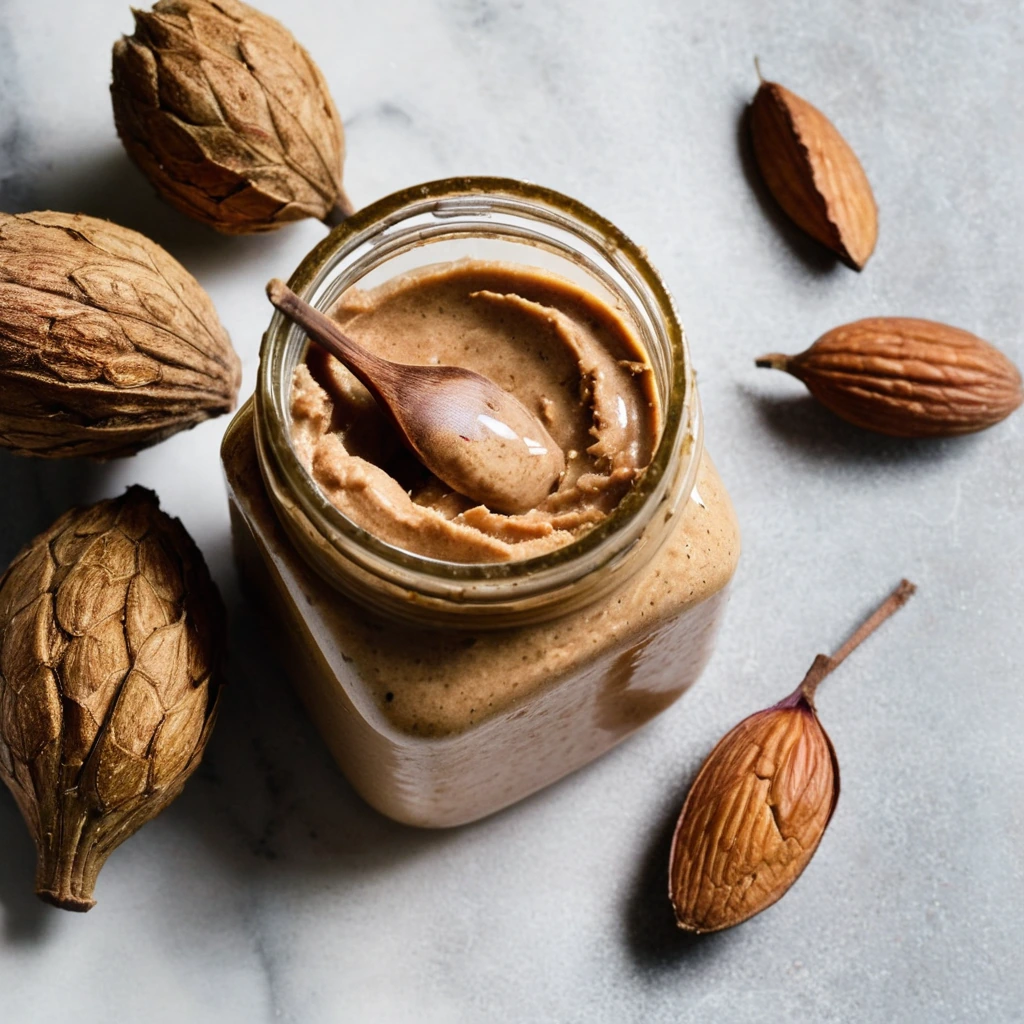
Almond Butter
A velvety, nutty spread crafted from finely ground almonds, offering a rich and satisfying flavor that's both comforting and indulgent.