Baking Technique: Calibrating Ovens with Simple Thermometers
Calibrating your oven is a crucial step in ensuring your baked goods turn out perfectly every time. Many home ovens can run hotter or cooler than their set temperature, leading to undercooked or overcooked dishes. A simple oven thermometer is an affordable tool that can help you nail the precise temperature your recipes require. This technique guides you through the process of calibrating your oven, so you can trust it to bake bread, cookies, and casseroles to perfection. First, understand why calibration matters: inconsistent temperatures can ruin the chemistry of your baked goods, affecting texture, rise, and browning. Then, learn how to use an oven thermometer correctly and interpret its readings. Finally, discover how to adjust your oven settings to match the desired temperature, ensuring consistent results in all your baking endeavors. Whether your oven tends to run hot or cold, mastering this technique will elevate your home baking game.
Notes
Understanding why oven calibration works involves recognizing that ovens, like any appliance, can lose accuracy over time due to wear and tear. A discrepancy of even 25°F can significantly affect your baking. To troubleshoot, ensure your thermometer is oven-safe and placed away from heating elements to avoid skewed readings. Always double-check your oven manual for specific calibration instructions, as methods can vary. For safety, use oven mitts when handling the thermometer. You can calibrate your oven whenever you suspect temperature inconsistencies, and there's no need for special storage; just keep your thermometer in a cool, dry place.
Steps
- 1 Preheat your oven to 350°F.
- 2 Place the oven thermometer in the center of the oven rack.
- 3 Close the oven door and let it preheat for at least 20 minutes.
- 4 Check the thermometer reading against the oven display.
- 5 Note the difference in temperature between the thermometer and the oven display.
- 6 Consult your oven manual for instructions on how to adjust the temperature settings.
- 7 Adjust the oven temperature based on the discrepancy noted.
- 8 Repeat the calibration process to confirm accuracy.
- 9 Make a test bake, like a batch of cookies, to ensure consistent results.
Ingredients to explore

American Cheese Slices
Those iconic, perfectly pliable slices of creamy, mild American cheese. Each slice boasts a smooth, melt-in-your-mouth texture that brings comfort to any dish.
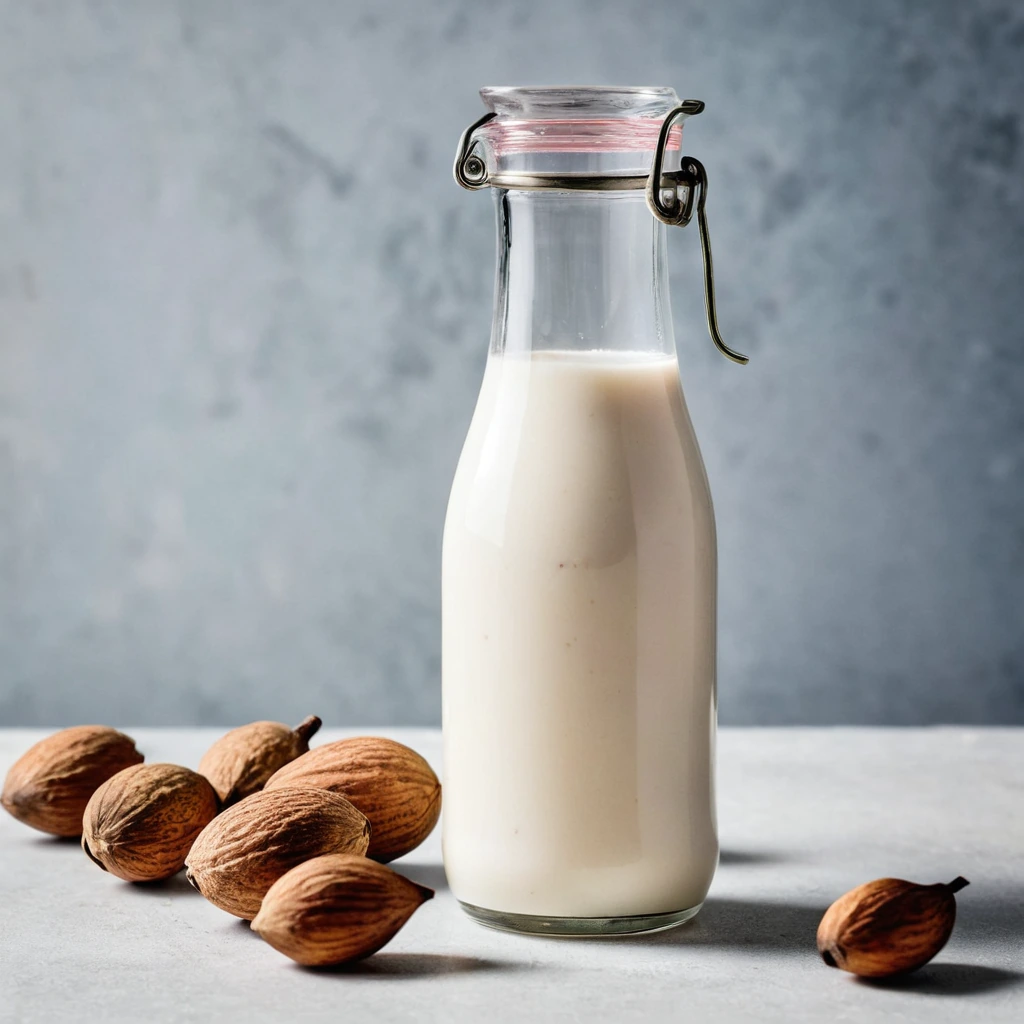
Almond Milk
Almond milk is a plant-based milk alternative made from ground almonds and water. Originating from traditional recipes in medieval Europe and the Middle East, it has gained widespread popularity in modern times as a dairy-free option. Almond milk has a subtly nutty flavor with a mild sweetness, and its aroma is reminiscent of fresh almonds. Its texture is smooth and creamy, though typically lighter than dairy milk. In cooking, almond milk behaves well in both savory and sweet applications, though it does not brown or caramelize like dairy milk. It is often used in cereals, smoothies, and baking, where its delicate flavor complements rather than overpowers other ingredients.
Recipes to try

Sausage, Egg, and Cheese Croissant Pockets
Buttery croissants envelop a warm, savory trio of sausage, fluffy scrambled eggs, and melty cheese for a breakfast pocket that's pure bliss.

Shrimp and Corn Fritters with Chili Aioli
Crispy on the outside, tender on the inside, these golden fritters pack a punch with juicy shrimp and sweet corn, all topped with a zesty chili aioli.