Baking Technique: Building Layer Cakes Without Doming
Creating layer cakes with perfectly flat tops can seem daunting, but mastering the technique of baking without doming is well within your grasp. Doming occurs when the center of a cake layer rises higher than the edges, creating an unsightly mound that makes stacking and frosting a challenge. By understanding oven dynamics and batter behavior, you can achieve level layers every time. Start by ensuring your oven is properly preheated; temperature fluctuations can encourage uneven rising. The right pan size and depth are crucial, as is the correct oven rack placement—aim for the middle of the oven for even heat distribution. Ingredients play a role too; avoid overmixing the batter, which can introduce too much air and exacerbate doming. Additionally, consider using a cake strip or water bath to regulate the pan's temperature. Finally, resist the urge to open the oven door too early, as this can cause uneven baking. With these insights and a bit of practice, you'll be able to create layer cakes with professional-looking, flat layers that are perfect for stacking.
Notes
The science behind doming lies in the oven's heat distribution and the leavening agents in your batter. Hot air rises, causing the center of your cake to expand more than the edges. Using convection ovens or adjusting rack placement can mitigate this. Common mistakes include overmixing the batter, which introduces excess air, and opening the oven door prematurely, which can cause the cake to fall unevenly. Safety is not a major concern here, but ensure your oven mitts protect you from burns when checking cakes. For make-ahead, store cooled layers in an airtight container at room temperature for up to two days or freeze for longer storage.
Steps
- 1 Preheat your oven to 350°F.
- 2 Select cake pans that are the correct size for your recipe.
- 3 Grease and flour your pans, ensuring even coverage.
- 4 Mix your cake batter until just combined to avoid overmixing.
- 5 Pour the batter evenly into prepared pans.
- 6 Place pans in the center of the preheated oven.
- 7 Bake according to recipe instructions, checking for doneness with a toothpick after the minimum time.
- 8 Allow cakes to cool in the pans for 10 minutes before turning out onto a wire rack.
- 9 Use a long serrated knife to level any minor imperfections if necessary.
- 10 Ensure cakes are completely cool before assembling your layer cake.
Ingredients to explore
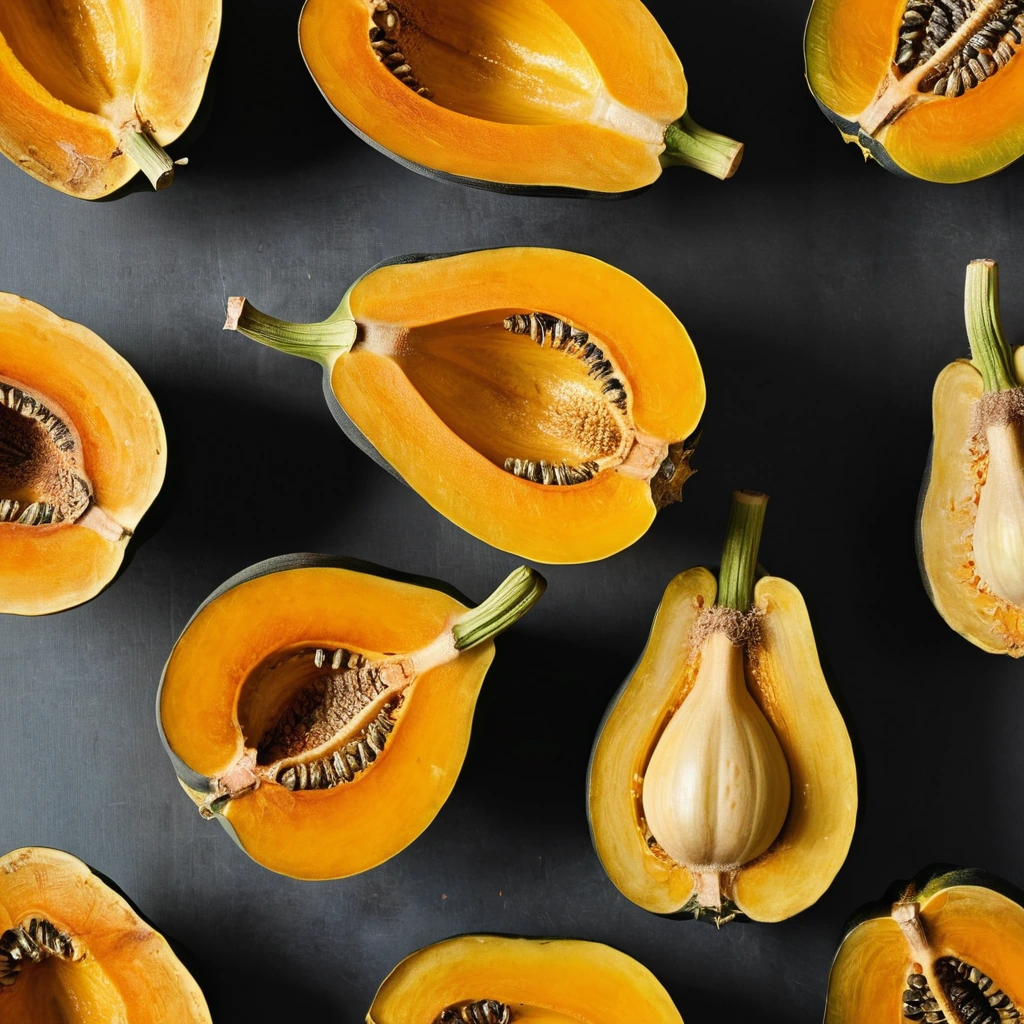
Acorn Squash
Acorn squash is a winter squash variety known for its distinctive teardrop shape and deep ridges resembling the texture of an acorn shell. Originating in the Americas, it has been cultivated for centuries and is a staple in autumn cuisine. The flesh is sweet and nutty with a hint of earthiness, offering a delightful contrast to savory dishes. Its texture is dense yet tender when cooked, making it ideal for roasting or pureeing. In cooking, acorn squash holds its shape well and absorbs flavors from herbs and spices, enhancing both its taste and versatility in recipes.

Agave Nectar
A golden, velvety sweetener derived from the agave plant, offering a subtly sweet flavor with a smooth, syrup-like texture.
Recipes to try
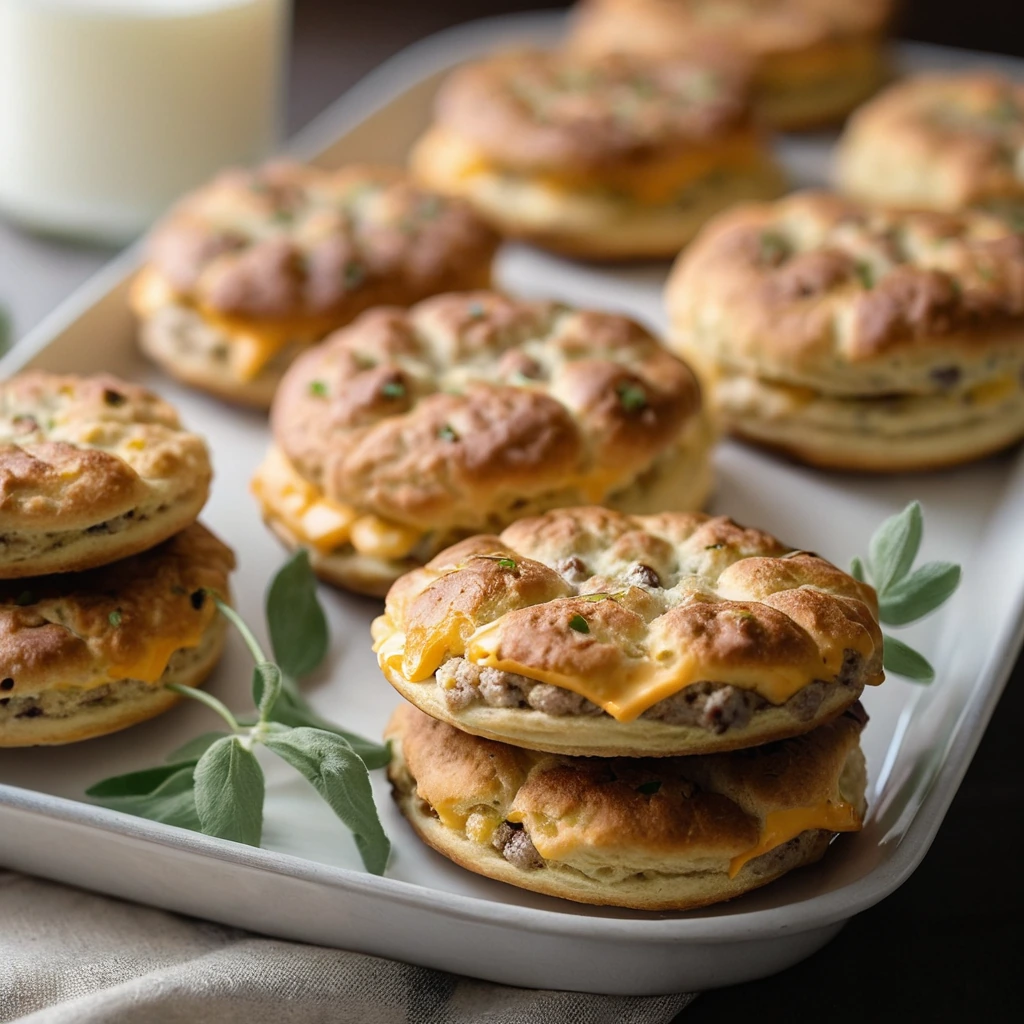
Maple Sausage and Cheddar Breakfast Biscuits
Golden, flaky biscuits stuffed with savory maple sausage and melted sharp cheddar—it's a hearty breakfast hug in every bite.
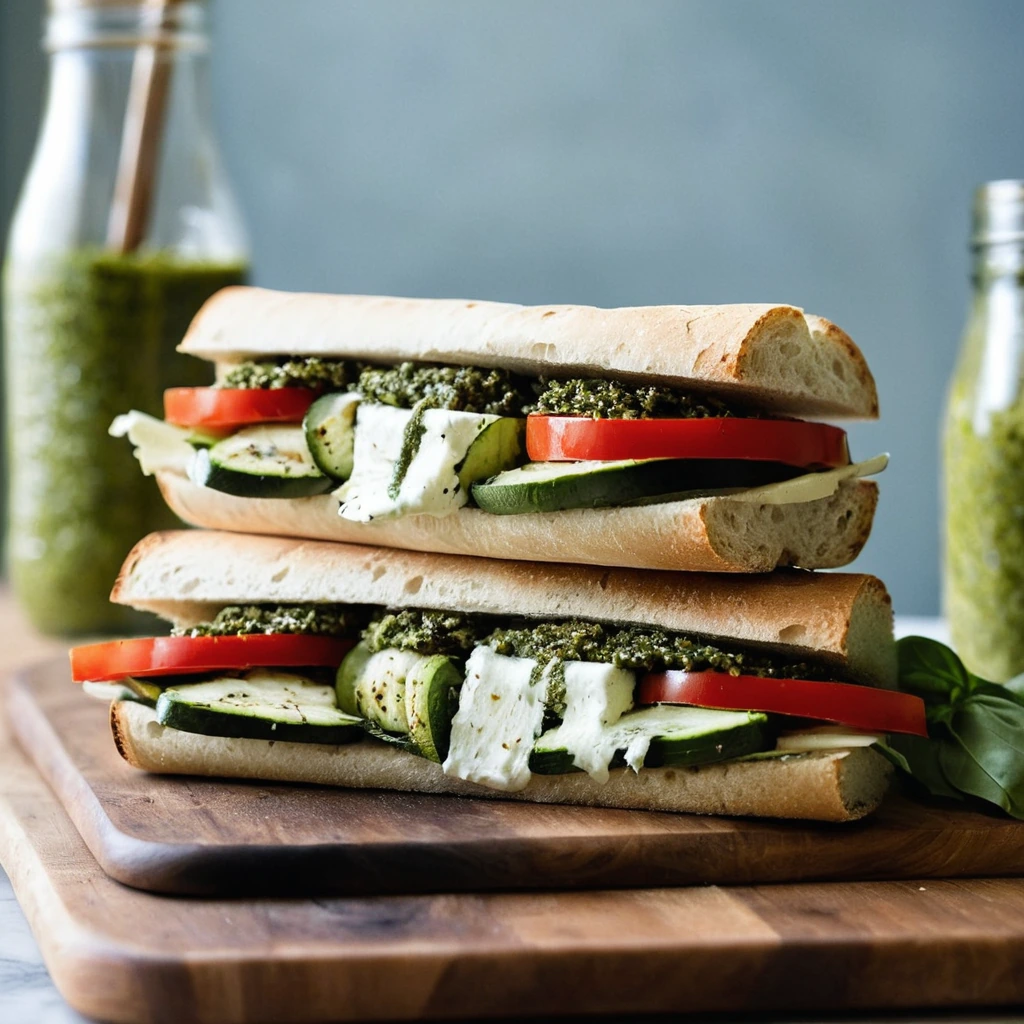
Pesto Roasted Veggie Sandwiches with Mozzarella
Warm, toasty ciabatta cradles a medley of roasted veggies, vibrant pesto, and melty mozzarella for a sandwich that's as hearty as it is fresh.