Baking Technique: Alternating Wet and Dry Ingredients Without Overmixing
Mastering the art of alternating wet and dry ingredients is crucial for achieving light, fluffy baked goods. Overmixing can lead to dense, tough textures due to excessive gluten development. This technique ensures a balanced structure in cakes, muffins, and breads. Start by preparing your wet ingredients, which usually include eggs, milk, and melted butter. These should be whisked together until smooth but not beaten vigorously. Next, gather your dry ingredients like flour, sugar, baking powder, and salt. Sift or whisk these together to ensure an even distribution. The key is to gently fold these two mixtures together, starting and ending with the dry ingredients. This method preserves air pockets and delicate textures. It's important to resist the urge to overmix; a few lumps are preferable to a dense cake. Understanding the science behind this technique helps demystify the process. Gluten proteins in flour need water to activate, and excessive mixing can lead to a network that's too tight. By alternating and gently folding, you limit gluten development while ensuring even distribution of leavening agents. This method works wonders for creating a tender crumb. Keep in mind that different recipes may require slight adjustments, but the core principle remains the same. Practice makes perfect, and soon you'll be able to gauge the right consistency effortlessly.
Notes
This technique works because alternating the addition of wet and dry ingredients helps maintain a balanced structure within your batter, reducing the risk of overmixing. Overmixing can lead to excessive gluten development, resulting in a tougher texture. To avoid this, fold gently and aim for just enough mixing to incorporate the ingredients. A common mistake is trying to achieve a perfectly smooth batter, which can lead to overworking. If your batter seems too thick or lumpy, resist the urge to mix more; trust the process. For storage, most batters can be refrigerated for up to 24 hours before baking, though this might slightly alter the texture. Always bring the batter to room temperature before baking to ensure even cooking.
Steps
- 1 Preheat oven to the required temperature stated in your recipe.
- 2 Prepare all wet ingredients in one bowl and whisk until smooth.
- 3 Combine all dry ingredients in another bowl and sift or whisk to aerate.
- 4 Add one-third of the dry ingredients to the wet mixture and fold gently with a spatula.
- 5 Add half of the remaining wet ingredients and fold until just combined.
- 6 Add another third of the dry ingredients and fold gently.
- 7 Pour in the rest of the wet mixture followed by the final third of the dry ingredients.
- 8 Fold until just combined; a few lumps are okay.
- 9 Transfer the batter to a prepared pan immediately after mixing.
- 10 Smooth the top with a spatula and tap the pan gently on the counter to release air bubbles.
Ingredients to explore
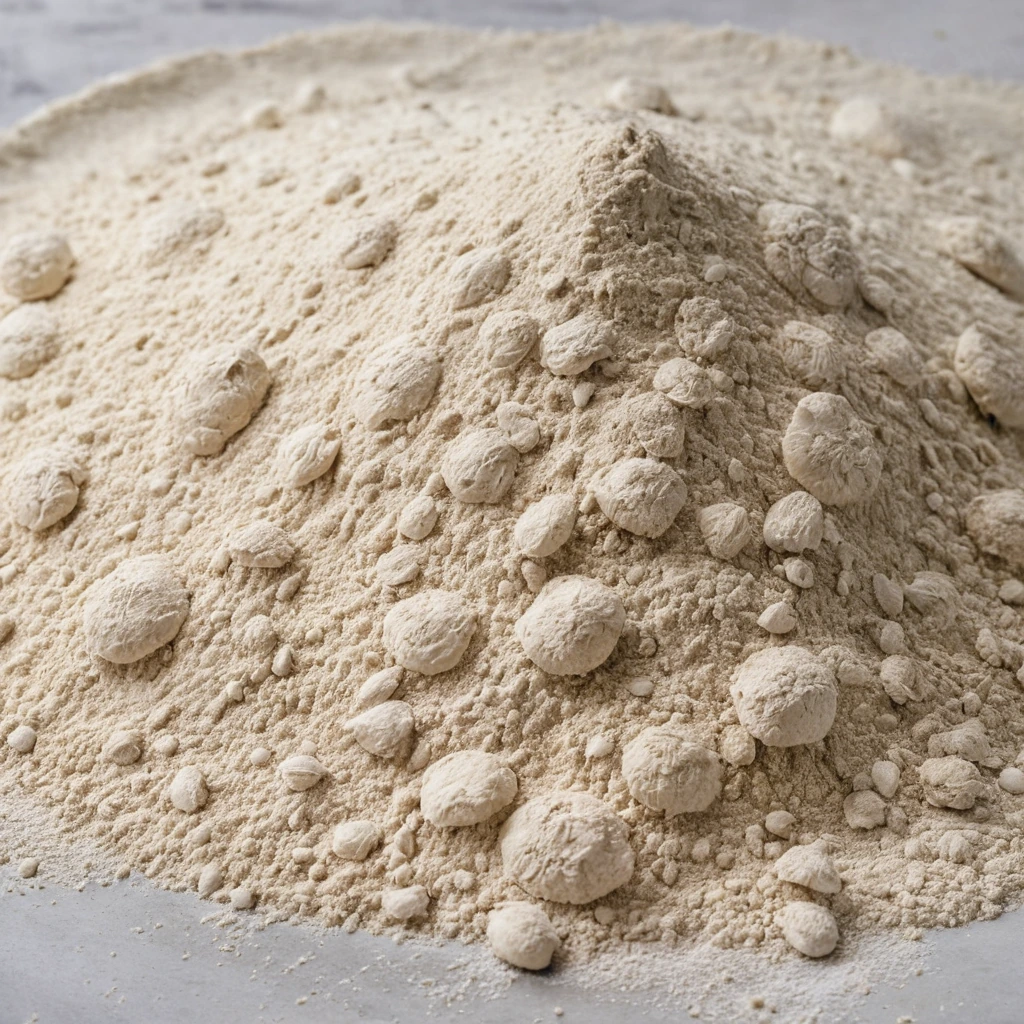
00 Pizza Flour
00 pizza flour is a finely milled Italian flour prized for its versatility in creating authentic Neapolitan-style pizza crusts. Originating from Italy, it is milled to a very fine consistency, which is reflected in its name, 'doppio zero,' indicating its fine grind. This flour has a balanced flavor profile, offering a mild, slightly sweet taste with a subtle nuttiness. Its texture is silky and smooth, contributing to a tender yet chewy crust when used in pizza making. In cooking, 00 pizza flour is known for its ability to hydrate quickly and develop a desirable gluten structure, resulting in a light and airy crust that can withstand high-heat cooking without becoming overly crispy or hard.
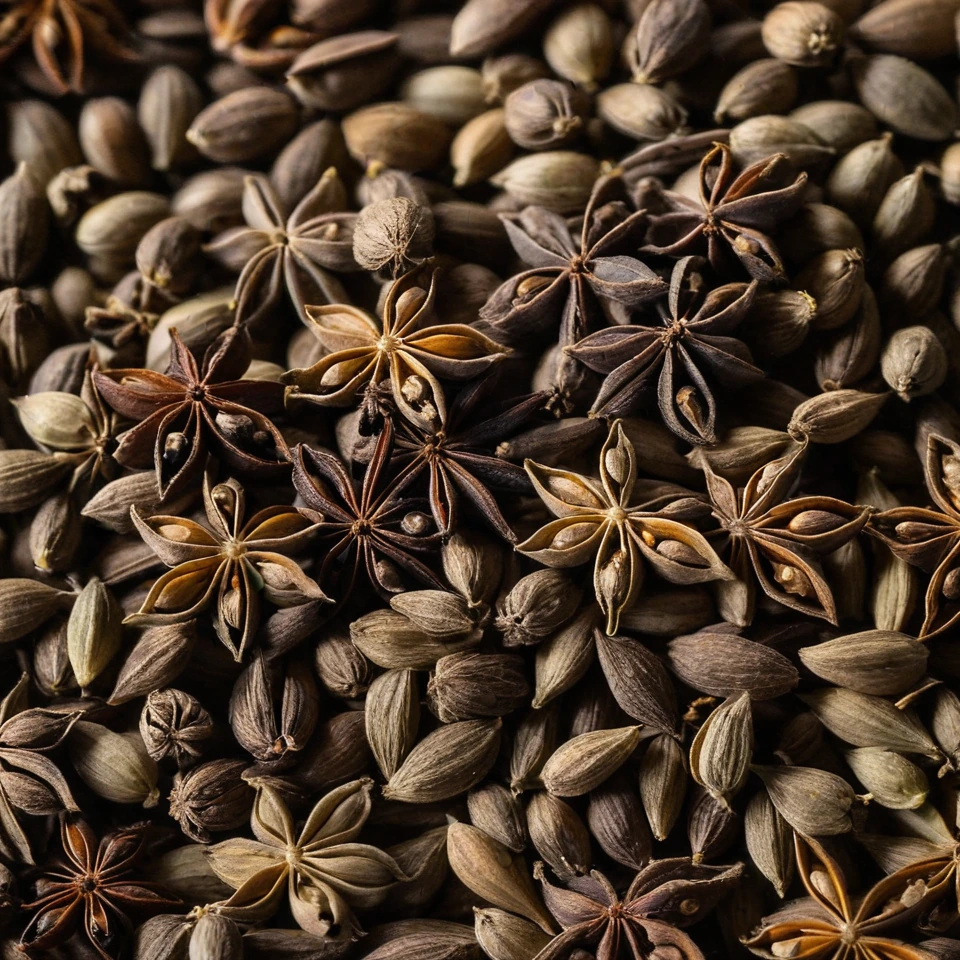
Anise Seeds
Anise seeds are small, oval seeds with a sweet, licorice-like flavor. They are commonly used in both sweet and savory dishes, offering a warm, aromatic taste.
Recipes to try
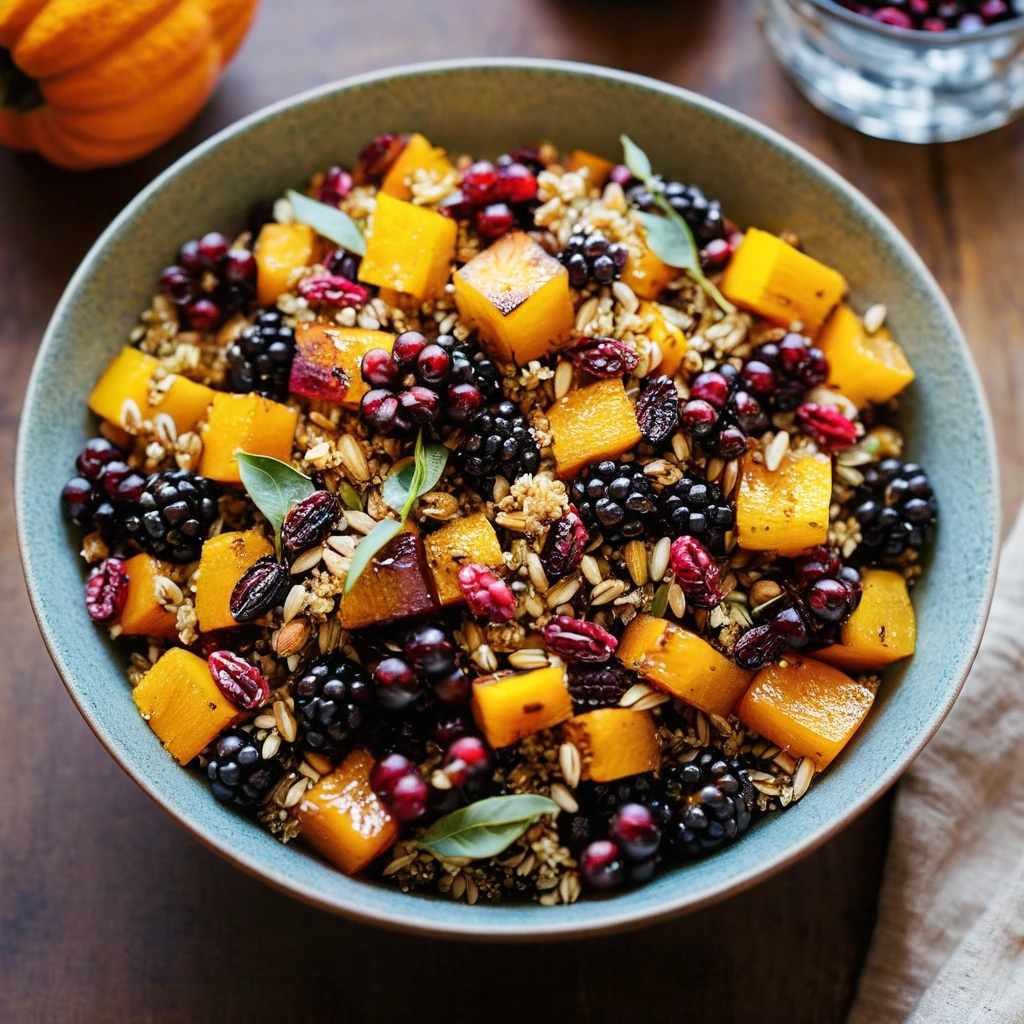
Warm Quinoa Salad with Roasted Squash and Cranberries
A cozy mix of nutty quinoa, tender roasted squash, and sweet cranberries makes this salad a fall favorite.
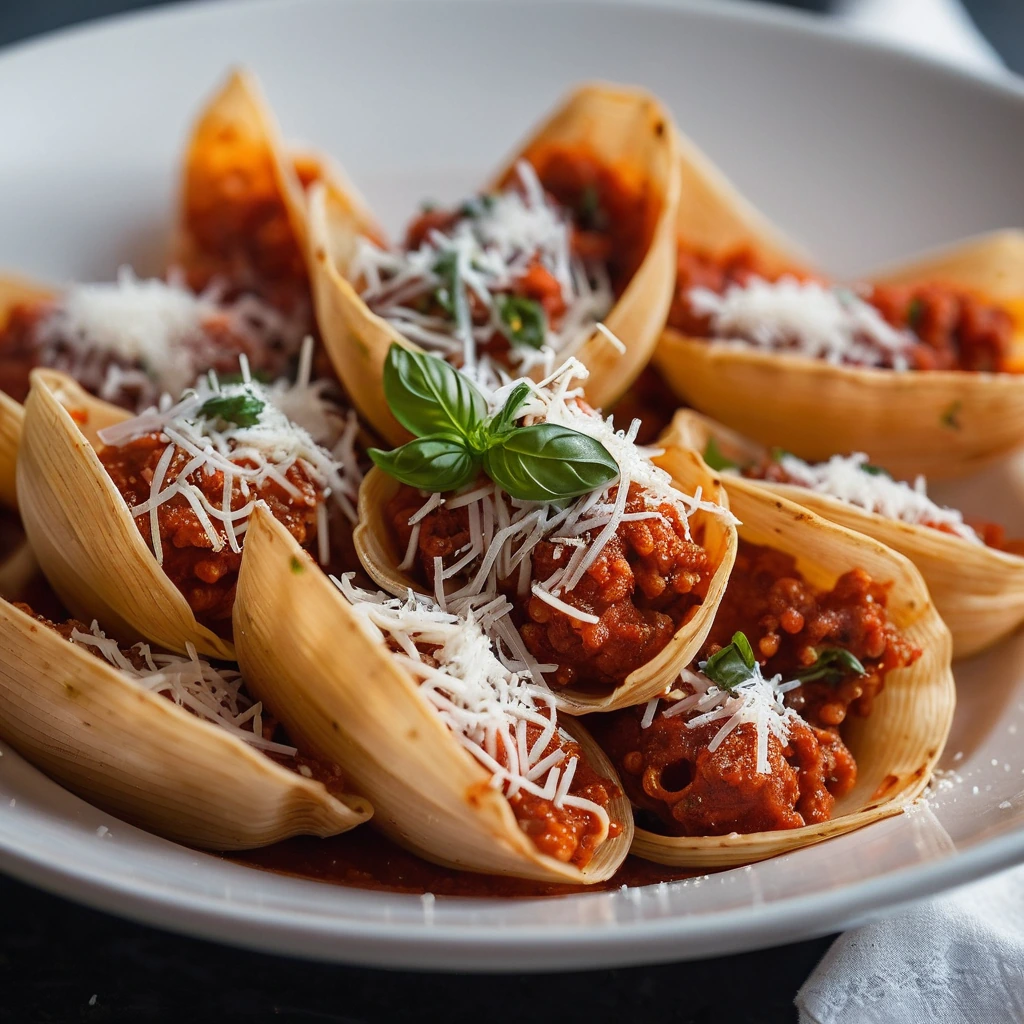
Spicy Arrabbiata Shells with Parmesan
Fiery and fresh, these pasta shells are smothered in a spicy tomato sauce and crowned with nutty Parmesan.