Baking Technique: Adjusting Bake Time for Dark vs Light Pans
When it comes to baking, the color of your pan can significantly impact your results. Dark pans absorb more heat than their lighter counterparts, leading to faster cooking times and potentially darker crusts. This technique dives into how you can adjust your bake times to ensure consistent results regardless of pan color. Understanding the science behind heat absorption and reflection is key to mastering this skill. Dark pans, often made of materials like black steel, tend to get hotter more quickly, which can lead to over-browning or even burning if you're not careful. On the other hand, light-colored pans reflect heat, requiring longer bake times to achieve the same level of doneness. This technique will guide you through identifying the right adjustments to make, ensuring your baked goods come out perfectly every time. We'll explore how to monitor your oven's temperature, how to use visual cues to determine doneness, and how to make incremental adjustments to your bake time based on the color of your pan. By the end, you'll have the confidence to use any pan in your collection without sacrificing quality or flavor.
Notes
The science behind adjusting bake times lies in the principle of heat absorption and reflection. Dark pans absorb more radiant heat from the oven, leading to quicker cooking times and a risk of over-browning. Light pans reflect more heat, requiring longer exposure to achieve the desired results. A common mistake is not adjusting the oven temperature when switching pan colors, which can lead to uneven baking. To troubleshoot, always start checking for doneness at the lower end of the suggested time range. Safety is paramount, so use oven mitts when handling hot pans. For make-ahead considerations, ensure your baked goods are completely cooled before storing in an airtight container to maintain freshness.
Steps
- 1 Preheat your oven to the temperature specified in your recipe.
- 2 Place your oven rack in the middle position for even heat distribution.
- 3 If using a dark pan, reduce the oven temperature by 25°F to compensate for increased heat absorption.
- 4 If using a light pan, maintain the original oven temperature as specified in the recipe.
- 5 Set a timer for the minimum bake time suggested in your recipe.
- 6 Check for doneness using a toothpick or cake tester starting at the minimum bake time.
- 7 Look for visual cues like color and firmness, but rely on internal temperature checks for accuracy.
- 8 For dark pans, expect to bake 10-15% less time than indicated; adjust accordingly.
- 9 For light pans, be prepared to bake 10-15% longer than indicated; check frequently to avoid over-baking.
- 10 Rotate your pan halfway through baking to ensure even browning.
- 11 Allow baked goods to cool in the pan for 5-10 minutes before transferring to a wire rack.
- 12 Tweak bake times slightly in subsequent batches based on your observations.
- 13 Keep a log of adjustments for future reference to streamline your baking process.
Ingredients to explore
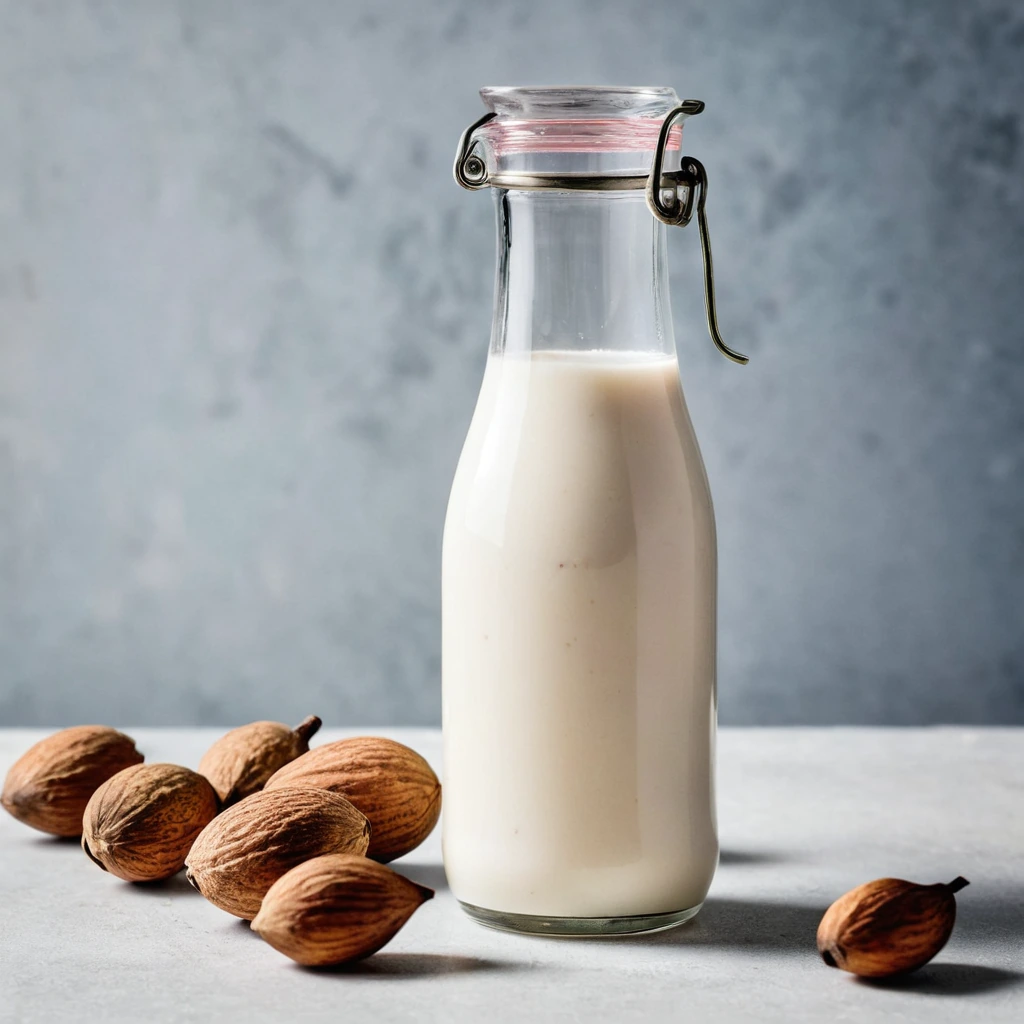
Almond Milk
Almond milk is a plant-based milk alternative made from ground almonds and water. Originating from traditional recipes in medieval Europe and the Middle East, it has gained widespread popularity in modern times as a dairy-free option. Almond milk has a subtly nutty flavor with a mild sweetness, and its aroma is reminiscent of fresh almonds. Its texture is smooth and creamy, though typically lighter than dairy milk. In cooking, almond milk behaves well in both savory and sweet applications, though it does not brown or caramelize like dairy milk. It is often used in cereals, smoothies, and baking, where its delicate flavor complements rather than overpowers other ingredients.
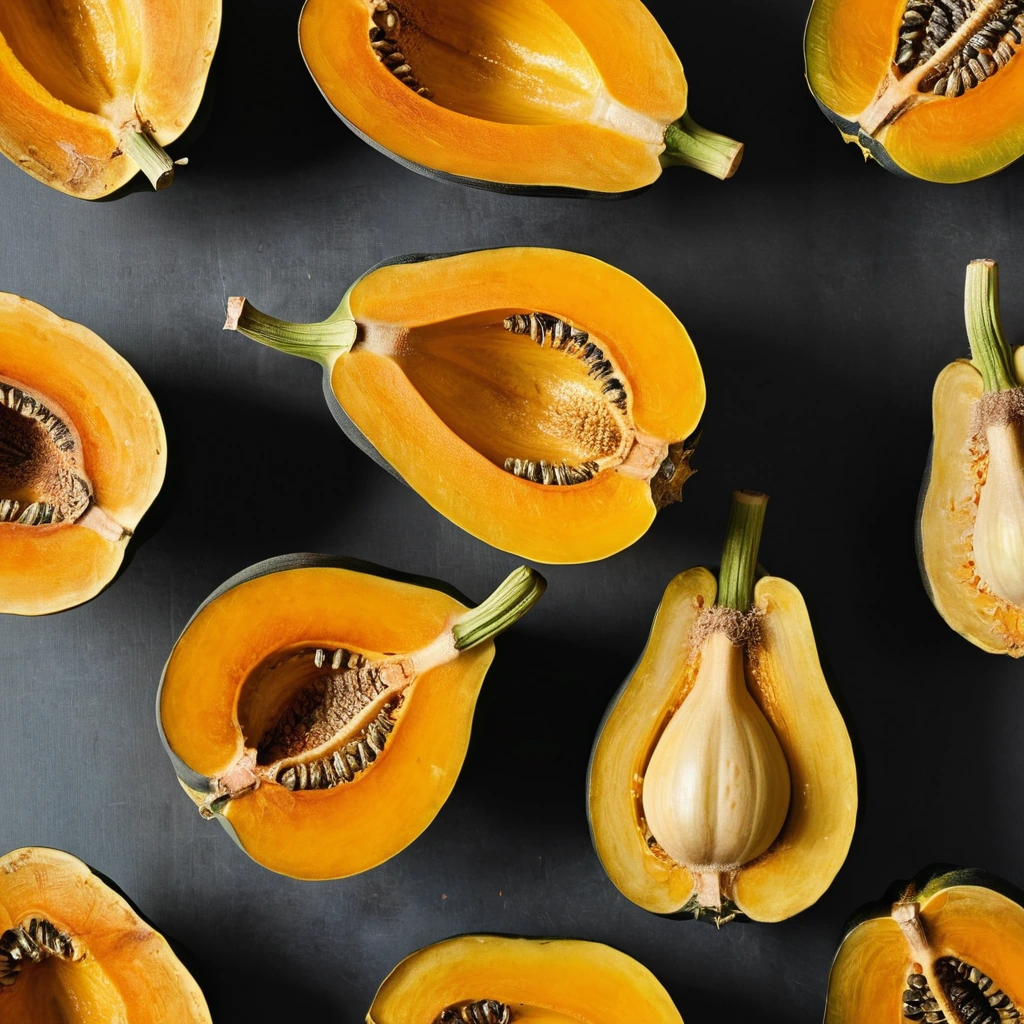
Acorn Squash
Acorn squash is a winter squash variety known for its distinctive teardrop shape and deep ridges resembling the texture of an acorn shell. Originating in the Americas, it has been cultivated for centuries and is a staple in autumn cuisine. The flesh is sweet and nutty with a hint of earthiness, offering a delightful contrast to savory dishes. Its texture is dense yet tender when cooked, making it ideal for roasting or pureeing. In cooking, acorn squash holds its shape well and absorbs flavors from herbs and spices, enhancing both its taste and versatility in recipes.
Recipes to try
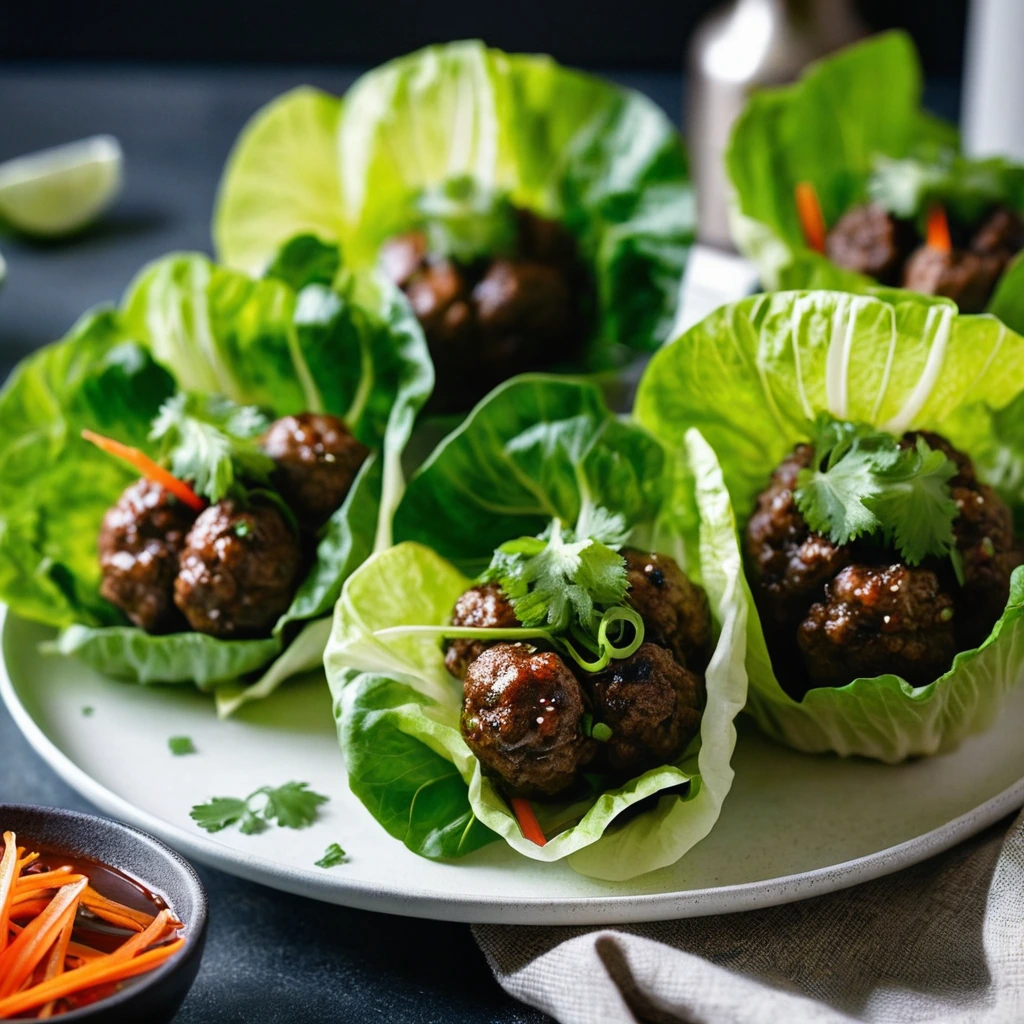
Sweet Chili Glazed Meatball Lettuce Wraps
Juicy meatballs cloaked in a sticky-sweet chili glaze, nestled in crisp lettuce cups for a flavor explosion with every bite.
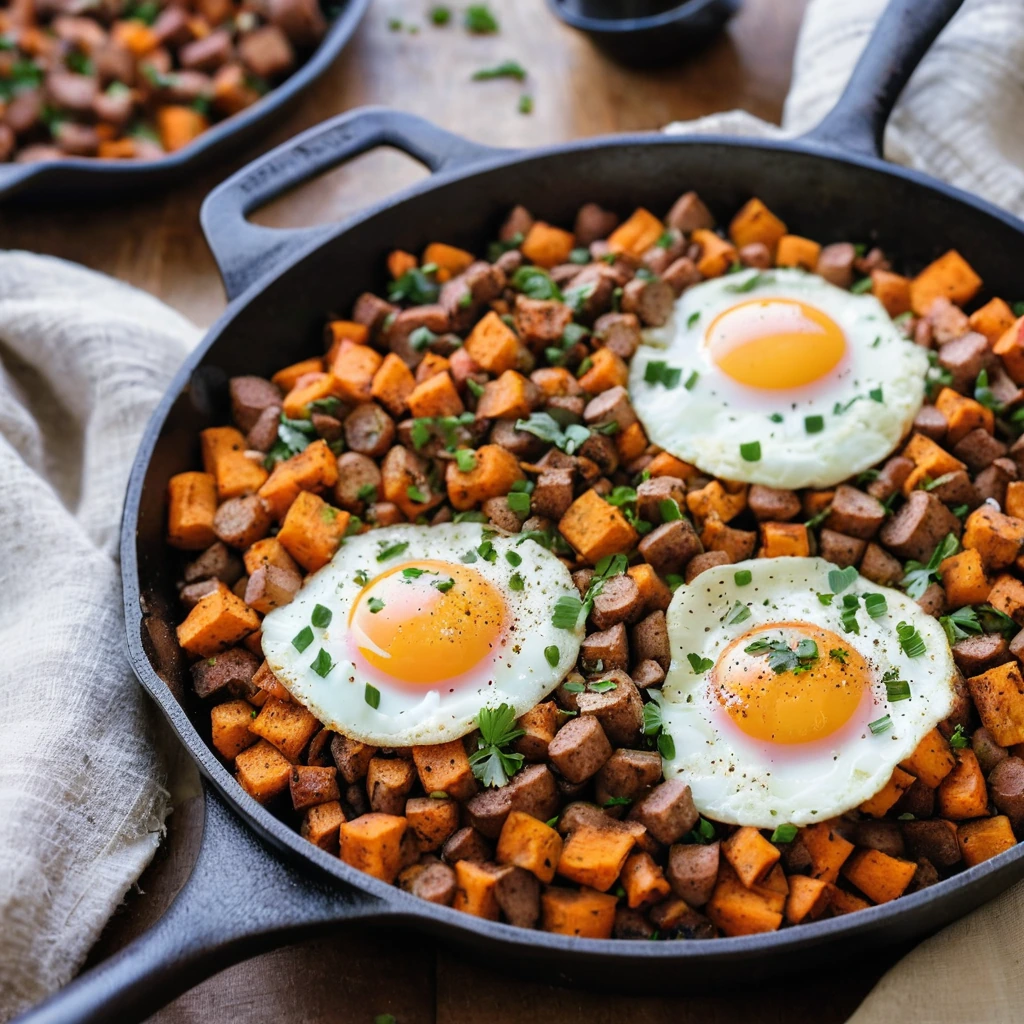
Sweet Potato, Sausage, and Egg Breakfast Hash
Rustic and hearty, this breakfast hash is a symphony of smoky sausage, tender sweet potatoes, and perfectly cooked eggs.