Baking: Macaronage - Folding Macaron Batter
Macaronage is the delicate art of folding macaron batter to achieve the perfect texture for macarons. This technique is crucial for creating those iconic, smooth-topped, and perfectly round French confections. It begins after the initial mixing of almond flour and powdered sugar with egg whites, where the goal is to create a smooth, flowing batter without deflating the air whipped into the egg whites. The folding motion is gentle and requires patience, as overworking the batter can lead to flat, dense macarons, while underworking can result in bumpy, cracked shells. Achieving the right consistency is akin to finding culinary gold—it should fall like a ribbon off your spatula, indicating it’s ready for piping. The process is not just about aesthetics; it also influences the macarons' texture and ability to rise properly. Understanding the science behind macaronage helps demystify the process, allowing home cooks to replicate professional results. The key is to fold with care, rotate the bowl, and scrape the bottom gently, ensuring an even mix. This technique is as much about feel as it is about sight, requiring a balance of finesse and attentiveness. Mastering macaronage transforms macarons from an intimidating endeavor into a delightful baking adventure.
Notes
The science behind macaronage is all about balancing structure and air. The egg whites provide structure and lift, while the folding incorporates the dry ingredients without deflating the air. Overmixing can rupture air bubbles, leading to flat macarons. Conversely, under-mixing leaves unhydrated flour, causing cracks. To troubleshoot, ensure your egg whites are at room temperature and your dry ingredients are sifted to avoid lumps. Work in a clean, dry environment to prevent moisture interference. For storage, piped macarons can rest at room temperature for 30 minutes to an hour to form a skin before baking. Store baked macarons in an airtight container to maintain freshness.
Steps
- 1 Prepare your ingredients: sift almond flour and powdered sugar together.
- 2 Whip egg whites to stiff peaks in a separate bowl.
- 3 Add a portion of the dry ingredients to the egg whites.
- 4 Gently fold the mixture using a spatula, starting from the center.
- 5 Rotate the bowl ¼ turn and continue folding.
- 6 Repeat folding and rotating until the mixture becomes smooth and glossy.
- 7 Check the ribbon stage by lifting the spatula; batter should fall slowly and smoothly.
- 8 Continue folding until the batter flows like lava, not runny but fluid.
- 9 Avoid overmixing; stop when the batter holds its ribbon shape for a few seconds.
Ingredients to explore
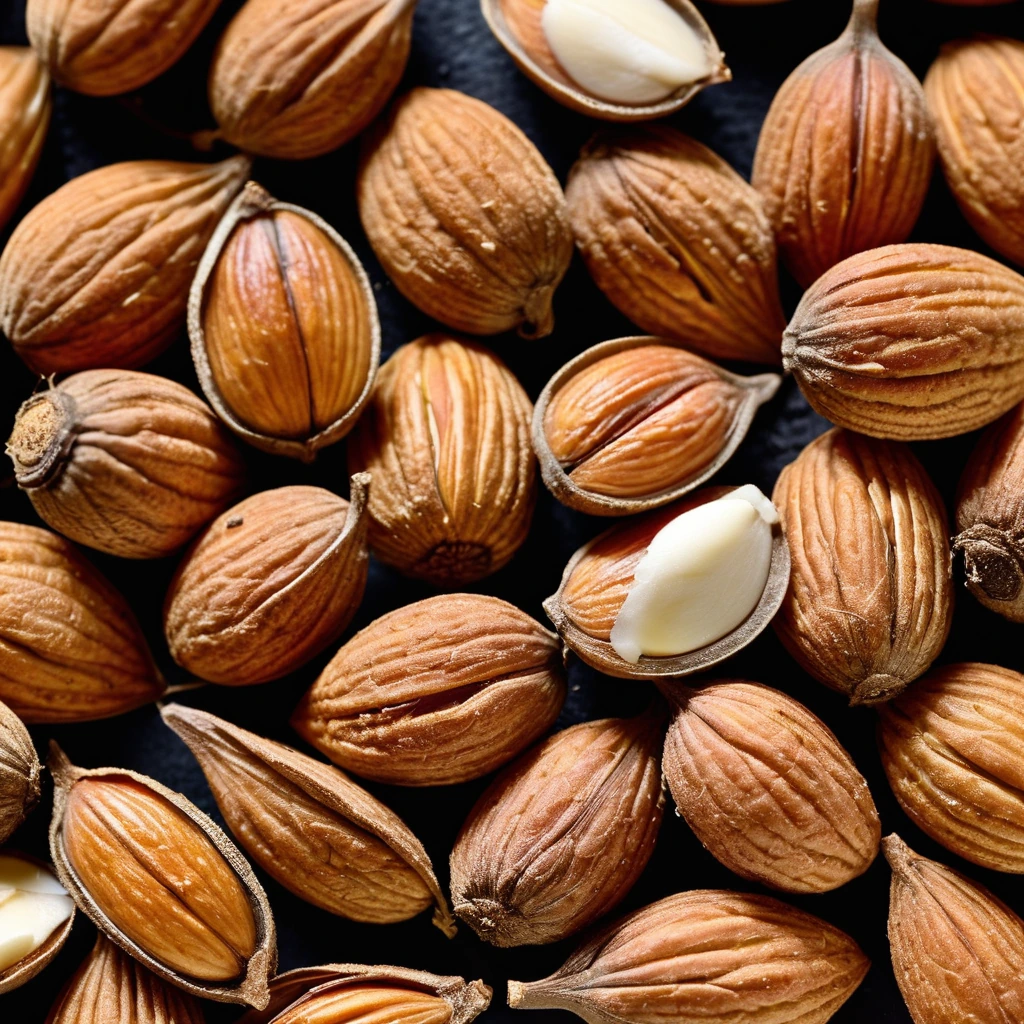
Almond Extract
A fragrant, golden elixir that captures the essence of freshly ground almonds, almond extract is a pantry staple that brings a rich, nutty aroma to your culinary creations.
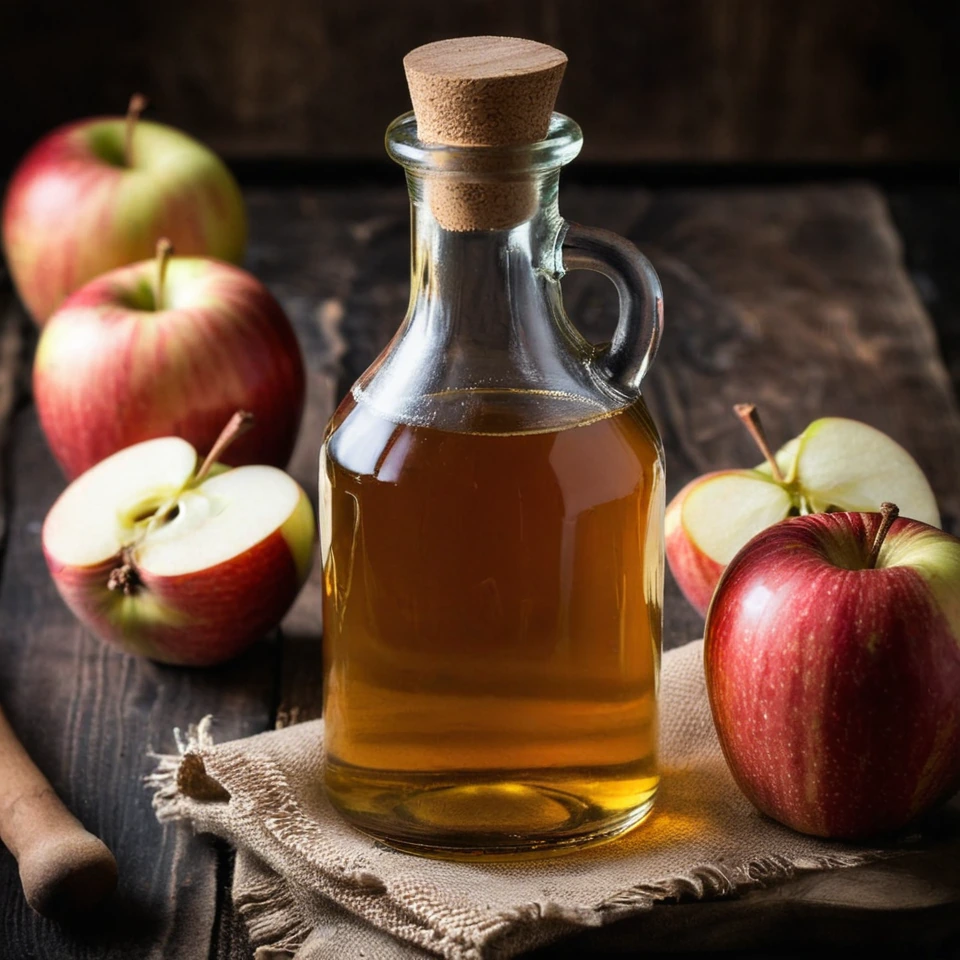
Apple Cider Vinegar
Apple cider vinegar is a type of vinegar made through the fermentation of apple cider, resulting in a tangy, slightly sweet liquid with a pale to medium amber color.
Recipes to try
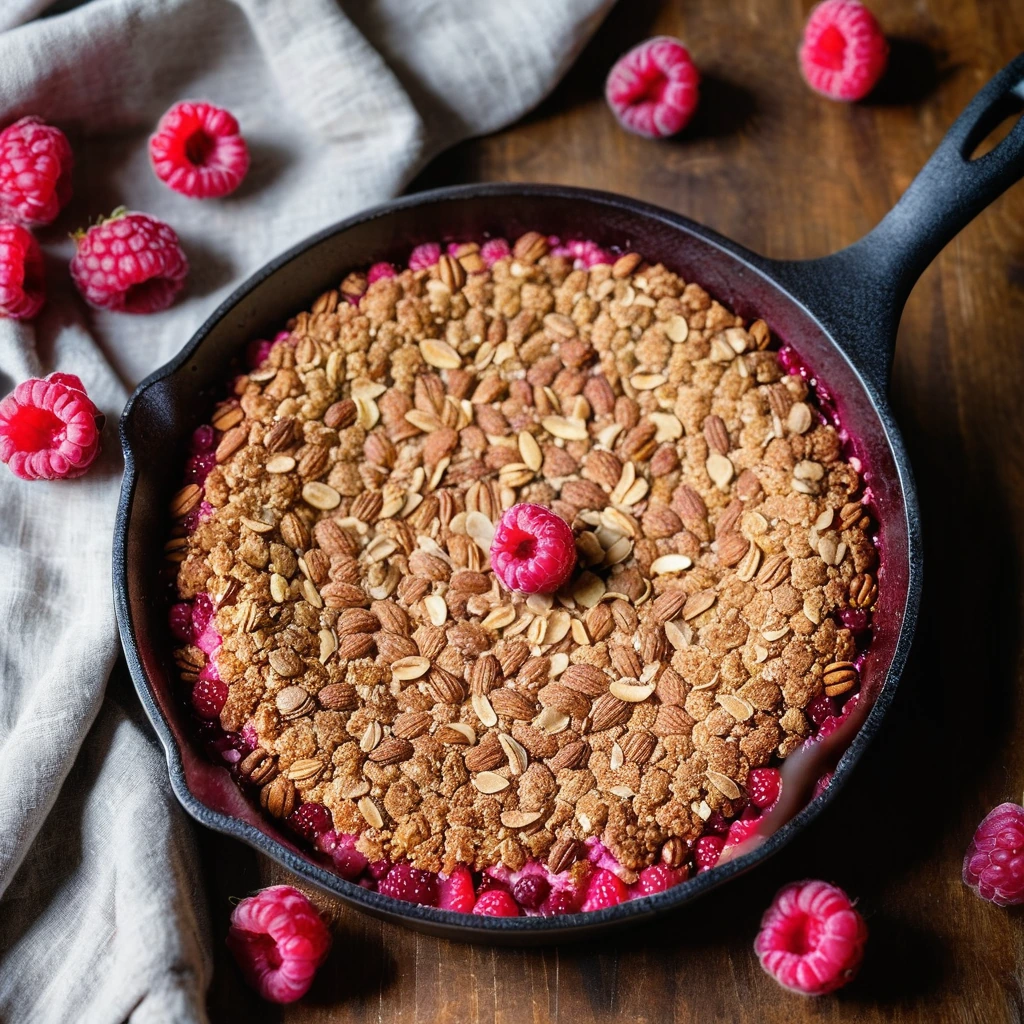
Raspberry Almond Crumble Skillet
A symphony of sweet raspberries nestled under a golden, almond-studded crumble, perfect for cozy evenings and brunch spreads.
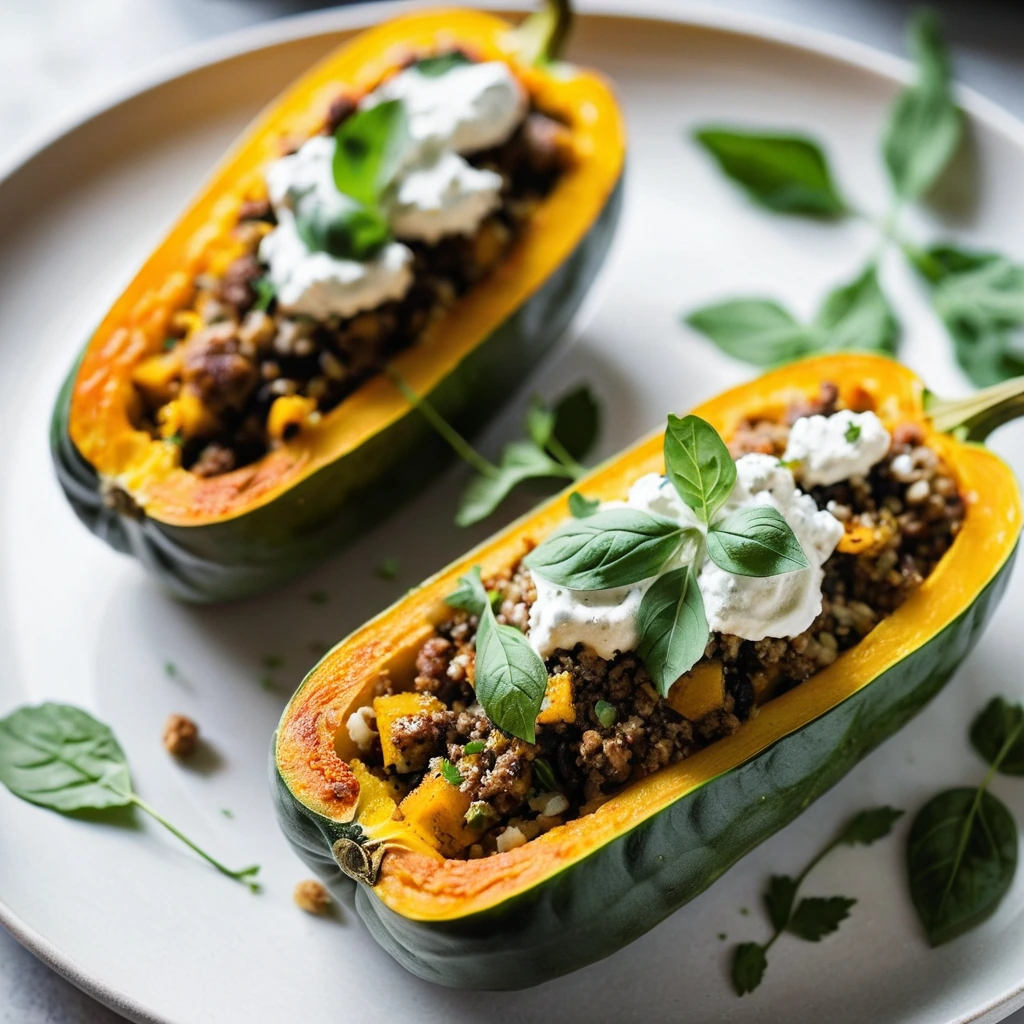
Sausage and Ricotta Stuffed Squash Boats
Tender roasted squash halves are stuffed with a savory mix of Italian sausage and creamy ricotta, making for a comforting and hearty meal.