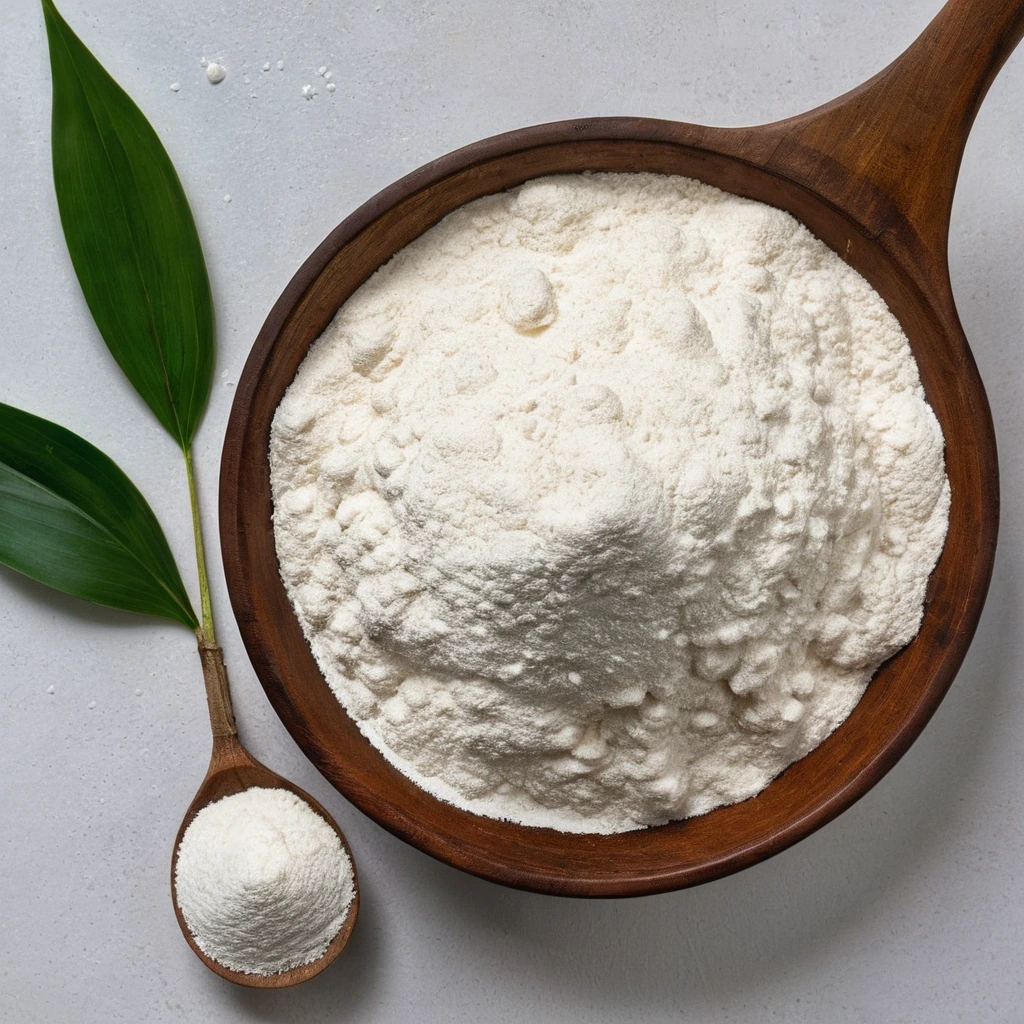
Tapioca Starch
Tapioca starch is a gluten-free starch extracted from the root of the cassava plant, which is indigenous to South America but widely cultivated in tropical regions around the world. It is a staple in many gluten-free diets due to its neutral flavor and excellent thickening properties. The starch has a mild, slightly sweet taste with no distinctive aroma, allowing it to blend seamlessly into both savory and sweet dishes. Its texture is smooth and gel-like when cooked, providing a glossy finish to sauces and puddings. In cooking, tapioca starch is prized for its ability to thicken liquids quickly and effectively, creating a clear, stable gel that withstands freezing and thawing without becoming grainy.
Notes
When selecting tapioca starch, opt for brands that are pure and free of additives. Store it in an airtight container in a cool, dry place where it can keep for up to two years. When using, mix it with a small amount of cold liquid before adding to hot dishes to prevent clumping. While tapioca starch is naturally gluten-free, those with allergies should check labels for cross-contamination warnings.
Uses
- Thicken gravies and sauces
- Make clear fruit gels
- Prepare tapioca pudding
- Enhance pie fillings
- Bake gluten-free bread
- Create chewy boba pearls
Replacements
- Cornstarch
- Arrowroot powder
- Potato starch
- Rice flour
- Agar-agar for vegan gels
You might also like

Bay Scallops
Delicate and sweet, bay scallops are the petite jewels of the sea. Their tender texture and mild briny flavor make them a delightful addition to any dish.
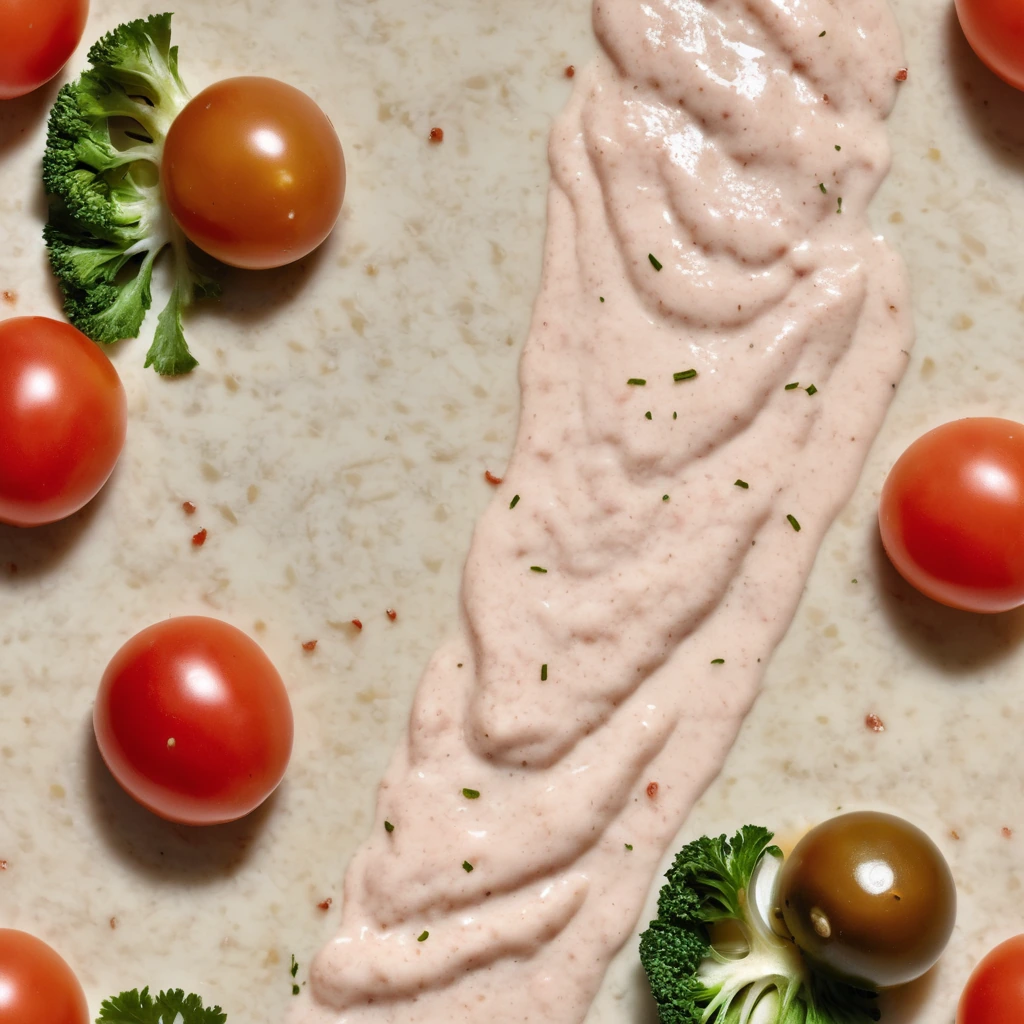
Thousand Island Dressing
A creamy, tangy dressing with a vibrant hue, bursting with the flavors of ketchup, mayonnaise, and a medley of finely chopped pickles, onions, and herbs.
Recipes to try
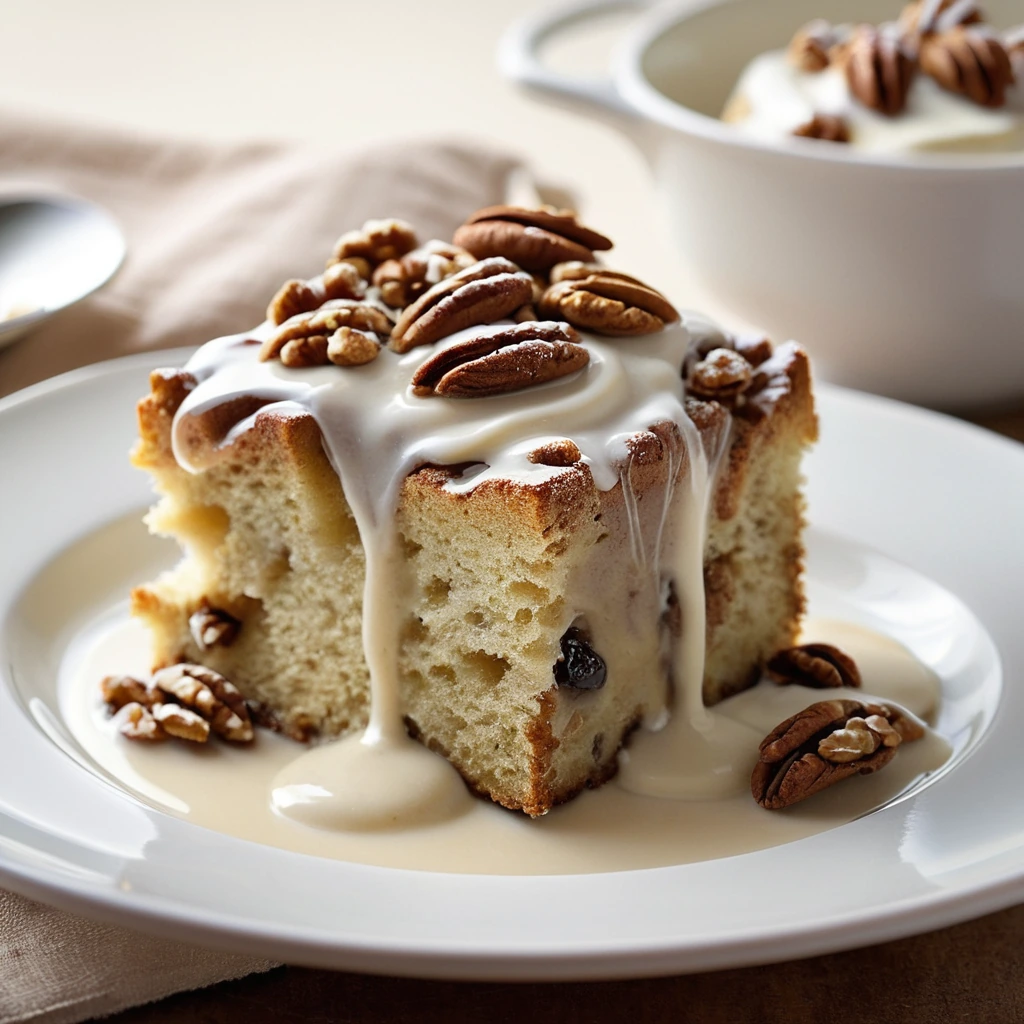
Maple Pecan Bread Pudding with Vanilla Sauce
Warm, spiced bread pudding drizzled with maple syrup and crunchy pecans, served with a silky vanilla sauce.
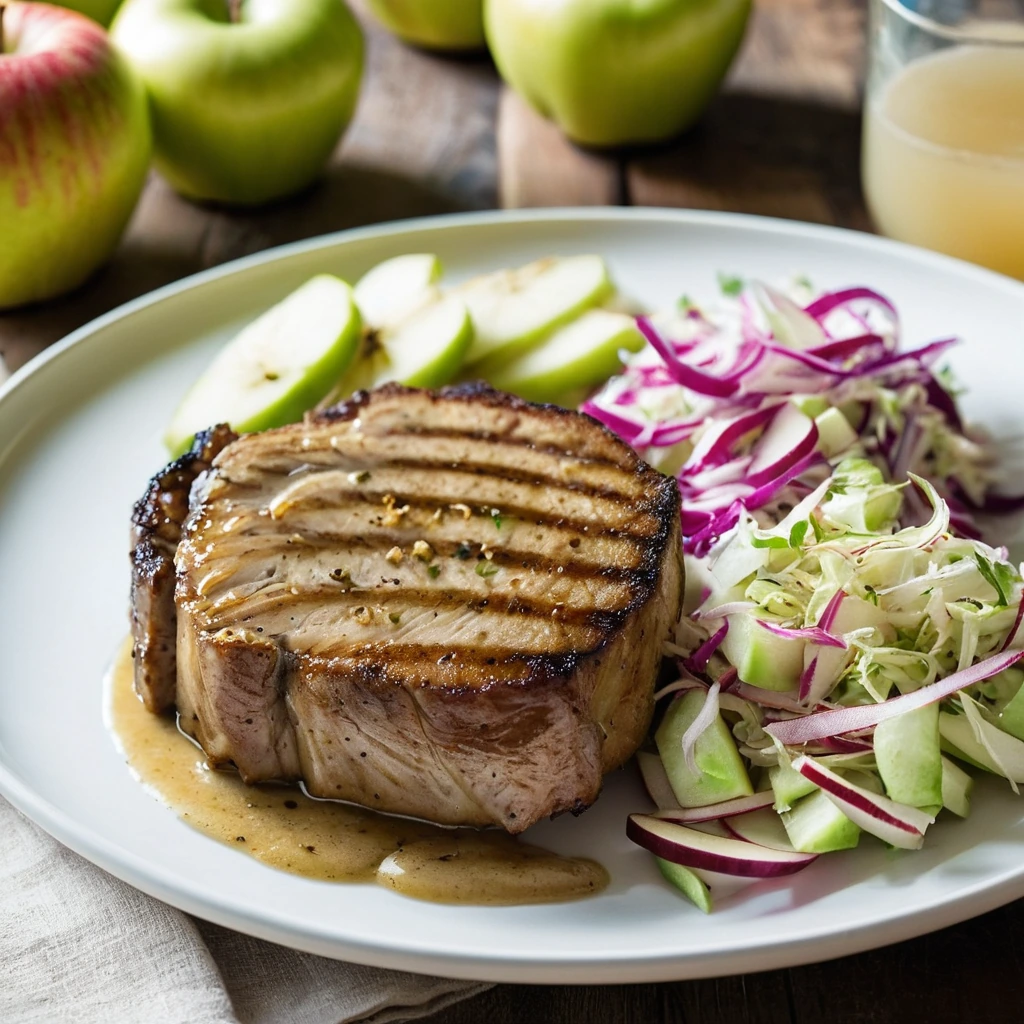
Maple Mustard Pork Chops with Apple Slaw
Tender pork chops kissed with a tangy maple mustard glaze, served alongside a crisp, sweet-tart apple slaw.