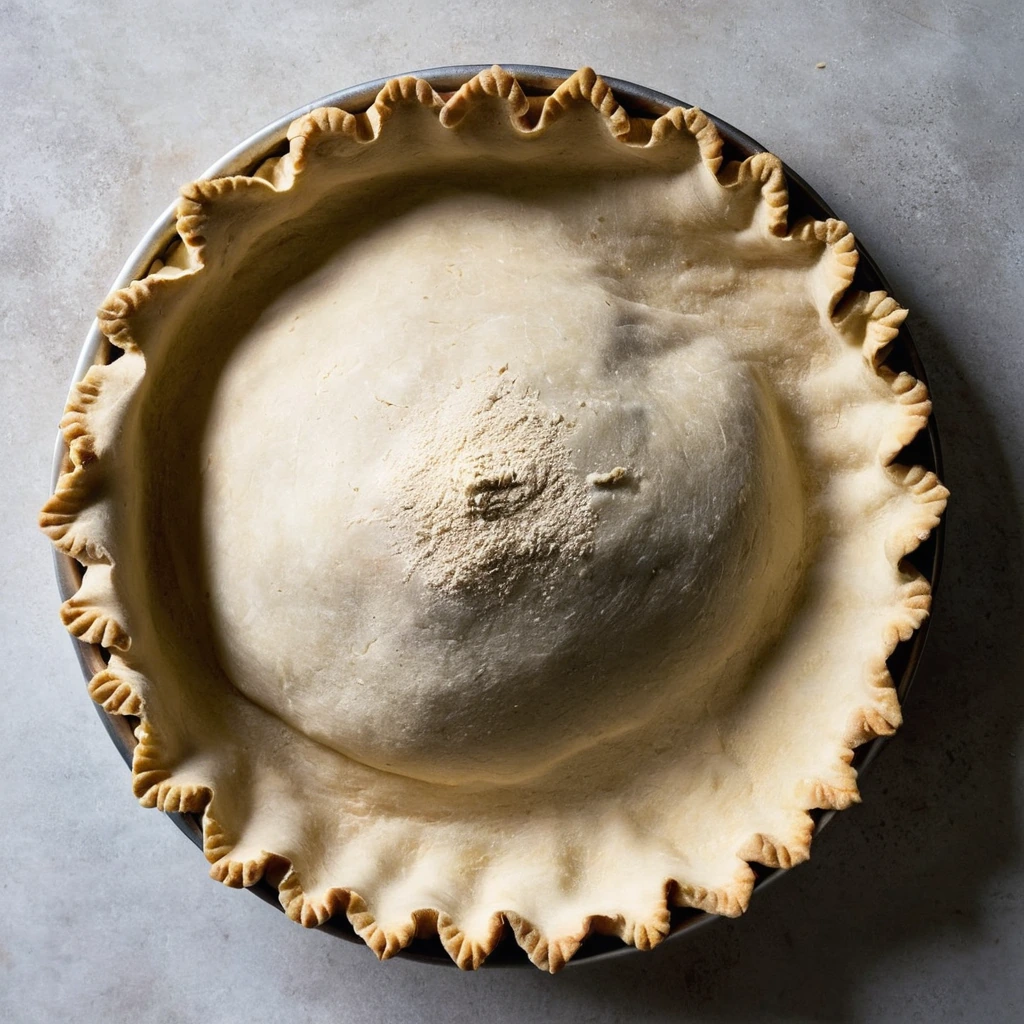
Pie Crust Dough
Pie crust dough is a fundamental component in the world of baking, serving as the base for both sweet and savory pies. Traditionally made from a mixture of flour, fat (such as butter or lard), and water, its origins trace back to ancient Egypt and have since become a staple in many cultures worldwide. The flavor is subtly buttery and rich, with a pleasant, slightly floury aroma. Its texture is ideally flaky and tender, offering a satisfying crunch with each bite. When cooked, pie crust dough transforms beautifully, browning to a golden hue and achieving a delightful contrast between a crisp exterior and a tender interior. Its ability to encase fillings while maintaining structure makes it indispensable in countless recipes.
Notes
Select pie crust dough that is firm and cool to the touch, indicating it has been properly chilled. Store unbaked pie crust dough in the refrigerator for up to two days or in the freezer for up to three months. To handle, keep the dough cold to prevent it from becoming too soft, which can inhibit flakiness. Those with gluten intolerance should seek gluten-free alternatives. Proper rolling techniques ensure an even thickness, preventing uneven baking.
Uses
- Sweet fruit pies
- Savory pot pies
- Tarts and quiches
- Galettes
- Hand pies
- Crumb toppings
Replacements
- Puff pastry
- Shortcrust pastry
- Biscuit dough
- Phyllo dough
- Graham cracker crust
You might also like
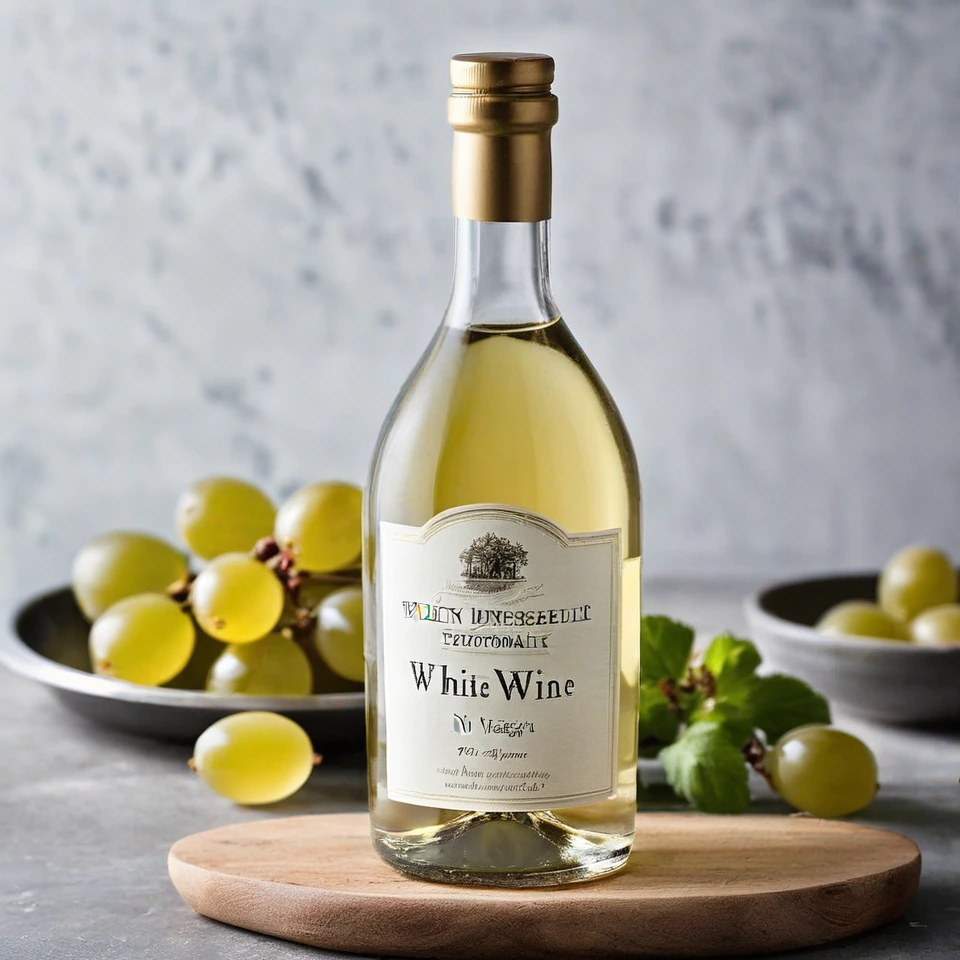
White Wine Vinegar
White wine vinegar is a mild, slightly acidic vinegar made from fermented white wine. It has a clean, tangy flavor that enhances a variety of dishes without overpowering them.
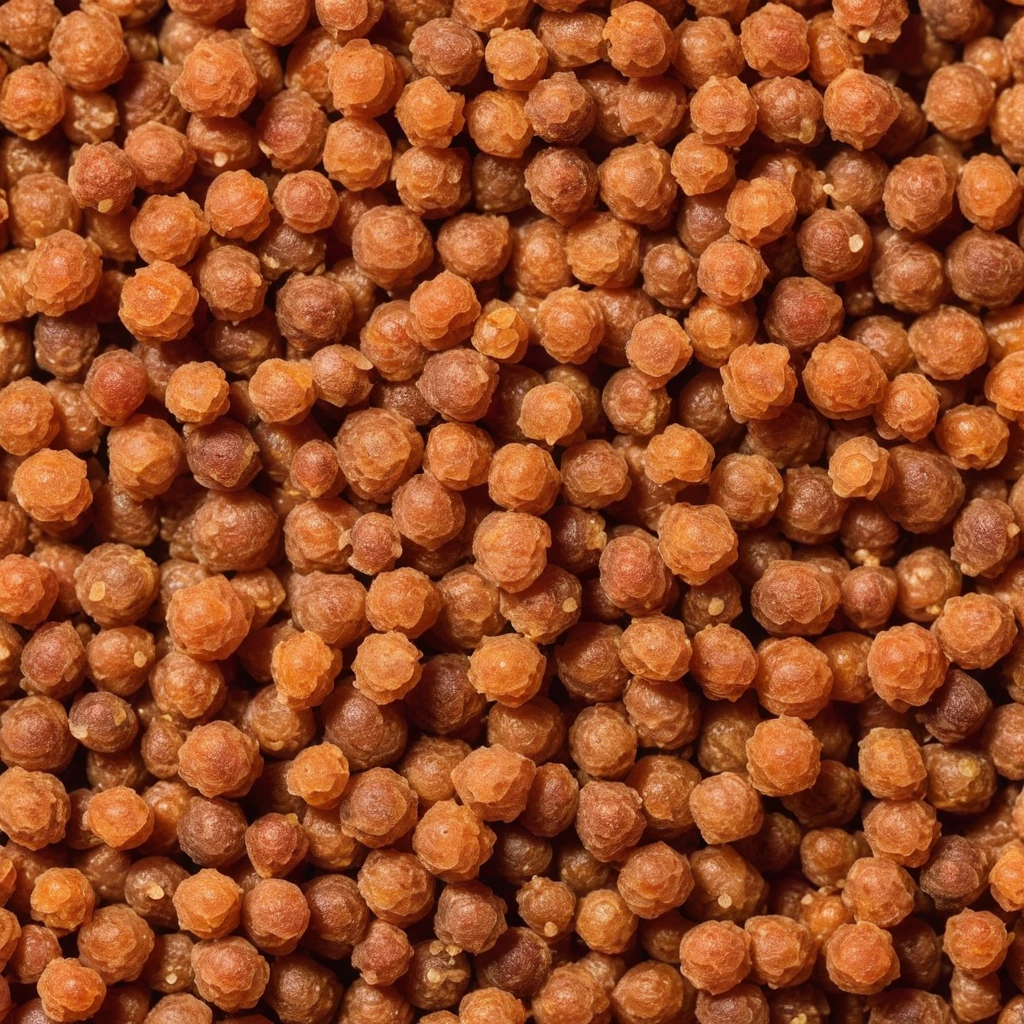
Red Lentils
Tiny, coral-hued orbs of nutty goodness, red lentils are the culinary equivalent of a warm hug. They cook up quickly into a tender, melt-in-your-mouth texture, perfect for comforting soups and hearty stews.
Recipes to try
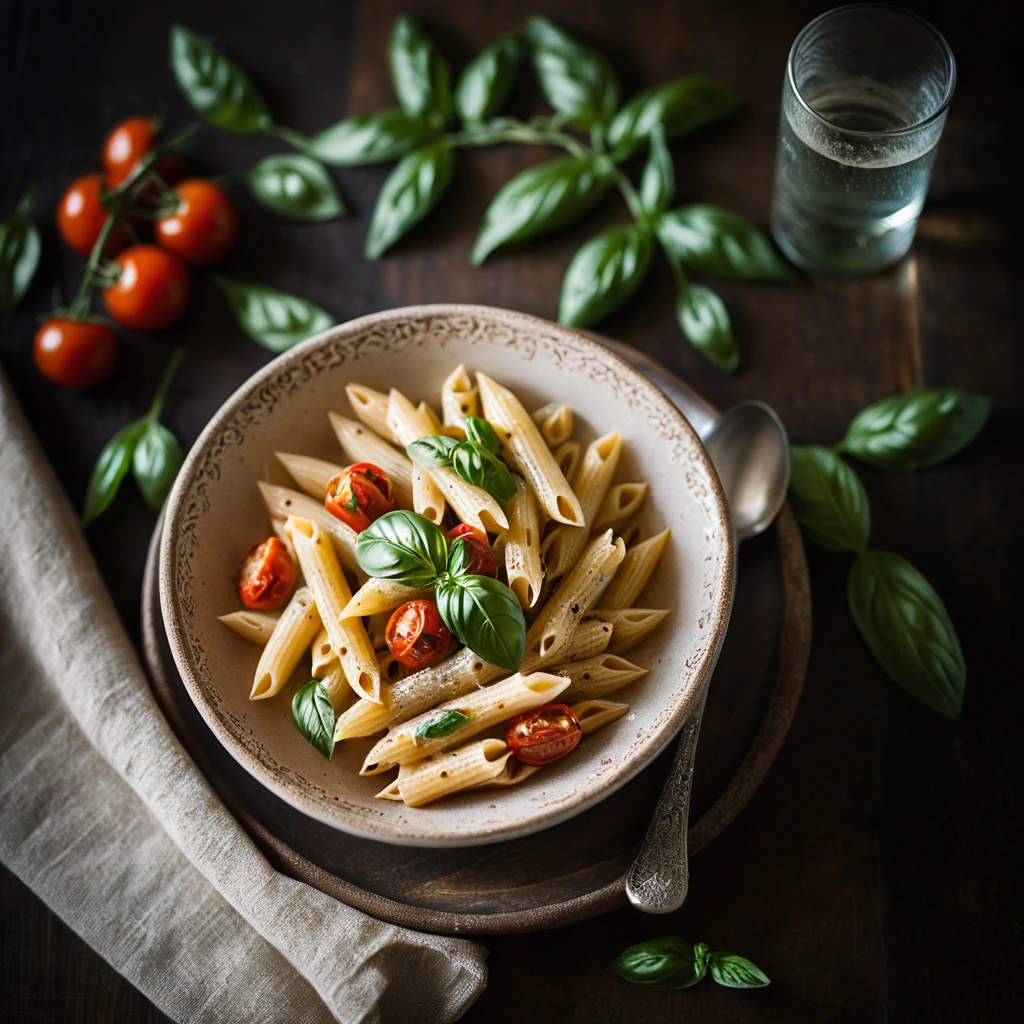
Roasted Tomato and Basil Cream Penne
Sun-kissed roasted tomatoes meld with creamy sauce and fresh basil for a penne that's both comforting and vibrant.
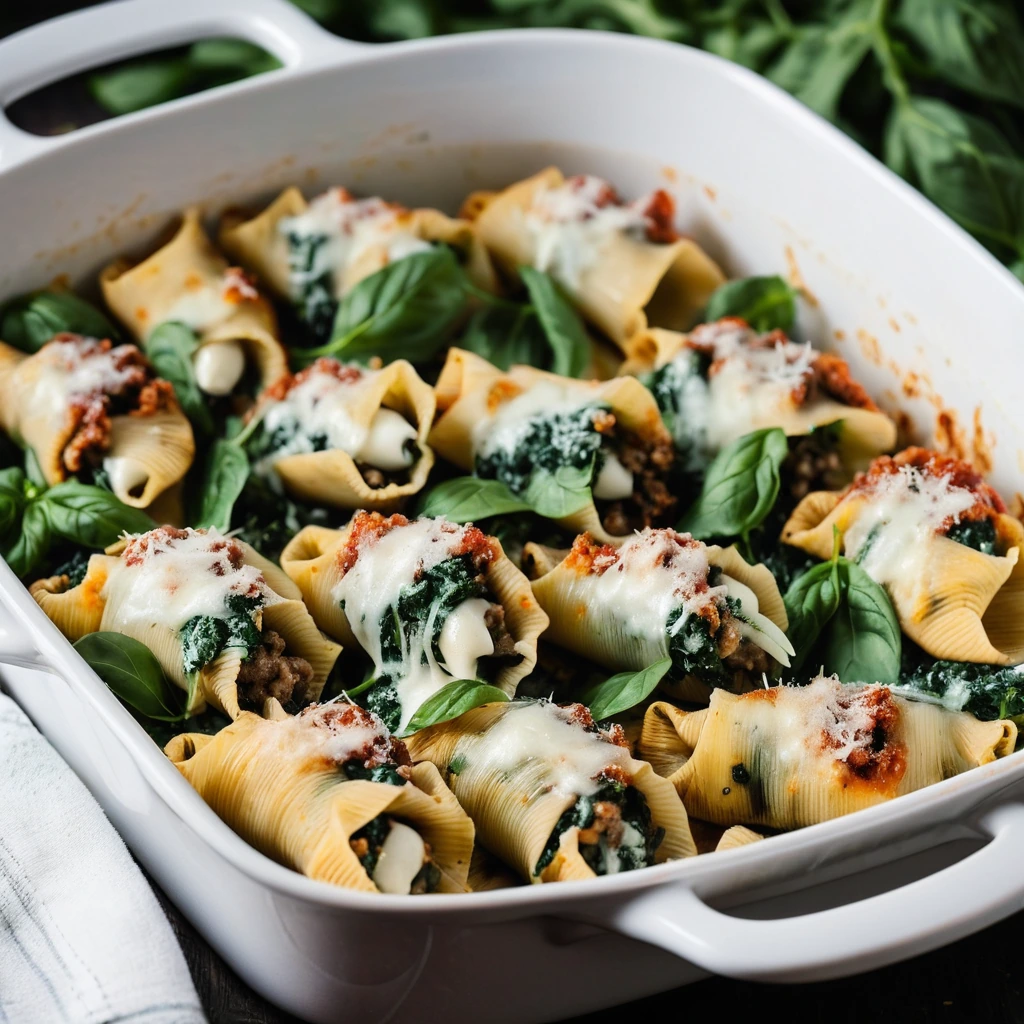
Sausage and Spinach Stuffed Shells Bake
Creamy ricotta and hearty sausage nestled in pasta shells, crowned with a blanket of melted mozzarella and fresh spinach.