
Canned Sardines
Canned sardines are small, oily fish packed in a tin, typically preserved in water, oil, or a flavorful sauce. Originating from the Mediterranean and Atlantic regions, they have been a staple in European diets for centuries due to their affordability and nutritional value. Sardines offer a distinctive flavor profile that is rich, briny, and slightly smoky, with a delicate yet firm texture that flakes easily. They are prized for their high content of omega-3 fatty acids and protein. In cooking, canned sardines are versatile, holding their shape well in salads while also breaking down smoothly into spreads or pastes. They contribute a deep umami flavor to dishes and can absorb surrounding seasonings, making them a flavorful addition to countless recipes.
Notes
Select canned sardines packed in olive oil for enhanced richness, or choose those in water for a lighter option. Check for cans with no dents or bulges and a recent expiration date for optimal freshness. Stored in a cool, dry pantry, they can last for several years. Once opened, transfer sardines to an airtight container and refrigerate for up to three days. Be aware that sardines are a common allergen and should be avoided by those with fish allergies.
Uses
- Salad topping
- Pizza ingredient
- Tartine spread
- Pasta addition
- Breakfast omelette
Replacements
- Canned mackerel
- Anchovy fillets
- Smoked trout
- Tuna
You might also like
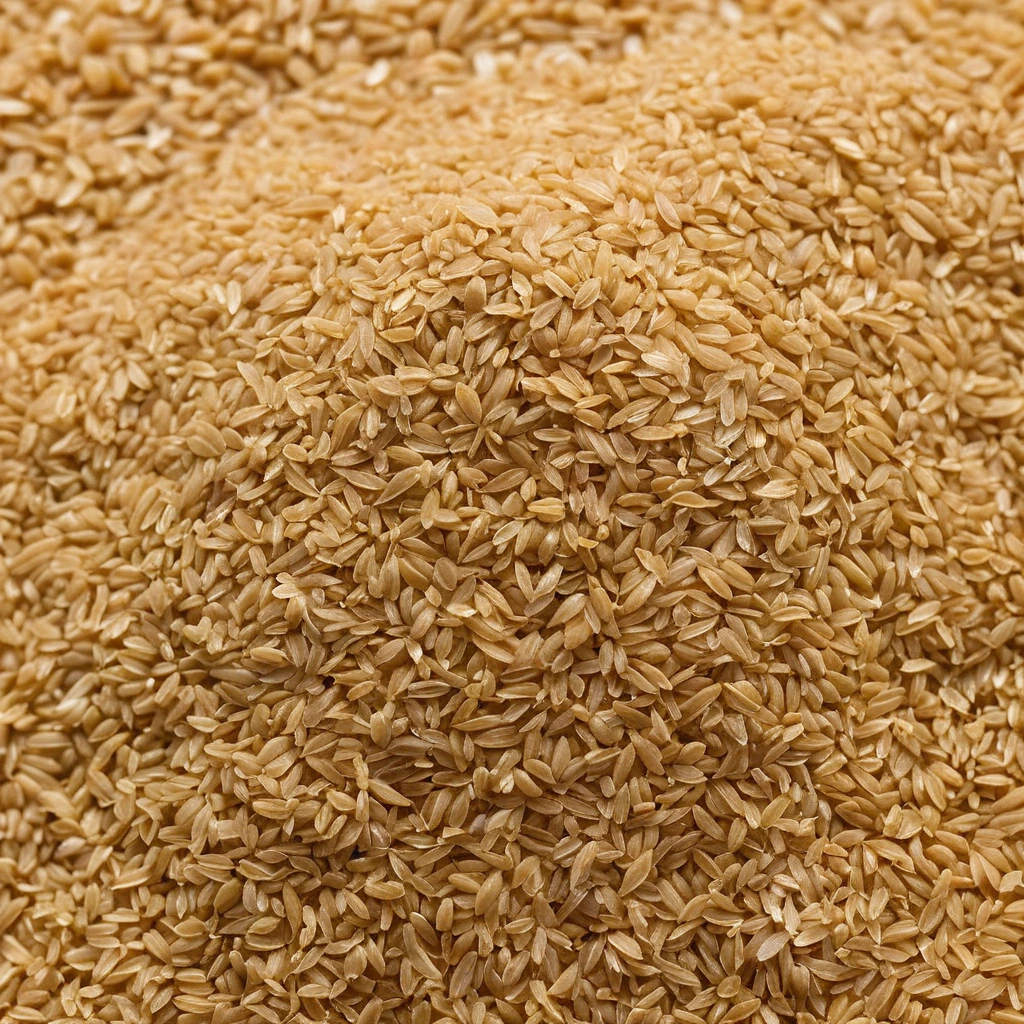
Bulgur Wheat
Bulgur wheat is a whole grain made from durum wheat that has been cleaned, parboiled, dried, and ground into varying coarseness. Originating in the Middle East, it has been a staple in cuisines such as Turkish, Syrian, and Lebanese for centuries. Bulgur offers a nutty, earthy flavor with a satisfyingly chewy yet tender texture. Its quick cooking time is due to the parboiling process, making it a convenient choice for busy cooks. In cooking, bulgur readily absorbs liquids and spices, making it an ideal base for pilafs, salads, and stuffings. Its versatility extends to both savory and occasionally sweet dishes, and it is highly regarded for its nutritional benefits, including high fiber and protein content.
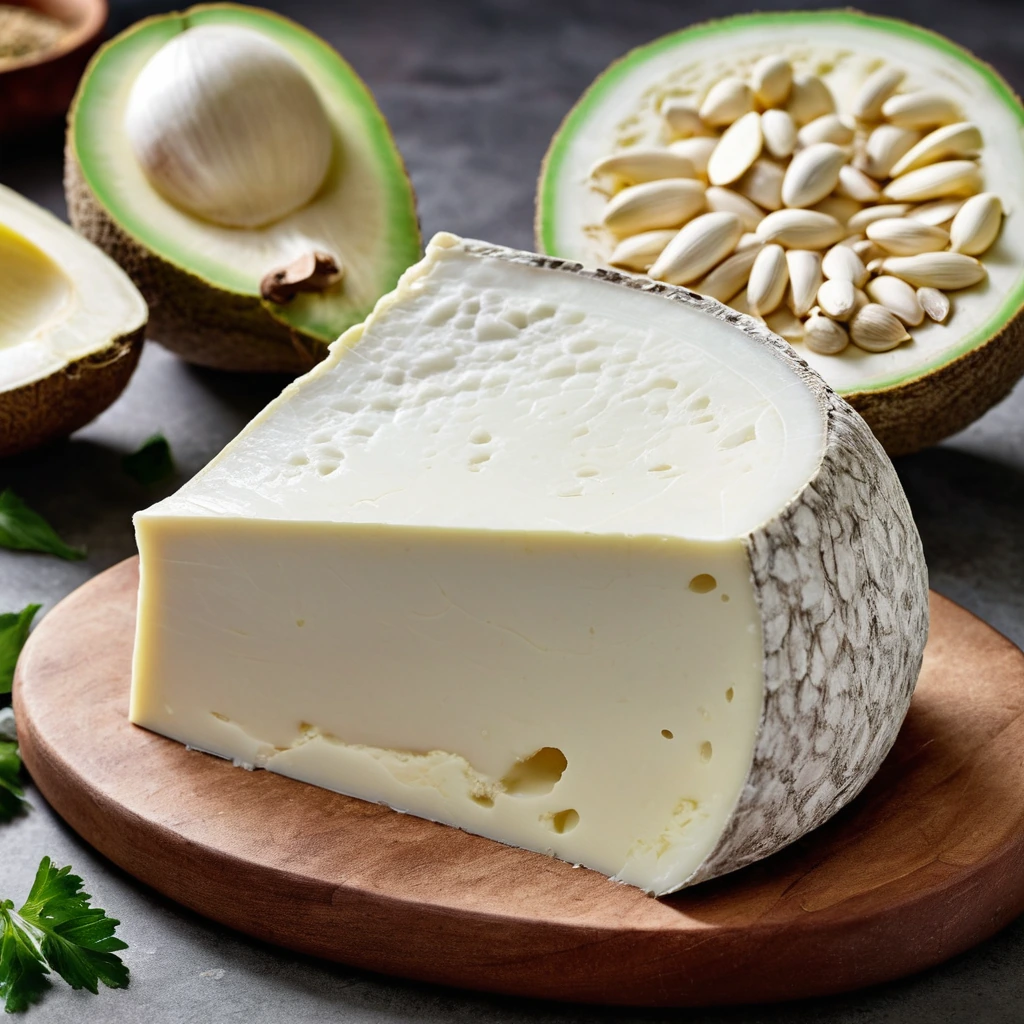
Queso Blanco
Queso Blanco is a fresh, unaged cheese hailing from Mexico, known for its mild, creamy flavor and smooth texture. This versatile cheese is crafted from cow's milk, often with the addition of vinegar or an acid to curdle the milk, resulting in a cheese that is both simple and deeply satisfying. Its taste is subtle, with a slightly tangy finish, making it an excellent complement to bold flavors. The texture is soft and crumbly yet holds its shape well when melted. In cooking, Queso Blanco is prized for its ability to melt smoothly without becoming stringy, making it ideal for dishes where a creamy consistency is desired. It is a staple in many traditional Mexican dishes, bringing a touch of richness and creaminess.
Recipes to try

Sheet Pan Chicken Tikka with Garlic Potatoes
Juicy chicken and golden potatoes roasted to perfection on one sheet pan, infused with smoky tikka spices and garlicky goodness.

Maple Pecan Bread Pudding with Vanilla Sauce
Warm, spiced bread pudding drizzled with maple syrup and crunchy pecans, served with a silky vanilla sauce.