How to Make the Perfect Roux Every Time
Master the art of roux-making with this foolproof guide. Learn to avoid common mistakes and create a smooth, flavorful base for your soups and sauces.
Introduction
Ah, the roux. It's the unsung hero of countless classic dishes, lending body and flavor to everything from gumbo to béchamel. But let's face it: roux can be a tricky beast. Too hot, and it burns; too cold, and it lumps. Fear not, home cook! This guide will show you how to make the perfect roux every time, leaving you with silky smooth sauces that'll have your dinner guests swooning.
What is a Roux?
A roux is a thickening agent made by whisking equal parts fat and flour together and cooking them until they reach the desired color and flavor. It's the backbone of many French sauces and essential for dishes that require a velvety texture.
Types of Roux
- White Roux: Cooked just until the raw flour taste is gone. Perfect for béchamel and cream sauces.
- Blond Roux: Takes on a light golden color. Ideal for velouté and light gravies.
- Brown Roux: Cooked longer for a nutty color and flavor. A must for gumbo and darker gravies.
Gather Your Gear
Before you start, make sure you have:
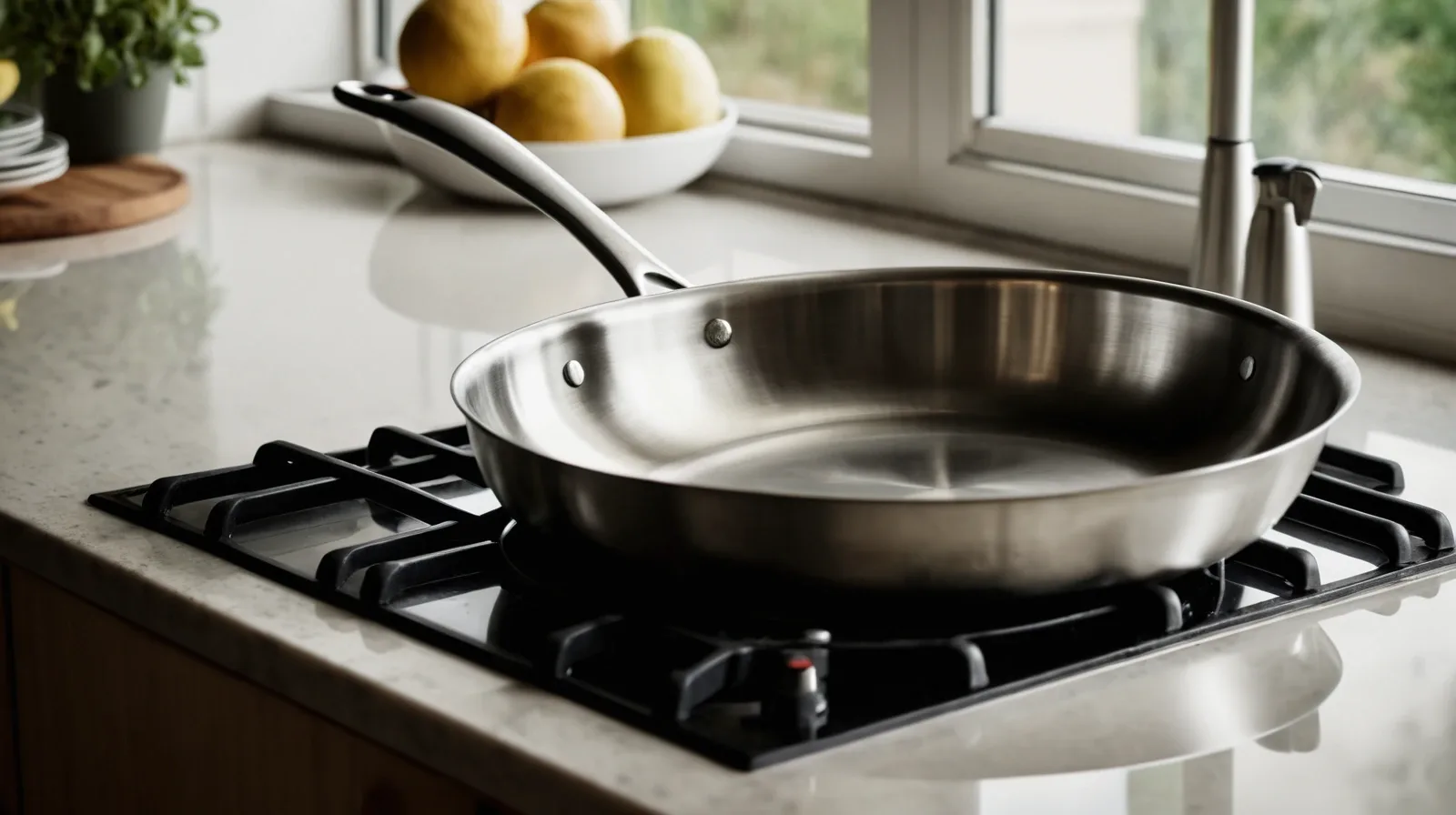
- A heavy-bottomed saucepan to prevent scorching.
- A whisk for smooth incorporation.
- Measuring cups for precision – roux is all about balance.
The Step-by-Step Process
- Measure Your Ingredients: Start with equal parts fat (butter or oil) and flour. Let's say 1/4 cup each for a small batch.
- Melt the Fat: Heat your fat over medium heat until fully melted but not browned.
- Add the Flour: Whisk in the flour to create a smooth paste. This is crucial to avoid lumps.
- Cook the Roux: Lower the heat to medium-low and cook, stirring constantly. This is where patience pays off. For a white roux, cook for 1-2 minutes. For blond or brown, 5-15 minutes depending on your desired color and flavor.
Avoid Common Mistakes
- Don't Rush: High heat can lead to disaster. Keep it low and slow.
- Stir Relentlessly: Constant stirring is key to prevent scorching and ensure even cooking.
- No Distractions: Roux requires your full attention. Put the phone down and focus.
Troubleshooting Tips
My Roux is Lumpy
Fear not! This often happens when the flour isn't fully incorporated. Whisk vigorously, or strain the roux through a fine mesh sieve into your dish.
My Roux is Too Dark
Oops! If you've gone too far, start fresh. Dark roux has a different flavor profile and can overpower a dish if not intended.
Mini-FAQ
Can I Use Oil Instead of Butter?
Absolutely! While butter adds flavor, oil is great for a nuttier roux and is perfect for those watching their dairy intake.
How Do I Store Leftover Roux?
Let it cool, then transfer to an airtight container. Store in the fridge for up to a week. Reheat gently while whisking to restore its smooth texture.
Closing Thoughts
With a little patience and the tips in this guide, you'll be roux royalty in no time. Remember, perfection in roux-making comes from practice and attention to detail. So grab your whisk, and let's get saucy! Your next béchamel is about to be legendary.