Workflow Technique: Using One Cutting Board Safely for Multiple Tasks
Cooking efficiently in your home kitchen often requires juggling multiple ingredients and tasks simultaneously. One of the most common challenges home cooks face is managing cross-contamination and maintaining cleanliness when using a single cutting board for various food items. This technique will guide you through the smart and safe use of one cutting board for multiple tasks, ensuring your culinary adventures are both hygienic and hassle-free. By understanding the workflow and employing a few key strategies, you can streamline your prep process without compromising safety or flavor. First, it's essential to recognize the risk of bacteria transfer from raw meats to other ingredients. Proper cleaning and organization are your allies here. Start by designating specific areas on your board for different food groups, like raw proteins, vegetables, and herbs. Using visual cues and strategic planning, you can minimize the risk of contamination. Additionally, investing in color-coded mats or labels can help you remember which section is for what. Another crucial aspect is understanding how to clean your cutting board effectively. It's not just about washing it with soap and water; it's about knowing when to sanitize and how to dry it properly to prevent bacterial growth. Furthermore, maintaining the integrity of your cutting board by avoiding deep grooves and cracks is vital for both safety and efficiency. These imperfections can harbor bacteria and make thorough cleaning more difficult. By mastering this workflow technique, you'll not only enhance your cooking efficiency but also ensure your kitchen remains a safe space for food preparation. With these insights and steps, you'll be well-equipped to handle multiple tasks on one cutting board with confidence and ease.
Notes
This workflow technique works by compartmentalizing your cutting board to prevent cross-contamination, a common issue when preparing diverse ingredients. The science behind sanitizing with bleach is its ability to kill bacteria effectively, but it's crucial to rinse thoroughly to avoid imparting unwanted flavors. A common mistake is not drying the board properly; moisture can lead to bacterial growth and board deterioration. To troubleshoot, ensure you have a dedicated drying space for your cutting board. For storage, keep the board in a cool, dry place to maintain its integrity. If you're preparing a meal in advance, you can prep ingredients separately and store them in sealed containers in the refrigerator to maintain freshness and safety.
Steps
- 1 Designate one corner of the cutting board for raw meats.
- 2 Use a second corner for seafood, if applicable.
- 3 Reserve a third corner for vegetables and fruits.
- 4 Use the remaining corner for herbs and other ready-to-eat foods.
- 5 Place a color-coded mat or label in each section for clarity.
- 6 Prep raw meats first, using separate utensils.
- 7 After handling raw proteins, sanitize the board with a solution of 1 tablespoon bleach to 1 gallon water.
- 8 Rinse the board thoroughly with hot water to remove any bleach residue.
- 9 Dry the board completely with a clean towel before switching tasks.
- 10 Prep vegetables next, using clean utensils.
- 11 Sanitize the board again after handling vegetables if they are not being cooked.
- 12 Prep herbs last, ensuring all utensils are clean.
- 13 Sanitize the board one final time after all prepping is complete.
- 14 Store the cutting board in a dry place to prevent warping.
Ingredients to explore
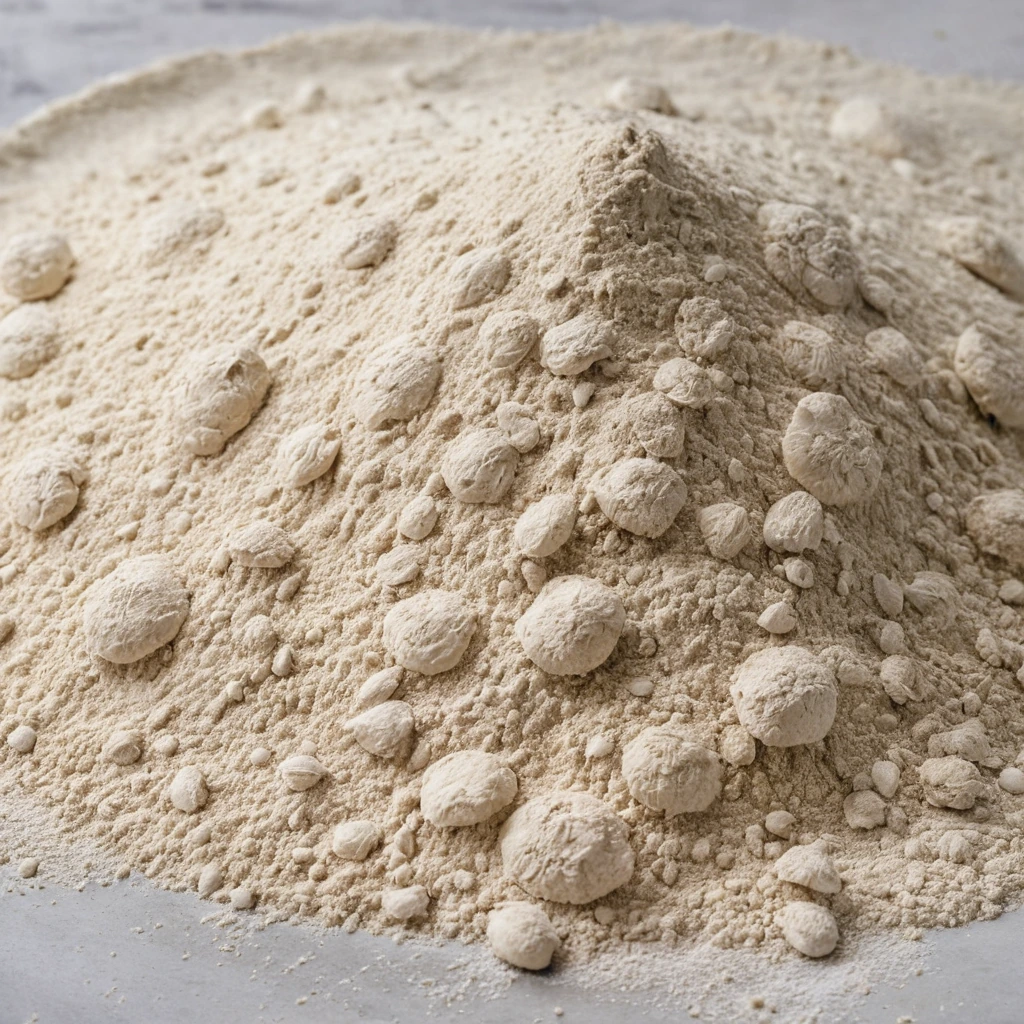
00 Pizza Flour
00 pizza flour is a finely milled Italian flour prized for its versatility in creating authentic Neapolitan-style pizza crusts. Originating from Italy, it is milled to a very fine consistency, which is reflected in its name, 'doppio zero,' indicating its fine grind. This flour has a balanced flavor profile, offering a mild, slightly sweet taste with a subtle nuttiness. Its texture is silky and smooth, contributing to a tender yet chewy crust when used in pizza making. In cooking, 00 pizza flour is known for its ability to hydrate quickly and develop a desirable gluten structure, resulting in a light and airy crust that can withstand high-heat cooking without becoming overly crispy or hard.
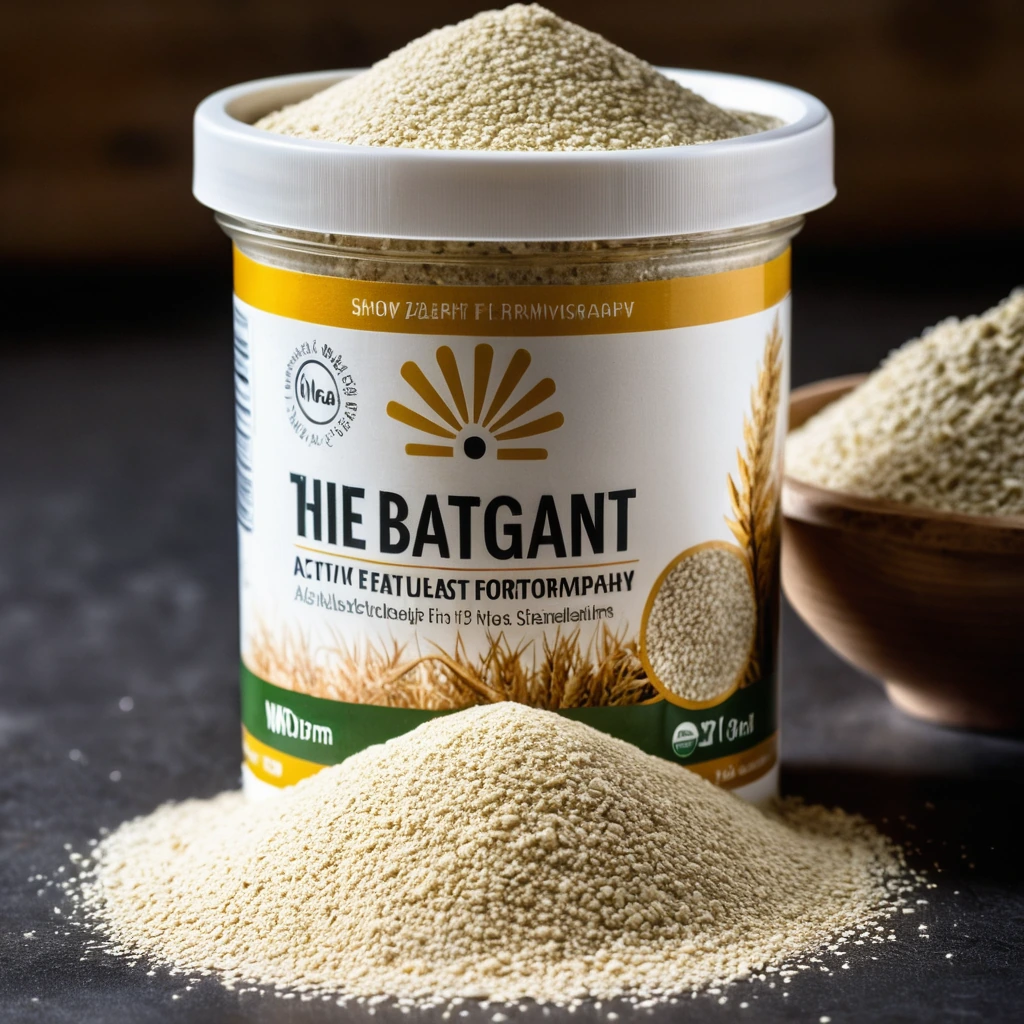
Active Dry Yeast
A fine, granulated leavening agent that brings baked goods to life with its gentle fermentation magic.
Recipes to try
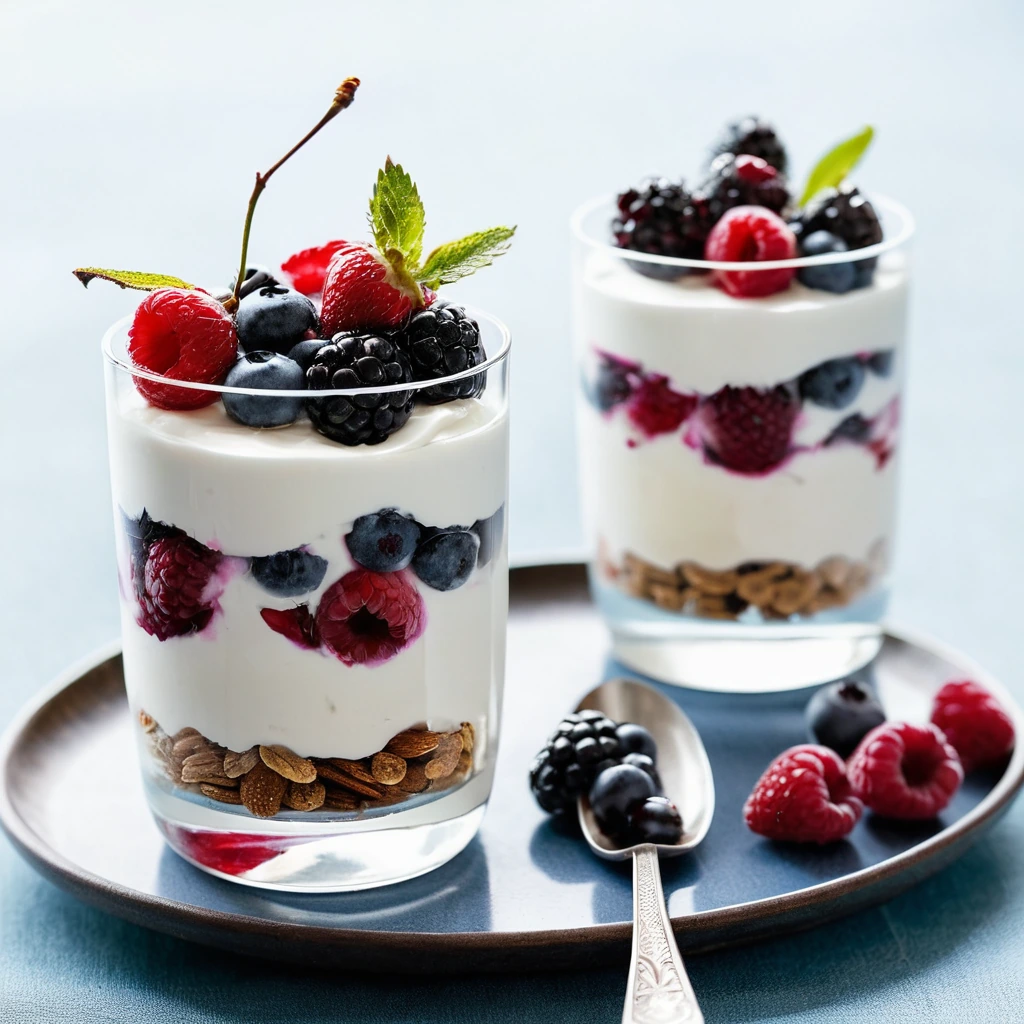
Vanilla Yogurt Parfaits with Roasted Berries
Creamy vanilla yogurt layers kissed by sweet, smoky roasted berries create a parfait that's both comforting and refreshing.

Lemon Raspberry Cheesecake Parfaits
Creamy layers of lemon cheesecake meet tangy raspberry swirls in a delightful parfait that's as pretty as it is delicious.