Workflow Technique: Tasting and Tweaking Before Serving
The art of tasting and tweaking before serving is a crucial workflow technique that can elevate any dish from good to extraordinary. It's about understanding your creation, recognizing when it needs a pinch more salt, a squeeze of lemon, or a dash of spice. This technique is not just a final check; it's a mindful process that allows you to adjust seasoning, texture, and flavor balance to perfection. Tasting is your direct line to the soul of your dish, ensuring each bite resonates with your intended flavor profile. Tweaking, on the other hand, is where you make informed adjustments based on your palate's honest feedback. Whether you're preparing a delicate soup, a hearty stew, or a complex sauce, this technique is your secret weapon to culinary excellence. It requires patience and attentiveness, but the reward is a dish that truly sings. The process involves evaluating the seasoning, acidity, sweetness, bitterness, umami, and texture, making small adjustments iteratively until harmony is achieved. This technique is also about trusting your instincts and personal taste preferences, allowing you to tailor each dish to your unique palate. Remember, tasting and tweaking is not a one-and-done task; it’s an iterative process that may require multiple rounds of adjustment to reach the desired outcome.
Notes
The science behind tasting and tweaking lies in understanding how different flavors interact and balance each other. Salt enhances other flavors, acidity cuts through richness, sweetness balances bitterness, and umami adds depth. Common mistakes include over-correcting by adding too much of an ingredient at once or failing to allow the dish to rest after adjustments, which can affect flavor perception. Always taste multiple times and make small, incremental changes. Safety-wise, ensure your tasting utensils are clean to avoid cross-contamination. For make-ahead dishes, note that flavors can continue to develop and meld over time, so you may need to re-taste and adjust before serving. Store tweaked dishes properly to maintain their balance; refrigeration can mute flavors slightly, so a quick re-tweak might be necessary upon reheating.
Steps
- 1 Prepare a small, clean spoon or fork for tasting.
- 2 Taste a small portion of your dish to assess the current flavor profile.
- 3 Evaluate the seasoning by checking if it needs more salt or pepper.
- 4 Assess the acidity; decide if a squeeze of lemon or splash of vinegar is needed.
- 5 Check for sweetness balance; consider a touch of sugar or honey if necessary.
- 6 Determine if any bitterness needs to be counteracted with balancing flavors.
- 7 Look for umami depth; consider adding a splash of soy sauce or a Parmesan sprinkle.
- 8 Evaluate the texture and decide if it needs thickening or thinning.
- 9 Make one adjustment at a time and taste again after each change.
- 10 Repeat the tasting and tweaking process until the desired balance is achieved.
- 11 Allow the dish to rest for a few minutes before a final taste check.
- 12 Ensure the dish is at serving temperature before finalizing tweaks.
- 13 Plate and serve with confidence, knowing your dish is perfectly balanced.
Ingredients to explore
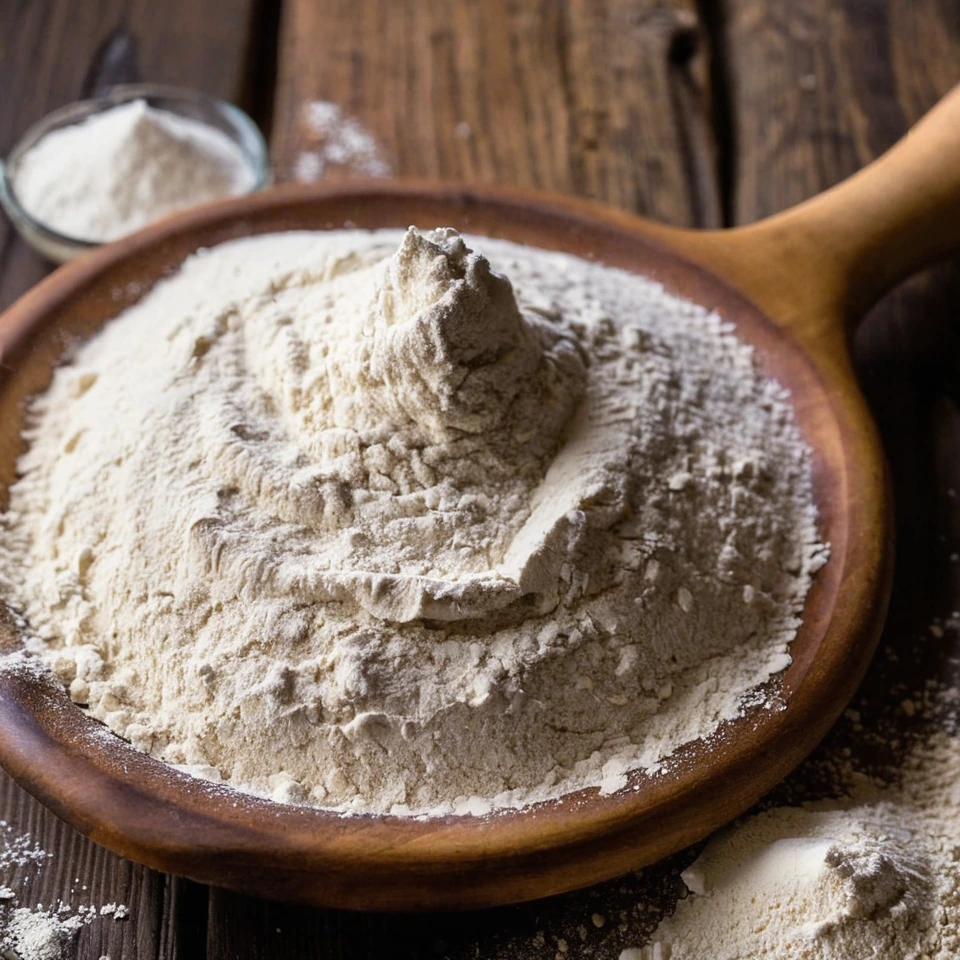
All-Purpose Flour
All-purpose flour is a versatile wheat flour that contains a moderate level of protein and gluten, making it suitable for a wide range of baking and cooking needs.

Anaheim Peppers
Anaheim peppers are a mild chili pepper variety named after Anaheim, California, where they were first cultivated commercially. Originating from the New Mexico region, these peppers are celebrated for their versatility and gentle heat. They possess a flavor that is mildly sweet with a subtle tang, and a pleasant vegetal note reminiscent of green bell peppers, but with a hint of spice. Their texture is firm and crisp when fresh, becoming tender and slightly smoky when roasted or cooked. In cooking, Anaheim peppers behave well across a range of techniques, from grilling and roasting to stuffing and sautéing, contributing a nuanced depth without overwhelming other ingredients with heat.
Recipes to try

Maple Sausage and Cheddar Breakfast Biscuits
Golden, flaky biscuits stuffed with savory maple sausage and melted sharp cheddar—it's a hearty breakfast hug in every bite.
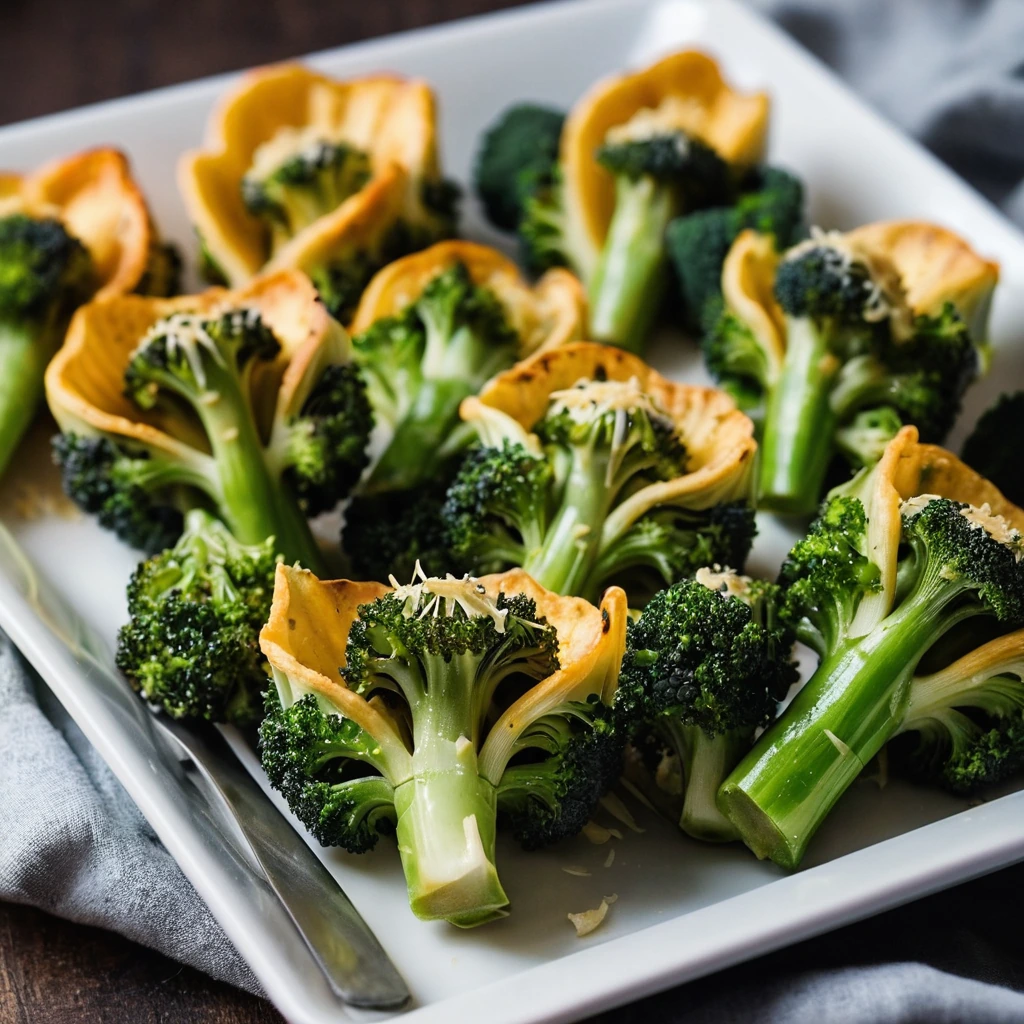
Roasted Broccoli and Cheddar Stuffed Shells
Creamy cheddar cheese and roasted broccoli unite in tender pasta shells for a veggie-packed, cheesy masterpiece.