Workflow Technique: Safely Cooling Foods for Storage
Understanding the importance of safely cooling foods is crucial for maintaining quality and preventing bacterial growth. When cooking in large batches, it's tempting to let dishes sit at room temperature until they're cool enough to refrigerate. However, this approach can lead to a dangerous temperature zone where bacteria thrive. This technique will guide you through the safe and efficient process of cooling your culinary creations for storage. By following these steps, you'll ensure that your dishes maintain their freshness and integrity, ready for enjoyment at a later time. First, let's explore why rapid cooling is essential. When food is left to cool slowly, it spends too much time in the 'danger zone'—temperatures between 40°F and 140°F where bacteria can multiply rapidly. The goal is to get food through this zone as quickly as possible, ideally within two hours. This can be achieved by dividing large quantities into smaller portions, using shallow containers, and employing methods like ice baths or blast chillers. Next, we'll delve into the specifics of each step to ensure you cool your food safely and effectively. Remember, the aim is to maintain food safety without compromising texture or taste. Now, let's move on to the practical steps you can take to achieve chef-level cooling results at home. Finally, we'll discuss the science behind why these methods work, along with troubleshooting tips and storage advice to keep your food fresh and safe.
Notes
Rapid cooling is essential to prevent bacterial growth, which is why dividing food into smaller portions and using shallow containers helps increase surface area for faster cooling. An ice water bath is an effective method for quickly reducing temperature, especially for soups and stews. Stirring occasionally ensures even cooling. Always use a food thermometer to monitor progress; food should be cooled from 140°F to 70°F within two hours. Once food reaches room temperature, cover it to protect against contamination. Proper labeling helps with meal planning and tracking freshness. Overloading your fridge can hinder airflow and impede cooling efficiency, so give dishes space to breathe. For long-term storage, consider freezing properly cooled foods within the recommended refrigeration time to preserve quality.
Steps
- 1 Transfer hot food to shallow containers no deeper than 2 inches.
- 2 Divide large quantities into smaller portions.
- 3 Place containers in an ice water bath, stirring occasionally.
- 4 Use a food thermometer to ensure food reaches 70°F within 2 hours.
- 5 Cover containers once food cools to room temperature.
- 6 Label containers with the date and contents.
- 7 Refrigerate food within 2 hours of cooking.
- 8 For large cuts of meat, slice into smaller pieces before cooling.
- 9 Avoid overloading the refrigerator to maintain efficiency.
Ingredients to explore
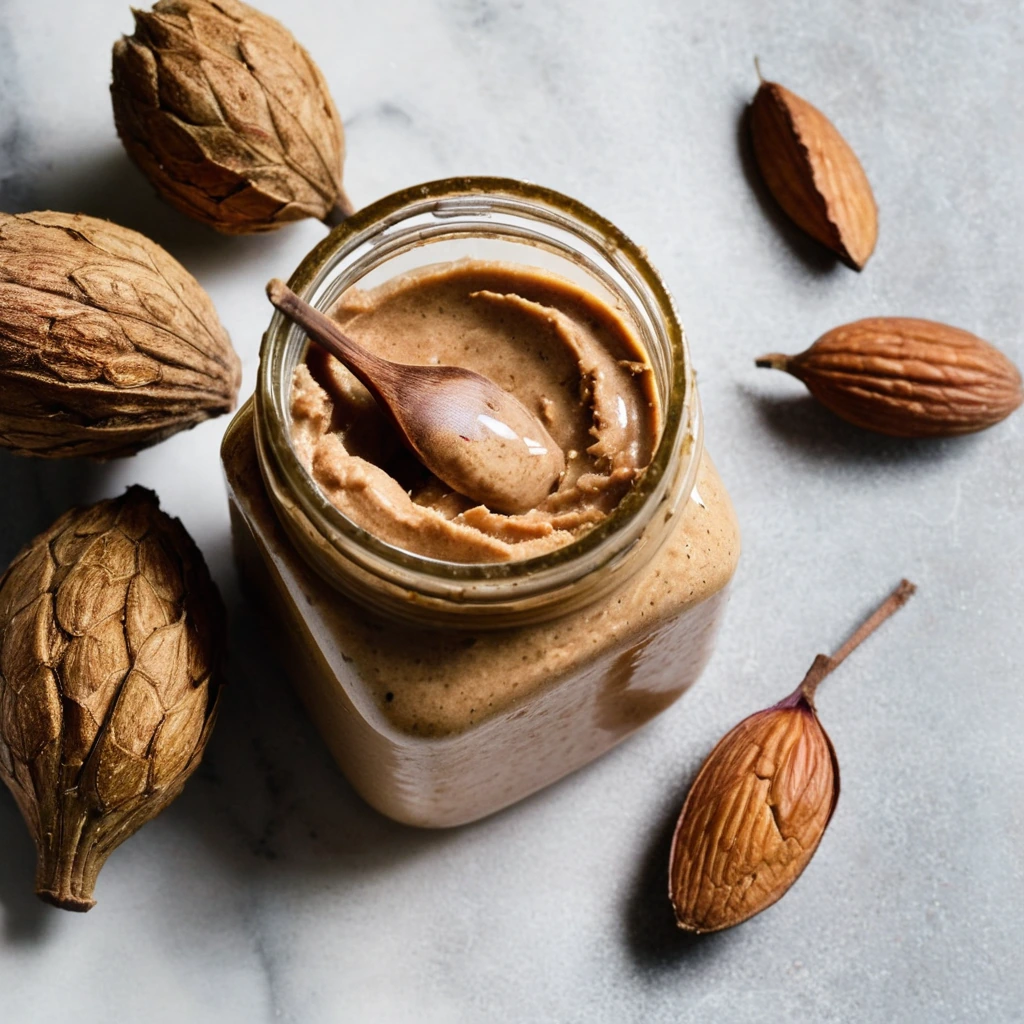
Almond Butter
A velvety, nutty spread crafted from finely ground almonds, offering a rich and satisfying flavor that's both comforting and indulgent.
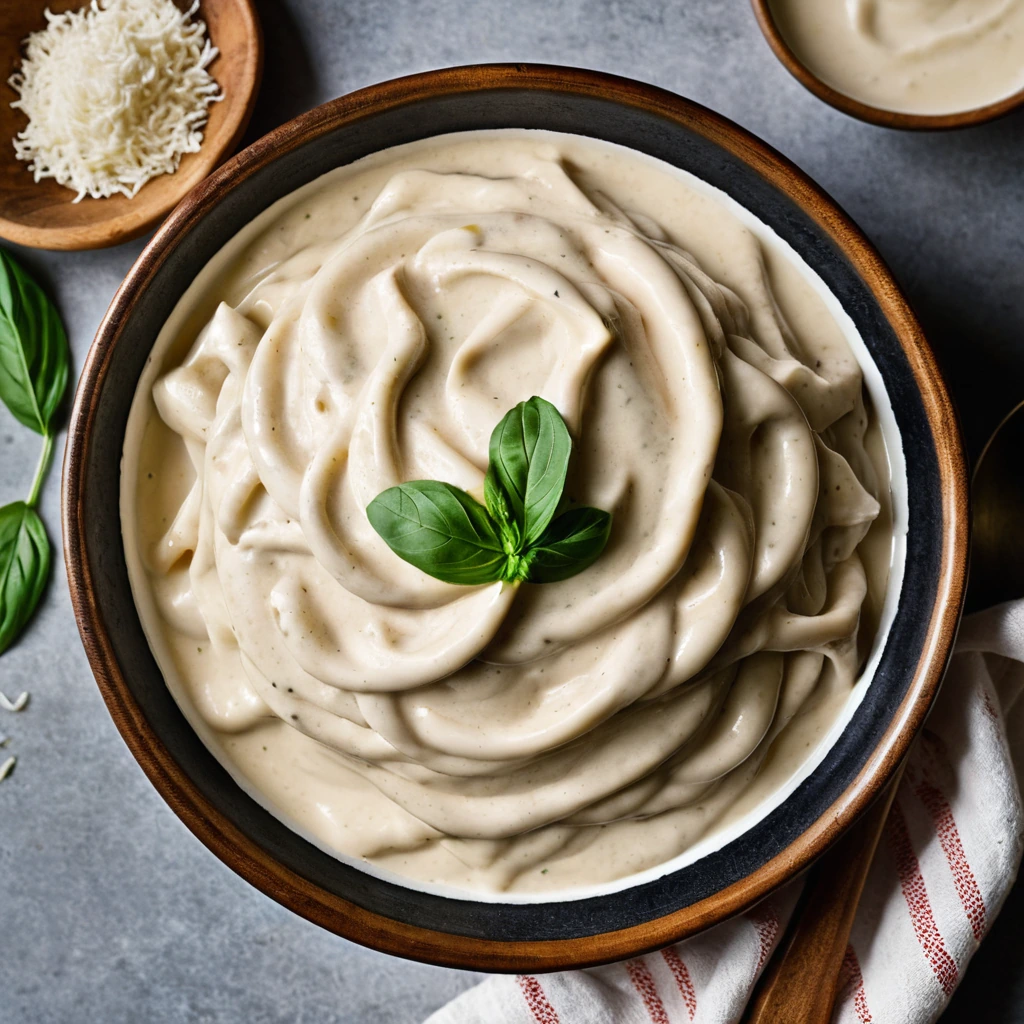
Alfredo Sauce
Creamy, rich, and utterly indulgent, Alfredo sauce is a dreamy blend of butter, heavy cream, and Parmesan cheese. Its velvety texture and savory depth make it a beloved staple in Italian-American cuisine.
Recipes to try
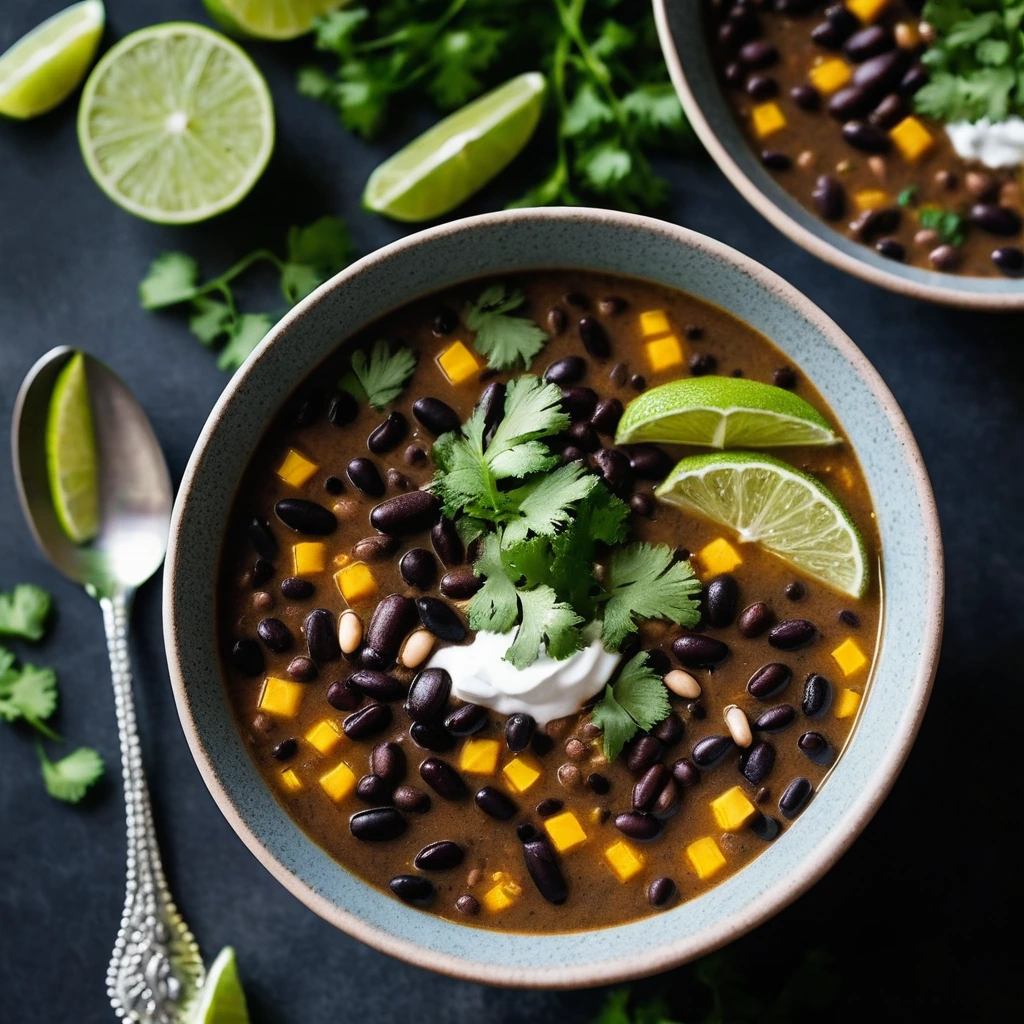
Smoky Black Bean and Corn Soup with Lime
This soup is a tangy, smoky hug in a bowl, with the fresh zing of lime cutting through rich black beans and sweet corn.
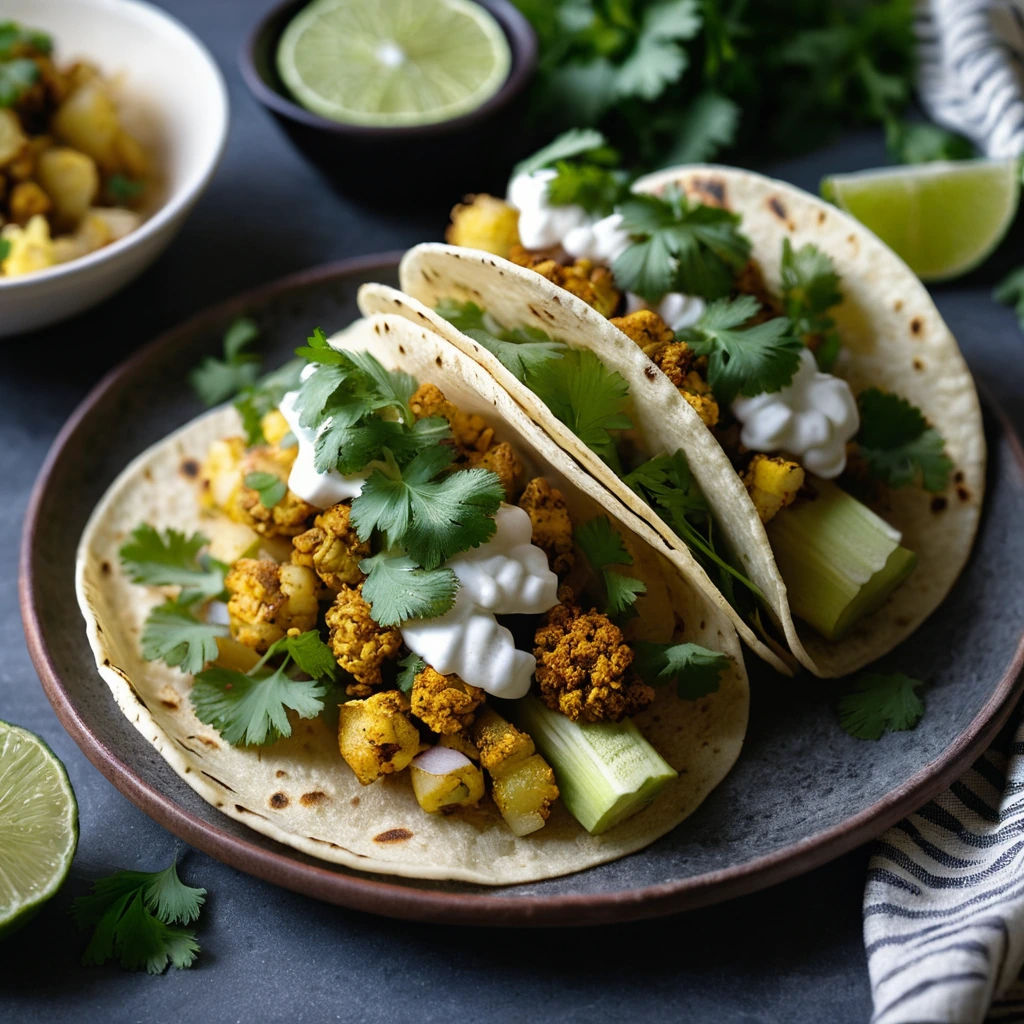
Spiced Cauliflower and Potato Street Tacos
Crispy spiced cauliflower and tender potatoes packed into warm tortillas for a veggie-packed taco night.