Workflow Technique: Pre-Cooking Staples for Quick Weeknight Meals
The art of pre-cooking staples is a game-changer for busy home cooks looking to streamline weeknight dinners. By dedicating a few hours on the weekend, you can prepare key ingredients that form the backbone of countless meals. This technique not only saves time but also ensures that you have nutritious, home-cooked options readily available. It's all about smart planning and efficient execution. Start by assessing your weekly menu to determine which ingredients are repeat players. Grains like rice and quinoa, proteins such as chicken breasts or tofu, and versatile vegetables like roasted broccoli or sautéed peppers are excellent candidates. Pre-cooking allows you to control portions, reduce waste, and even enhance flavors through methods like roasting or marinating. Moreover, having these components ready means you can whip up a meal in minutes, rather than spending an hour in the kitchen after a long day. This technique requires some foresight and organization, but the payoff is a stress-free cooking experience that doesn't compromise on quality or taste. It also encourages creativity, as you can mix and match prepped ingredients to create new dishes each night. Embrace the workflow technique, and transform your weeknight cooking routine into a seamless, enjoyable process.
Notes
The science behind pre-cooking lies in understanding how different foods hold up over time. Grains retain moisture well when stored properly, while proteins maintain their texture when cooled quickly and stored correctly. One common mistake is overcooking proteins, which can lead to dry, unappetizing meals. To avoid this, aim for slightly undercooked when prepping. Safety is paramount; always ensure proteins are cooked to safe internal temperatures before storing. For make-ahead efficiency, consider doubling recipes during weekend cooking sessions. Store items in the refrigerator for immediate use or freeze for longer storage. Remember, pre-cooked staples are versatile, so don't hesitate to use them in unexpected ways, like adding roasted veggies to omelets or grain bowls.
Steps
- 1 Assess your weekly meal plan to identify repeat ingredients.
- 2 Select proteins like chicken breasts, tofu, or beans for pre-cooking.
- 3 Cook grains such as rice, quinoa, or farro according to package instructions.
- 4 Roast vegetables like broccoli, carrots, or Brussels sprouts with olive oil and salt.
- 5 Sauté peppers, onions, or zucchini for quick, versatile additions.
- 6 Prepare proteins by grilling, baking, or air-frying to desired doneness.
- 7 Store each cooked staple in separate airtight containers.
- 8 Label containers with the date and reheat within 3-4 days for best quality.
Ingredients to explore
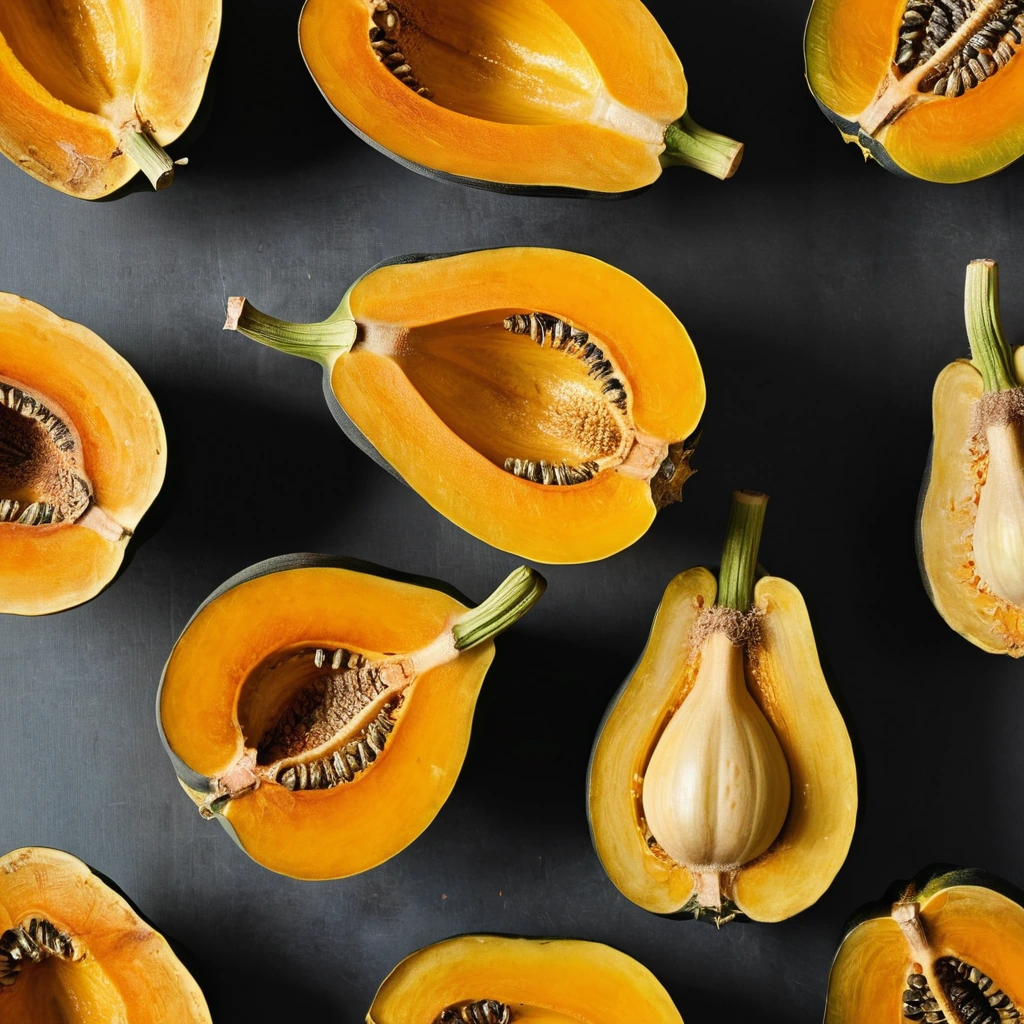
Acorn Squash
Acorn squash is a winter squash variety known for its distinctive teardrop shape and deep ridges resembling the texture of an acorn shell. Originating in the Americas, it has been cultivated for centuries and is a staple in autumn cuisine. The flesh is sweet and nutty with a hint of earthiness, offering a delightful contrast to savory dishes. Its texture is dense yet tender when cooked, making it ideal for roasting or pureeing. In cooking, acorn squash holds its shape well and absorbs flavors from herbs and spices, enhancing both its taste and versatility in recipes.
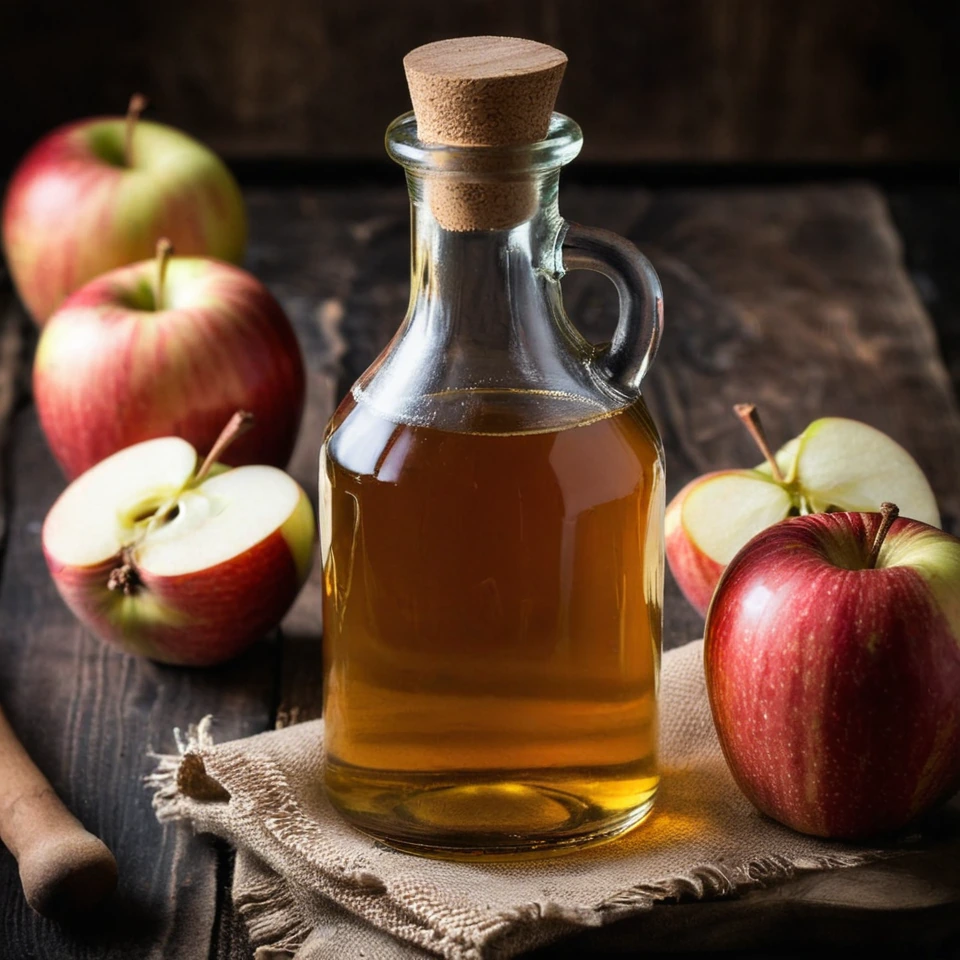
Apple Cider Vinegar
Apple cider vinegar is a type of vinegar made through the fermentation of apple cider, resulting in a tangy, slightly sweet liquid with a pale to medium amber color.
Recipes to try
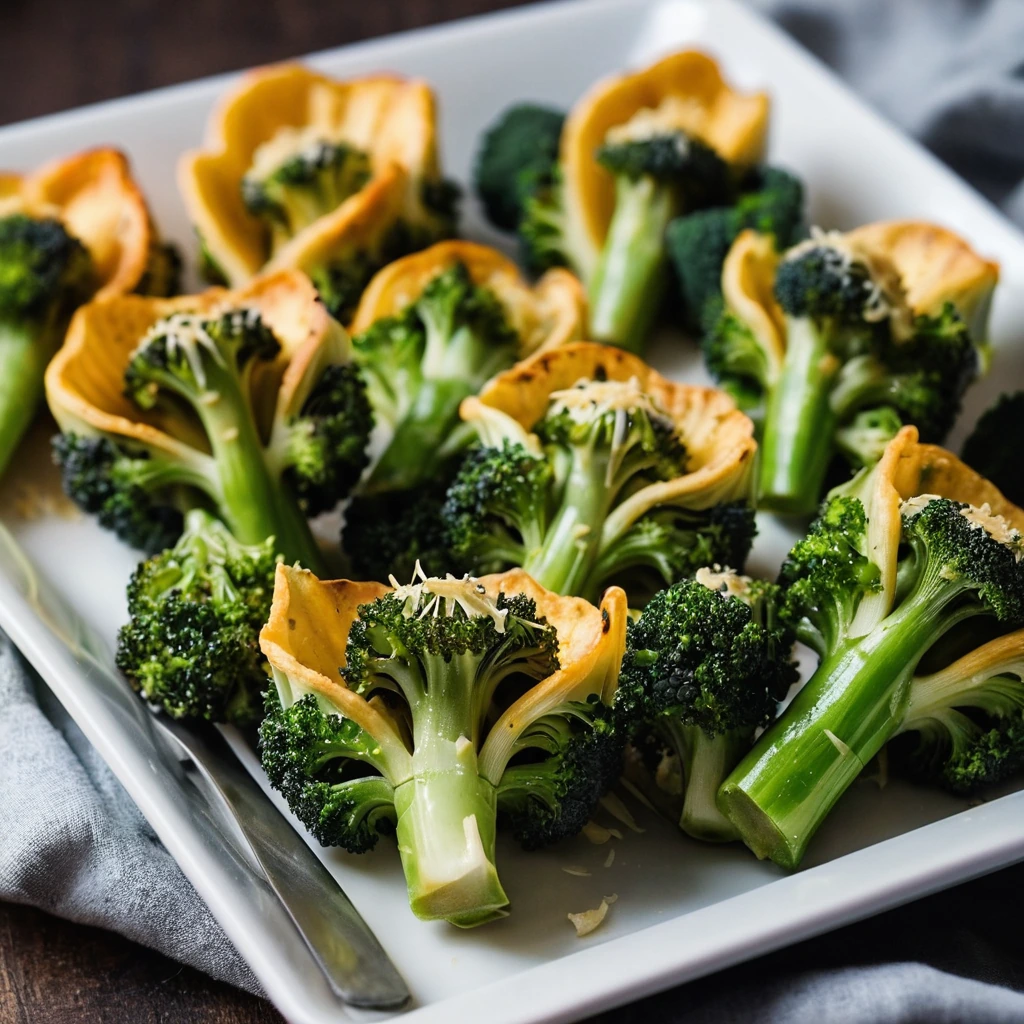
Roasted Broccoli and Cheddar Stuffed Shells
Creamy cheddar cheese and roasted broccoli unite in tender pasta shells for a veggie-packed, cheesy masterpiece.
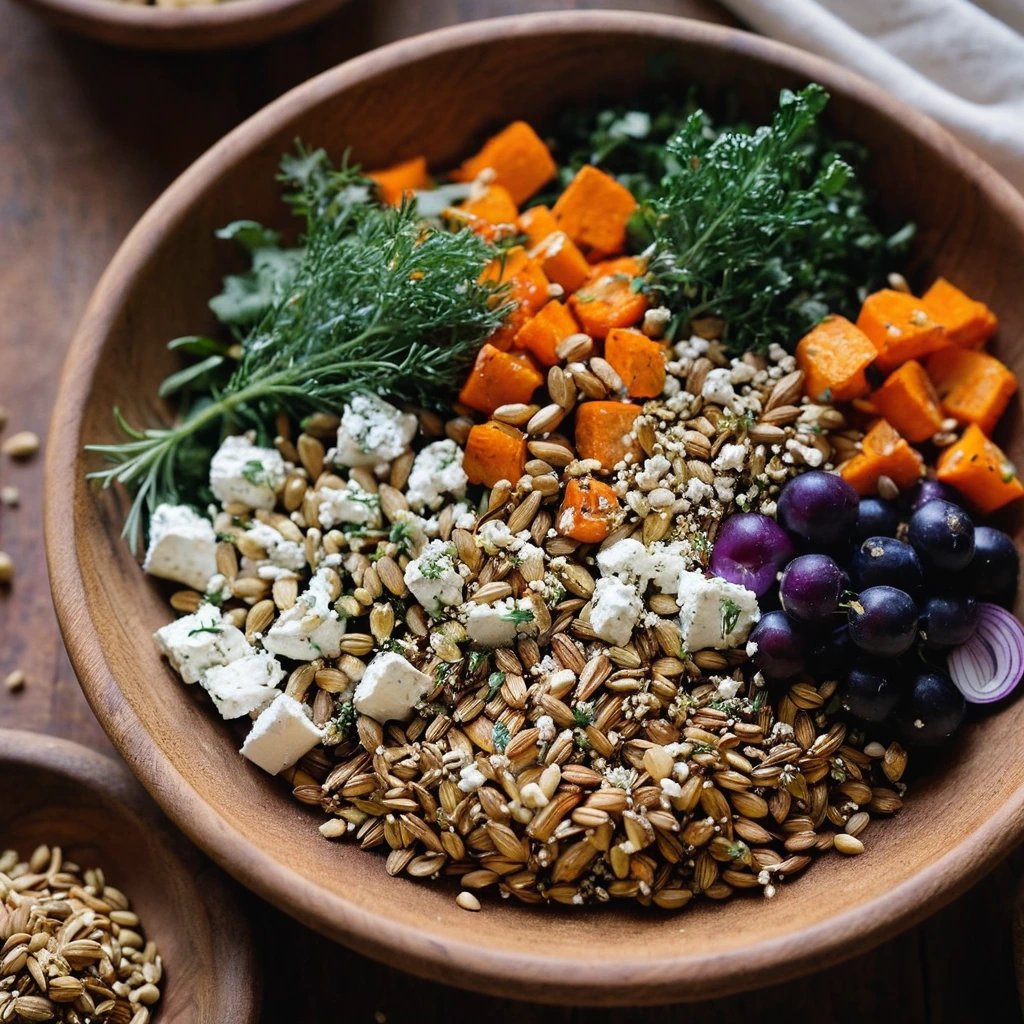
Roasted Vegetable and Goat Cheese Grain Bowls
Warm, roasted veggies mingle with creamy goat cheese over a bed of nutty grains for a comforting yet vibrant meal.