Workflow Technique: Portioning Meals for Consistent Serving Sizes
Portioning meals is an essential skill for anyone who wants to maintain consistency in serving sizes, whether you're catering a large event or simply planning family dinners. This technique ensures that each plate is uniformly filled, enhancing presentation and portion control. Achieving this starts with understanding the importance of consistency: it not only contributes to a professional appearance but also helps in dietary management. Measuring out portions before cooking can streamline the cooking process, reduce food waste, and simplify meal planning. The key is to use precise tools and methods to ensure accuracy. Kitchen scales, measuring cups, and portion control scoops are indispensable in this workflow. Standardizing your portion sizes begins with selecting the right tools and understanding portion sizes for different food groups. For proteins, a standard serving is typically 3 to 4 ounces, while grains and vegetables might be measured in cups or fractions thereof. Consistency is maintained by dividing ingredients into uniform portions before cooking. This workflow can be applied to everything from pre-portioned ingredients for meal prep to setting up a buffet where each guest receives an equal share. The process requires attention to detail and a systematic approach, but the payoff is well worth it—every meal served will be a testament to your culinary precision.
Notes
The science behind portion control lies in its impact on caloric intake and nutrient distribution. Consistent serving sizes help manage calorie consumption, aiding in weight management and dietary adherence. One common mistake is eyeballing portions, which can lead to inconsistency. Using precise measuring tools eliminates guesswork. Safety is generally straightforward with portioning, but ensure your tools are clean to prevent cross-contamination. For meal prep, portioned meals can be stored in airtight containers in the refrigerator for up to 4 days or frozen for longer storage. Labeling each container with the date and contents helps maintain organization and freshness.
Steps
- 1 Gather all necessary tools: kitchen scale, measuring cups, spoons, and portion control scoops.
- 2 Determine the serving size for each component of your meal based on dietary guidelines or personal preference.
- 3 Weigh raw proteins like chicken or beef to portion out 3 to 4 ounces per serving.
- 4 Measure grains such as rice or quinoa using measuring cups, aiming for ½ to 1 cup per serving.
- 5 Divide vegetables into uniform portions, typically 1 cup per serving.
- 6 Use portion control scoops for starches like mashed potatoes or casseroles to maintain consistent volume.
- 7 Arrange portions on plates or in containers in an organized manner to ensure uniformity.
- 8 Label and store pre-portioned meals if planning to use them later, keeping track of quantities.
- 9 Review and adjust portion sizes as necessary to fit specific dietary needs or preferences.
- 10 Practice this workflow regularly to become efficient and precise in your meal preparation.
Ingredients to explore
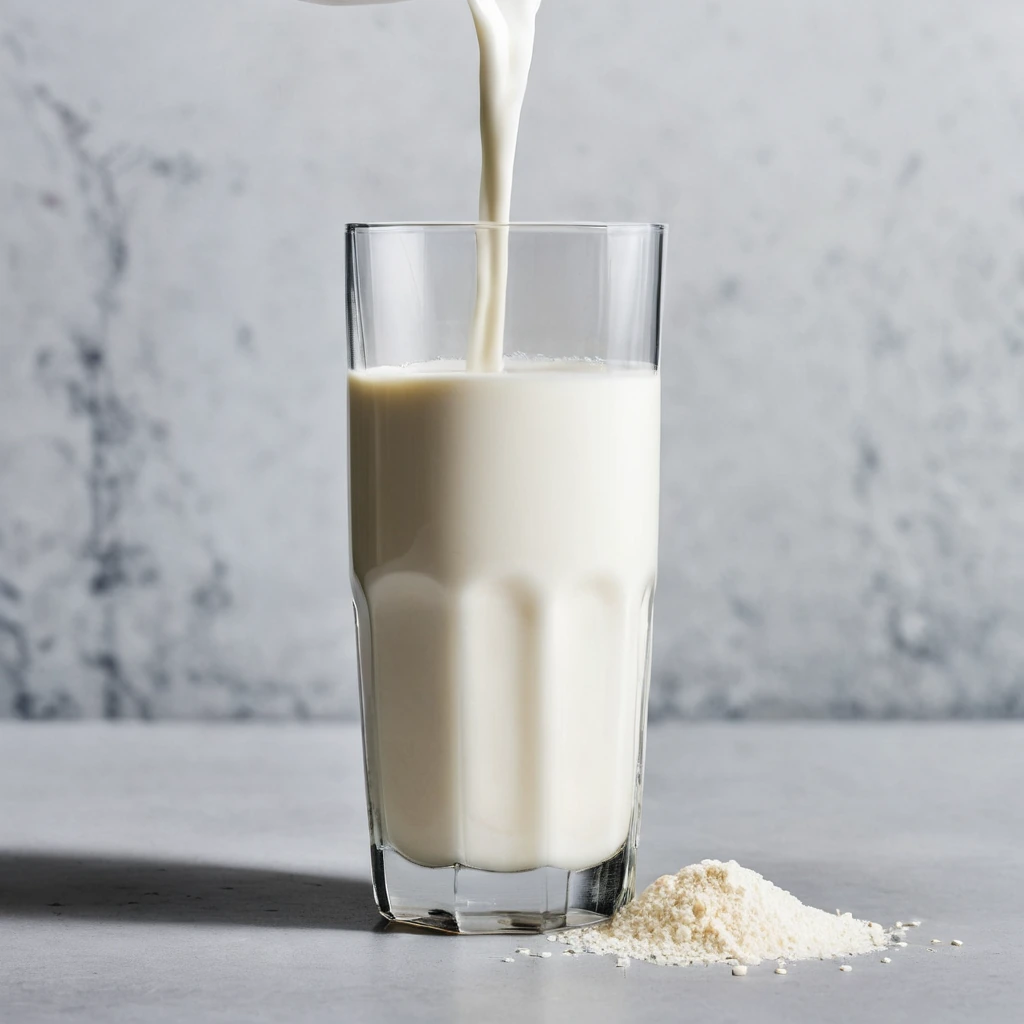
2% Milk
Creamy and just a touch lighter than whole milk, 2% milk offers a perfect balance of richness and reduced fat. Its smooth texture and subtle sweetness make it a delightful choice for sipping or cooking.
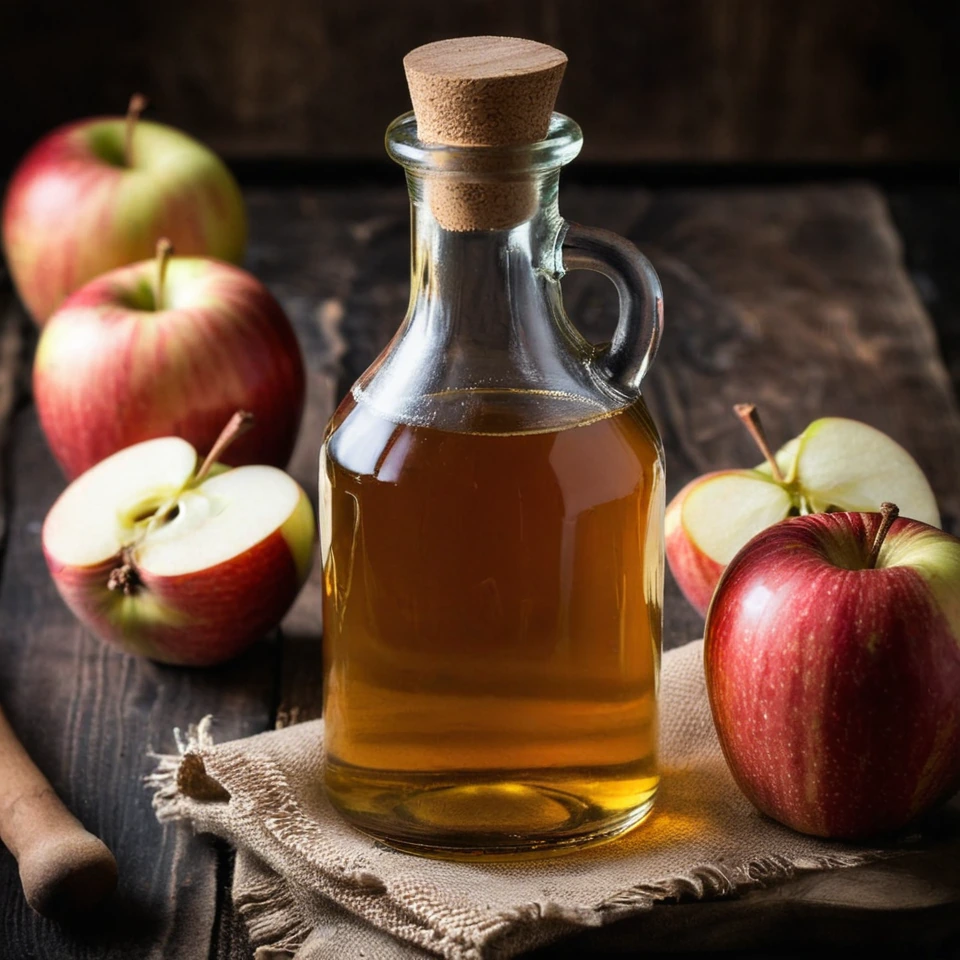
Apple Cider Vinegar
Apple cider vinegar is a type of vinegar made through the fermentation of apple cider, resulting in a tangy, slightly sweet liquid with a pale to medium amber color.
Recipes to try
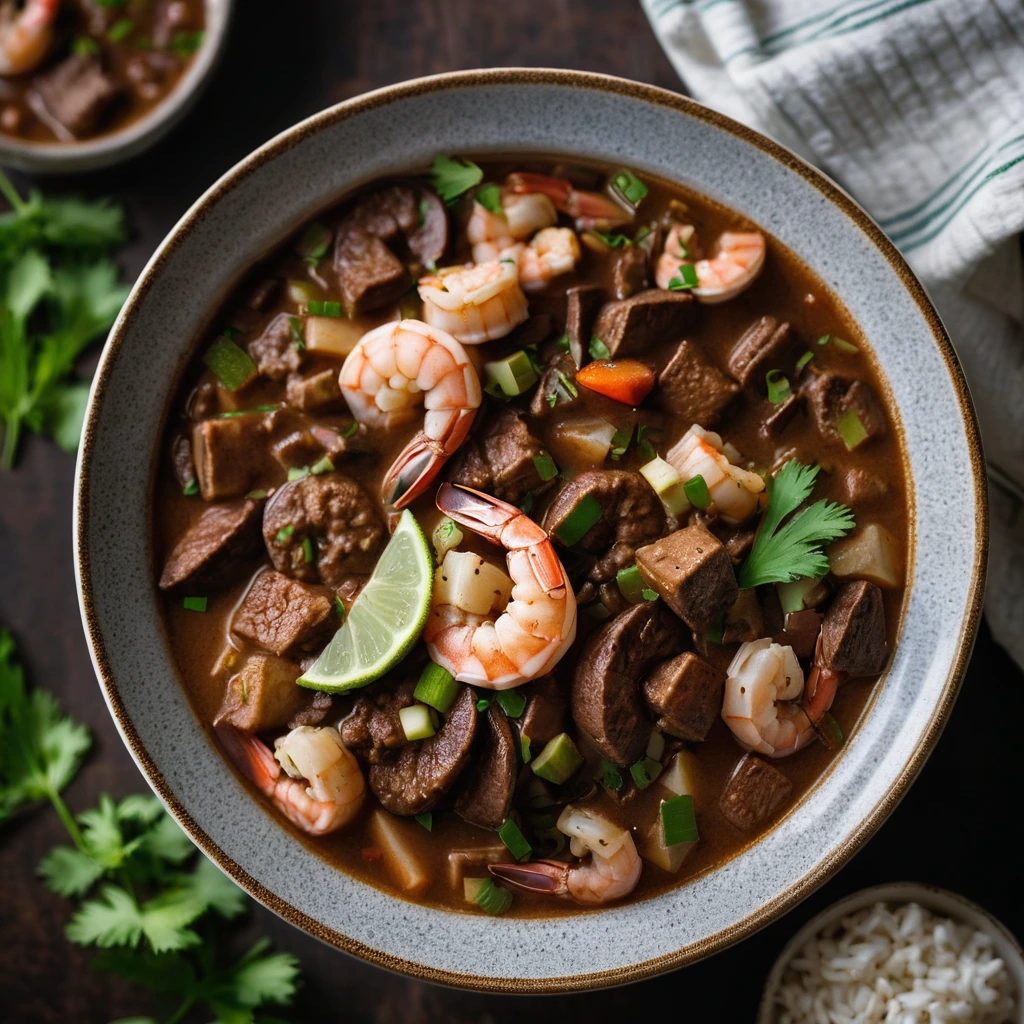
Shrimp and Sausage Gumbo Style Stew
A hearty, soul-warming stew packed with plump shrimp, spicy sausage, and a rich, dark roux-based broth.
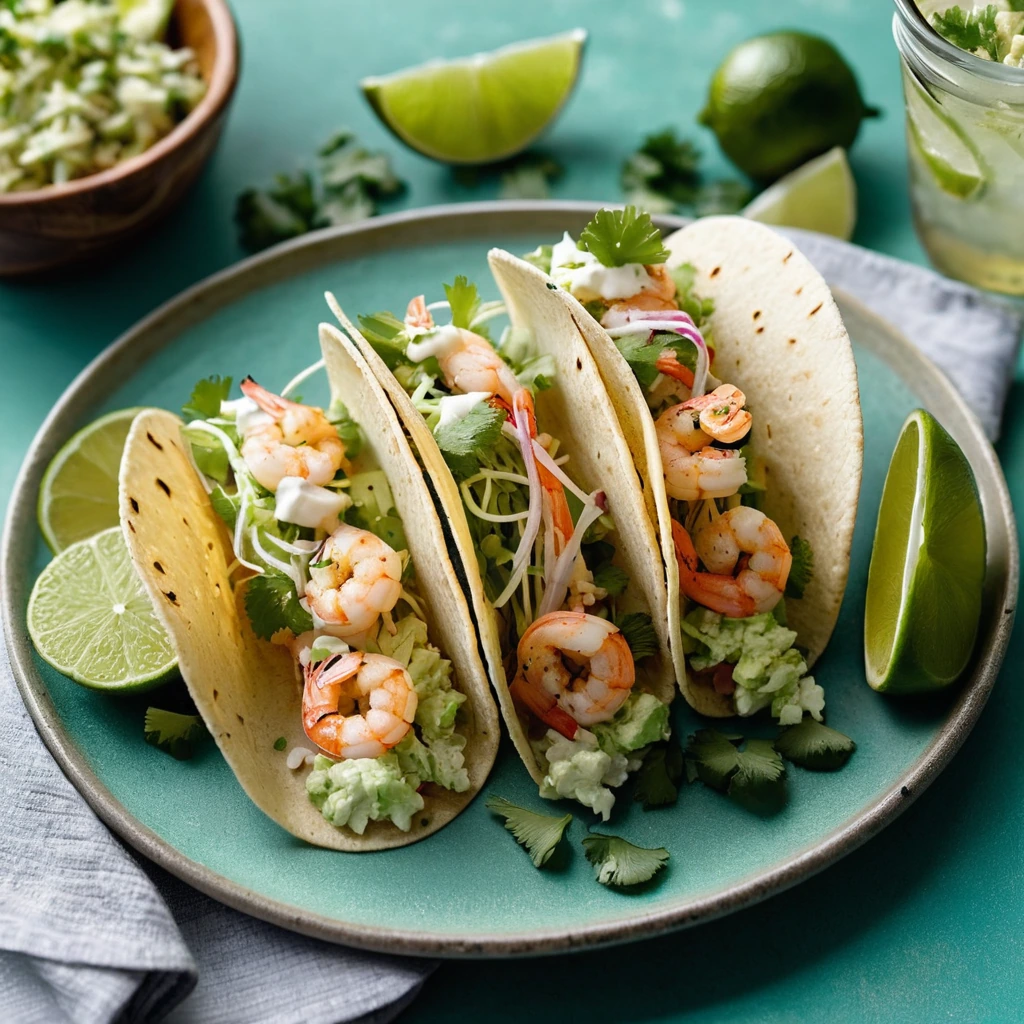
Shrimp Tacos with Cilantro Lime Slaw
Juicy grilled shrimp nestled in warm tortillas, topped with a vibrant cilantro lime slaw that's as refreshing as a sea breeze.