Workflow Technique: Choosing the Right Pan for Each Job
Selecting the right pan for your cooking task can make all the difference in your culinary adventures. Each type of pan has unique properties that make it ideal for specific techniques, whether you're searing a steak, simmering a sauce, or sautéing vegetables. Understanding these differences will elevate your cooking game. Let's dive into the world of cookware to discover how to match the pan to the task. First, consider the material of the pan. Stainless steel is a favorite for its durability and even heating, though it often requires a good base to prevent hot spots. Cast iron is unbeatable for high-heat searing and retaining heat, making it perfect for dishes that need a consistent, robust temperature. Non-stick pans are a lifesaver for delicate foods that might otherwise stick, like eggs or fish. Then, there's the matter of shape and size. A wide, shallow sauté pan is ideal for browning meats and vegetables, while a deep skillet is better for frying or braising. Saucepans are your go-to for liquids, with their straight sides minimizing spills. Don't overlook the importance of a lid, which can help trap moisture or steam during cooking. The handle is another critical factor; a sturdy, heat-resistant handle ensures safe maneuvering of hot pans. Lastly, consider the heat source compatibility. Some pans are designed for specific stovetops, like induction, which requires a magnetic base. Knowing your pan's strengths and limitations can transform your cooking process, making it more efficient and enjoyable. Embrace the art of pan selection, and you'll find yourself reaching for the perfect tool every time, enhancing both your technique and your dishes.
Notes
Choosing the right pan is rooted in understanding heat conduction and retention. Stainless steel is an excellent conductor but often needs an aluminum or copper core to prevent hot spots. Cast iron's thickness allows it to hold heat exceptionally well, making it ideal for searing and frying. Non-stick surfaces are coated with materials like Teflon, which, while convenient, require gentle handling to maintain their integrity. A common mistake is using metal utensils on non-stick surfaces, which can damage the coating. Always ensure your pan is clean and dry before storage to prevent rust, especially with cast iron. For make-ahead meals, consider pans with lids to keep food fresh longer. Proper pan selection not only affects the outcome of your dishes but also influences your cooking efficiency and enjoyment.
Steps
- 1 Assess your cooking task to determine required pan characteristics.
- 2 Choose stainless steel for tasks needing even heat distribution and durability.
- 3 Opt for cast iron when searing meats or cooking dishes requiring consistent high heat.
- 4 Select a non-stick pan for cooking delicate foods like eggs or fish.
- 5 Use a wide, shallow sauté pan for browning meats and vegetables quickly.
- 6 Pick a deep skillet for frying or braising to contain more ingredients.
- 7 Select a saucepan for cooking liquids, thanks to its straight sides and pouring spout.
- 8 Ensure your chosen pan has a sturdy, heat-resistant handle for safe handling.
- 9 Check pan compatibility with your stovetop type, especially for induction cooking.
- 10 Consider using a lid to trap moisture or steam when necessary.
Ingredients to explore
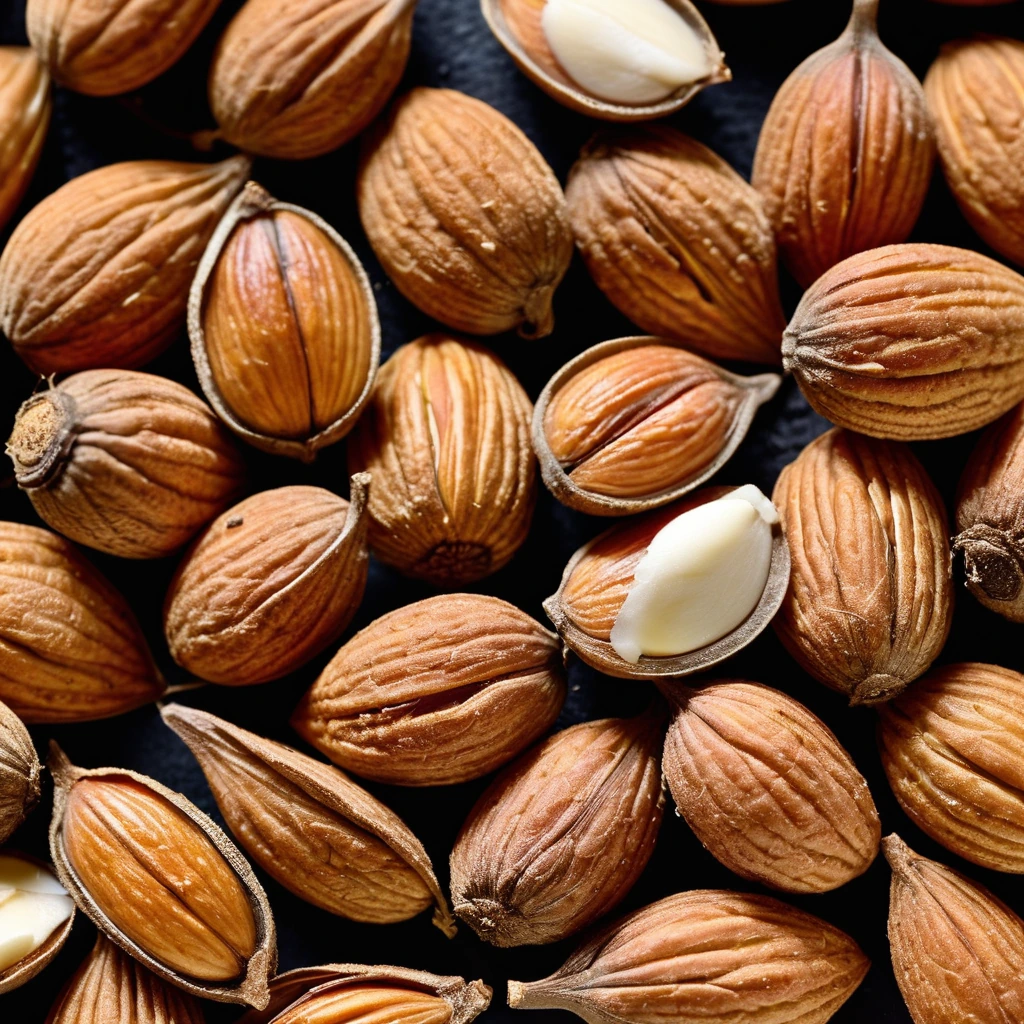
Almond Extract
A fragrant, golden elixir that captures the essence of freshly ground almonds, almond extract is a pantry staple that brings a rich, nutty aroma to your culinary creations.

Andouille Sausage
Andouille sausage is a coarse-grained, smoked pork sausage with a rich history rooted in French cuisine, particularly from the Alsace region. It was adapted in Louisiana, where it became a staple in Cajun and Creole cooking. The sausage is known for its robust, smoky flavor with hints of garlic, pepper, and other spices, creating a spicy and savory profile. Its texture is firm yet slightly chewy, making it a hearty addition to dishes. When cooked, andouille sausage maintains its shape well and infuses dishes with its distinctive smoky essence, enhancing stews, soups, and rice dishes.
Recipes to try
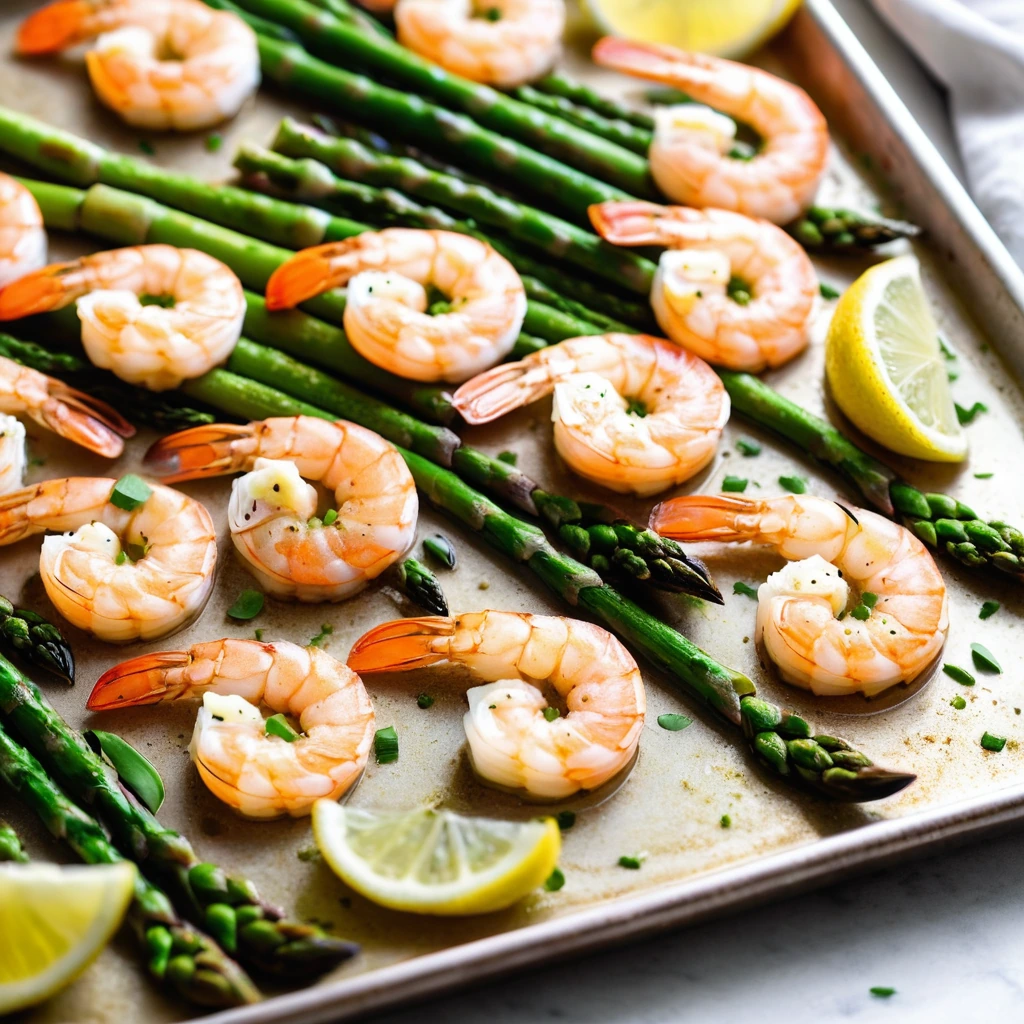
Lemon Garlic Butter Shrimp and Asparagus Sheet Pan
Bright and zesty, this sheet pan dinner is a burst of sunshine with tender shrimp and crisp asparagus in a luscious garlic butter sauce.
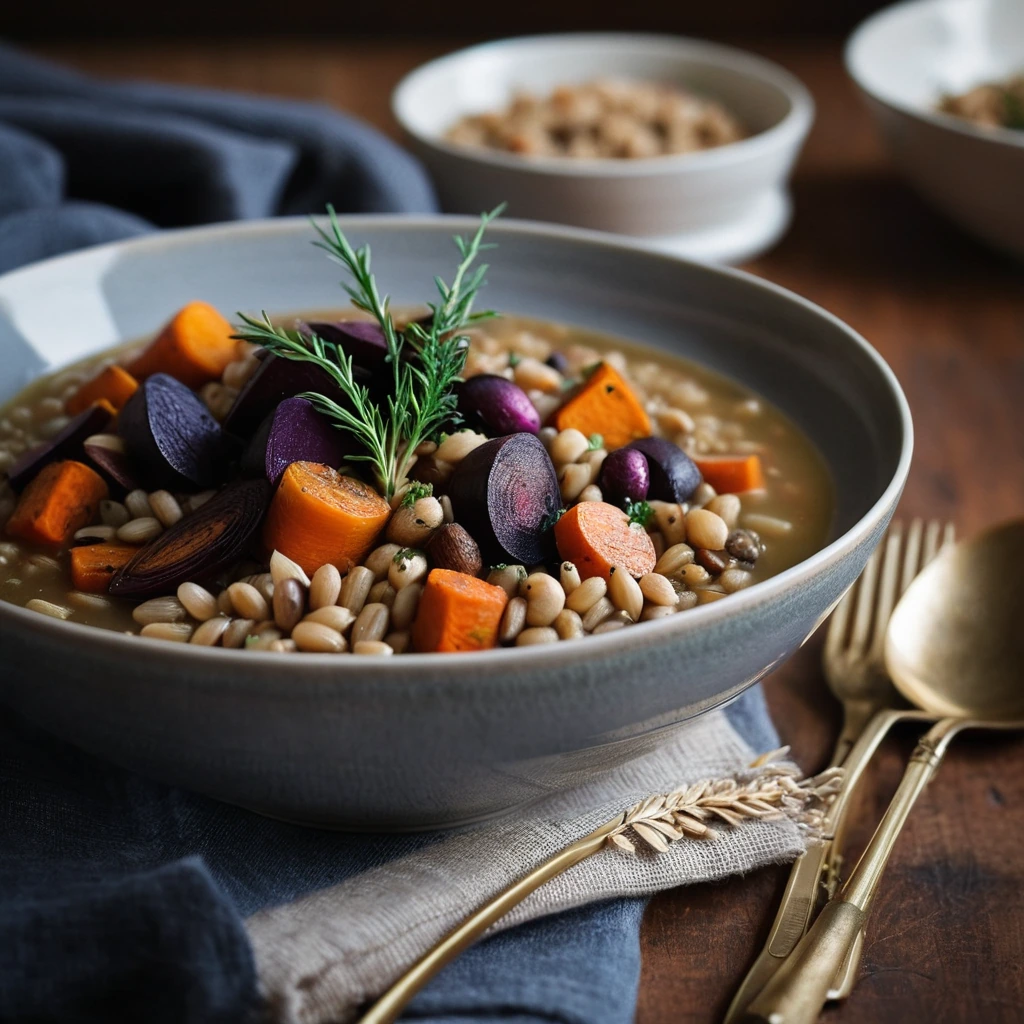
Roasted Root Vegetable and Barley Stew
Hearty and deeply flavorful, this stew marries caramelized root veggies with chewy barley for a comforting bowlful of warmth.