Vegetables: Toasting and Grinding Whole Spices
Unlocking the aromatic potential of whole spices can elevate your vegetable dishes to chef-level excellence. Toasting and grinding whole spices is a technique that amplifies their flavors, transforming ordinary meals into extraordinary culinary experiences. When spices are toasted, their essential oils are released, intensifying their aroma and taste. This method is particularly effective with spices like cumin, coriander, cardamom, and mustard seeds, which are commonly used in Indian, Middle Eastern, and Mexican cuisines. Grinding the toasted spices into a fine powder ensures even distribution throughout your dish, coating each vegetable in a symphony of flavors. Understanding the nuances of toasting and grinding can be a game-changer in your kitchen. The process is straightforward, but requires attention to detail to avoid burning the spices, which can result in a bitter taste. The right timing and temperature are crucial for achieving that perfect balance of toasted flavor without charring. Additionally, using the correct grinding tools can make all the difference in achieving a consistent texture. This technique is versatile and can be applied to a wide range of vegetables, from roasted root vegetables to sautéed greens, adding layers of complexity and depth. Whether you're preparing a simple stir-fry or a hearty vegetable stew, mastering this technique will undoubtedly enhance your cooking repertoire.
Notes
Toasting whole spices releases their essential oils, enhancing their aroma and flavor, making your dishes more vibrant. The key is to monitor the toasting process closely, as spices can go from perfectly toasted to burnt in mere seconds. Burnt spices will impart a bitter taste, ruining the flavor profile of your dish. Using a dry skillet is essential to prevent moisture from affecting the spices' integrity. If you don't have a spice grinder, a clean coffee grinder reserved for spices works well, but ensure it's thoroughly cleaned of any coffee residue. For storage, keep ground spices in a cool, dark place to maintain their potency. While freshly ground spices are ideal, they can be made ahead and stored for up to a week. Always use freshly ground spices within a month for optimal flavor.
Steps
- 1 Heat a dry skillet over medium heat.
- 2 Add whole spices to the skillet in a single layer.
- 3 Toast the spices, stirring frequently, until fragrant, about 1-2 minutes.
- 4 Watch closely to avoid burning; spices should be aromatic, not browned.
- 5 Remove the toasted spices from the skillet immediately to stop the cooking process.
- 6 Allow the spices to cool completely before grinding.
- 7 Grind the cooled spices in a spice grinder or with a mortar and pestle.
- 8 Pulse in short bursts to achieve a fine powder.
- 9 Check the grind consistency and pulse additional seconds if needed.
- 10 Store the ground spices in an airtight container to preserve freshness.
- 11 Add the ground spices to your vegetable dish during cooking.
- 12 Taste and adjust seasoning as necessary.
Ingredients to explore
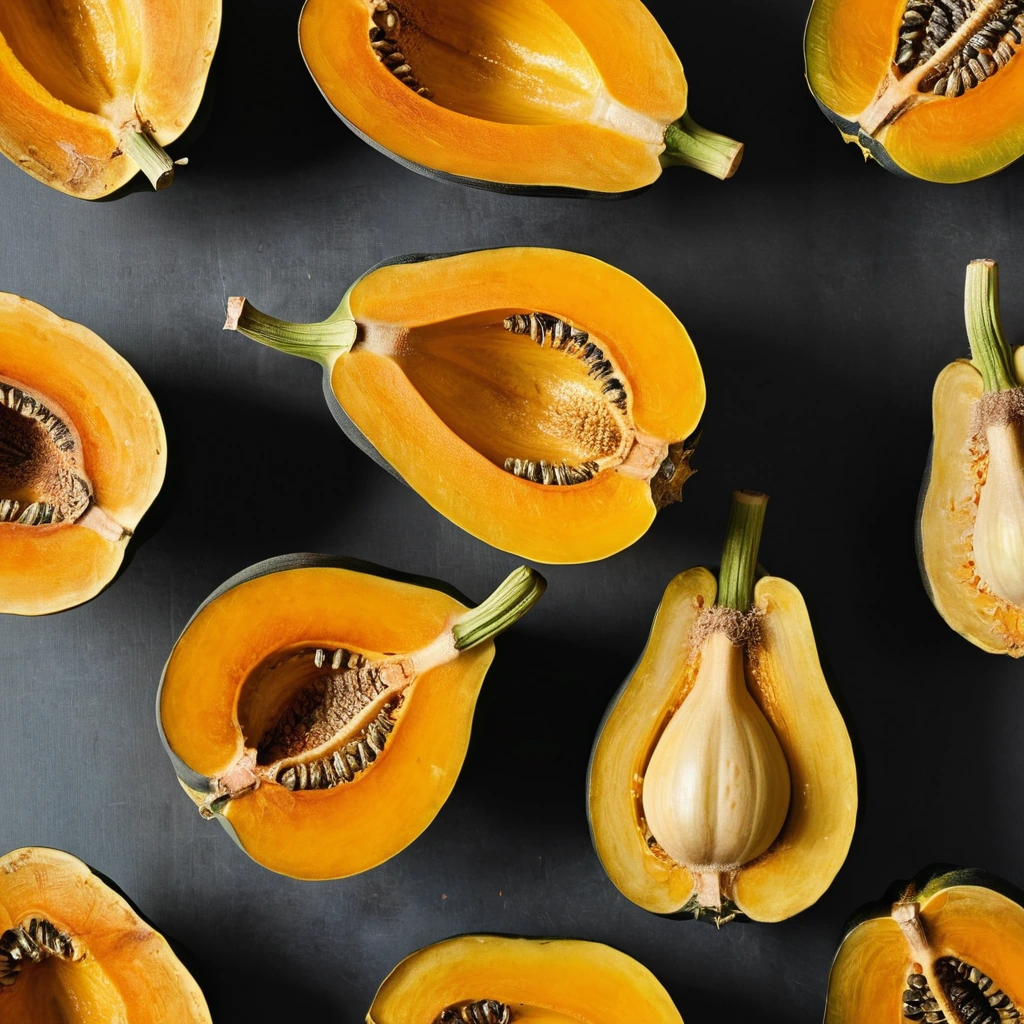
Acorn Squash
Acorn squash is a winter squash variety known for its distinctive teardrop shape and deep ridges resembling the texture of an acorn shell. Originating in the Americas, it has been cultivated for centuries and is a staple in autumn cuisine. The flesh is sweet and nutty with a hint of earthiness, offering a delightful contrast to savory dishes. Its texture is dense yet tender when cooked, making it ideal for roasting or pureeing. In cooking, acorn squash holds its shape well and absorbs flavors from herbs and spices, enhancing both its taste and versatility in recipes.
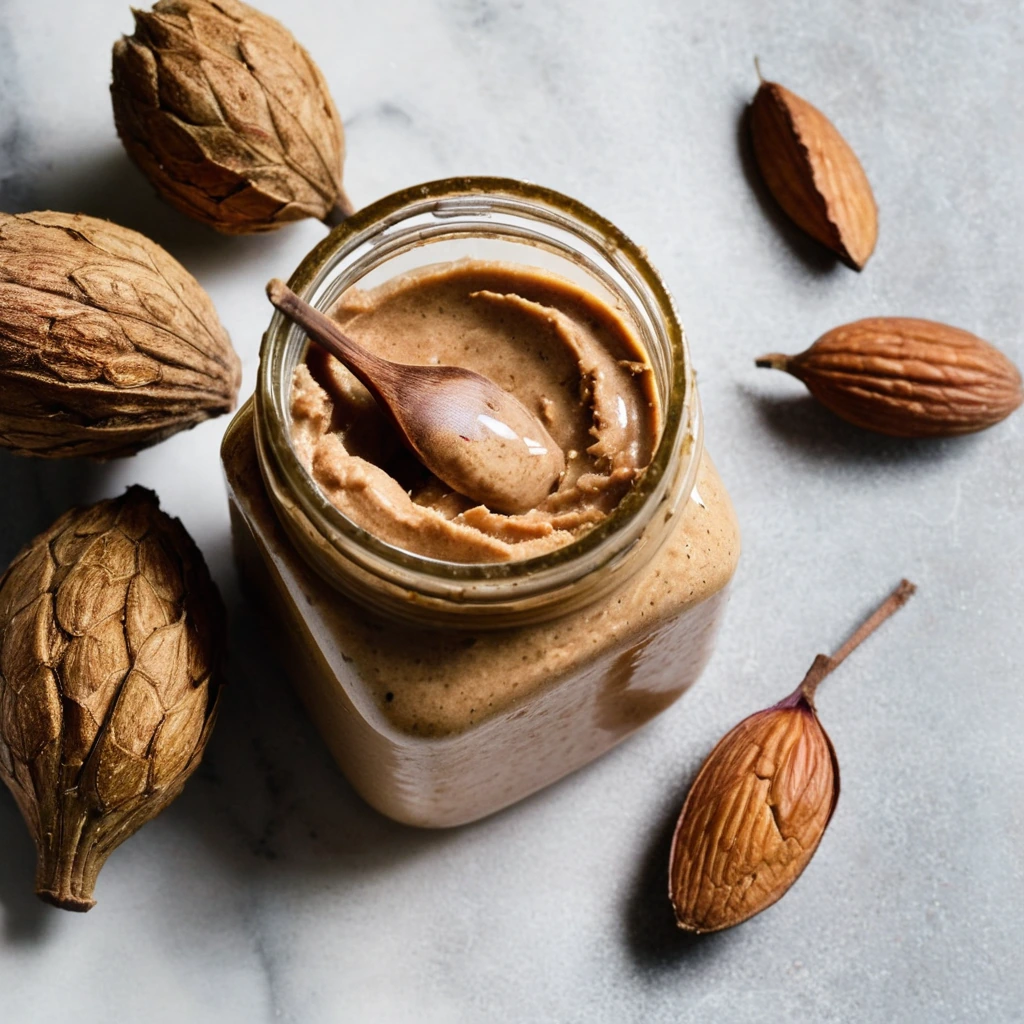
Almond Butter
A velvety, nutty spread crafted from finely ground almonds, offering a rich and satisfying flavor that's both comforting and indulgent.
Recipes to try

Spicy Arrabbiata Shells with Parmesan
Fiery and fresh, these pasta shells are smothered in a spicy tomato sauce and crowned with nutty Parmesan.
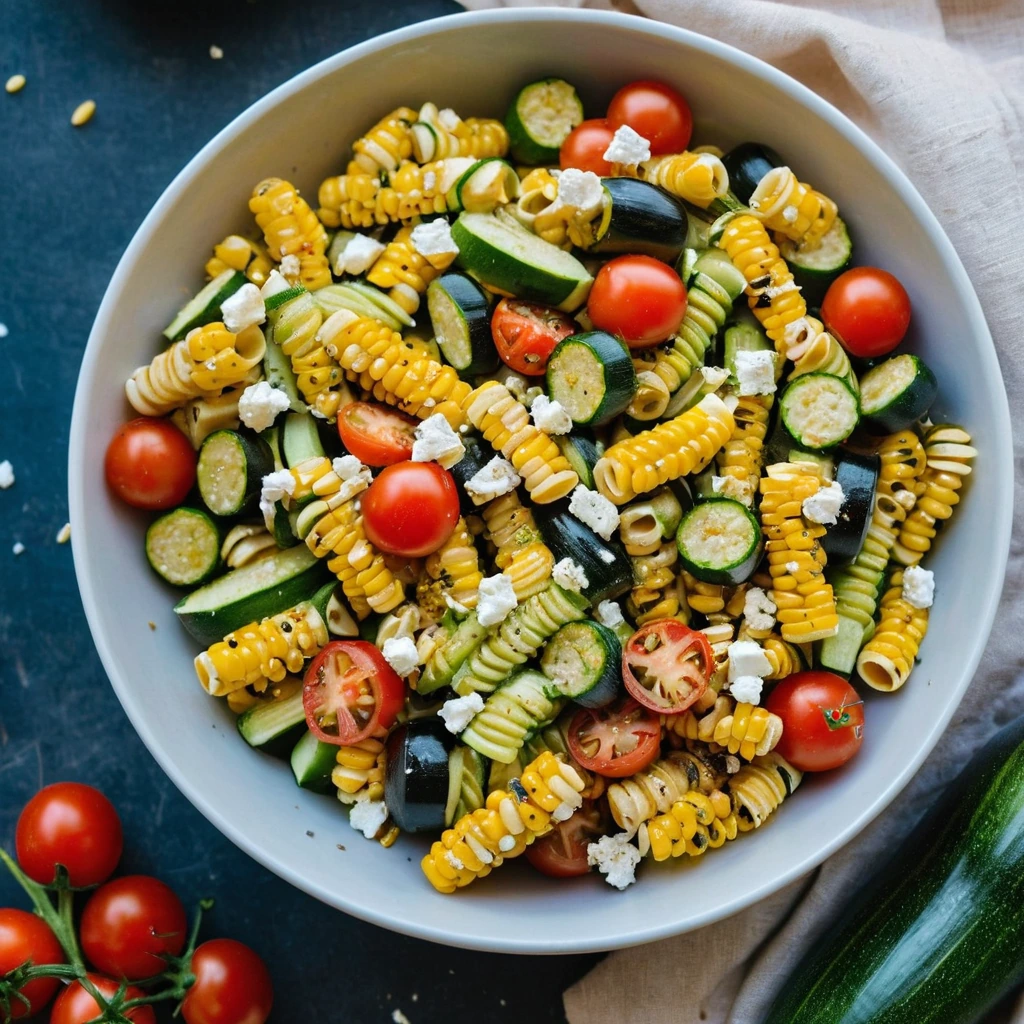
Roasted Zucchini, Corn, and Tomato Pasta Salad
This vibrant pasta salad is bursting with smoky roasted veggies and tangy feta, making every bite a taste of summer.