Vegetables: Shredding Potatoes for Hash Browns
Shredding potatoes for hash browns is an art that transforms humble spuds into crispy, golden perfection. The key to stellar hash browns lies in the preparation of the potatoes. Start by selecting the right potato variety – starchy russets are ideal due to their high starch content and low moisture, which leads to crispier results. The first step is to peel the potatoes, though some prefer leaving the skin on for added texture. Once peeled, the potatoes need to be shredded into fine, uniform strands. This ensures even cooking and a pleasant mouthfeel. The shredding process can be done with a box grater, food processor, or a mandoline slicer with a shredding blade. After shredding, it's crucial to remove as much starch and moisture as possible. This is typically done by submerging the shredded potatoes in cold water, which helps to leach out excess starch. Drain the potatoes well and squeeze out the moisture using a clean kitchen towel or cheesecloth. The drier the potatoes, the crispier the hash browns will be. Once prepped, the potatoes are ready for cooking, whether you're pan-frying them into a golden cake or scattering them on a baking sheet for oven-baked perfection. Achieving the right texture requires attention to detail and a bit of patience, but the end result is well worth the effort. Whether you're making hash browns for breakfast or as a side dish, mastering this technique will elevate your cooking game.
Notes
The science behind removing moisture and starch is simple: starch can cause the potatoes to steam rather than fry, leading to a soggy texture. By leaching out the starch and squeezing out moisture, you ensure that the potatoes fry to a crispy perfection. Common mistakes include not removing enough moisture, leading to limp hash browns, or overcrowding the skillet, which lowers the temperature and results in steaming rather than frying. For safety, always handle hot skillets with oven mitts and be cautious when flipping the hash browns to avoid oil splatters. To make ahead, fully cook the hash browns, let them cool, and store them in an airtight container in the fridge for up to 3 days. Reheat in a hot oven to maintain crispiness.
Steps
- 1 Select 4 large russet potatoes for optimal starch content.
- 2 Peel the potatoes using a vegetable peeler or paring knife.
- 3 Cut the potatoes into quarters for easier handling.
- 4 Shred the potatoes using a box grater, food processor, or mandoline slicer with a shredding blade.
- 5 Submerge the shredded potatoes in a bowl of cold water to remove excess starch.
- 6 Drain the potatoes thoroughly in a colander.
- 7 Place the potatoes in a clean kitchen towel or cheesecloth and squeeze out as much moisture as possible.
- 8 Transfer the shredded potatoes to a bowl and toss with 1 teaspoon of salt.
- 9 Heat a skillet or griddle over medium-high heat and add enough oil to generously coat the bottom.
- 10 Once the oil is shimmering, add a portion of the potatoes to the skillet.
- 11 Press the potatoes into an even layer with a spatula and cook undisturbed for 4-5 minutes.
- 12 Flip the hash browns carefully and cook for another 4-5 minutes until golden brown.
- 13 Transfer the cooked hash browns to a paper towel-lined plate to drain excess oil.
Ingredients to explore
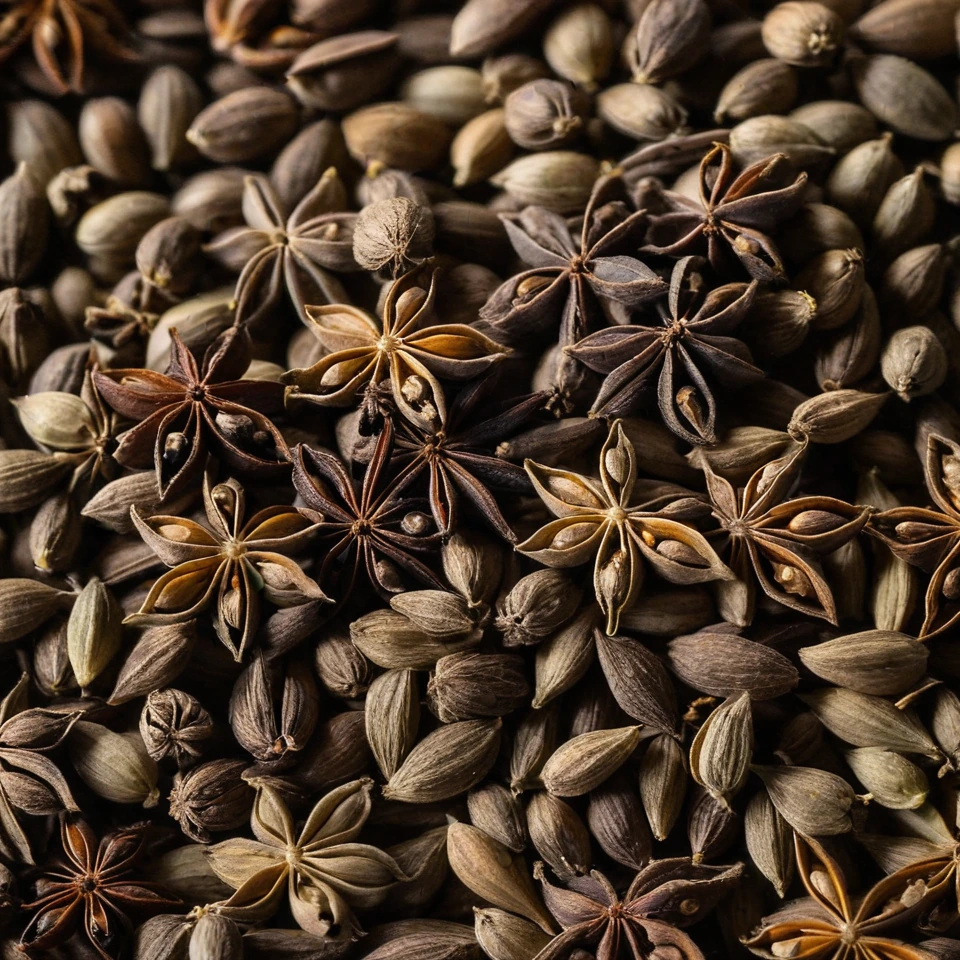
Anise Seeds
Anise seeds are small, oval seeds with a sweet, licorice-like flavor. They are commonly used in both sweet and savory dishes, offering a warm, aromatic taste.
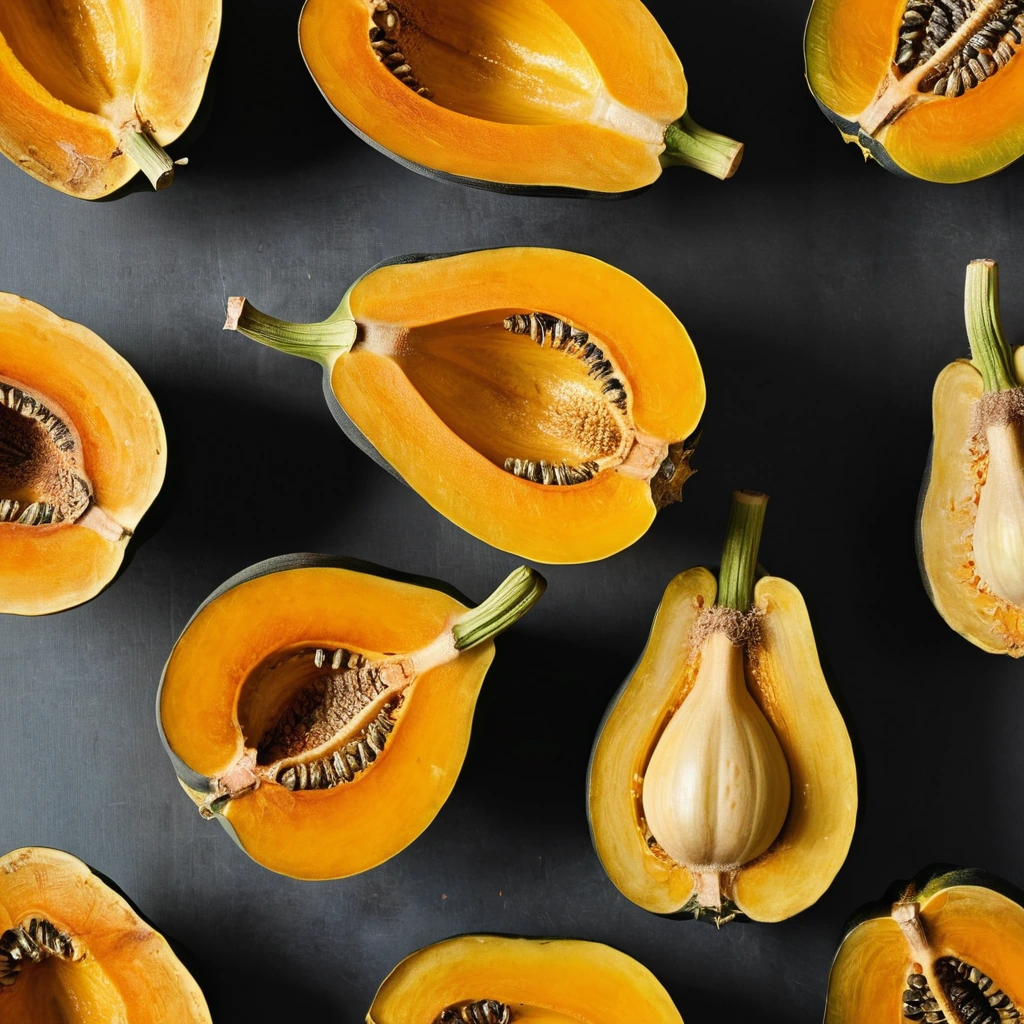
Acorn Squash
Acorn squash is a winter squash variety known for its distinctive teardrop shape and deep ridges resembling the texture of an acorn shell. Originating in the Americas, it has been cultivated for centuries and is a staple in autumn cuisine. The flesh is sweet and nutty with a hint of earthiness, offering a delightful contrast to savory dishes. Its texture is dense yet tender when cooked, making it ideal for roasting or pureeing. In cooking, acorn squash holds its shape well and absorbs flavors from herbs and spices, enhancing both its taste and versatility in recipes.
Recipes to try
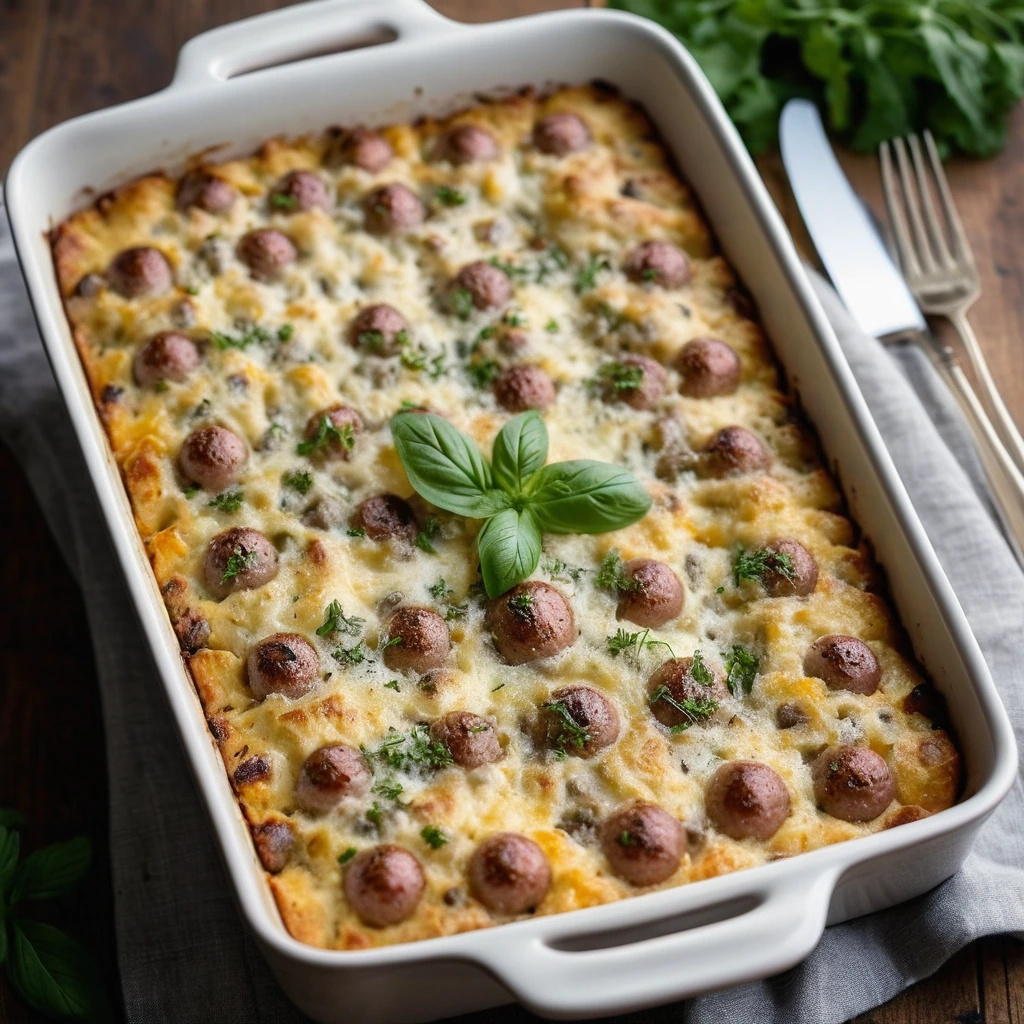
Sausage and Potato Breakfast Casserole
This hearty casserole combines savory sausage, crispy potatoes, and melty cheese into a golden, bubbly brunch masterpiece.
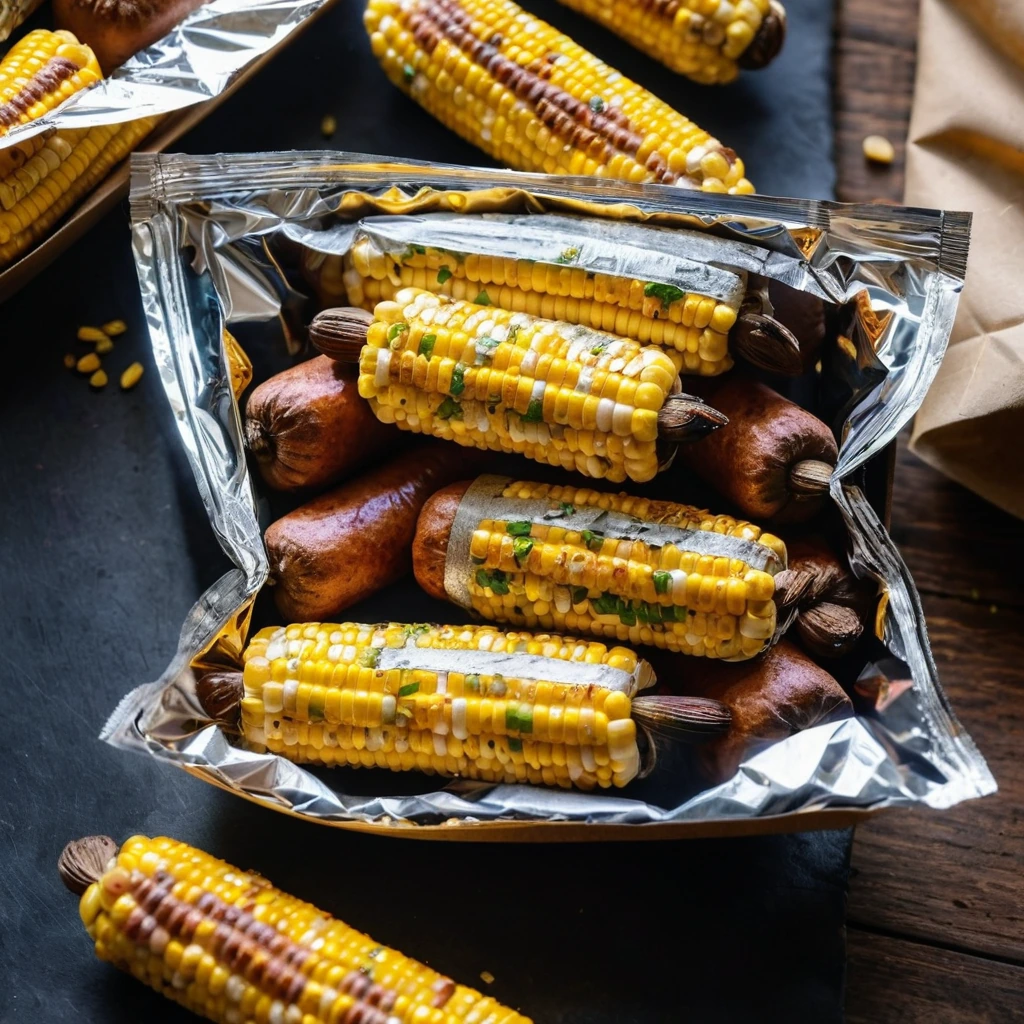
Smoky Sausage, Corn, and Potato Foil Packets
Imagine the smoky aroma of grilled sausage mingling with sweet corn and tender potatoes, all wrapped up in a neat foil packet.