Vegetables: Searing Zucchini Without Sogginess
Searing zucchini might seem simple, but achieving that perfect golden crust without ending up with a soggy mess is an art. The key lies in understanding the science of moisture and heat. Zucchini has a high water content, which can quickly turn it into a steamed, rather than seared, vegetable if not handled properly. By employing the right technique, you can transform ordinary zucchini into something extraordinary, with a crispy exterior and a tender interior that still holds its shape. This technique is not just about cooking; it's about mastering control over heat and moisture to elevate your culinary game. Start with selecting firm, vibrant zucchini. Then, follow precise steps to ensure each piece develops that sought-after sear. Whether you're making a side dish or incorporating zucchini into a larger recipe, this method guarantees impressive results. Understanding the nuances of searing zucchini can enhance your overall cooking skills, teaching you principles applicable to other vegetables and proteins alike.
Notes
The science behind searing zucchini without sogginess revolves around the Maillard reaction, which requires high heat to transform amino acids and sugars into flavorful compounds. By starting with dry zucchini, you ensure that water doesn't interfere with this process. Overcrowding the pan is a common mistake; it lowers the pan's temperature and steams the zucchini instead of searing it. Always ensure your pan is sufficiently hot before adding the zucchini. For storage, keep the seared zucchini in an airtight container in the refrigerator for up to 3 days. Reheat gently in a skillet to maintain texture. Make ahead by searing and storing, then reheating just before serving.
Steps
- 1 Slice the zucchini into even, 1/4-inch thick rounds or lengthwise strips.
- 2 Pat the zucchini slices dry with paper towels to remove excess moisture.
- 3 Season the zucchini liberally with salt and pepper.
- 4 Heat a large skillet over medium-high heat until hot.
- 5 Add 2 tablespoons of oil with a high smoke point, like vegetable or canola oil.
- 6 Once the oil shimmers, add the zucchini slices in a single layer without overcrowding the pan.
- 7 Sear the zucchini for 2-3 minutes on the first side, or until golden brown.
- 8 Flip the slices carefully with tongs and sear for another 2-3 minutes on the other side.
- 9 Remove the zucchini from the skillet and place on a paper towel-lined plate to absorb any excess oil.
- 10 Repeat with additional batches, ensuring not to overcrowd the pan each time.
- 11 Adjust the heat as necessary to maintain a steady sizzle without burning.
- 12 For extra flavor, sprinkle with fresh herbs like basil or parsley before serving.
- 13 Taste and adjust seasoning if necessary before serving.
Ingredients to explore
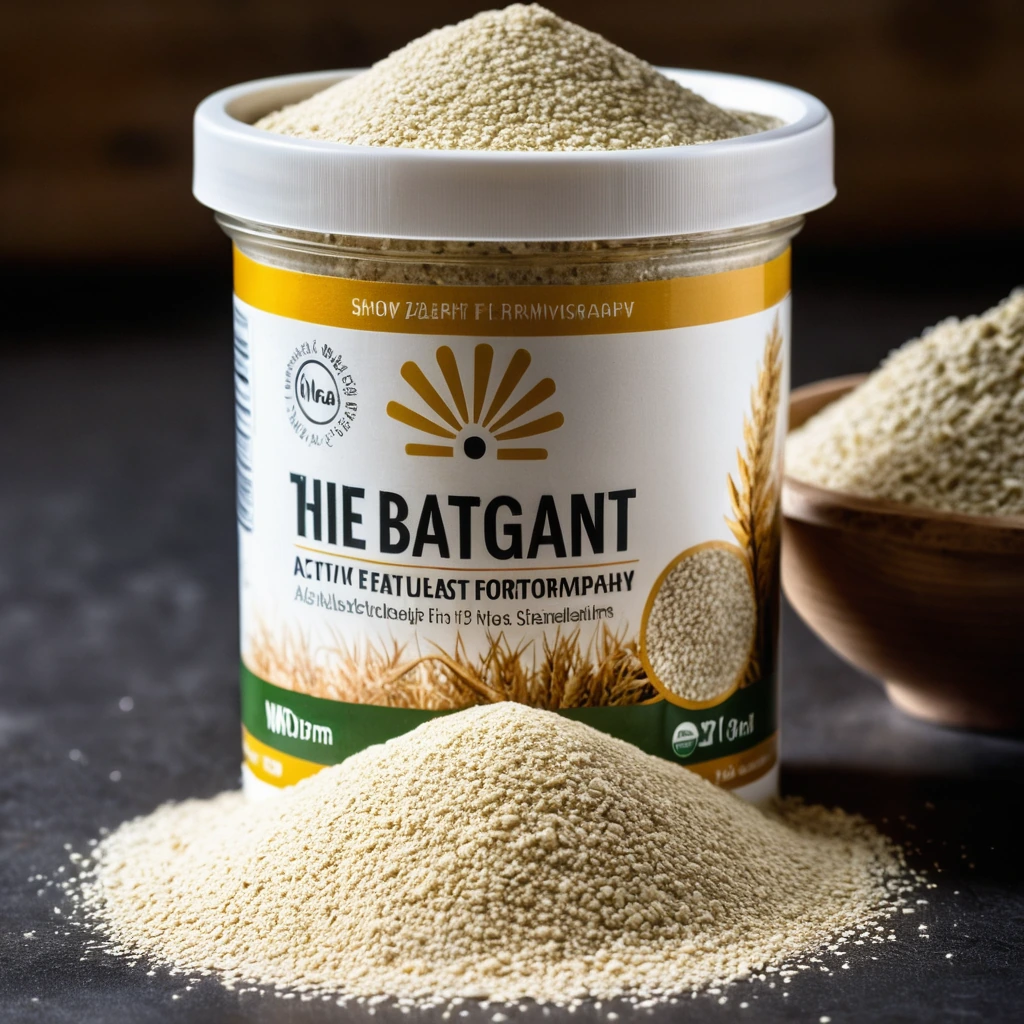
Active Dry Yeast
A fine, granulated leavening agent that brings baked goods to life with its gentle fermentation magic.

Andouille Sausage
Andouille sausage is a coarse-grained, smoked pork sausage with a rich history rooted in French cuisine, particularly from the Alsace region. It was adapted in Louisiana, where it became a staple in Cajun and Creole cooking. The sausage is known for its robust, smoky flavor with hints of garlic, pepper, and other spices, creating a spicy and savory profile. Its texture is firm yet slightly chewy, making it a hearty addition to dishes. When cooked, andouille sausage maintains its shape well and infuses dishes with its distinctive smoky essence, enhancing stews, soups, and rice dishes.
Recipes to try
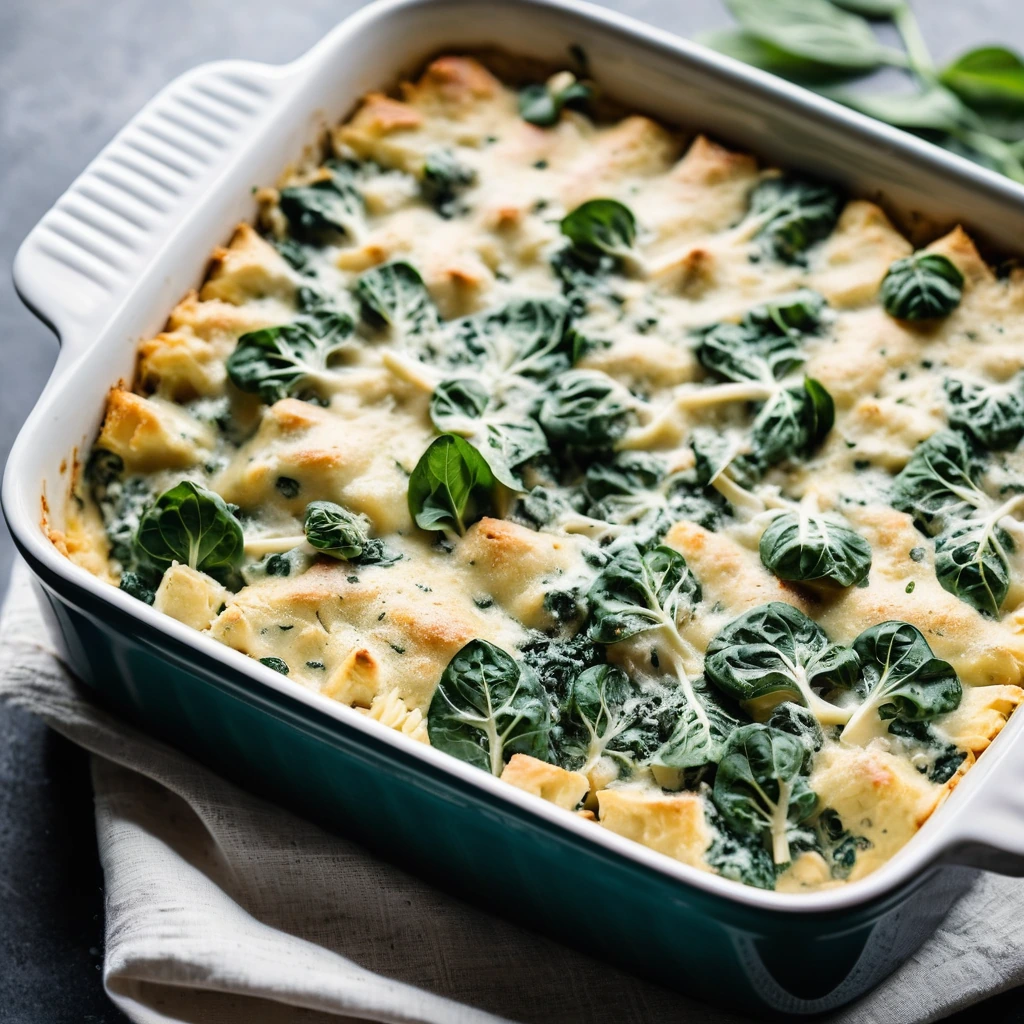
Spinach and Artichoke Chicken Casserole
Creamy, cheesy, and packed with tender chicken, this casserole is a cozy hug in a baking dish.
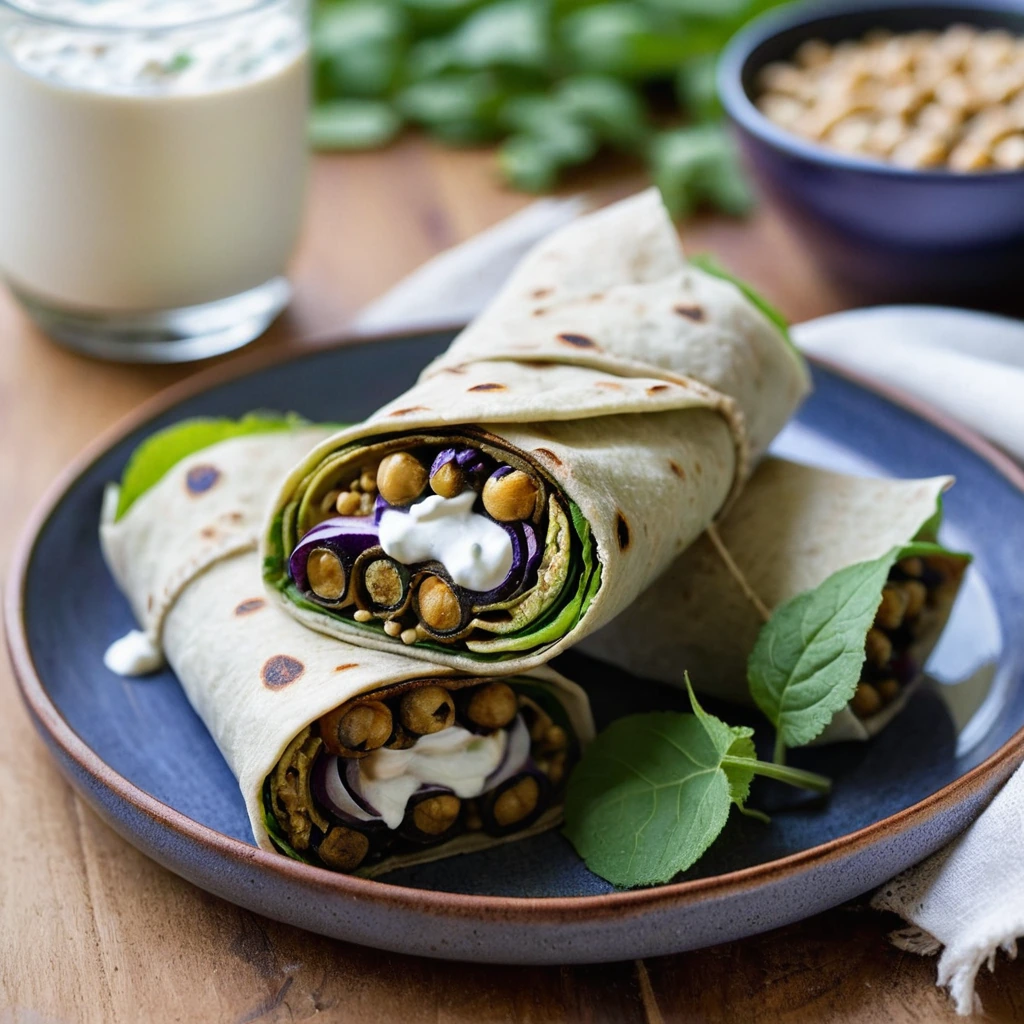
Roasted Eggplant and Chickpea Wraps with Yogurt
Creamy yogurt swirls with smoky roasted eggplant and hearty chickpeas, all wrapped in a warm tortilla for a veggie-packed meal.