Vegetables: Removing Corn Silk Quickly
Removing corn silk from fresh ears of corn might seem like a tedious task, but with the right technique, it can be quick and efficient. Corn silk, those fine, thread-like strands that peek out from the husk, can be a bit of a nuisance if not handled properly. Not only do they trap dirt and debris, but they can also impart an undesirable texture if not thoroughly removed before cooking. In this guide, we'll explore the ins and outs of swiftly stripping away the silks, leaving your corn ready for grilling, boiling, or roasting. Armed with just a few simple tools and a bit of know-how, you'll be prepping corn like a pro in no time. Whether you're prepping for a summer barbecue or making a fresh batch of chowder, mastering this technique is a game-changer. Let's dive into the nitty-gritty details of this essential kitchen skill, ensuring your corn is impeccably clean and ready to shine in your next culinary creation.
Notes
This technique works efficiently because pulling the silk while the husk is still partially intact provides leverage, making removal easier. A common mistake is trying to remove silk with the husk fully intact, which can be frustrating and ineffective. Using a kitchen brush can help with stubborn silks, especially in tight spaces. Always ensure your hands are dry to maintain a good grip and avoid any slips. For storage, keep husked and cleaned corn refrigerated in a plastic bag for up to four days. This method not only saves time but also ensures that your corn is impeccably clean, enhancing both texture and taste in your dishes.
Steps
- 1 Gather fresh ears of corn with intact husks.
- 2 Pull back the husk about halfway down the ear, but do not remove it completely.
- 3 Locate the silky strands nestled within the husk.
- 4 Starting at the top, grasp a small handful of silk between your thumb and fingers.
- 5 Gently pull the silk downwards towards the base of the ear.
- 6 Continue pulling handfuls of silk until most are removed.
- 7 For stubborn silks, use a clean kitchen brush to sweep them out.
- 8 Peel back the husk further to ensure all silk is removed.
- 9 Check the tip of the ear for any remaining silk and remove it with your fingers.
- 10 Replace the husk if desired, or remove it entirely for easier cooking.
- 11 Rinse the ears under cool water to clean off any residual silk and debris.
- 12 Pat the ears dry with a clean towel before cooking.
- 13 Inspect each ear to ensure no silk remains before proceeding with your recipe.
Ingredients to explore
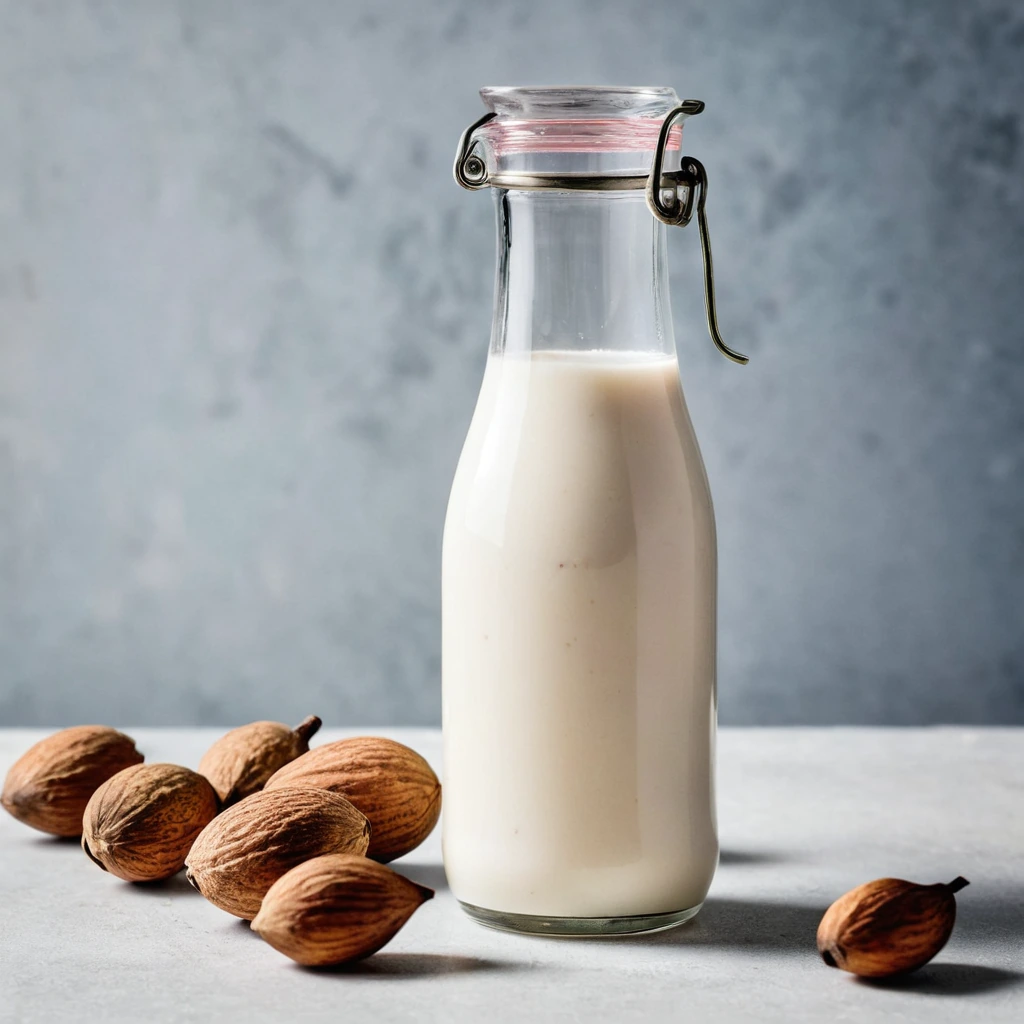
Almond Milk
Almond milk is a plant-based milk alternative made from ground almonds and water. Originating from traditional recipes in medieval Europe and the Middle East, it has gained widespread popularity in modern times as a dairy-free option. Almond milk has a subtly nutty flavor with a mild sweetness, and its aroma is reminiscent of fresh almonds. Its texture is smooth and creamy, though typically lighter than dairy milk. In cooking, almond milk behaves well in both savory and sweet applications, though it does not brown or caramelize like dairy milk. It is often used in cereals, smoothies, and baking, where its delicate flavor complements rather than overpowers other ingredients.
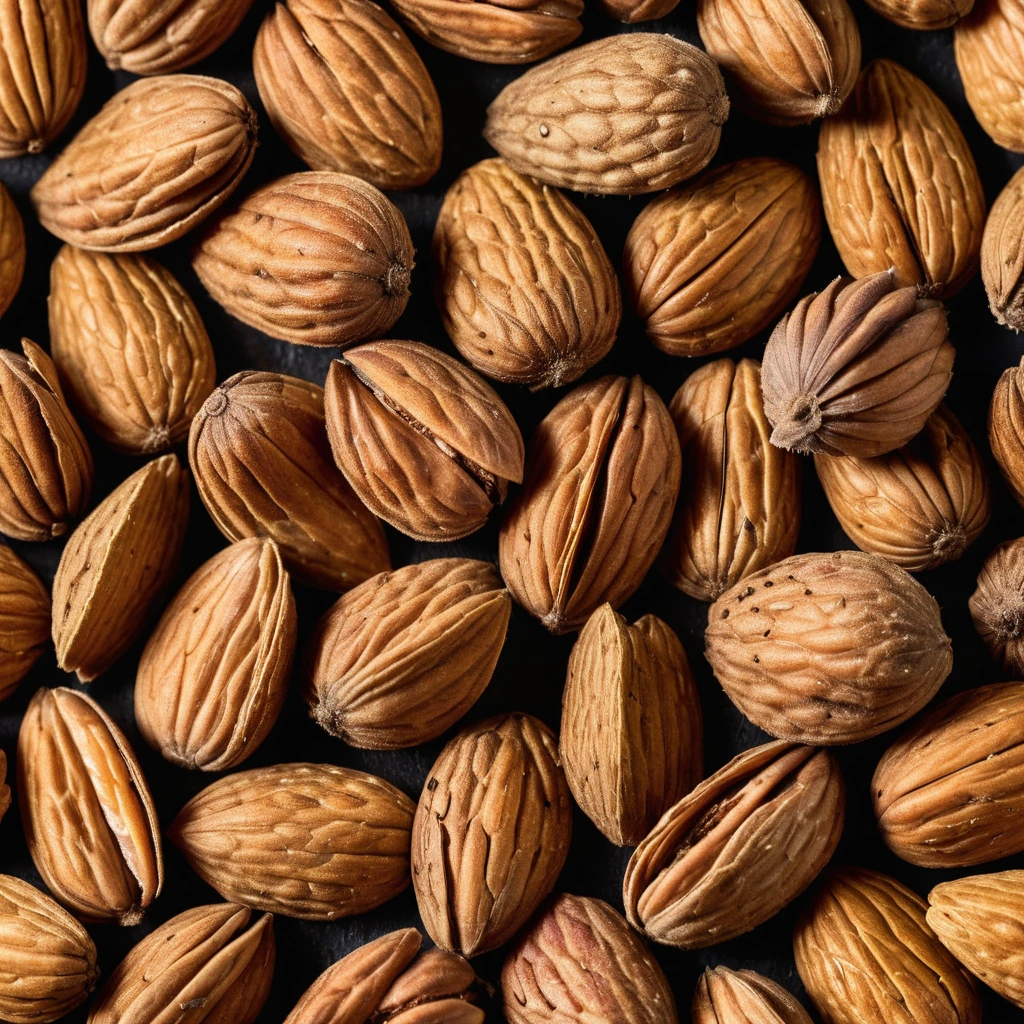
Almonds
With their golden-brown hue and delicate, edible skin, almonds are a crunchy delight. These versatile nuts boast a rich, buttery flavor that adds depth to both sweet and savory dishes.
Recipes to try

Smoky Sausage, Corn, and Potato Foil Packets
Imagine the smoky aroma of grilled sausage mingling with sweet corn and tender potatoes, all wrapped up in a neat foil packet.

Lemon Garlic Butter Shrimp and Asparagus Sheet Pan
Bright and zesty, this sheet pan dinner is a burst of sunshine with tender shrimp and crisp asparagus in a luscious garlic butter sauce.