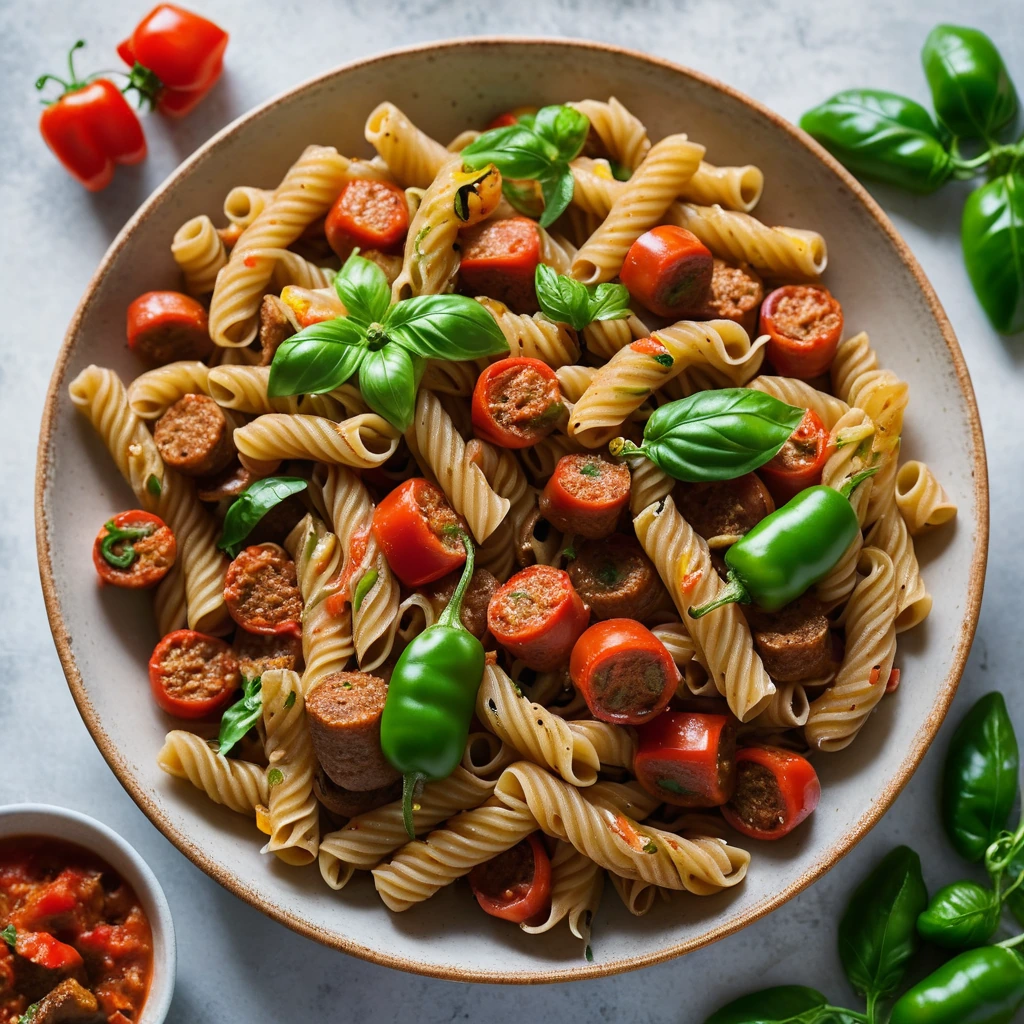
Vegetables: Pan-Crisping Mushrooms for Maximum Flavor
Pan-crisping mushrooms is a technique that transforms ordinary button or cremini mushrooms into something extraordinary. By harnessing the natural moisture within the mushrooms and employing high heat, you can achieve a caramelized crust that's rich with umami. This technique works wonders for enhancing the flavor profile of your dishes, whether you're topping a steak, making a risotto, or simply serving them as a side. The key to success lies in patience and attention to detail. First, selecting the right mushrooms is crucial; you want ones that are firm and dry. Then, the pan must be hot enough to sear rather than steam the mushrooms. This requires a watchful eye and a good understanding of heat control. As the mushrooms cook, they release their water, and it's important to let this evaporate before they can truly crisp up. This process can take longer than you might expect, but it's worth the wait. The browning that occurs isn't just for show; it's a chemical reaction known as the Maillard reaction, which creates layers of complex flavors. Achieving the perfect pan-crisp is about balancing moisture, heat, and timing. Once you've mastered this technique, you'll find that your mushrooms have a depth of flavor that elevates any dish.
Notes
The science behind pan-crisping mushrooms lies in the Maillard reaction, where amino acids and reducing sugars in the mushrooms' surface react to heat, creating new flavor compounds. A common mistake is overcrowding the pan, which leads to steaming rather than searing. To avoid this, cook in batches if necessary. Another pitfall is flipping the mushrooms too soon; patience is key to achieving that golden crust. As for safety, ensure your pan is not smoking, as this can create harmful fumes. For make-ahead and storage, pan-crisped mushrooms can be kept in an airtight container in the refrigerator for up to 3 days. Reheat gently in a skillet to maintain crispiness.
Steps
- 1 Select firm, dry mushrooms and clean them with a damp paper towel.
- 2 Slice mushrooms evenly, about 1/4-inch thick.
- 3 Heat a large skillet over medium-high heat until hot.
- 4 Add 2 tablespoons of unsalted butter or oil to the skillet.
- 5 Once the butter is melted and bubbly, add the mushrooms in a single layer without overcrowding.
- 6 Let the mushrooms sit undisturbed for 3-4 minutes, allowing them to release moisture and form a crust.
- 7 Use a spatula to gently flip the mushrooms and cook for another 3-4 minutes.
- 8 Adjust heat if necessary to maintain a sizzle but avoid burning.
- 9 Season with salt and freshly ground black pepper to taste.
- 10 Continue cooking until the mushrooms are golden brown and crispy on both sides.
- 11 Remove from heat and transfer to a paper towel-lined plate to absorb excess oil.
- 12 Taste and adjust seasoning if needed before serving.
Ingredients to explore
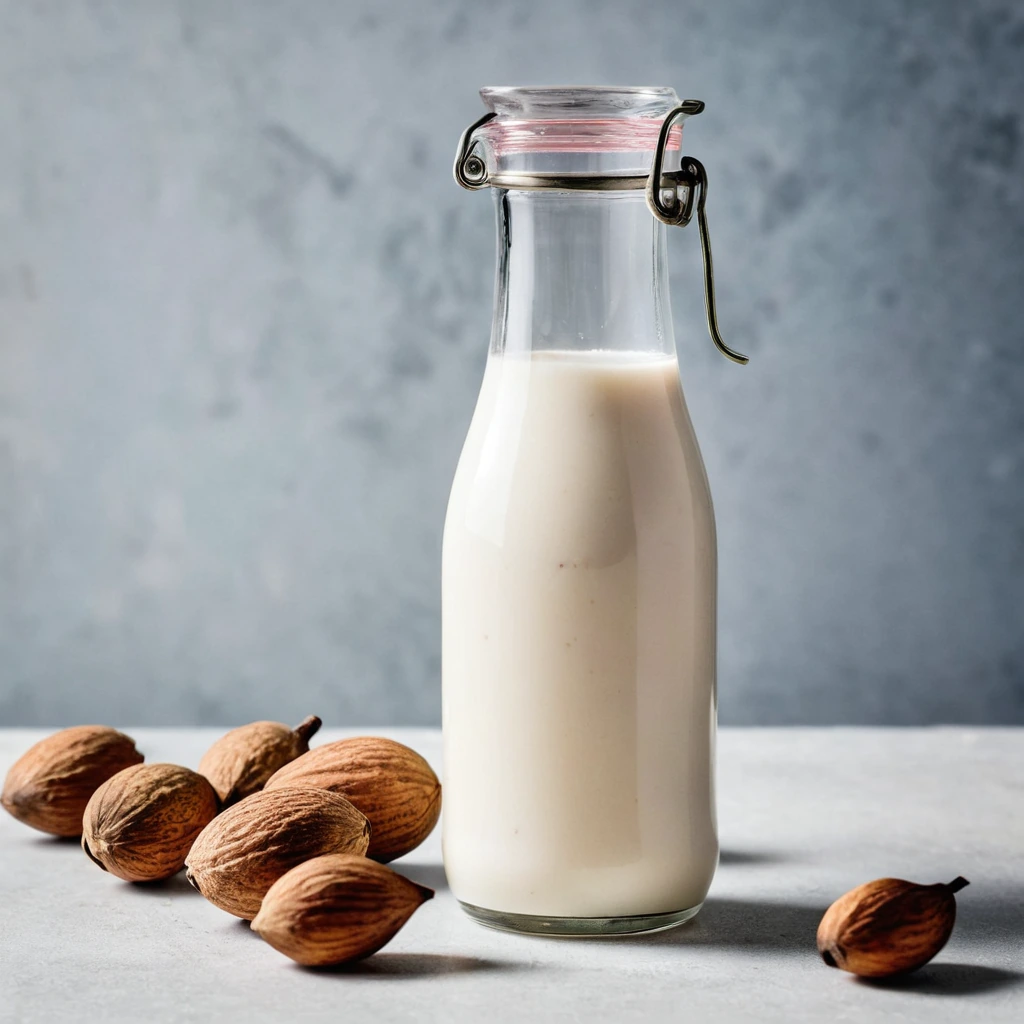
Almond Milk
Almond milk is a plant-based milk alternative made from ground almonds and water. Originating from traditional recipes in medieval Europe and the Middle East, it has gained widespread popularity in modern times as a dairy-free option. Almond milk has a subtly nutty flavor with a mild sweetness, and its aroma is reminiscent of fresh almonds. Its texture is smooth and creamy, though typically lighter than dairy milk. In cooking, almond milk behaves well in both savory and sweet applications, though it does not brown or caramelize like dairy milk. It is often used in cereals, smoothies, and baking, where its delicate flavor complements rather than overpowers other ingredients.
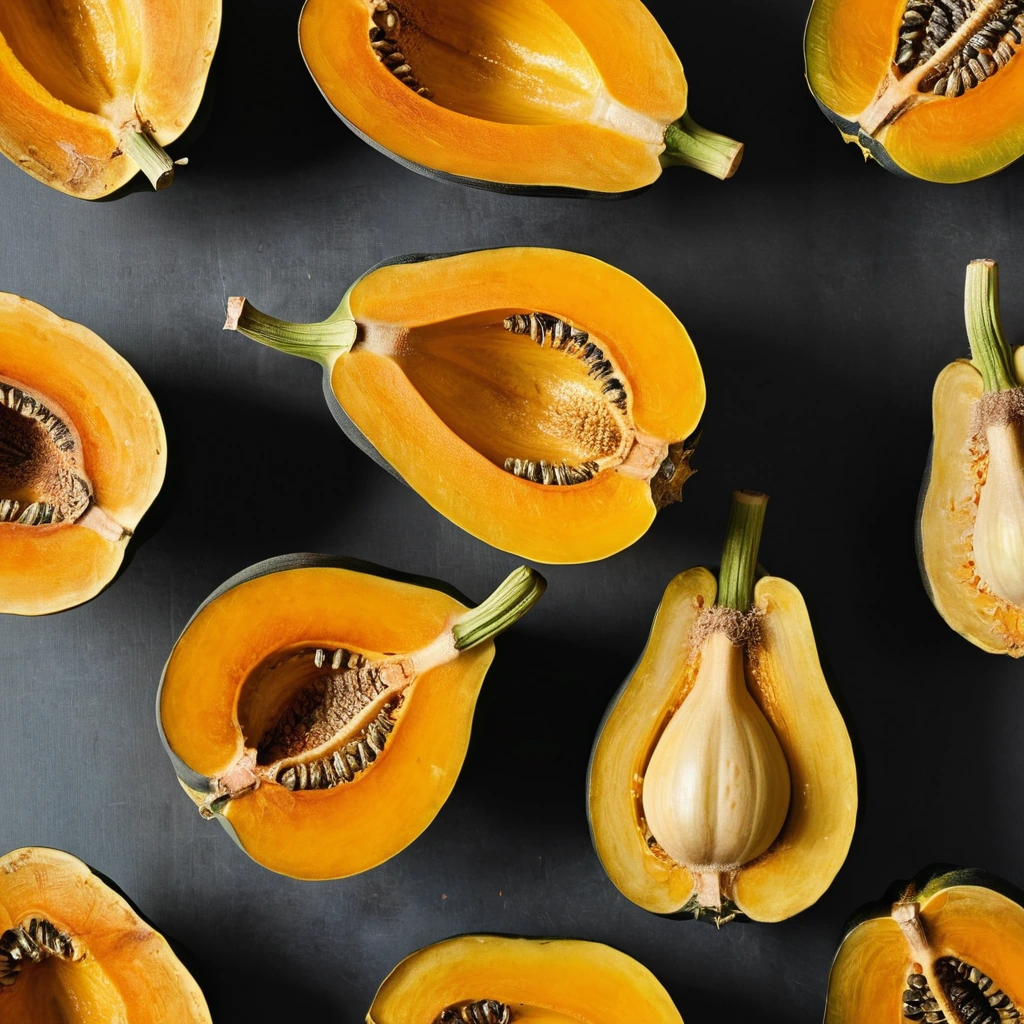
Acorn Squash
Acorn squash is a winter squash variety known for its distinctive teardrop shape and deep ridges resembling the texture of an acorn shell. Originating in the Americas, it has been cultivated for centuries and is a staple in autumn cuisine. The flesh is sweet and nutty with a hint of earthiness, offering a delightful contrast to savory dishes. Its texture is dense yet tender when cooked, making it ideal for roasting or pureeing. In cooking, acorn squash holds its shape well and absorbs flavors from herbs and spices, enhancing both its taste and versatility in recipes.