Vegetables: Oven-Drying Tomatoes for Concentrated Flavor
Oven-drying tomatoes is a simple yet transformative technique that concentrates their natural sweetness and intensifies their flavor. This method is perfect for preserving summer's bounty or creating a versatile ingredient for countless dishes. Unlike sun-drying, oven-drying offers consistent results regardless of weather conditions, and it's surprisingly easy to master. The key is to maintain a low and steady temperature to slowly draw out moisture without cooking the tomatoes. This technique works best with ripe, juicy tomatoes, as they yield the most flavor. The resulting dried tomatoes are pliable, intensely flavorful, and can be stored for months, ready to elevate pasta, salads, or even pizza. Patience is your ally here—low and slow is the mantra. By understanding how heat and airflow interact with the tomatoes, you can achieve that perfect balance of chewy texture and deep, sweet taste. Whether you're a novice or seasoned cook, this method is sure to become a staple in your kitchen repertoire.
Notes
The science behind oven-drying tomatoes is all about controlled dehydration. By maintaining a low temperature, you allow water to evaporate slowly, leaving behind concentrated sugars and flavors. Avoid common mistakes like overcrowding the baking sheet, which can lead to steaming rather than drying. Safety is also important; always use oven mitts when handling hot trays and check your oven periodically to ensure it maintains a consistent temperature. For make-ahead convenience, dried tomatoes freeze exceptionally well. Simply pack them in a freezer-safe container or bag, and they'll keep for several months. When ready to use, thaw them in the refrigerator overnight.
Steps
- 1 Preheat oven to 200°F.
- 2 Slice tomatoes into 1/4-inch thick rounds or halves, depending on size.
- 3 Arrange tomatoes cut-side up on a parchment-lined baking sheet.
- 4 Lightly sprinkle with salt and pepper.
- 5 Drizzle with olive oil, ensuring each tomato piece is lightly coated.
- 6 Place baking sheet in the oven, propping the door open slightly with a wooden spoon to allow moisture to escape.
- 7 Dry tomatoes for 6 to 8 hours, checking occasionally to rotate the tray for even drying.
- 8 Once tomatoes are shriveled and feel leathery to the touch, remove from oven.
- 9 Allow tomatoes to cool completely before handling.
- 10 Transfer dried tomatoes to an airtight container.
- 11 Store in the refrigerator for up to 2 weeks or freeze for longer storage.
- 12 For oil storage, submerge in olive oil and refrigerate for up to 1 month.
Ingredients to explore
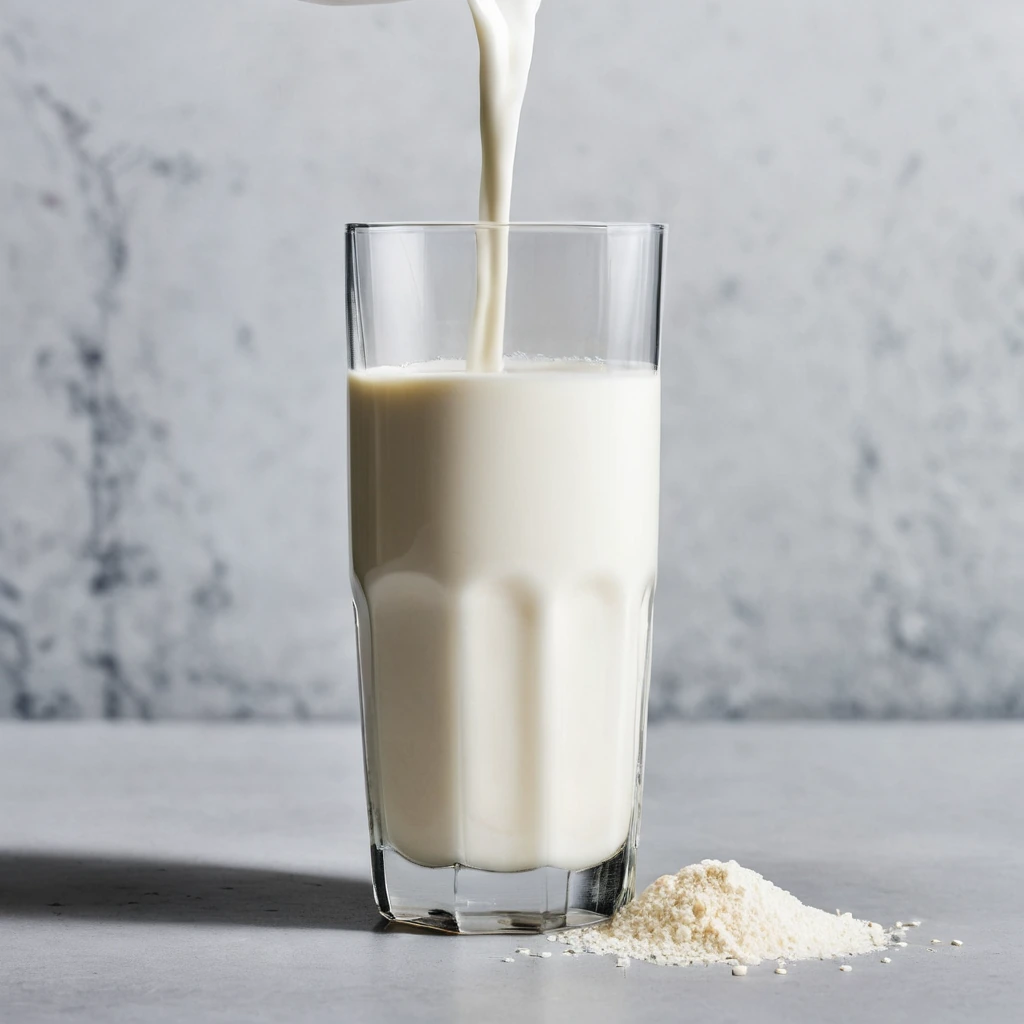
2% Milk
Creamy and just a touch lighter than whole milk, 2% milk offers a perfect balance of richness and reduced fat. Its smooth texture and subtle sweetness make it a delightful choice for sipping or cooking.
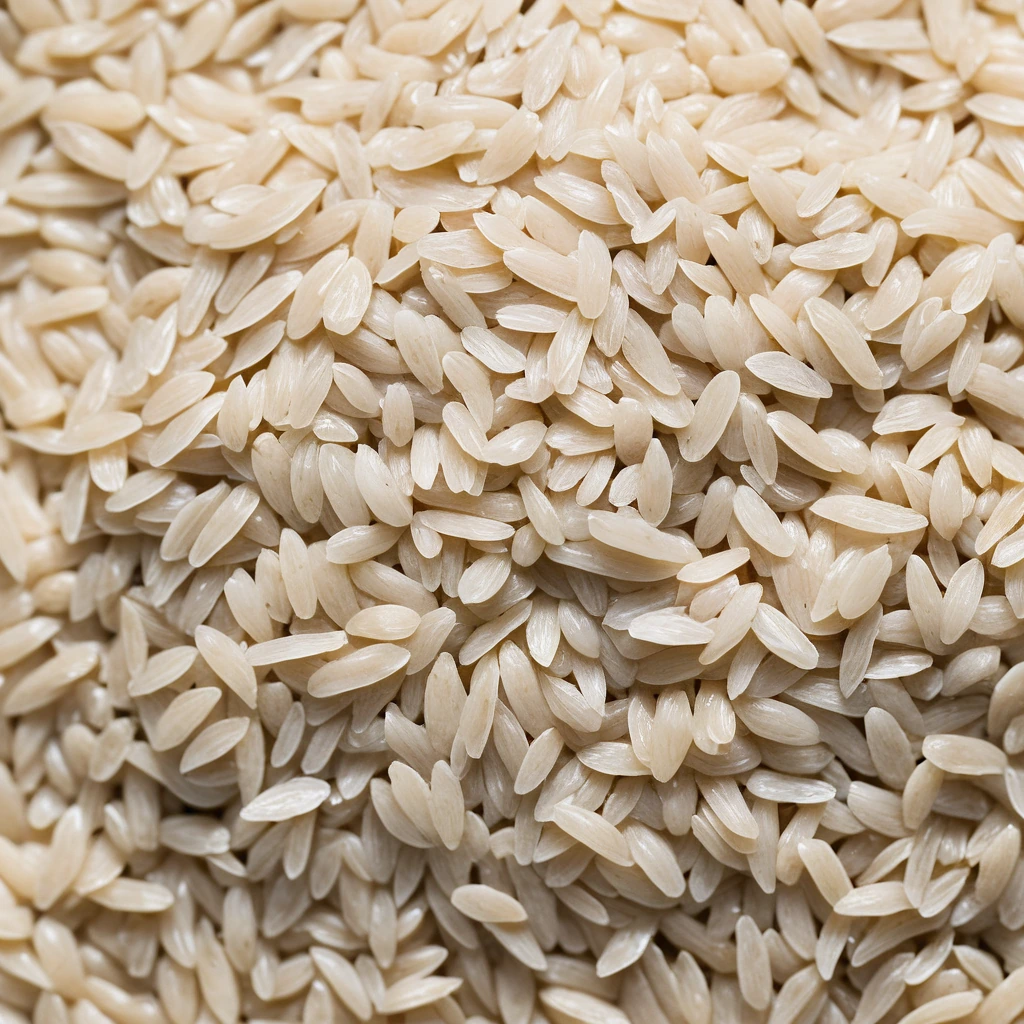
Arborio Rice
Arborio rice is a short-grain Italian rice variety renowned for its use in risotto. Originating from the Po Valley in Northern Italy, it is a staple in Italian cuisine. Its flavor is mild and nutty, with a pleasant creamy texture when cooked due to its high amylopectin content, which releases starch and creates a velvety consistency. The grains remain plump and firm to the bite, offering a satisfying chewiness. In cooking, Arborio rice excels at absorbing flavors from broths and seasonings while maintaining its shape, making it ideal for dishes that require both creaminess and structure.
Recipes to try
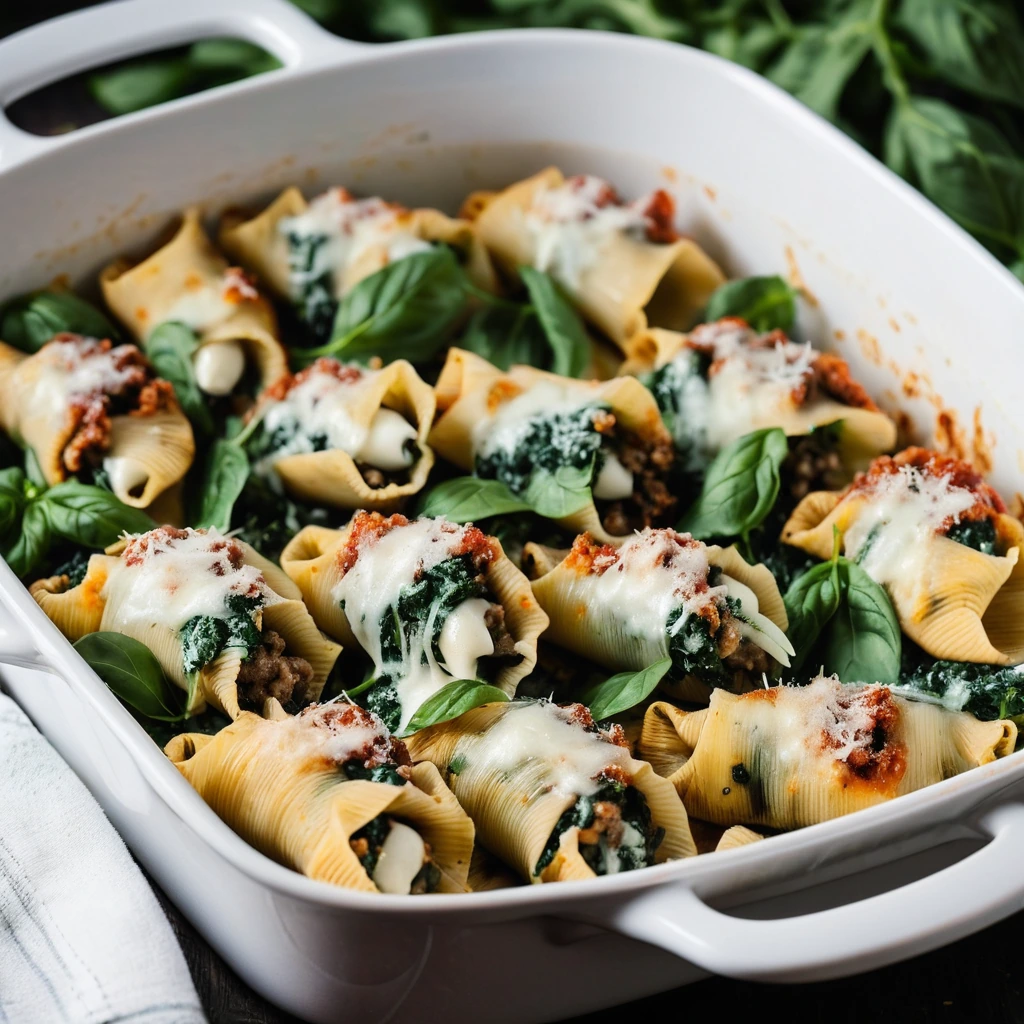
Sausage and Spinach Stuffed Shells Bake
Creamy ricotta and hearty sausage nestled in pasta shells, crowned with a blanket of melted mozzarella and fresh spinach.

Sesame Chicken Fried Rice with Veggies
Savory fried rice packed with tender chicken, colorful veggies, and toasted sesame seeds for an irresistible nutty crunch.