Vegetable Technique: Using Citrus Zest to Wake Up Greens
Transforming a simple salad or sautéed greens into a zesty, vibrant dish is easier than you might think. The secret lies in the aromatic oils of citrus zest. These tiny flecks of peel can elevate your greens from mundane to magnificent with just a few twists of a zester. The essence of citrus zest lies in its volatile oils, which are bursting with flavor compounds that can awaken the senses and add a refreshing twist to your greens. Whether it's lemon, lime, orange, or grapefruit, each citrus fruit offers a unique flavor profile that can complement different types of greens. Understanding how to properly zest citrus and incorporate it into your greens will allow you to harness its full potential. This technique is perfect for those looking to add a gourmet touch to their home cooking without complicating the process. First, selecting the right citrus is crucial—organic is best to avoid any wax residue. Next, you'll need to properly zest the fruit to capture the flavorful oils without any of the bitter pith. Finally, knowing how much zest to use is key to achieving a balanced dish. Too little and you won't notice a difference; too much, and you risk overpowering the delicate flavor of your greens. This technique is versatile and can be applied to a variety of dishes, from a simple side of steamed kale to a more complex arugula salad with citrus vinaigrette.
Notes
The science behind zest lies in its essential oils, which are highly aromatic and flavorful. When you zest citrus, you're capturing these oils in tiny pockets on the peel's surface. The oils can quickly evaporate, so add zest just before serving to maximize flavor. A common mistake is grating too deep and including pith, which is bitter and can ruin the dish. To avoid this, use a tool with fine, sharp edges that can catch just the zest. For storage, zest can be kept in an airtight container in the freezer for up to three months, though fresh is always best. This technique is not only about flavor but also about the visual appeal of the bright zest speckled across your greens, making your dish as pleasing to the eye as it is to the palate.
Steps
- 1 Select fresh, firm citrus fruits, preferably organic.
- 2 Wash the citrus under cool running water to remove dirt and residue.
- 3 Using a fine grater or microplane, zest the citrus over a small bowl.
- 4 Apply gentle pressure to avoid grating the bitter white pith.
- 5 Zest only the colorful outer layer of the peel.
- 6 Toss the greens in a large bowl with desired amount of citrus zest.
- 7 Add a drizzle of citrus juice to complement the zest, if desired.
- 8 Gently massage the zest and juice into the greens for even distribution.
- 9 Season with salt and pepper to taste.
- 10 Optional: Add other ingredients like olive oil, nuts, or cheese.
- 11 Toss everything together until the greens are well-coated.
- 12 Taste and adjust seasoning if necessary before serving.
Ingredients to explore
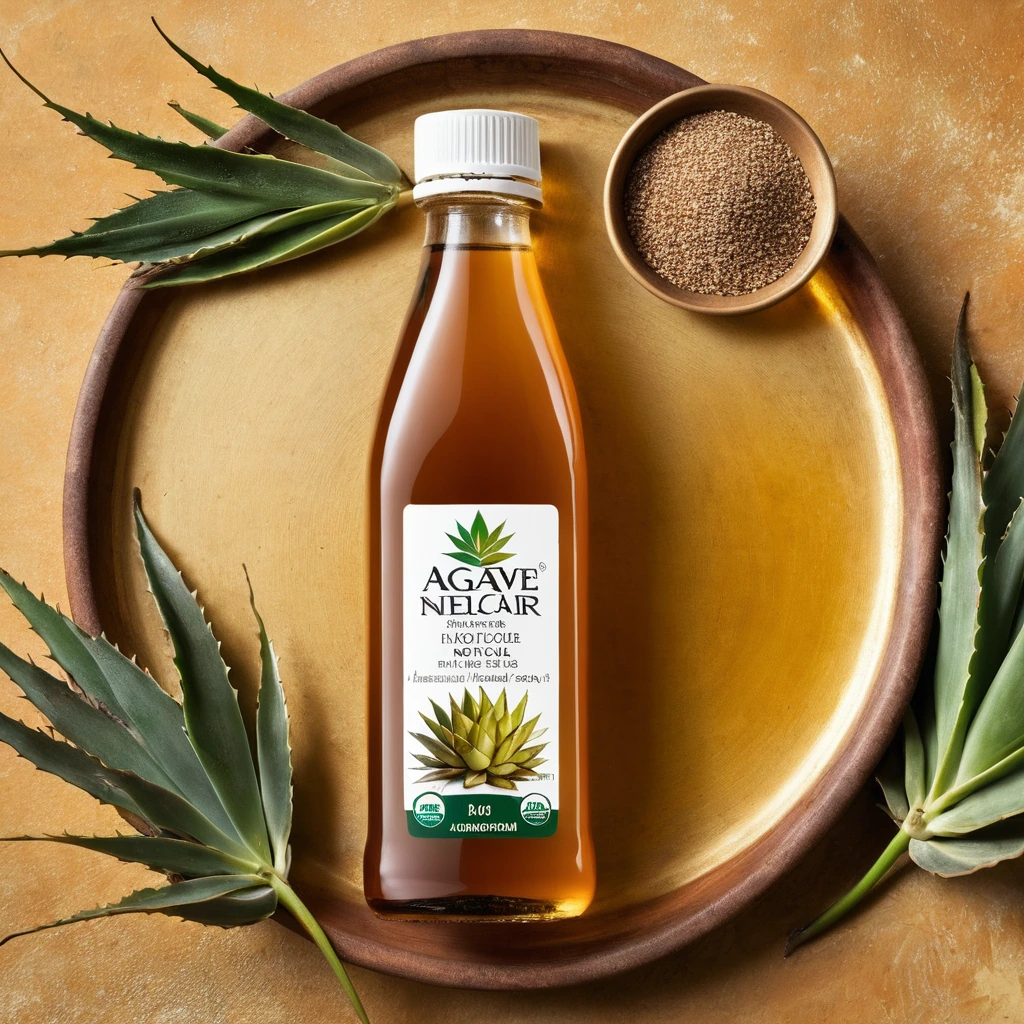
Agave Nectar
A golden, velvety sweetener derived from the agave plant, offering a subtly sweet flavor with a smooth, syrup-like texture.
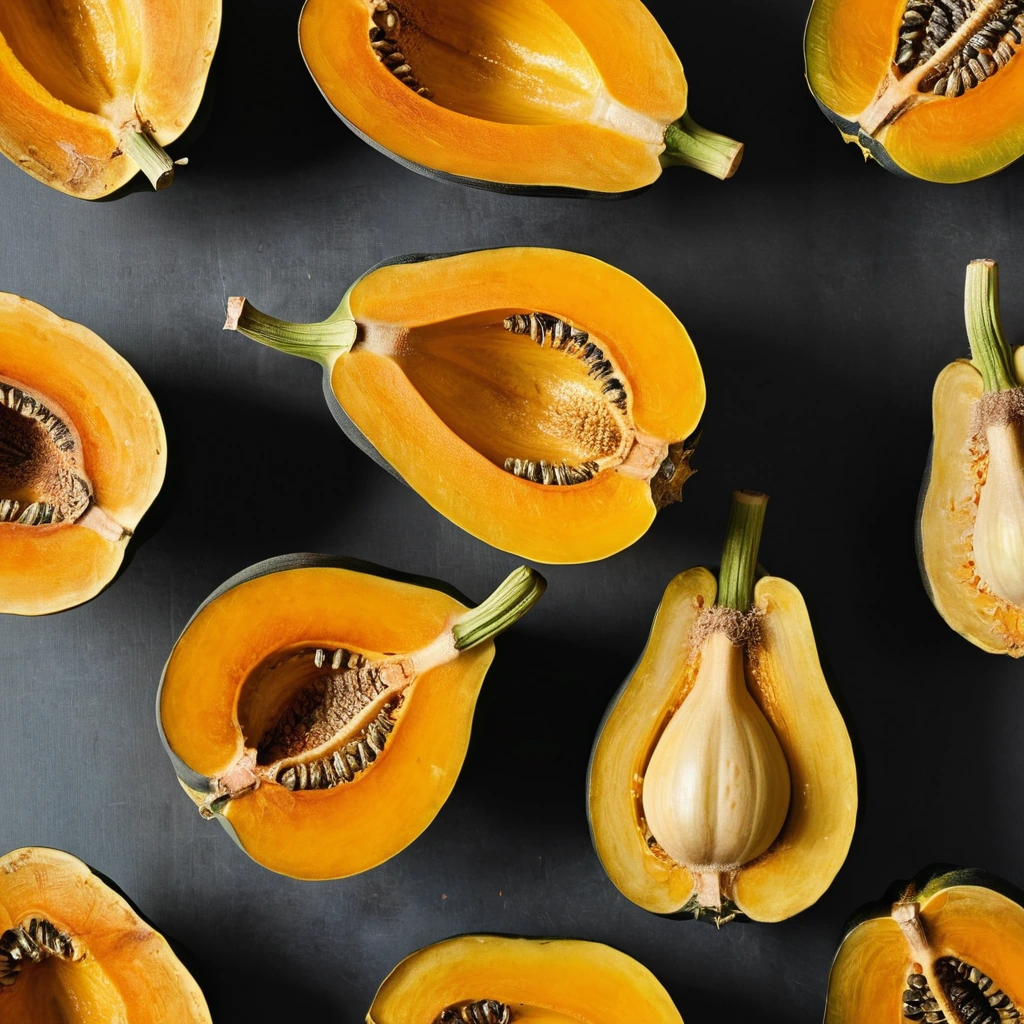
Acorn Squash
Acorn squash is a winter squash variety known for its distinctive teardrop shape and deep ridges resembling the texture of an acorn shell. Originating in the Americas, it has been cultivated for centuries and is a staple in autumn cuisine. The flesh is sweet and nutty with a hint of earthiness, offering a delightful contrast to savory dishes. Its texture is dense yet tender when cooked, making it ideal for roasting or pureeing. In cooking, acorn squash holds its shape well and absorbs flavors from herbs and spices, enhancing both its taste and versatility in recipes.
Recipes to try

Pumpkin Spice Cheesecake Swirl Brownies
Indulge in the cozy combo of fudgy brownies with a creamy pumpkin cheesecake swirl - autumn's dream dessert come to life.

Vegetable Lasagna with Spinach and Ricotta
Layers of tender pasta, creamy ricotta, and a vibrant mix of spinach and veggies come together in a comforting, cheesy casserole.