Vegetable Technique: Using Citrus Segments to Brighten Grain Bowls
Elevate your grain bowls with the zesty punch of citrus segments. This technique isn't just about adding a splash of color; it's about infusing your dish with a burst of freshness and brightness that complements the earthy tones of grains. Citrus fruits like oranges, grapefruits, and tangerines offer not just visual appeal but also a tangy flavor that can transform an ordinary meal into something extraordinary. The key is selecting ripe citrus fruits that are heavy for their size and yield to gentle pressure. This indicates they're juicy and full of flavor. Once you've mastered the art of segmenting citrus, you'll find it's an easy and elegant way to enhance salads, grain bowls, and even desserts. The technique involves removing the peel and pith before carefully slicing out the fruit segments, leaving behind none of the bitter membranes. This meticulous process ensures that your dish is filled with the purest, most vibrant essence of citrus. Incorporating citrus segments into your grain bowls can introduce a refreshing contrast to hearty grains like quinoa, farro, or brown rice. The acidity in citrus helps cut through richness, making each bite lively and invigorating. Additionally, citrus is packed with vitamin C and antioxidants, adding a nutritional boost to your meal. Understanding the balance between tartness and sweetness is crucial; different citrus fruits offer varying flavor profiles, so experiment to find your favorite combination. Lastly, consider the timing of when you segment your citrus. Freshly segmented citrus offers the best flavor, but if prepping ahead, store them in an airtight container in the refrigerator to maintain their freshness and texture.
Notes
The process of segmenting citrus, also known as supreming, works by removing the bitter pith and membranes, leaving just the juicy flesh. This technique is ideal for dishes where you want the purest citrus flavor without any bitterness. A common mistake is cutting away too much of the fruit; aim to trim just enough to remove the pith. For best results, use citrus fruits at room temperature, as they'll be easier to peel and segment. To prevent browning, add citrus segments to your grain bowl just before serving. If you need to prepare them ahead, keep them covered in their juices in an airtight container in the refrigerator for up to a day. Always use caution when handling sharp knives, and consider using a citrus knife if available, as its curved blade can make the job easier.
Steps
- 1 Select ripe citrus fruits that feel heavy for their size.
- 2 Using a sharp knife, cut off the top and bottom of the citrus fruit to expose the flesh.
- 3 Stand the citrus upright and slice away the peel and white pith, following the curve of the fruit.
- 4 Hold the citrus over a bowl to catch any juices.
- 5 Starting from the top, slice downward along each side of a segment to remove it intact, leaving behind the membranes.
- 6 Repeat until all segments are removed from the citrus.
- 7 Transfer the segments to your grain bowl just before serving.
- 8 Toss gently to distribute the citrus evenly throughout the bowl.
Ingredients to explore
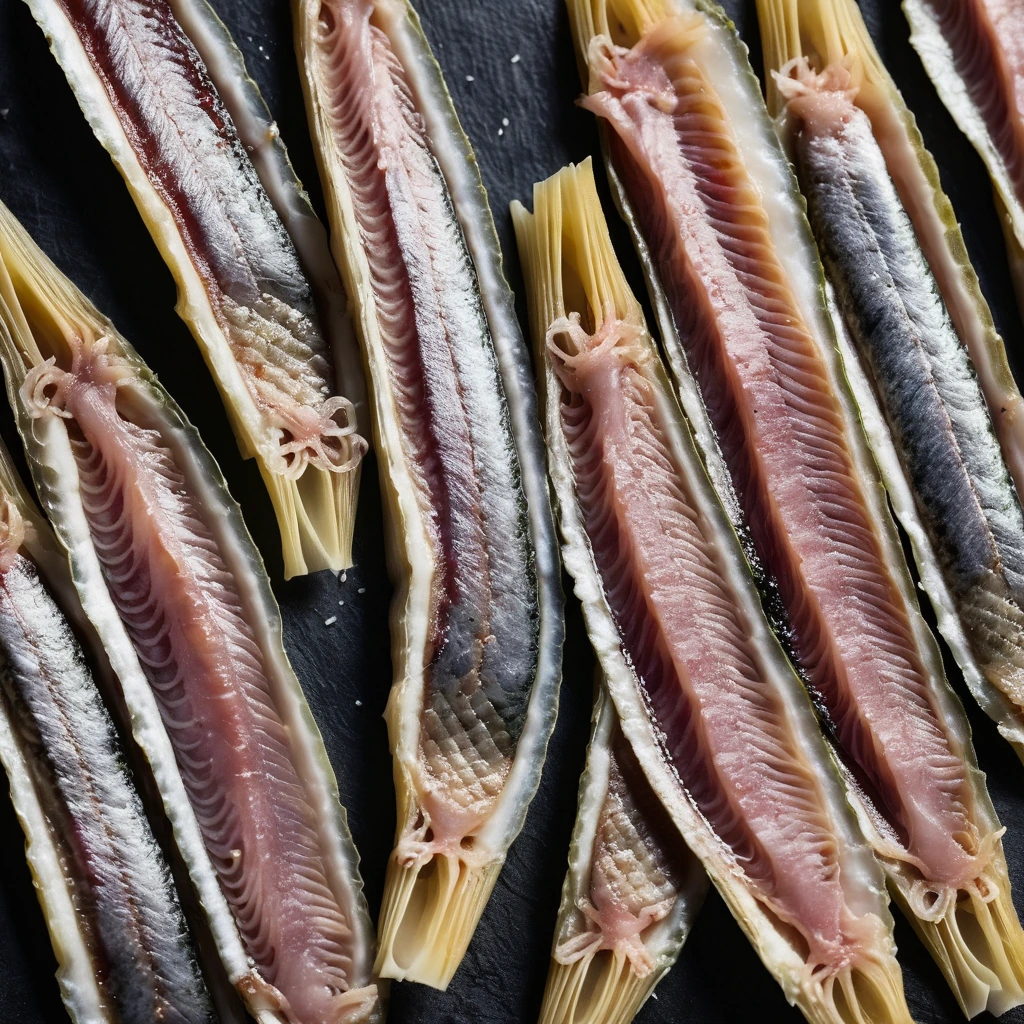
Anchovy Fillets
Silvery and succulent, anchovy fillets are a briny treasure from the sea. Their rich, umami flavor adds depth to dishes, making them a beloved ingredient in kitchens worldwide.
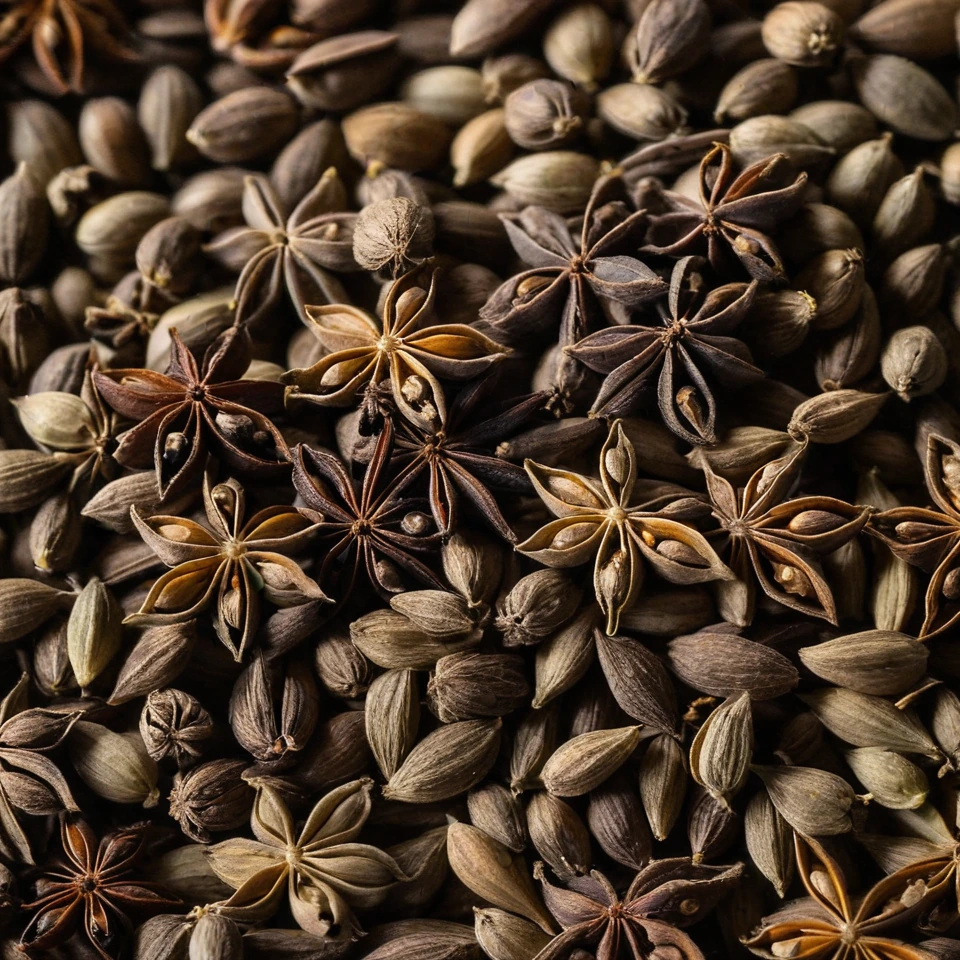
Anise Seeds
Anise seeds are small, oval seeds with a sweet, licorice-like flavor. They are commonly used in both sweet and savory dishes, offering a warm, aromatic taste.
Recipes to try
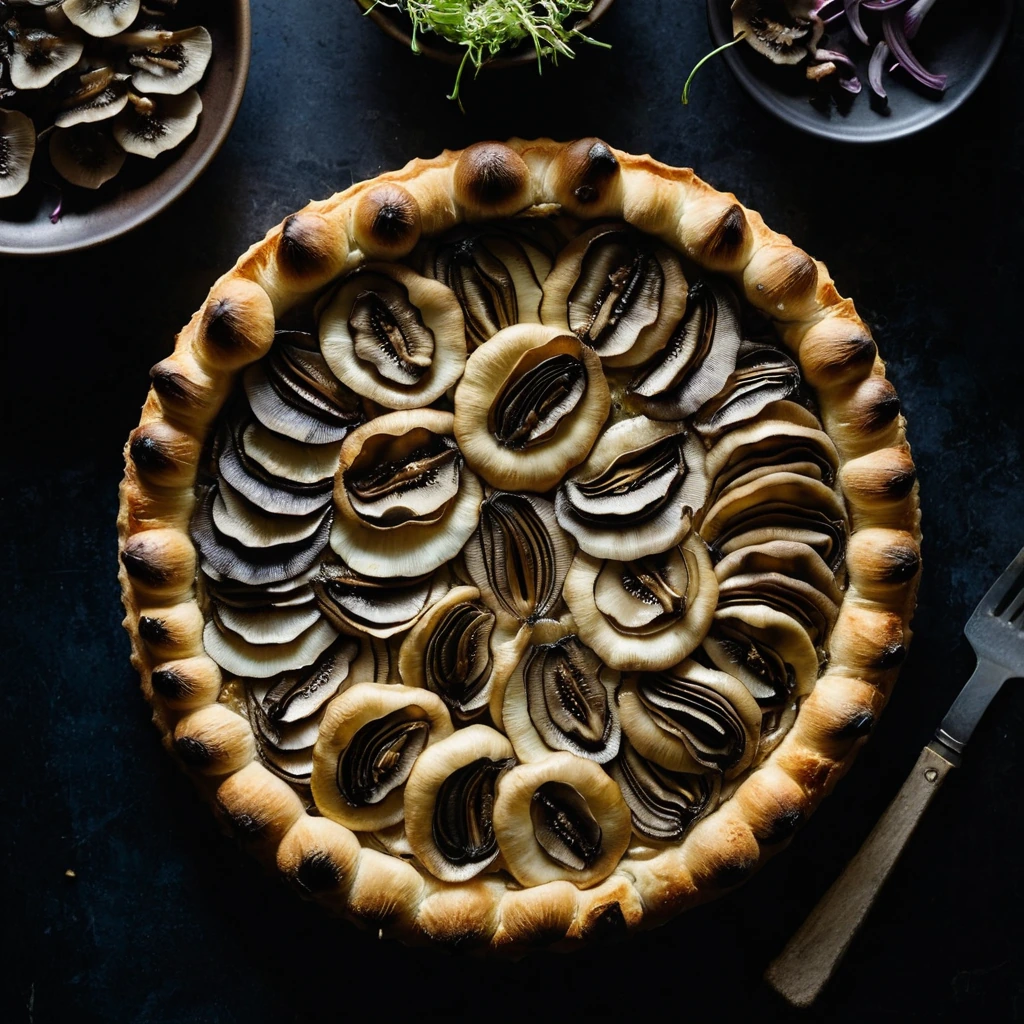
Mushroom, Onion, and Gruyère Tart
Golden, flaky pastry cradles a rich, earthy filling of sautéed mushrooms and onions, crowned with melty Gruyère.

Smoky Black Bean and Corn Soup with Lime
This soup is a tangy, smoky hug in a bowl, with the fresh zing of lime cutting through rich black beans and sweet corn.