Vegetable Technique: Turning Stems and Leaves into Flavorful Broth
Transforming vegetable scraps into a flavorful broth is a sustainable and economical cooking technique that any home cook can master. Instead of tossing those carrot tops, celery leaves, or broccoli stems, you can turn them into a rich, aromatic base for soups, stews, and sauces. This method not only reduces food waste but also amplifies the depth of flavor in your dishes. The key is to collect a variety of vegetable scraps over time, storing them in the freezer until you have enough to make a substantial batch. This technique is straightforward, requiring minimal equipment and ingredients, making it accessible for cooks of all skill levels. The broth you create can become a versatile ingredient in your kitchen, serving as a canvas for countless recipes. By understanding how to extract maximum flavor from your scraps, you'll appreciate the nuanced tastes each vegetable contributes. Moreover, this technique aligns with a mindful approach to cooking, encouraging you to consider the entire life cycle of your produce. Whether you're a seasoned chef or a curious home cook, turning stems and leaves into broth is a rewarding endeavor that bridges sustainability with culinary creativity.
Notes
This technique works because simmering allows the water-soluble compounds in vegetables to dissolve into the broth, enhancing its flavor. Avoid boiling vigorously as it can make the broth cloudy and extract undesirable bitter compounds. To prevent freezer burn, ensure your scraps are stored in a well-sealed bag. For a clearer broth, consider straining it through cheesecloth after the initial sieve. Always check for any lingering scraps in the freezer before starting a new batch to avoid freezer overload. Safety-wise, ensure all produce is washed thoroughly to prevent contamination. For make-ahead convenience, freeze the broth in ice cube trays for easy portioning in recipes.
Steps
- 1 Gather vegetable scraps like carrot tops, celery leaves, onion skins, garlic peels, and herb stems.
- 2 Rinse the scraps thoroughly under cold water to remove dirt and debris.
- 3 Place the scraps in a large freezer bag and store in the freezer until ready to use.
- 4 When you have enough scraps, transfer them to a large stockpot.
- 5 Add aromatics like a halved onion, a couple of smashed garlic cloves, and a bay leaf.
- 6 Cover the scraps with water, allowing at least 2 inches above the vegetables.
- 7 Bring the water to a boil, then reduce the heat to low and simmer gently for 1-2 hours.
- 8 Skim off any foam or impurities that rise to the surface during simmering.
- 9 After simmering, remove the pot from heat and let it cool slightly.
- 10 Strain the broth through a fine-mesh sieve into a large bowl or another pot.
- 11 Discard the solids or compost them.
- 12 Taste the broth and season lightly with salt if desired.
- 13 Let the broth cool completely before storing it in airtight containers.
- 14 Refrigerate for up to 5 days or freeze for up to 3 months.
Ingredients to explore
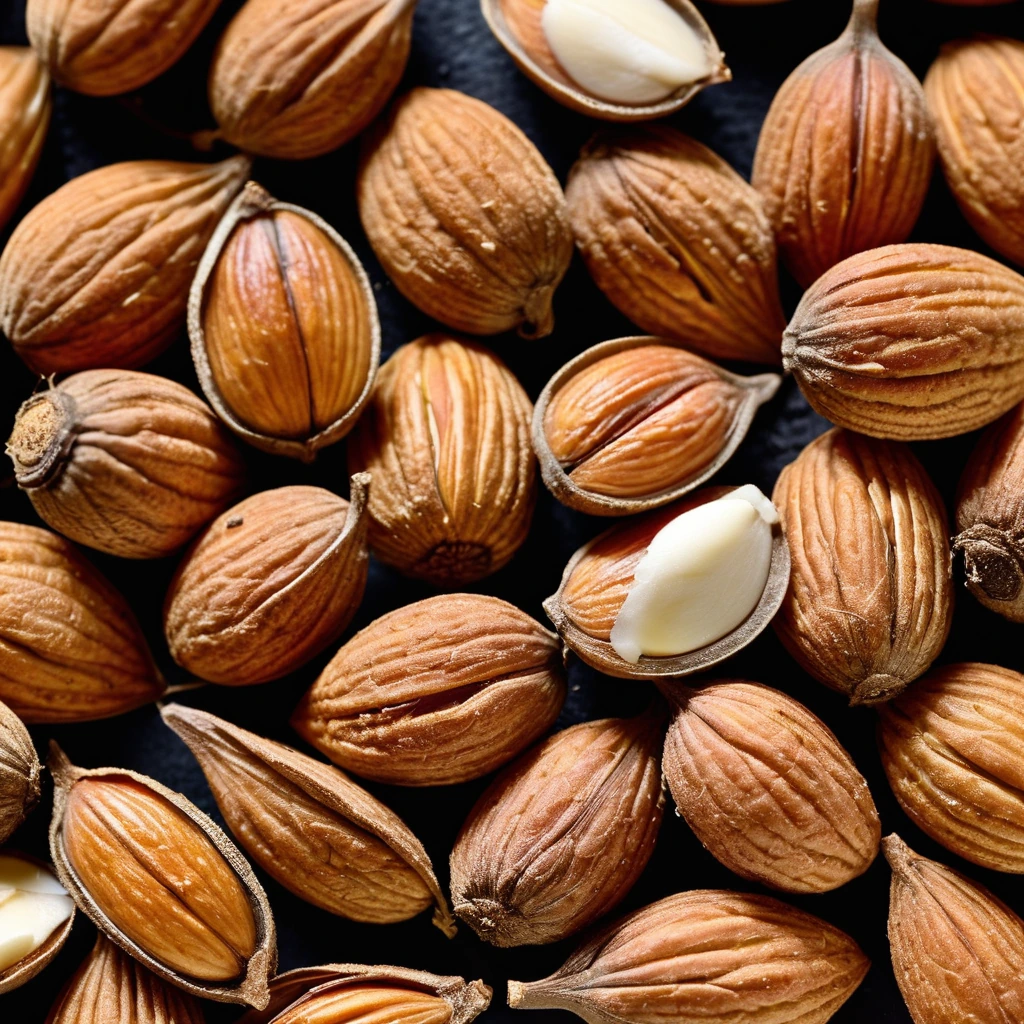
Almond Extract
A fragrant, golden elixir that captures the essence of freshly ground almonds, almond extract is a pantry staple that brings a rich, nutty aroma to your culinary creations.

Aleppo Pepper
Aleppo pepper offers a harmonious balance of heat and sweetness, with a subtle fruity aroma reminiscent of sun-dried tomatoes and currants. Originating from the region around Aleppo, Syria, it has a fine, slightly coarse texture that shatters easily between fingers. Its mild yet complex flavor profile makes it a prized seasoning for enhancing dishes without overwhelming them. Valued for its versatility, it bridges the gap between spice and seasoning, bringing a touch of warmth and depth to a variety of cuisines.
Recipes to try

Spiced Cauliflower and Potato Street Tacos
Crispy spiced cauliflower and tender potatoes packed into warm tortillas for a veggie-packed taco night.
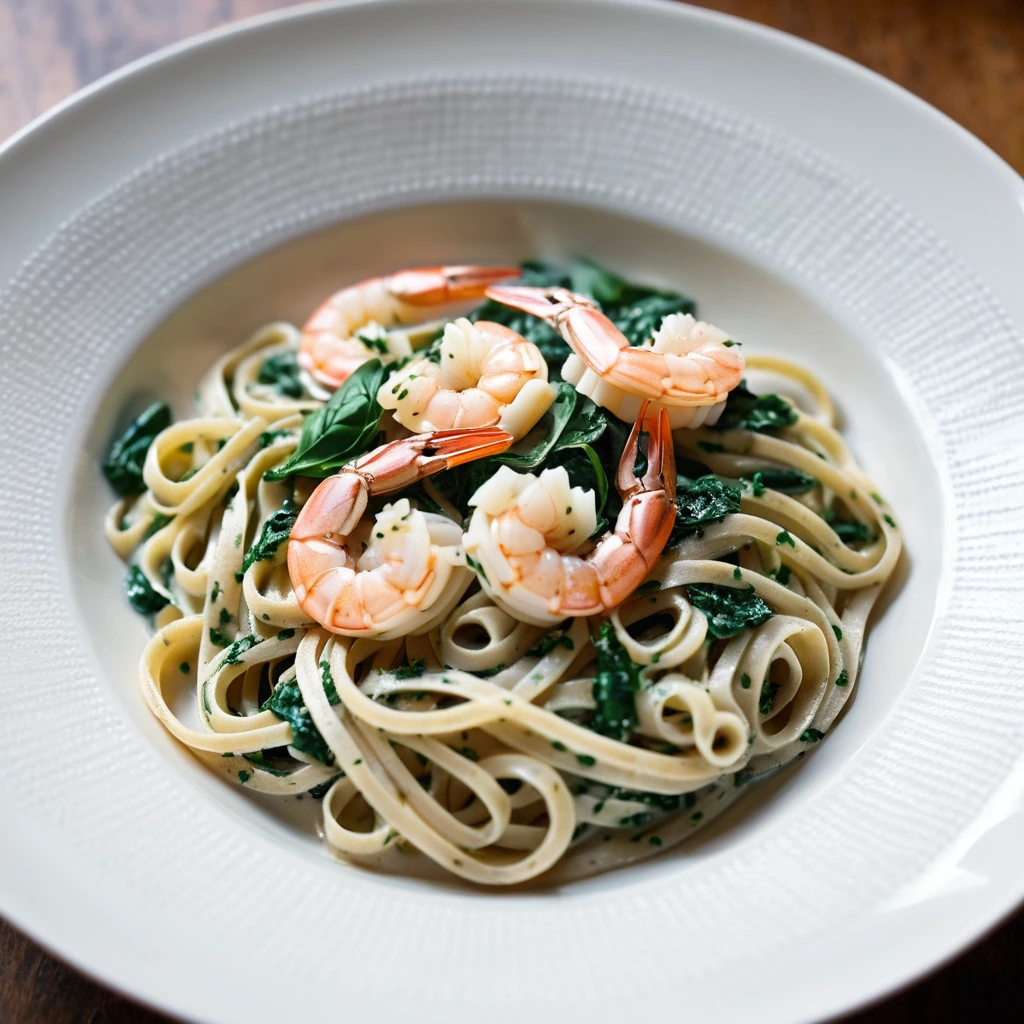
Shrimp and Spinach Linguine in White Wine Sauce
Succulent shrimp and fresh spinach mingle in a creamy white wine sauce, twirled into perfectly al dente linguine.